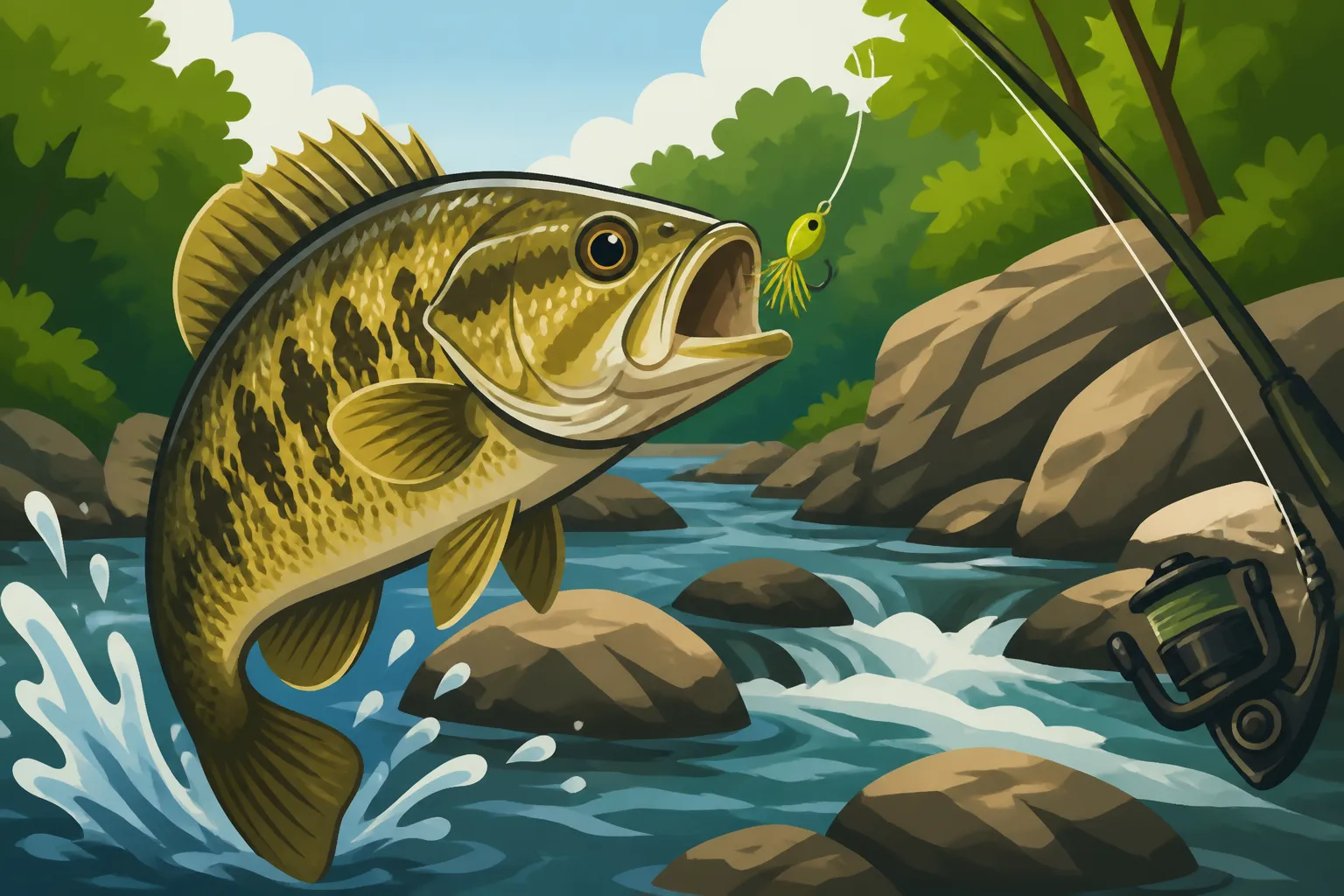
Rock Bass Fishing in Rocky Creeks and Rivers
Many anglers in Illinois spend their time chasing after the big three: bass, crappie, and walleye. And while there's nothing wrong with that, it's easy to overlook some of the smaller, feistier fish that can provide just as much excitement, especially when you're looking for a change of pace or introducing a new angler to the sport. If you've ever found yourself wondering what else those rocky creeks and rivers hold, you're in the right place. This guide will walk you through everything you need to know about targeting rock bass, helping you uncover a hidden gem in Illinois's diverse fishery.
Understanding Illinois Rock Bass: A Feisty, Overlooked Panfish
Rock bass, sometimes affectionately called "rockies" or "redeye," are one of Illinois's truly underrated panfish. They might not get the same glamour as a chunky largemouth or a slab crappie, but what they lack in size, they more than make up for in aggressiveness and sheer willingness to bite. They're an excellent target for anglers of all skill levels, especially those who love the challenge of fishing moving water and rocky structures.
What Makes a Rock Bass a Rock Bass?
Before you start casting, it helps to know what you're actually looking for. Rock bass are part of the sunfish family, and they share some visual traits with their cousins, but they have distinct features. They typically sport a stocky, oval-shaped body with a bronze-olive color, often marked with darker spots that can sometimes form faint vertical bars. Their most prominent feature, and the reason for one of their nicknames, is their large, often red or orange eye. They have a relatively large mouth for a panfish, which is a big hint about their aggressive feeding habits. You'll also notice six spines in their anal fin and deep notches between the dorsal fin spines, which differentiates them from other similar-looking sunfish.
These fish don't typically grow huge, but a 10-inch rock bass is a true trophy, offering a surprising fight on light tackle. They’re also fairly prolific and can be found in good numbers once you locate a productive spot. If you’re ever unsure about distinguishing them from other sunfish, a quick reference like How to Identify a Rock Bass can be incredibly helpful.
Rock Bass Habitat Preferences: Where They Call Home
The name "rock bass" isn't just a clever moniker; it's a precise description of their preferred dwelling. These fish are absolute homebodies when it comes to structure. They thrive in clear, cool waters, almost always associating with rocky bottoms, gravel, boulders, and submerged logs or brush. This preference means you'll find them predominantly in rocky creeks, smaller rivers, and the rocky areas of larger rivers, rather than the muddy, silty bottoms of many Illinois lakes.
Think about shallow to moderate depths where current is present but not overwhelmingly strong. They love to tuck themselves into the eddies behind large rocks, under cut banks, or within the protective cover of submerged root systems. These structures provide them with ambush points for prey and shelter from stronger currents and predators. They're often found in the same areas as smallmouth bass, another species that favors rocky, flowing water, which can lead to some exciting mixed-bag days on the water.
Prime Illinois Waters for Rock Bass Fishing
While rock bass can be found in many of Illinois's lesser-known waterways, some rivers and creeks stand out as exceptional spots for targeting these feisty fish. Understanding the types of water and specific features to look for will significantly increase your chances of success.
Rocky Rivers and Creeks Across Illinois
Illinois is crisscrossed with numerous rivers and creeks, and many of them hold fantastic rock bass populations. The key is to seek out those stretches with clear water and abundant rocky structure. Here are a few types of places to start your search:
- Northern Illinois Rivers: Rivers like the Kankakee River, especially its upper stretches, are renowned for their rocky bottoms and clear water, making them prime habitat for both smallmouth bass and rock bass. You'll find plenty of riffles, runs, and rocky pools where rock bass love to congregate. The Fox River is another excellent option, particularly its more natural, less urbanized sections with gravel and rock beds. Anglers often find success focusing on areas with current breaks created by boulders or bridge pilings. Checking out guides for other river-dwelling species, like Kankakee River Smallmouth Bass Spots or Fox River Fishing Guide in Illinois, can also provide clues to productive rock bass areas, as their habitats often overlap.
- Central and Southern Illinois Streams: Don't overlook the smaller, clearer tributaries that feed into larger rivers like the Illinois River or the Mississippi. These often have good stretches of gravel and rock and see less fishing pressure. Focus on areas where the stream narrows, forcing water through rocky channels, or where small waterfalls and rapids create oxygenated, turbulent water with plenty of hiding spots.
It's always a good idea to consult local maps, satellite imagery, and even local bait shops for specific access points and conditions. Look for stretches marked by rapids, rock outcroppings, or simply "rocky bottom" indicators.
Focusing on Key Structures and Conditions
Once you've identified a promising river or creek, your next step is to pinpoint the exact locations where rock bass are most likely to be holding. It's all about reading the water and identifying the current breaks and cover.
- Current Breaks: Rock bass are not strong swimmers, so they'll seek refuge from the main current. Look for the calm water directly behind large boulders, submerged logs, or even bridge pilings. These eddies provide a comfortable spot to rest and ambush passing prey without expending too much energy fighting the flow.
- Undercut Banks and Overhanging Vegetation: While they prefer rock, they won't shy away from other forms of cover. Undercut banks provide overhead shelter and deep pockets, while overhanging trees and bushes drop insects and shade into the water, attracting baitfish and, consequently, rock bass.
- Riffles and Runs: The shallow, faster-moving sections of a river or creek, known as riffles, create excellent oxygenation and dislodge food items. Just downstream from these riffles, where the water transitions into a deeper, slightly slower run, can be fantastic spots. Rock bass will sit at the edge of the current, darting out to grab anything edible that drifts by.
- Deep Pools: After a series of riffles or runs, you'll often find deeper pools. The edges of these pools, especially where rocks or logs are present, can hold larger rock bass. During colder periods or bright sunny days, fish often retreat to these deeper, shadier areas.
Remember, rock bass are relatively small, so their "structure" might be different from what you'd look for when targeting bass. A handful of fist-sized rocks or a single submerged branch might be all it takes to hold several fish.
| River/Creek Feature | Ideal Rock Bass Location | Why It Works |
|---|---|---|
| Large Boulders | Downstream side, deep cracks | Current break, ambush point, shelter |
| Submerged Logs/Trees | Along the length, root balls | Cover, shade, insect habitat |
| Riffles | Just downstream, eddy lines | Oxygenated water, dislodged food |
| Undercut Banks | Deepest part of the cut | Shade, deep water access, ambush |
| Bridge Pilings | Eddy lines, shaded side | Current break, shade, structure |
| Gravel/Rock Flats | Transition to deeper water, scattered larger rocks | Foraging area, subtle cover |
Essential Gear and Techniques for Rock Bass
You don't need a boatload of expensive gear to have a blast catching rock bass. In fact, that's part of their charm! Simple, light tackle is often all it takes, making it a perfect activity for beginners, kids, or anyone looking to scale down their approach.
Rods, Reels, and Line for Light Tackle Action
When targeting rock bass, lighter is definitely better. An ultralight or light action spinning rod is your best friend. This allows you to feel those subtle bites and truly enjoy the fight of even a modest-sized rock bass.
- Rods: A 5'6" to 6'6" ultralight or light power rod with a fast or moderate-fast action will be ideal. A fast action tip will give you better sensitivity for detecting light bites and help with setting the hook, while the lighter power will bend nicely under the weight of a fighting fish. Many excellent options are available for sale on platforms like Amazon.
- Reels: Pair your ultralight rod with a small spinning reel, typically in the 1000 or 2000 series size. These reels are lightweight and balance well with ultralight rods, allowing for comfortable casting all day long. Smooth drag is important, as rock bass can put up a surprisingly strong pull for their size.
- Line: Spool your reel with 4 to 6-pound monofilament or fluorocarbon line. Monofilament is a bit more forgiving with stretch and usually more affordable, while fluorocarbon offers better sensitivity and less visibility underwater. Braided line in the same pound test range (with a fluorocarbon leader) can also be used for maximum sensitivity, especially in current. Keeping your line light is crucial for getting those smaller baits to look natural and for not spooking these wary fish in clear water. For general panfish advice, you might find Ultralight Tackle for Panfish Fishing helpful.
Bait and Lure Selection: What Rock Bass Can't Resist
Rock bass are opportunistic feeders, meaning they'll eat a wide variety of things. This makes them fairly easy to catch once you find them, but having a few go-to baits and lures can really improve your success.
- Live Bait: It's tough to beat live bait for rock bass. Worms (red wigglers or pieces of nightcrawlers) are universally effective. Small minnows, crickets, grasshoppers, and even small crayfish imitations are also excellent choices. Present live bait on a small hook (size 8 or 10 Aberdeen or baitholder hook) with a split shot or two just enough to get it down in the current. A small bobber can also be effective, especially when fishing around submerged cover.
- Small Jigs: Tiny jigs, from 1/32 to 1/16 ounce, are incredibly effective. Tipped with a small soft plastic grub, tube, or a piece of a worm, they imitate a variety of small prey. Colors like olive, black, brown, and white are often reliable, but don't be afraid to experiment with brighter colors in stained water.
- Spinners and Spoons: Small inline spinners, like those from Panther Martin or Mepps (size 0 or 1), can be dynamite for rock bass, especially when cast upstream and reeled back through current breaks. The flash and vibration mimic small baitfish or insects. Tiny spoons also work well, especially in deeper pockets.
- Crankbaits and Hard Baits: Micro crankbaits or small suspending jerkbaits designed for panfish or trout can entice aggressive rock bass. Look for models that dive just a few feet and have a tight wobble.
Having a selection of these in a small tackle box is usually all you need. You can find a good assortment of these lures and baits on Amazon. Remember, the key is matching the hatch – or at least offering something small enough for their mouth that looks appealing.
Fishing Techniques: Presenting Your Offering
Successfully catching rock bass is often about presentation, especially in rivers and creeks where current plays a significant role.
- Casting Upstream and Drifting: One of the most effective techniques for river-dwelling fish is to cast your bait or lure upstream and let the current carry it naturally downstream through likely holding areas. This makes your offering look like a free-floating meal. Keep a slight bit of slack in your line to avoid an unnatural drag, but enough tension to feel the bite.
- Targeting Current Breaks: Focus your casts precisely to the edges of eddies and behind any obstruction that creates a break in the current. Rock bass will often be positioned to dart out from cover.
- Slow and Steady Retrieve: When using jigs, spinners, or crankbaits, a slow and steady retrieve is often best. For jigs and soft plastics, a subtle jigging motion or slow drag along the bottom can mimic a crayfish or insect.
- Bank Fishing: Many of Illinois's rocky creeks and rivers are perfect for bank fishing. Access points near bridges, public parks, or conservation areas often provide easy access to good rock bass habitat. Be mindful of your footing on slippery rocks and wear appropriate footwear. Bank Fishing Tips for Beginners offers great advice that applies perfectly to this type of outing.
Tips for a Successful Rock Bass Outing in Illinois
Beyond the gear and techniques, a few extra tips can make your rock bass fishing trips even more enjoyable and productive.
Timing Your Trip
While rock bass can be caught year-round, certain times offer better opportunities.
- Spring and Fall: These are often prime times. In spring, as water temperatures rise, rock bass become very active, feeding heavily after winter sluggishness. Fall offers another burst of activity as they feed to prepare for winter. They can be found in shallower, more accessible areas during these seasons.
- Summer: During the heat of summer, rock bass might move to deeper pools or seek out shadier, more oxygenated areas. Early morning and late evening often provide the most consistent bites. If fishing during the day, focus on shaded areas and deeper pockets of water. Water Temperature and Fish Activity Guide can give you more insight into how fish behave with seasonal changes.
- Day vs. Night: Rock bass are primarily sight feeders, so daytime fishing is generally more productive. However, they will feed in low light conditions, so dawn and dusk can be excellent.
Always pay attention to local weather conditions. After a heavy rain, the water might be muddy and high, making fishing difficult. Wait for the water to clear and settle before heading out.
Respecting the Resource and Regulations
As with any fishing adventure in Illinois, it's vital to be aware of and adhere to the state's fishing regulations.
- Fishing License: Always ensure you have a valid Illinois fishing license. If you're a resident, it's usually an annual purchase, but non-residents have options like 24-hour or 3-day licenses if they're just visiting. You can find comprehensive information in resources like the Illinois Fishing License Guide for 2026.
- Catch Limits: While rock bass aren't usually subject to specific statewide size or creel limits like some game fish, it's always good practice to only take what you need and release the rest, especially the larger, healthier individuals that are important for the fishery. Double-check the Illinois Department of Natural Resources (IDNR) regulations for any site-specific rules that might apply to the particular creek or river you're fishing.
- Safety: When fishing rocky creeks and rivers, safety is paramount. The rocks can be slippery, and currents can be stronger than they appear. Wear sturdy, non-slip footwear, consider a wading staff for stability, and never fish alone in unfamiliar or fast-moving water. A basic first-aid kit, plenty of water, and sun protection are always wise additions to your pack.
Sharing the Fun: Rock Bass with Kids
Rock bass are fantastic fish to target when introducing children to fishing. Their aggressive nature means they're often willing to bite, which keeps kids engaged and excited.
- Simple Setup: A basic rod and reel, a bobber, and a worm are all you need. This straightforward setup is easy for little hands to manage.
- Plenty of Action: Because rock bass are typically abundant in their preferred habitats, kids are likely to get bites, boosting their confidence and making the experience fun.
- Educational Opportunity: It's a great chance to teach them about fish identification, habitat, and the importance of conservation. You can also teach them how to safely handle and release fish.
Consider a family outing to a local creek or river during one of the Illinois Free Fishing Days Guide events, where no license is required for a few days, making it even easier to get started.
Rock bass fishing in Illinois's rocky creeks and rivers offers a wonderful opportunity to slow down, explore some beautiful waterways, and enjoy consistent action with a feisty, underrated species. So next time you're planning a trip, don't overlook these spunky little fish. They might just become one of your favorite targets.
Disclaimer
This article is for general informational purposes only and does not constitute professional advice. Laws, prices and regulations vary by location and change over time. Consult a qualified professional for guidance on your specific situation.