Best Bait for White Crappie Fishing
Finding the right bait for white crappie can feel like a never-ending quest, especially when you've spent hours on the water with no bites, while someone else just a few yards away is reeling them in one after another. It's frustrating when you're dedicated to a species as popular and delicious as white crappie, but your tackle box feels inadequate. This guide is here to unravel the mysteries of what white crappie truly desire, helping you choose the best bait and techniques to fill your cooler.
Understanding White Crappie Behavior and Diet
Before we even talk about specific baits, it's crucial to understand what makes a white crappie tick. These aren't just any fish; they have distinct preferences that, once understood, can dramatically improve your success rate. Thinking like a crappie, or at least understanding their daily routines and dietary needs, is the first step to becoming a more effective angler.
Crappie Foraging Habits
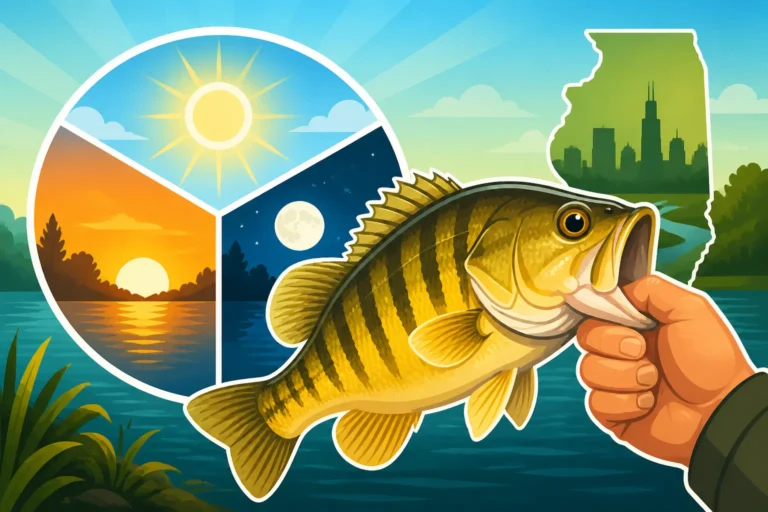
White crappie are primarily sight feeders, especially in clearer waters, but they also use their lateral line to detect vibrations from prey in murkier conditions. They tend to school up, particularly around submerged structure like brush piles, fallen trees, dock pilings, and bridge abutments. During the day, they often suspend at various depths, frequently relating to the thermocline in deeper lakes during warmer months. As dusk approaches and into the night, they might move shallower to actively feed.
This movement pattern is key. If you're fishing a deep lake like Lake Shelbyville or Clinton Lake, you might find them holding tight to timber during the day, waiting for an easy meal to swim by. Later, as the sun dips, they could move up to the weed edges or even shallow flats to chase minnows. Knowing where they are likely to be at different times helps you present your bait in the strike zone, increasing your chances of a hookup. It's not just about what you use, but where and when you use it.
Preferred Food Sources
At their core, white crappie are piscivores, meaning they primarily eat other fish. Small minnows, shad, and juvenile versions of other species are staples in their diet. However, they're also opportunistic feeders, not above snatching up insects, small crustaceans, and even zooplankton, especially when they are young or larger forage is scarce. This varied diet is why both live bait and artificial lures can be incredibly effective.
Think about a crappie nestled deep in a brush pile. A lively minnow swimming just above its head is an irresistible target. But if that minnow isn't available, a tiny jig mimicking a wounded baitfish or an insect falling through the water column can be just as enticing. The size of their mouth also dictates bait choice; crappie have relatively small, paper-thin mouths, so giant lures are usually out. Keeping your offerings compact and bite-sized is a fundamental rule for white crappie. You can learn more about Illinois White Crappie: Where to Find Them in Spring to get a better sense of their habits in different areas.
Live Bait: The Timeless Choice for White Crappie
When it comes to putting crappie in the boat, live bait is often the first thing experienced anglers reach for. There's just something about the natural movement and scent that crappie can't resist. While it requires a bit more effort to procure and keep alive, the results often speak for themselves, especially on tougher fishing days.
Minnows: The Gold Standard
Without a doubt, minnows are the reigning champions of white crappie bait. Specifically, small fathead minnows or golden shiners are crappie magnets. Their natural swimming action and scent are hard to replicate with artificial lures, making them incredibly effective, particularly when fish are finicky or during slower periods. I’ve seen days when crappie completely ignored everything else, but couldn't resist a twitching minnow.
You can fish minnows in several ways. One popular method is suspending them under a small bobber, allowing them to swim naturally near submerged cover or along drop-offs. Another effective technique is to use a bare hook or a small jig head, allowing the minnow to slowly descend into brush piles or structure. Hooking them lightly through the lips or just behind the dorsal fin ensures they stay lively and present a natural profile. You can find convenient minnow buckets and aerators on platforms like Amazon to keep your bait fresh and active throughout your trip.
Worms and Other Naturals
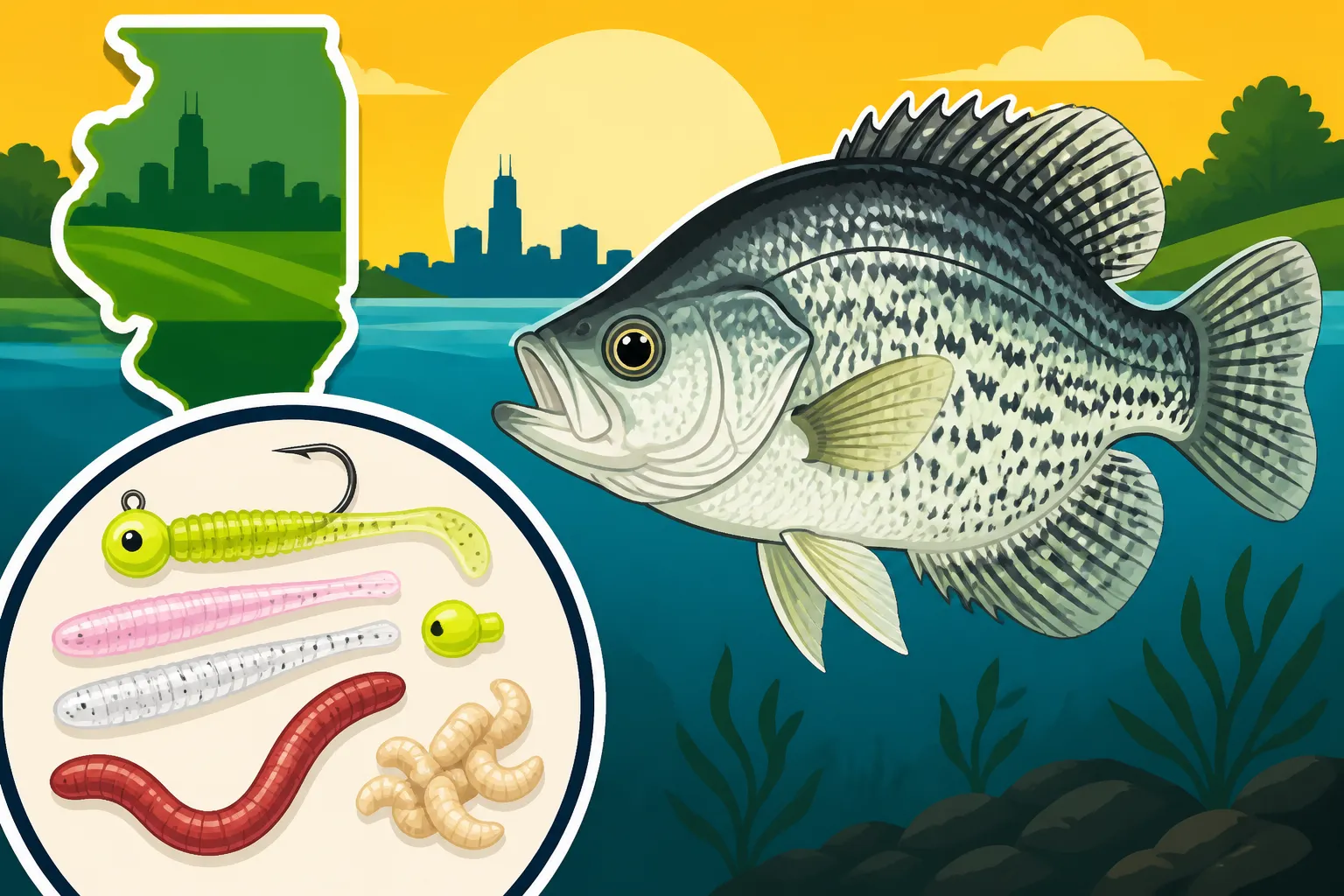
While minnows get most of the glory, don't overlook other natural offerings. Small red worms, wax worms, or even mealworms can be surprisingly effective for white crappie, especially if minnows aren't readily available or if you're targeting crappie that might be feeding on insects. These baits are particularly good when paired with ultralight tackle and fished slowly.
Consider a spring day where crappie might be staging in shallower water, feeding on invertebrates disturbed by recent rains. A small piece of a red worm on a tiny jig head, slowly jigged near emergent vegetation, can be deadly. Crappie aren't always looking for a big meal; sometimes, a small, easy snack is all it takes. These baits are also fantastic for introducing kids to fishing for panfish, as they are easy to handle and often yield quick bites. For a broader look at what works, check out Best Bait for Crappie Fishing.
Rigging Live Bait Effectively
The way you present your live bait can make all the difference. For minnows, a simple hook (size 4 or 6, a fine-wire Aberdeen hook works great to prevent tearing their delicate mouths) and a split shot a foot or so above it is a classic setup. A small bobber, often a slip bobber for depth control, completes the rig, allowing the minnow to hover at the ideal depth. For deeper water or vertical jigging, a bare hook with a minnow can be dropped directly into the structure.
When using worms or other small baits, a tiny jig head (1/32 oz or 1/64 oz) is usually preferred over a bare hook and split shot. The jig head provides a little more weight for casting and allows for better control when slowly "jigging" the bait. Remember, crappie have a very soft mouth, so a gentle hook set and steady pressure are key to not tearing the hook out. This is especially true when fishing around submerged timber where you don't want to muscle the fish.
Artificial Lures: Modern Tactics for White Crappie
While live bait often excels, artificial lures offer incredible versatility, convenience, and the ability to cover more water. The evolution of crappie lures means there's an artificial option for almost any situation, whether you're actively searching for fish or pinpointing them in structure.
Jigs: Versatility in Small Packages
Jigs are arguably the most versatile artificial lure for white crappie. From tiny hair jigs to soft plastic bodies, they come in an endless array of colors, sizes, and styles. The key to jig fishing is finding the right weight and presentation to match the crappie's mood and depth. A 1/16 oz or 1/32 oz jig head paired with a 1-2 inch soft plastic grub or tube is a fantastic starting point.
Imagine you're on Rend Lake, targeting those early spring crappie around emergent grass beds. A chartreuse or white curly-tail grub on a 1/16 oz jig head, slowly retrieved or gently jigged near the cover, can be incredibly effective. The subtle action of the tail as it falls is often all it takes to trigger a strike. For fishing vertical structures like bridge pilings, a heavier jig head might be needed to get down quickly, and a slow, steady fall is often what crappie respond to. There are specialized Crappie Jigging Techniques that can really make a difference. Many anglers stock up on a variety of jig heads and soft plastic bodies from online retailers like Amazon to ensure they have the perfect match for any water condition.
Spinnerbaits and Crankbaits
While less common than jigs, micro spinnerbaits and tiny crankbaits can be highly effective, especially when crappie are active and scattered. Small "roadrunner" style spinnerbaits, which combine a jig head with an underspin blade, offer flash and vibration that can attract crappie from a distance. These are great for covering water quickly and searching for active schools.
Tiny shallow-diving crankbaits, mimicking small minnows, can also be productive, particularly in open water or along weed lines. The key here is to match the lure's size and action to the natural forage and to retrieve it at a speed that draws attention without being too aggressive. This is often a go-to choice when you're on a larger body of water, perhaps casting from a boat, and need to cover a lot of territory to locate fish. Don't forget that different species have different preferences, so it's good to know Black Crappie vs White Crappie: How to Tell Them Apart to fine-tune your approach.
Soft Plastics and Tubes
Soft plastics are a staple in any crappie angler's tackle box due to their incredible versatility and realistic action. Grub tails, tube baits, and tiny minnow imitations are all deadly on white crappie. The beauty of soft plastics is that they can be fished in countless ways: cast and retrieved, vertically jigged, or even trolled. The subtle pulsations of a soft plastic tail as it moves through the water can be incredibly enticing.
Consider fishing a tube bait in a brush pile on Lake of Egypt. The slow, spiraling fall of a small tube, especially in a natural color like smoke or pumpkinseed, perfectly mimics a distressed baitfish or a crayfish. Similarly, a tiny swimbait imitation on a jig head can be worked along channel edges or submerged humps to entice actively feeding crappie. Experiment with different colors and shapes to see what the fish are keying in on that day. Carrying a variety of soft plastics from brands available on Amazon can ensure you're prepared for whatever the crappie are biting.
Seasonal Considerations for White Crappie Bait
The crappie's behavior, and therefore the best bait and presentation, changes dramatically with the seasons. What works in the frigid depths of winter might be completely ineffective during the bustling spring spawn. Adapting your strategy is vital for consistent success.
Spring Spawn Strategies
Spring is prime time for white crappie fishing in Illinois. As water temperatures rise into the 50s and 60s, crappie move from deeper wintering holes into shallower water to spawn. This is when they become highly concentrated and aggressive, making them easier to catch. During the pre-spawn, they might be staging on secondary points or creek channel edges, gorging themselves before moving to the actual nesting areas.
When the spawn is in full swing, crappie will be in very shallow water, often less than 5 feet deep, around submerged brush, cattails, lily pads, or other vegetation. This is when small minnows under a bobber are incredibly effective, as are tiny jigs (1/32 oz to 1/16 oz) with bright soft plastics. Chartreuse, pink, and white are often killer colors. A slow, steady retrieve or a gentle twitch-pause motion is usually all it takes to get a bite. Focus on areas where you can visibly see structure or even spawning beds. Knowing the Illinois Crappie Spawn Season Guide for your specific region will give you a huge advantage.
Summer and Fall Adaptations
As summer heats up, white crappie often retreat to deeper, cooler water, relating to structure like deep brush piles, timber, and the thermocline. This means adjusting your presentation to get your bait down to them. Vertically jigging minnows or small jigs directly into cover becomes a primary tactic. Spider rigging, where multiple rods are deployed from a boat, each with a different bait or depth, is also popular for covering water and finding active fish.
Fall sees crappie moving shallower again as water temperatures drop and they begin to feed heavily in preparation for winter. They might be found around drop-offs, creek channels, and submerged humps, chasing schools of baitfish. Trolling small crankbaits or jigs can be very effective for locating these scattered schools. As the season progresses, they'll eventually return to their deeper wintering grounds. Learning How to Catch Crappie From a Boat can be particularly useful during these periods of scattering.
Winter Crappie Challenges
Winter crappie fishing requires patience and a subtle touch. Crappie become less active in cold water, often schooling tightly in deep channels, under docks, or suspended over deep water. Their metabolism slows, so they are less likely to chase fast-moving baits. Ice fishing for crappie in Illinois is a popular winter activity, but even open-water winter fishing demands precision.
The best baits for winter crappie are usually small, subtle, and presented slowly. Tiny jigs (1/64 oz to 1/80 oz) tipped with a single wax worm, a piece of a minnow, or a micro soft plastic become deadly. Dead sticking a minnow, where it's kept almost motionless at a specific depth, can also be highly effective. The key is to fish slowly, patiently, and precisely in known crappie wintering holes. Even a slight current or boat movement can impart enough action to a tiny jig. For more seasonal insights, check out Best Time of Year to Catch Crappie in Illinois.
Here's a quick comparison of popular crappie baits:
| Bait Type | Pros | Cons | Best Use |
|---|---|---|---|
| Live Minnows | Natural scent and action; often irresistible to crappie. | Require aeration/care; can be fragile; may attract unwanted species. | Finicky fish, slow bite, deep water, early spring. |
| Soft Plastic Jigs | Versatile, durable, wide color range, no refrigeration needed. | No natural scent (unless enhanced); requires active retrieval/jigging. | All seasons, covering water, specific depths, various structures. |
| Hair Jigs | Subtle, natural movement; excellent for cold water and clear conditions. | Can be less flashy than plastics; may require more technique. | Clear water, cold water, light bite, vertical jigging. |
| Tube Baits | Spiraling fall action; good for mimicking crawfish/baitfish. | Can get snagged easily in heavy cover; less action on slow retrieves. | Pitching into brush piles, slow falls, light jigging. |
| Small Crankbaits | Covers water quickly; strong vibration/flash for active fish. | Can be too aggressive for less active crappie; prone to snags. | Searching for active fish, open water, trolling, fall feeding frenzies. |
| Wax Worms/Red Worms | Natural scent; great for panfish; easy to store. | Small bait, may only catch smaller crappie; can come off hook easily. | Light tackle, slow retrieves, winter, ice fishing, kids fishing. |
No matter which bait you choose, remember that crappie fishing is often about patience and presentation. Pay attention to what the fish are telling you on any given day, and don't be afraid to switch up your baits or techniques. The most successful anglers are those who can adapt.
Disclaimer
This article is for general informational purposes only and does not constitute professional advice. Laws, prices and regulations vary by location and change over time. Consult a qualified professional for guidance on your specific situation.