Best Live Bait for Flathead Catfish
There’s nothing quite like the thrill of feeling that heavy, thumping fight on the end of your line, knowing it’s a big flathead catfish. But let's be honest, getting these elusive monsters to bite can be incredibly frustrating if you're not using the right approach. Many anglers spend hours with cut bait or artificials, wondering why they're only catching channel cats when they’re after the flathead. This guide is here to unravel the mystery and show you precisely how to choose, source, and rig the best live bait to entice those trophy flatheads in Illinois waters.
Why Live Bait is Non-Negotiable for Flathead Catfish
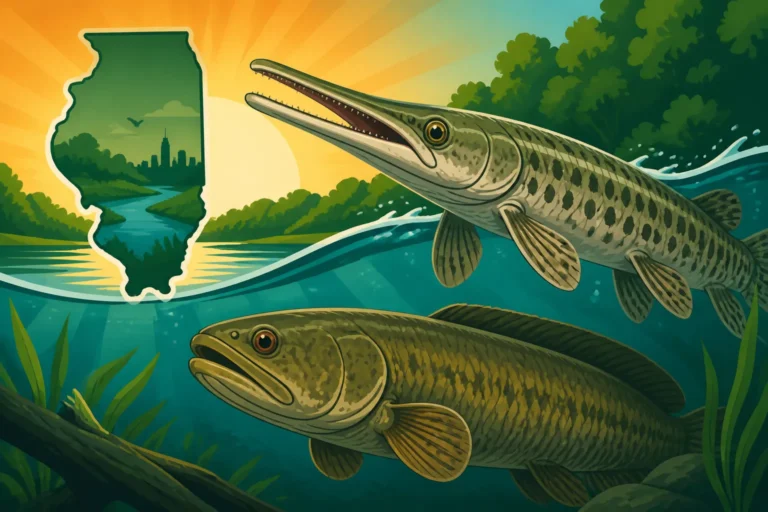
Flathead catfish are truly unique among their whiskered cousins. Unlike channel catfish or blue catfish, which are often opportunistic scavengers that readily hit cut bait, stink bait, or even chicken livers, flatheads are apex predators. They're built for the hunt, preferring to ambush live prey, and their diet primarily consists of active, struggling fish. This isn't just a preference; it's a fundamental part of their biology and hunting strategy. If you're serious about targeting flatheads, especially the bigger ones that lurk in the depths of our rivers and reservoirs, you absolutely need to commit to live bait.
Think about it from a flathead's perspective. It's a territorial, often solitary hunter that will stake out prime ambush points—like logjams, deep holes, or underwater structure. When a lively fish swims by, presenting a natural and enticing meal, that's when the flathead springs into action. A static piece of cut bait, while it might attract a channel cat looking for an easy meal, simply doesn't trigger the same predatory instinct in a flathead. Using live bait dramatically increases your chances of getting a strike from one of these powerful, hard-fighting fish. It's the difference between hoping for a bite and actively appealing to their primal hunting urges.
Top Live Baits That Flatheads Can't Resist
When it comes to selecting live bait for flatheads, freshness and liveliness are paramount. You want baitfish that are active, healthy, and can put up a good struggle to attract attention. Different baitfish species have their own unique advantages, depending on where and when you're fishing.
Bluegill and Other Panfish
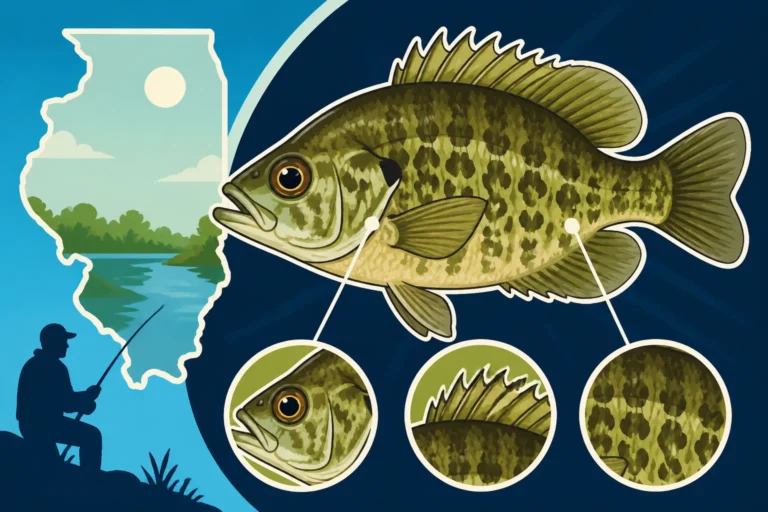
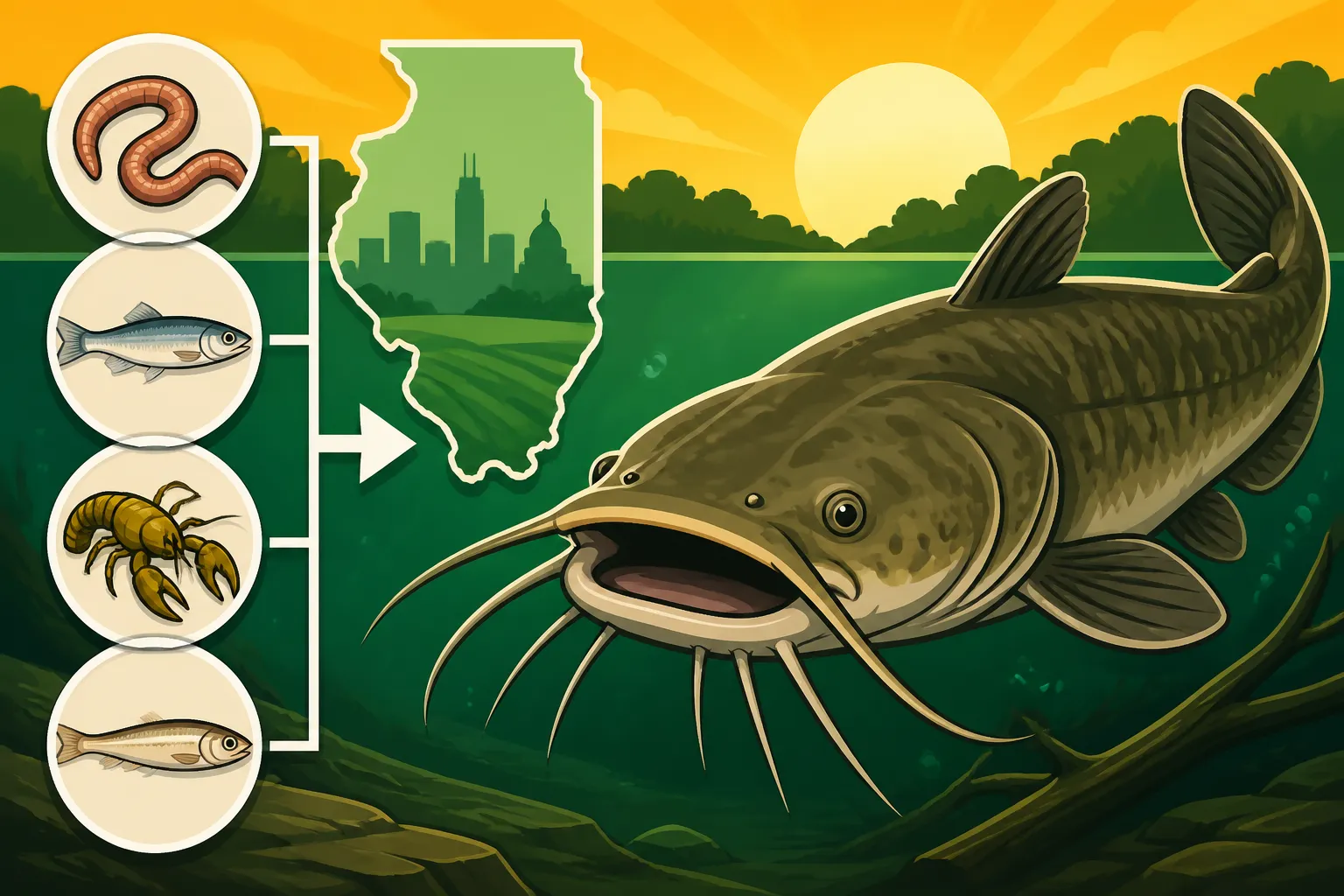
Bluegill are often considered the gold standard for flathead bait, and for good reason. They're hardy, readily available in most Illinois waters, and they put up a fantastic struggle on the hook, sending out those irresistible distress signals that flatheads zero in on. Plus, they're a natural part of a flathead's diet in many lakes and rivers.
When choosing bluegill, aim for a size that's appropriate for the flatheads you're targeting. For average flatheads (say, 5-20 pounds), bluegill in the 4-6 inch range work great. If you're really trying to tempt a monster, don't be afraid to go larger, even up to 8 inches. The key is to keep them alive and kicking. You can often catch your own bluegill with a small hook and a piece of worm or even bread, making them a cost-effective option. Just remember to check your local regulations for Illinois Flathead Catfish Daily Limit Rules and baitfish collection restrictions before you start.
Shad
Gizzard shad and threadfin shad are absolute dynamite for flatheads, especially in larger rivers and reservoirs like the Mississippi, Illinois, or the Big Three lakes (Rend, Shelbyville, Carlyle). They are schooling fish that flatheads regularly prey upon. Their high oil content also releases an appealing scent trail that can draw flatheads from a distance. The challenge with shad is keeping them alive, as they are notoriously fragile compared to bluegill.
If you can keep shad lively, they are incredibly effective. Their frantic swimming action on the hook is hard for a flathead to ignore. Anglers often catch shad using cast nets, particularly in warmer months when they congregate in shallow coves or near current breaks. Transporting them requires a good aerated bait tank to maintain water quality and oxygen levels. You might find excellent bait tanks and aerators available on platforms like Amazon that can make keeping shad viable. For insights on where to target these powerful fish, check out Mississippi River Catfish Spots in Southern Illinois or Illinois River Fishing Spots Near Peoria.
Carp and Suckers
Small common carp or silver carp, as well as various sucker species (like creek chubs or golden shiners), can be phenomenal flathead baits, especially for targeting truly massive fish. These baitfish are generally tough and can withstand being on a hook for a long time, making them ideal for long waits or strong currents.
Carp and suckers are often found in the same river systems as flatheads, making them a natural food source. Their larger size means they appeal to the biggest flatheads in the system. While not as common in smaller ponds, you can often find smaller carp in rivers or even shallow backwater areas. Larger suckers can sometimes be purchased from bait shops or caught using specialized traps or small nets. Just like with bluegill, match the bait size to the trophy size you're after. A 10-12 inch carp might seem huge to us, but it’s a perfect snack for a 50-pound flathead.
Bullheads
While not always the first choice, smaller bullheads (especially black or yellow bullheads) can be surprisingly effective for flatheads, particularly in murky water conditions or systems where bullheads are abundant. They are incredibly tough and can stay alive for extended periods, even in less-than-ideal water conditions.
The key with bullheads is size and presentation. You want smaller bullheads, typically 4-7 inches. Their spiny fins can be a deterrent, so some anglers will clip the sharp tips off the pectoral and dorsal fins (use caution and proper tools) to make them easier for a flathead to swallow. This also helps them present a bit more naturally. Bullheads are also very resilient, making them a good choice if you're not able to replenish your bait often.
Sourcing and Keeping Your Live Bait Healthy
Successfully fishing with live bait for flatheads goes beyond just choosing the right species; it's about keeping them alive and lively until they hit the water. A dead or lethargic baitfish won't tempt a flathead nearly as well as a vibrant one.
Catching Your Own Bait
One of the most satisfying and often cost-effective ways to get live bait is to catch it yourself.
- Cast Netting: For shad, this is your primary method. Look for schools in shallow, calm areas, especially near boat ramps, docks, or current breaks in rivers. A good 6-foot cast net can be a real game-changer.
- Rod and Reel: Bluegill, small carp, and suckers can easily be caught on light tackle with small hooks. Use worms, corn, or tiny pieces of dough bait. Focus on areas with plenty of panfish activity like submerged brush or weed lines.
- Minnow Traps: These can be effective for catching smaller baitfish like minnows, which can in turn be used to catch larger baitfish.
Always check local Illinois Department of Natural Resources (IDNR) regulations regarding baitfish collection. There are often rules about species, size, and quantity, as well as where you can collect them. For example, some waters may prohibit the use of certain baitfish caught elsewhere to prevent the spread of disease or invasive species.
Transporting and Storing Live Bait
Once you have your bait, keeping it alive is crucial.
- Aerated Bait Tank: This is non-negotiable for serious live bait anglers. A good bait tank with a strong aerator keeps the water oxygenated, which is vital for the health of your baitfish. Look for models with filters to remove waste and debris. You can find a wide range of portable aerators and bait buckets on Amazon, from simple battery-powered options to more robust models for larger tanks.
- Water Temperature Control: Drastic temperature changes can shock and kill baitfish. Try to keep the bait tank water close to the temperature of the water you collected them from, and certainly not too warm. In hot weather, you might need to add frozen water bottles (not ice directly, as it can contain chlorine) to keep the water cool.
- Water Changes: Regularly changing a portion of the water in your bait tank with fresh, conditioned water can help maintain water quality and remove ammonia buildup.
- Avoid Overcrowding: Don't put too many fish in a small bait tank. Overcrowding leads to rapid oxygen depletion and stress, quickly killing your bait. Give them room to swim.
Rigging Live Bait for Flatheads
The way you rig your live bait is almost as important as the bait itself. The goal is to present the bait naturally, keep it lively, and ensure a solid hookset when a flathead strikes.
Essential Terminal Tackle
- Hooks: When targeting flatheads, you need strong, sharp hooks. Circle hooks are overwhelmingly preferred by experienced flathead anglers. They are designed to hook the fish in the corner of the mouth, leading to fewer gut-hooked fish (which is better for the fish and your tackle retrieval) and a higher landing rate. Sizes typically range from 7/0 to 10/0, depending on the size of your bait and target fish.
- Line: Heavy mono or fluorocarbon leader (50-100 lb test) is often used to withstand the flathead's abrasive mouth and the heavy structure they often inhabit. Your main line should also be robust, with 20-50 lb test mono or braid being common. Remember, you're not just fighting the fish, but also potentially dragging it out of a logjam. Check out Heavy Tackle for Mississippi River Catfish in Illinois for more on robust setups.
- Sinkers: A slip sinker rig (also known as a Carolina rig for catfish) is ideal. It allows the line to run freely through the sinker after a bite, preventing the flathead from feeling resistance and dropping the bait. Use enough weight to hold your bait in place against current or wind, usually 1-4 ounces or more.
- Swivels: A high-quality barrel or SPRO swivel (rated for heavy test) placed between your main line and leader prevents line twist and acts as a stopper for your slip sinker.
Common Rigging Methods
-
Slip Sinker Rig (Carolina Rig for Catfish): This is the most popular and versatile rig for flatheads.
- Thread your main line through a slip sinker.
- Tie a heavy-duty barrel swivel to the end of your main line.
- Tie a 12-24 inch leader of heavy mono or fluorocarbon to the other end of the swivel.
- Attach your circle hook to the end of the leader.
- Hook your live bait (more on this below).
This rig keeps your bait near the bottom but allows the fish to pick up the bait and run without feeling the weight of the sinker. For more detailed instructions, see Catfish Bottom Fishing Techniques.
-
Float Rig (for shallower areas or specific structure): While less common for flatheads than bottom fishing, a float rig can be effective when flatheads are suspending near structure or feeding in shallower water at night.
- Use a large slip bobber that can support your bait and a small weight.
- Thread your line through the bobber, then add a bobber stop at your desired depth.
- Add a small weight (split shot or an egg sinker) to get the bait down.
- Tie on a swivel and a short leader to a circle hook.
- Hook your live bait through the back, allowing it to swim freely under the bobber.
Hooking Your Live Bait
The key is to hook the bait in a way that keeps it alive and active, without hindering its natural movement, and also allows for a good hookset.
- Through the Back: This is the most common method. Hook the baitfish just behind the dorsal fin, above the lateral line, taking care to avoid the spine. This allows the fish to swim naturally and stay lively.
- Through the Lips: If you're fishing in heavy current or want the bait to face into the current, hooking it through both lips (from the bottom up) can be effective. It keeps the bait in place and allows it to breathe.
- Through the Tail: Less common, but some anglers will hook through the base of the tail to make the bait swim erratically, mimicking an injured fish. Ensure you don't hit the spine.
Tips for Flathead Catfish Success Beyond the Bait
Having the best live bait is a huge advantage, but it's just one piece of the puzzle. Combining it with smart fishing strategies will truly elevate your success.
Location, Location, Location
Flatheads are ambush predators, meaning they'll hold in specific spots waiting for prey. Focus on:
- Heavy Cover: Logjams, fallen trees, brush piles, submerged stumps, and rocky outcroppings are prime flathead real estate. These offer concealment and current breaks.
- Deep Holes and Channels: In rivers, look for the deepest holes, bends in the river, and the edges of main channels. Flatheads often stage in these areas before moving into shallower feeding grounds.
- Current Seams: The transition zone between fast and slow current is a fantastic ambush point.
- Dam Tailwaters: The churning water below dams can be a magnet for flatheads as baitfish are often disoriented there.
Exploring river systems like the Mississippi or Illinois, or the deeper parts of our large reservoirs, will often put you in the right areas. Remember that Why Fishing Rules Vary by Lake and River applies to species behavior too, so adapt your approach based on the specific water you're on.
Time of Day and Season
While flatheads can be caught during the day, they are primarily nocturnal feeders. The best action often occurs from dusk through the night, especially during the warmer months of late spring, summer, and early fall.
- Night Fishing: This is when flatheads are most active and move out of their daytime lairs to hunt. Their excellent sense of smell and lateral line system allow them to hunt effectively in the dark.
- Summer: The warmest months typically offer the most consistent flathead action. For more on seasonal patterns, check out Illinois Catfish Season Guide and Best Catfish Bait for Summer River Fishing.
Patience and Proper Gear
Flathead fishing isn't about constant casting and retrieving. It often requires patience.
- Let the Bait Work: Once you've cast your rig to a promising spot, let it sit. Give your live bait time to swim around and attract attention.
- Rod Holders: Use sturdy rod holders designed for heavy tackle. When a big flathead hits, it can rip a rod right out of your hands.
- Heavy-Duty Tackle: As mentioned earlier, robust rods, reels, and line are essential. You're not sight-fishing for panfish; you're battling a potentially huge, powerful fish that will try to bury itself in structure. For more specialized techniques, consider reading about Catfish Trotline Setup Guide or Catfish Jug Fishing Techniques, though these require different gear and regulations.
Fight Smart
When a flathead hits, don't set the hook immediately with a circle hook. Let the fish take the bait and swim off with it, allowing the hook to properly rotate and catch in the corner of its mouth. Once the line comes tight and the rod loads up, then apply steady pressure. Be prepared for a powerful, dogged fight. Flatheads are notorious for trying to return to heavy cover, so you'll need to use your tackle to turn their head and steer them away from snags.
Conclusion
Targeting flathead catfish with live bait is an incredibly rewarding experience that demands a blend of knowledge, preparation, and patience. By understanding their predatory nature and committing to fresh, lively bait like bluegill, shad, carp, or bullheads, you're already halfway to success. Add to that the right rigging, strategic location choices, and fishing during their prime feeding times, and you’ll be well on your way to battling those hard-hitting, whiskered giants that Illinois waters are famous for. Get out there, put these tips to the test, and enjoy the thrill of the hunt!
Disclaimer
This article is for general informational purposes only and does not constitute professional advice. Laws, prices and regulations vary by location and change over time. Consult a qualified professional for guidance on your specific situation.