Best Gear for Bank Fishing
There's nothing quite like the simplicity and peace of bank fishing, but for many new anglers, or even seasoned boat anglers looking to simplify, figuring out the right gear for fishing from shore can feel a bit overwhelming. You want to be prepared without hauling a ton of heavy equipment, especially if you're hiking to a favorite spot. This guide is all about cutting through the noise and helping you assemble a practical, effective, and comfortable bank fishing setup so you can spend less time guessing and more time enjoying the waters of Illinois.
Building Your Foundation: The Rod, Reel, and Line Combo
When you're starting out with bank fishing, or even just looking to streamline your existing gear, the rod, reel, and line are your foundational pieces. You don't need a dozen different setups; a versatile combo can cover most situations you'll encounter along Illinois's lakes, rivers, and ponds. The key is finding a balance between power and sensitivity that lets you target various species without feeling under or over-gunned.
Choosing Your First All-Purpose Spinning Setup
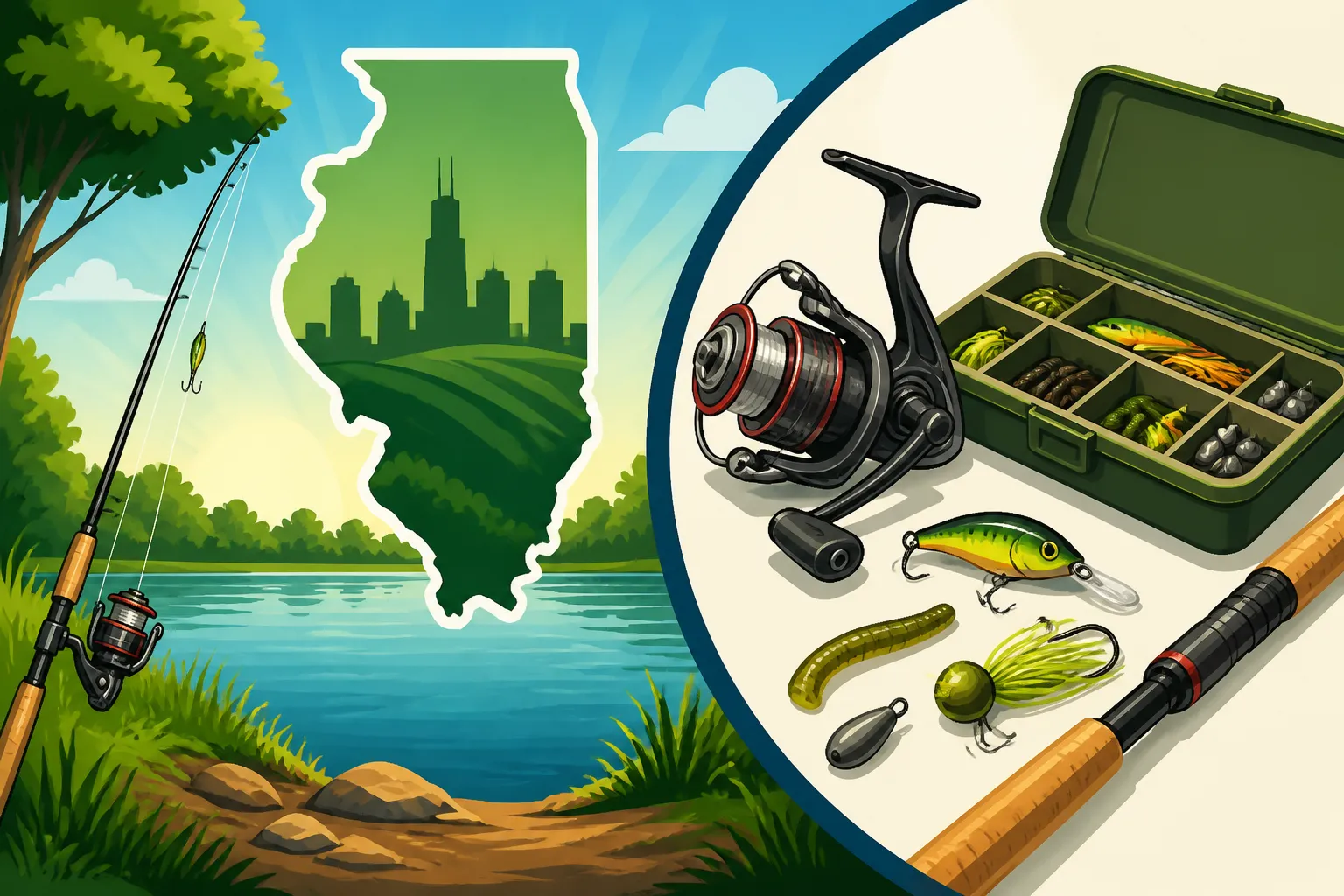
For most bank fishing scenarios in Illinois, a medium-light to medium power spinning rod is your best friend. Picture a rod that's around 6 to 7 feet long. This length gives you enough leverage for casting from shore, whether you're trying to reach a distant weed line or drop a bait gently near a dock, without being so long it's cumbersome to transport or maneuver in brushy areas. The medium-light or medium action offers a nice blend of backbone for fighting larger fish like bass or modest catfish, while still being sensitive enough to feel the subtle nibbles of crappie or bluegill. You can effectively fish for many different species with a single, well-chosen rod.
Pair this rod with a reliable spinning reel in a 2000 or 3000 size. Spinning reels are incredibly forgiving for beginners, minimizing frustrating tangles and backlash that can plague baitcasting setups. They're also wonderfully simple to operate, allowing you to focus on casting accuracy and presentation rather than complex reel adjustments. A good spinning reel will have a smooth drag system, which is crucial for letting fish run without breaking your line, protecting your rod, and ultimately helping you land more catches. Look for a combo that feels balanced in your hand; you'll be holding it for hours, so comfort is paramount. Many tackle shops and online retailers like Amazon offer excellent rod and reel combos that are perfectly suited for an all-around bank fishing experience.
Understanding Line Types for Bank Fishing Success
The fishing line might seem like a small detail, but it’s literally your connection to the fish, and choosing the right type can significantly impact your success. For a versatile bank fishing setup, you'll generally choose between monofilament, fluorocarbon, or braided line. Each has its own strengths and weaknesses.
Monofilament line is often the go-to for beginners due to its affordability and ease of use. It has a good amount of stretch, which acts as a shock absorber, helping to prevent hooks from tearing out of a fish's mouth and being more forgiving if your drag isn't perfectly set. However, that stretch can also make it harder to feel subtle bites, especially at longer distances. It also has more memory, meaning it can retain the coil shape from the reel, leading to more tangles over time. A 6-10 pound test monofilament is a great all-around choice for many Illinois species.
Braided line offers incredible strength for its diameter and almost no stretch, providing excellent sensitivity. You'll feel every bump and nibble, which can be a huge advantage when fishing for finicky species or in deep water from the bank. It casts a long way and is very durable, but it's more visible to fish and can be trickier to tie knots with. Many anglers pair braided line (10-20 lb test) with a short leader of fluorocarbon line, which is nearly invisible underwater, combining the best of both worlds. Fluorocarbon line is also a good main line option, offering low visibility and moderate stretch, but it can be a bit stiffer and more expensive. Consider what fish you're primarily targeting and the clarity of the water when making your choice. For a great resource on fishing line, check out Illinois Panfish Tackle Setup.
The Business End: Hooks, Sinkers, Baits, and Lures
Once you have your rod, reel, and line sorted, it's time to focus on the business end of your tackle. These are the components that actually present your bait or lure to the fish and help you bring them in. The beauty of bank fishing is that you don't need a massive array of specialized items; a few key pieces will get you started catching most popular Illinois species.
Essential Terminal Tackle: Connecting to the Fish
Your terminal tackle consists of the small but mighty items at the end of your fishing line. First up, hooks. You'll want a variety of sizes to match your bait and target species. For panfish like bluegill and crappie, smaller hooks (size 8 to 12) are ideal. For bass, catfish, or larger panfish, medium-sized hooks (size 1 to 4 or 1/0 to 3/0 for catfish) will serve you well. Popular types include J-hooks, which are versatile for most baits, and circle hooks, which are excellent for catfish as they typically hook the fish in the corner of the mouth, making for easier release and less harm to the fish.
Next, sinkers. These add weight to your line to help cast further and get your bait down to where the fish are. Split shot sinkers are small, easy to crimp onto your line, and perfect for light presentations or adding just a bit of weight above a hook. Egg sinkers or bullet weights slide freely on your line and are great for bottom fishing rigs, especially when targeting catfish or allowing your bait to drift naturally with the current. Carrying a small assortment of these in various weights will cover almost any bank fishing situation.
Lastly, bobbers are essential for many bank fishing styles, especially when fishing for panfish or suspending bait at a specific depth. Clip-on bobbers are simple and effective for shallower water, allowing for quick depth adjustments. For deeper water or more subtle presentations, slip bobbers are fantastic. They allow your line to slide through them until it hits a small stopper knot, letting you fish much deeper than your rod is long while still making casting manageable. For tips on specific species, check out How to Catch Crappie From the Bank or How to Catch Catfish From the Bank.
Go-To Baits and Lures for Illinois Banks
Choosing your bait or lure can sometimes feel like a puzzle, but for bank fishing, simplicity often reigns supreme. Starting with universal baits that appeal to a wide range of species will ensure you have a good chance of getting bites no matter where you cast.
Natural baits are often the easiest and most effective. Good old nightcrawlers (worms) are practically irresistible to almost every freshwater fish in Illinois, from bluegill to bass to catfish. They're readily available at bait shops, gas stations, and even some grocery stores. Corn is another fantastic, inexpensive bait, especially for panfish and carp. If you're targeting catfish, cut bait (pieces of shad, bluegill, or other oily fish) or chicken livers can be incredibly effective, emitting strong scents that draw them in. You can also find prepared baits designed specifically for catfish. For more on this, consider reading Best Bait for Channel Catfish From the Bank.
When it comes to artificial lures, start simple. Small jigs (1/16 to 1/8 ounce) tipped with a small plastic grub or a piece of live bait are deadly for crappie, bluegill, and even small bass. Small spinnerbaits or inline spinners are also excellent choices, creating flash and vibration that entice predatory fish. Soft plastics, like Texas-rigged worms or small swimbaits, can be very effective for bass. The key with artificial lures is learning how to present them effectively, which often means experimenting with retrieve speeds and depths until you find what the fish are biting on that day. These basic baits and lures can be easily purchased at your local tackle shop or through online retailers like Amazon.
Comfort and Practicality: Staying Prepared on Shore
Bank fishing is all about being present and enjoying nature, but a comfortable and practical setup can significantly enhance your experience. While a rod and reel get you catching fish, these often-overlooked items ensure your trip is enjoyable from start to finish.
Beyond the Rod: Essential Tools for a Smooth Trip
Don't underestimate the importance of a few key tools to make your bank fishing trip smoother and safer. First, a good pair of fishing pliers is non-negotiable. They're invaluable for safely removing hooks from fish, cutting line, and even crimping split shot. Trying to do these tasks with your bare hands can be frustrating and potentially dangerous. A multitool can also serve this purpose well.
Next, consider how you'll handle your catch. If you plan on keeping fish for a meal, a stringer is a simple and effective way to keep your fish alive and fresh in the water. Alternatively, a small cooler with ice can keep your fish chilled, especially on warmer days. This also doubles as a convenient way to bring snacks and drinks. And speaking of safety, a small, basic first-aid kit is a smart addition to any fishing bag. Minor cuts, scrapes, or hook pokes can happen, and having antiseptic wipes, bandages, and pain relievers can save the day. For more on what to carry, check out Shore Fishing Gear for Illinois Anglers.
Personal Comfort and Safety Gear
Sitting or standing on the bank for hours requires some thought about personal comfort and safety. A lightweight, portable folding chair can make a world of difference, allowing you to relax while waiting for a bite rather than perching uncomfortably on rocks or logs. Many models are compact and easy to carry with your other gear.
Protection from the elements is also crucial. A wide-brimmed hat and sunglasses will shield you from the sun's glare, making it easier to see your bobber and protecting your skin and eyes. Sunscreen is a must, even on cloudy days, to prevent sunburn. Depending on the season, bug spray can be a lifesaver, especially near water where mosquitoes and other biting insects are common. And perhaps most importantly, always bring plenty of water to stay hydrated, especially during warmer months. Dehydration can quickly turn a pleasant outing into a miserable one. These comfort items, while not directly related to catching fish, contribute immensely to your overall enjoyment and ability to stay on the water longer.
Organizing Your Bank Fishing Arsenal
One of the biggest advantages of bank fishing is its inherent simplicity, but even with minimal gear, staying organized is key to an enjoyable and efficient outing. Fumbling through a messy bag can waste precious fishing time and even lead to lost or damaged equipment. A well-organized setup ensures everything you need is easily accessible.
Smart Tackle Storage Solutions
For bank anglers, portability and accessibility are paramount when it comes to tackle storage. A bulky, heavy tackle box might be fine for a boat, but it's a nuisance when you're walking along a riverbank or through a park. Consider a compact tackle box or, even better, a fishing backpack. These backpacks are designed with multiple compartments, often including plastic utility boxes for hooks, sinkers, and lures, and larger pockets for tools, snacks, and other essentials. They distribute weight comfortably, leaving your hands free to carry your rod or navigate uneven terrain.
Another excellent option is a small shoulder bag or fanny pack for just the absolute essentials if you're really aiming for a minimalist setup or quick trips. The goal is to carry only what you genuinely need for the day's fishing, avoiding unnecessary weight and clutter. Keeping frequently used items like pliers, extra hooks, and a small container of bait in an easily reachable pocket means you spend less time digging and more time fishing. You can find a vast array of these organizational tools from reputable brands on Amazon or at your local sporting goods store. A well-stocked yet streamlined setup will make every bank fishing trip more pleasant. For general tackle advice, you might find Tackle Box Setup for Illinois Bass Anglers helpful.
Additional Gear for Specific Bank Fishing Situations
While your core gear will cover most bases, a few additional items can significantly enhance your experience in specific bank fishing scenarios. If you often find yourself fishing from higher banks or riprap, a small, collapsible landing net can be invaluable. It makes safely landing larger fish much easier, especially when you can't get close enough to the water's edge to grab them by hand. It also reduces the risk of dropping your fish or breaking your line during the final moments of the fight.
For anglers who practice catch-and-release, or who need to adhere strictly to Illinois's Illinois Fishing Season and Catch Limit Rules, a measuring tape and a small portable scale are incredibly useful. These allow you to quickly and accurately measure and weigh your catch, ensuring you comply with regulations and helping you track your personal bests. Remember, some species like bass and walleye often have minimum size requirements. Having a small towel on hand is also a great idea for drying your hands after handling fish or bait, or for wiping down gear. These small additions, while not strictly necessary for every trip, can elevate your bank fishing game and ensure you're fully prepared for whatever the Illinois waters throw your way.
| Gear Category | Essential Items for Bank Fishing | Why You Need Them |
|---|---|---|
| Rod & Reel | Medium-Light to Medium Spinning Combo (6-7 ft, 2000-3000 size) | Versatile for various species, easy to cast, good for beginners |
| Line | 6-10 lb Monofilament or 10-20 lb Braid with Fluorocarbon Leader | Balanced stretch, sensitivity, or low visibility options |
| Terminal Tackle | Assorted Hooks (size 12 to 1/0), Split Shot & Egg Sinkers, Clip-on & Slip Bobbers | To present bait/lures, reach desired depths, indicate bites |
| Baits/Lures | Nightcrawlers, Corn, Small Jigs, Inline Spinners | Appeal to a wide range of common Illinois fish species |
| Tools | Fishing Pliers, Small Stringer/Cooler, Basic First-Aid Kit | Safe hook removal, fish keeping, minor injury treatment |
| Comfort/Safety | Portable Folding Chair, Hat, Sunglasses, Sunscreen, Bug Spray, Water Bottle | Stay comfortable, protected from elements, hydrated |
| Storage/Org. | Fishing Backpack or Compact Tackle Box | Keep gear organized, easily transportable, hands-free |
| Optional Extras | Small Landing Net, Measuring Tape, Scale, Towel | Safely land bigger fish, verify regulations, maintain cleanliness |
Disclaimer
This article is for general informational purposes only and does not constitute professional advice. Laws, prices and regulations vary by location and change over time. Consult a qualified professional for guidance on your specific situation.