Best Fishing Conditions After a Front Passes
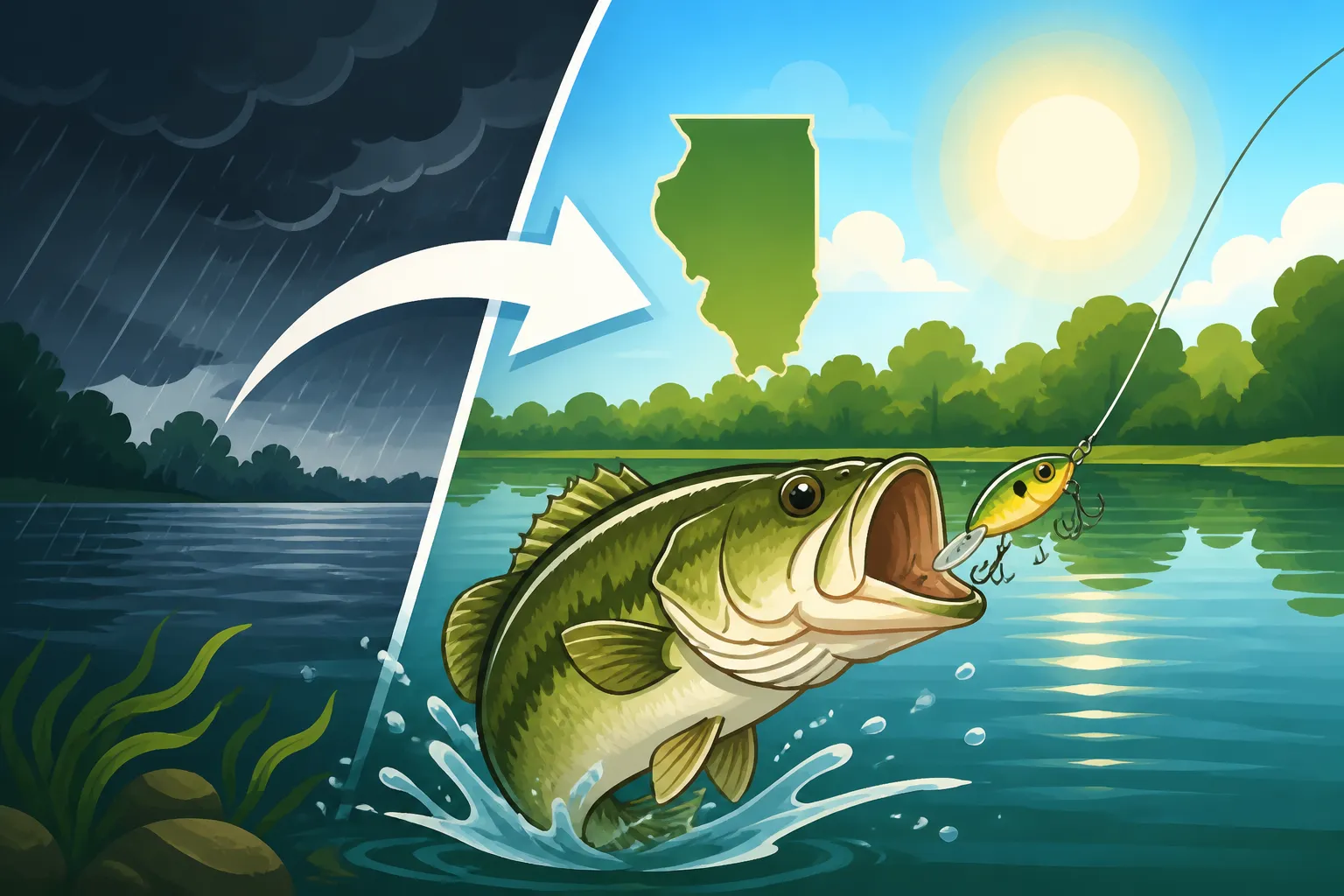
We've all been there: you've planned a fantastic fishing trip, watched the weather religiously, and then, bam! A cold front rolls through just before your lines hit the water. It can feel like all your hard work and anticipation vanish with the plummeting temperatures and clear skies. Fish seem to vanish, or worse, they're there, but they absolutely refuse to bite. It's frustrating to no end, but understanding what happens after a weather front passes and how to adapt your strategy can turn a potentially wasted trip into a surprisingly productive one. This guide will walk you through the nuances of fishing after a front passes in Illinois, helping you understand the changes and how to entice those finicky fish.
Understanding Weather Fronts and Their Immediate Impact on Fish
Weather fronts are essentially boundaries between two air masses of different temperatures and densities. When these air masses collide, they cause significant atmospheric changes that dramatically influence everything from barometric pressure to cloud cover and precipitation. For us anglers, these shifts are critical because fish, being cold-blooded creatures, are incredibly sensitive to their environment.
What is a Weather Front, Anyway?
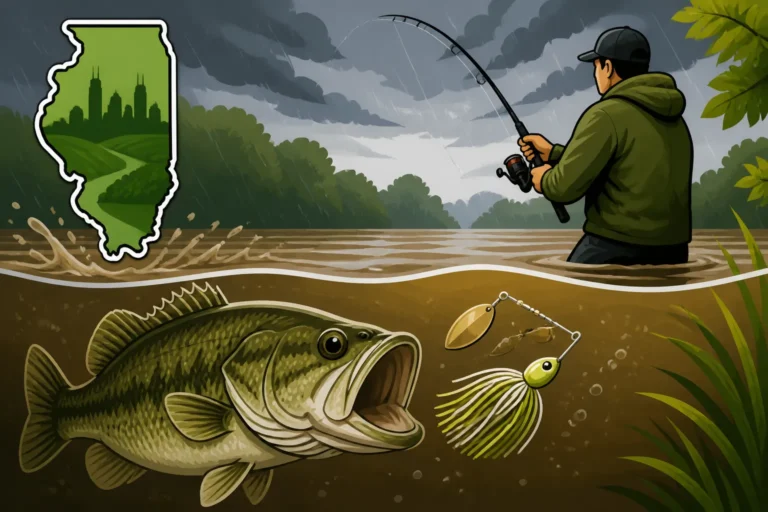
Think of a weather front as a battle line in the sky. When a cold front comes through, a mass of colder, denser air pushes into an area of warmer air. This often brings about a rapid drop in temperature, sometimes strong winds, and frequently a period of rain or storms just before and during the initial passage. After it moves through, the air is typically clearer, colder, and the barometric pressure rises. This rise in pressure is a huge factor for fish, often making them feel uncomfortable.
On the flip side, a warm front is when a warmer, less dense air mass moves over and replaces a colder air mass. These fronts generally move slower and bring more gradual changes. You might see a slow build-up of clouds, light precipitation, and a steady increase in temperature. After a warm front passes, temperatures remain higher, and skies might clear or stay partly cloudy, with more stable or slowly dropping barometric pressure. The impact on fish is generally less drastic than a cold front, but still noteworthy. Understanding Does Barometric Pressure Affect Fishing? is key here, as it's one of the most immediate and profound influences on fish behavior.
The Initial Shock: Why Fish Get Lockjaw Right After a Front
The period during and immediately after a strong front passes is often the toughest time to fish. The reasons are primarily environmental:
- Barometric Pressure Changes: This is arguably the biggest culprit, especially after a cold front. Fish have a swim bladder that helps them regulate buoyancy. Rapid changes in barometric pressure, particularly a sharp rise after a cold front, can put immense pressure on this organ. Imagine suddenly feeling like you're being squeezed – you wouldn't be in the mood to chase down a meal either! This discomfort often sends fish deeper, where the pressure changes are less abrupt, or causes them to simply hunker down and conserve energy.
- Temperature Swings: A sudden drop in water temperature, which often accompanies a cold front, can slow down a fish's metabolism. They become less active, their digestive processes slow, and their need to feed decreases. This is especially true for warm-water species like bass and crappie.
- Water Clarity and Current: Heavy rains associated with fronts can churn up sediment, making the water muddy and reducing visibility. While some fish, like catfish, thrive in murky water, many sight-feeding species find it harder to hunt. Strong currents can also displace baitfish and make it difficult for predator fish to hold their position and ambush prey.
- Light Penetration: Post-cold front conditions often mean clear, sunny skies. While this sounds pleasant to us, for many fish, especially those in shallower water, bright sunlight makes them feel exposed to predators from above (like birds of prey). They'll seek deeper cover, heavy shade, or suspend in deeper water column to avoid the harsh light.
This initial "shock" phase can last anywhere from a few hours to a full day or two, depending on the severity of the front and how quickly conditions stabilize. During this time, patience is your best friend, along with a willingness to adjust your tactics dramatically.
The Recovery Period: When Fish Start Biting Again
The good news is, fish don't stay in lockjaw mode forever! As the environment begins to stabilize, fish gradually start to adjust and resume their normal feeding patterns. The key is knowing when that recovery period begins and what signals it.
The Importance of Stabilizing Pressure
Once a front has passed, the barometric pressure, particularly after a cold front, typically stabilizes. It might remain high, but it's the stability rather than the absolute reading that often triggers fish to become more active. When the pressure levels out, fish can re-adjust their swim bladders and feel more comfortable moving around and feeding. This stabilization often takes 12-24 hours after the initial frontal passage, sometimes longer after a particularly strong system.
During this period of stable pressure, fish that were previously hiding deep or suspended often begin to move horizontally, patrolling structure or finding more comfortable feeding grounds. While they might not be as aggressive as they were pre-front, they become catchable. Keep an eye on the forecast, not just for the immediate weather, but for the trend in barometric pressure readings. A consistent reading, whether high or moderate, is usually better than wildly fluctuating ones.
Water Temperature and Clarity Post-Front
Beyond pressure, water temperature and clarity also play significant roles in the post-front recovery.
- Temperature: After a cold front, water temperatures will naturally drop. However, the critical factor is often not the initial drop, but whether the temperature stabilizes or continues to fall rapidly. Once the water temperature finds a new, stable level, fish adapt. They might move to deeper, more thermally stable areas or seek out pockets of slightly warmer water, such as shallow flats that receive direct sunlight for a longer period. For instance, in early spring or late fall, a sunny afternoon after a cold front can warm up dark bottom areas, making them prime spots for bass or crappie. Remember, How Water Temperature Affects Fish Activity is a fundamental concept in fishing, and never more so than after a weather change.
- Clarity: If the front brought heavy rains and churned up the water, clarity will be an issue. However, once the rain stops and currents settle, the water will slowly begin to clear. This can be a gradual process, but as clarity improves, sight-feeding fish will become more confident in hunting. In highly stained or muddy conditions, you'll want to focus on baits that create vibrations or strong scents to help fish locate them, or seek out areas where clearer water might be entering (like upstream of a mud line or in backwater areas that haven't received as much runoff).
The best post-front fishing conditions typically arise when the barometric pressure has stabilized, and water temperatures, while perhaps cooler, have also settled into a consistent range. This is when fish can shake off the "hangover" from the frontal passage and start thinking about their next meal.
Best Strategies for Fishing After a Cold Front
Cold fronts are notoriously the toughest on fishing, but they're not impossible to crack. It just requires a shift in mindset and tactics. Forget about fast, aggressive presentations, at least initially.
Locating Fish After a Cold Front
Your first task is to find the fish. They've likely moved, and probably deeper, in response to the pressure and temperature changes.
- Go Deep: This is almost always the golden rule after a cold front. Bass, crappie, and walleye will often retreat to deeper drop-offs, submerged timber, channel edges, or the deepest parts of available cover. For example, if you were catching bass on shallow points pre-front, look for them to have moved to the base of those points or into the nearest deep creek channel. Using electronics, like a good fish finder you might find on Amazon, can be incredibly helpful here. You're looking for suspended fish or those tightly schooled up against deep structure. Check out Fish Finders for Illinois Lake Fishing for more insights on how these tools can assist you.
- Look for Vertical Cover: Trees, bridge pilings, steep rock bluffs, or deep docks provide vertical access for fish to move up and down in the water column as they adjust to pressure. They can sit deep but quickly move up to ambush prey if an opportunity arises.
- Isolated Cover is Key: Fish that are stressed tend to seek out heavy, isolated cover. A single submerged log, a small brush pile, or a rock pile in otherwise barren deeper water can hold a significant number of fish. They want to feel secure and have a place to conserve energy.
- Warmer Pockets (if applicable): In cooler weather, shallow, dark-bottomed coves or bays that get direct sunlight for hours can warm up a degree or two, making them attractive to sluggish fish. However, this is more common in spring or fall; in summer, deeper water is almost always preferred.
Lure and Presentation Adjustments
Once you've located the fish, how you present your bait is paramount. "Slow and subtle" is the mantra for How to Catch Bass After a Cold Front and many other species.
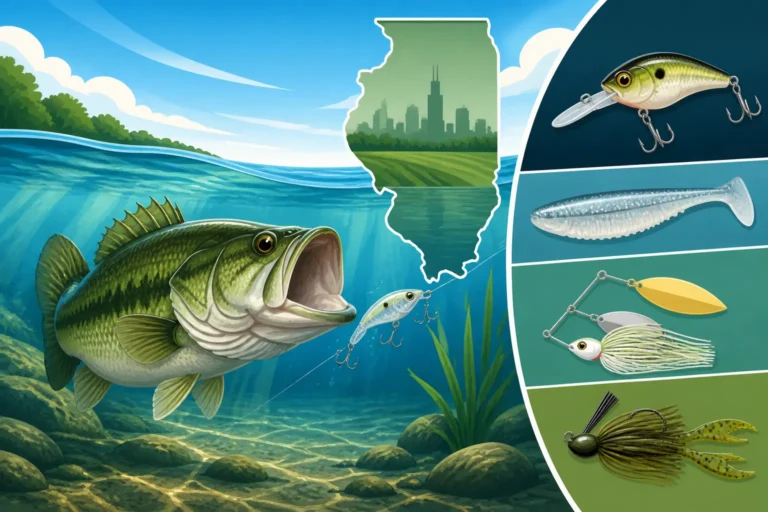
- Downsize and Slow Down: This cannot be stressed enough. Large, fast-moving baits will often be ignored. Opt for smaller jigs, Ned rigs, shaky heads, drop shots, or small swimbaits. Present them slowly, letting them sit on the bottom for extended periods. A finesse worm on a shaky head, slowly dragged or barely hopped, can often provoke a strike when nothing else will.
- Finesse Tactics Reign: Techniques like drop-shotting allow you to present a bait right in a fish's face while keeping it suspended at their depth. The bait has natural action with minimal angler input, which is perfect for lethargic fish.
- Neutral Colors: In clear, post-front conditions, natural, muted colors (greens, browns, clear, watermelon) often perform better than bright, flashy ones. If the water is still stained, don't be afraid to try some darker blues or black-and-blue combinations.
- Scent is Your Friend: Adding a scent to your lures can make a huge difference. If a fish is not actively feeding but is still curious, the added scent might be just enough to trigger a bite, even if they mouth the bait rather than aggressively strike it. Many companies offer sprays or gels that can be applied to soft plastics.
- Less is More: Keep your casts quiet, avoid loud noises in the boat, and use lighter line if possible. Stressed fish are easily spooked. For bass, a subtle jig pitched into cover, or a slow-rolled spinnerbait (if they're slightly more active), could work. For crappie, a tiny jig under a slip bobber or a very slow vertical jigging presentation is often effective. These Cold Front Fishing Techniques are crucial for success.
| Condition Feature | Pre-Front (Stable/Rising Pressure) | Post-Cold Front (High, Stable Pressure) |
|---|---|---|
| Barometric Pressure | Stable or slowly falling/rising | Sharp rise, then stable and high |
| Fish Activity | Highly active, aggressive feeding | Lethargic, deeper, less aggressive |
| Preferred Depth | Shallow to mid-depth, active prey | Deeper water, tight to cover, suspended |
| Water Temperature | Stable or warming | Dropping, then stable but cooler |
| Water Clarity | Varies, often good | Can be clear (after rain) or muddy |
| Best Lure Size | Larger, flashy | Smaller, finesse |
| Presentation | Fast, erratic, aggressive | Slow, subtle, deliberate, patient |
| Target Areas | Points, flats, shallow cover | Deep breaks, channel edges, heavy cover |
Tackling Warm Front Aftermath
While cold fronts are the typical villain, warm fronts can also throw a wrench in your plans, though usually not as severely. The changes are often more gradual, and fish tend to remain more active.
How Warm Fronts Differ in Their Impact
Warm fronts bring warmer air, which can cause surface water temperatures to rise, especially in shallower areas. Barometric pressure tends to fall or remain stable as a warm front approaches and passes, which can actually be good for fishing. However, they often bring clouds and light, prolonged rain.
The main challenge with a warm front might be:
- Extended Periods of Rain: While a light drizzle can sometimes improve fishing by softening the light and washing in nutrients, heavy, continuous rain can muddy up water and raise water levels dramatically.
- Dispersed Fish: With warming water and stable pressure, fish might become more dispersed across a wider area, making them harder to pinpoint than when they're concentrated after a cold front. They might be anywhere from shallow flats to deeper points, following baitfish.
- Initial Overcast Conditions: While a blessing for some, prolonged low light can make some species, like walleye, even more nocturnal, requiring you to adjust your Best Time of Day to Catch Crappie or other species.
Tactics for Warmer Post-Front Conditions
After a warm front has passed, and if the weather settles into stable, warmer conditions, fish are generally more active and willing to chase baits.
- Focus on Baitfish: With warmer water, baitfish become more active and spread out. Predatory fish will follow. Look for signs of baitfish activity—shiners skipping on the surface, nervous schools on your electronics, or even subtle ripples.
- Cover All Depths: Unlike cold fronts where deep is often the default, a stable, warmer post-front period means fish could be anywhere. Start by checking key transition areas—the edges of shallow flats, points leading into deeper water, and submerged humps. Fan-cast to cover different depths.
- Vary Your Retrieve: Start with a moderate retrieve and be prepared to speed it up or slow it down based on how fish are reacting. If fish are hitting aggressively, don't be afraid to use faster presentations. If you're getting short strikes, slow it down and try a pause-and-go.
- Experiment with Lures: Warmer water often means more choices in your tackle box. Crankbaits, spinnerbaits, jerkbaits, and even topwater lures can be effective. If the water is still stained from rain, Post-Rain Fishing Techniques often involve using brightly colored or noisy baits. If the water is clearing up, natural colors might be better.
- Consider Night Fishing: Especially in warmer months, after a warm front, stable night conditions can be incredibly productive. Fish often move shallower under the cover of darkness to feed aggressively without fear of predators or bright light.
Essential Gear and Patience for Post-Front Fishing
Success after a front passes isn't just about knowing where and how to cast; it's also about having the right tools and, perhaps most importantly, the right attitude.
Must-Have Gear for Tough Conditions
When conditions are challenging, your gear can make a real difference in detecting subtle bites and making precise presentations.
- Sensitive Rods: A medium-light or medium action rod with a fast tip is invaluable. This allows you to feel the slightest tap from a sluggish fish that might only be mouthing your bait. Graphite rods are generally more sensitive than fiberglass. Many excellent options are available, and you can find a wide range of sensitive rods on Amazon that suit different budgets. Best Rods for Illinois Largemouth Bass often discusses sensitivity in detail, which applies here.
- Light Line: Whenever possible, use lighter monofilament or fluorocarbon line. It's less visible to wary fish in clear water and offers better sensitivity. For finesse techniques, fluorocarbon's low stretch and abrasion resistance are a big advantage.
- High-Quality Reels: A smooth drag system is crucial, especially when using light line and targeting larger fish. A good reel ensures you can fight a fish effectively without breaking off.
- Tackle Organization: Having your tackle organized allows you to quickly switch between presentations and colors without fumbling. A well-stocked tackle box with a variety of jigs, soft plastics, and weights for finesse fishing is a must.
- Depth Finder/GPS: As mentioned before, finding fish that have moved deep or concentrated on specific structures requires good electronics. A reliable depth finder helps you identify drop-offs, humps, and submerged cover. GPS capabilities allow you to mark productive spots and return to them easily.
The Unsung Hero: Patience and Observation
More than any specific lure or technique, patience and keen observation are your greatest assets when fishing after a front.
- Don't Give Up Too Soon: It's easy to get discouraged when the bite is slow. Resist the urge to pack up after only an hour. Sometimes, fish will have a short feeding window in the middle of the day, or as the conditions continue to stabilize, they'll suddenly turn on. The longer you stay and adapt, the better your chances.
- Read the Water: Pay close attention to subtle cues. Are there any baitfish flicking on the surface? Is there any current? Are birds diving? Even small signs can point you toward active fish. Observe the behavior of any fish you do catch – what depth were they at? What were they hitting? Replicate that.
- Experiment Constantly: If what you're doing isn't working, change it up. Try a different depth, a different retrieve speed, a different color, or a different bait altogether. Don't be afraid to try something unconventional. Sometimes, the most subtle change can be the trigger.
- Log Your Experiences: Keep a fishing journal (even a simple notebook works!). Note the date, time, weather conditions (temperature, sky, wind, barometric pressure), water temperature, clarity, lures used, and results. Over time, you'll start to see patterns and develop a better understanding of how different conditions affect fishing in your favorite Illinois spots. This knowledge is priceless and will make you a much more adaptable and successful angler in the long run.
- Enjoy the Process: Even on tough days, being out on the water in Illinois is a gift. Embrace the challenge, learn from the experience, and remember that even a single fish caught under difficult conditions can be more rewarding than a limit caught when they're practically jumping into the boat. Check the Illinois Fishing Season Calendar by Species to know what to expect during different times of the year, which can also help manage expectations after a front passes.
Fishing after a front, especially a cold front, is a true test of an angler's skill and perseverance. But with the right understanding of how fish react to these environmental shifts, a willingness to adapt your tactics, and a healthy dose of patience, you can absolutely turn a challenging day into a successful one.
Disclaimer
This article is for general informational purposes only and does not constitute professional advice. Laws, prices and regulations vary by location and change over time. Consult a qualified professional for guidance on your specific situation.