How to Catch Bluegill in Shallow Water
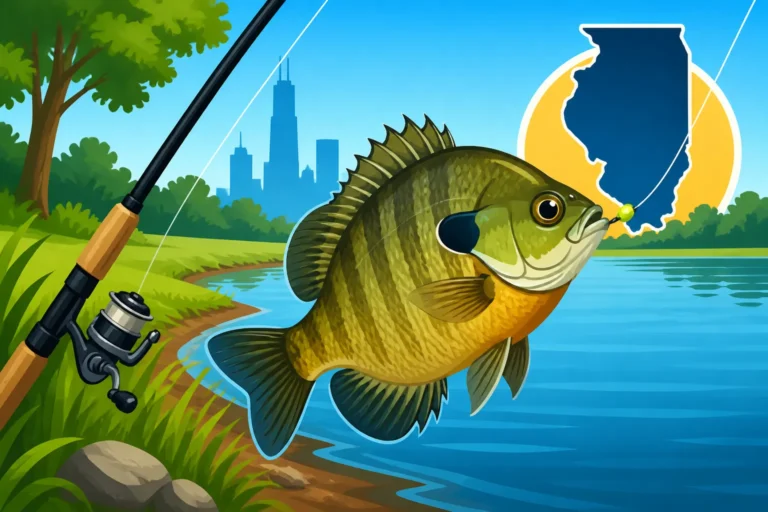
Ever feel like bluegill vanish from shallow water the moment you show up, making it tough to enjoy a relaxed day of fishing? It's a common frustration, especially when you know they should be there. Those panfish are notorious for being skittish. This guide is all about demystifying how to pinpoint and consistently catch those feisty bluegill right in the shallows of Illinois's many lakes and ponds, turning frustration into a full stringer.
The Allure of the Shallows: Why Bluegill Hang Out There
Bluegill might be small, but they’re incredibly smart about where they choose to spend their time. For much of the year, especially when conditions are right, shallow water is their absolute favorite hangout. It’s not just random; there are very specific reasons these panfish gravitate to the edges, and understanding those reasons is your first step to consistent success.
Food, Warmth, and Safety: Bluegill's Shallow Water Motives
Think about what a bluegill needs to thrive: food, comfortable temperatures, and protection from bigger predators. Shallow water often provides all three in abundance. During warmer months, the sun penetrates easily, warming the water quickly. This warmth isn't just cozy for bluegill; it also jumpstarts the entire aquatic food chain. Microorganisms, insects, and small crustaceans—all prime bluegill forage—become super active in these warmer, sunlit zones. It's like a buffet line for them.
Furthermore, shallow areas often have more dense vegetation, fallen logs, or rocky structures. These provide excellent ambush points for bluegill to dart out and grab a meal, but more importantly, they offer critical cover from larger fish like bass and northern pike, or even aerial predators like osprey and herons. A bluegill might be opportunistic, but it’s never reckless. They love those spots where they can eat heartily without constantly looking over their shoulder. They feel secure enough to feed aggressively in these hidden pockets.
Prime Shallow Water Real Estate: Where to Look First
So, if shallow water is the bluegill's sweet spot, how do you identify the best shallow water spots? It comes down to looking for specific features that provide those essential elements of food, warmth, and cover.
- Weed Beds and Lily Pads: This is classic bluegill territory. Submerged weeds are teeming with insect life, and the dense cover of lily pads provides shade, ambush points, and protection. Focus on the edges of these beds, or even small open pockets within them.
- Docks, Piers, and Overhanging Trees: Man-made structures or natural overhanging branches offer shade, which can be crucial on bright, sunny days when bluegill might retreat from direct light. They also provide structure and often attract insects. If you’re fishing a public lake, any pier or dock is a natural magnet. For more tips on fishing from shore, check out our guide on How to Catch Crappie From the Bank.
- Fallen Logs and Brush Piles: These are essentially bluegill condominiums. They offer multiple layers of cover and create micro-ecosystems where food collects. If you see a submerged log or a tangle of branches near the shore, that's definitely worth investigating.
- Seawalls and Riprap: Rocky shorelines and seawalls can hold warmth, and the crevices often harbor aquatic insects. Bluegill will cruise these edges, picking off meals.
- Shallow Spawning Beds (Spring): During the spring, bluegill move into very shallow, often sandy or gravelly areas to create their spawning beds. These are usually visible as circular depressions. If you find one, you've hit the jackpot for active fish, but remember to fish responsibly to ensure future generations. Understanding Illinois Bass Spawn Timing Guide can also give you insights into when other fish are in the shallows for similar reasons.
When you're scanning the shoreline, keep an eye out for these visual cues. These are the spots where bluegill are most likely to be holding, providing both feeding opportunities and crucial safety from larger predators.
Gearing Up for Success: Your Shallow Water Bluegill Arsenal
You don't need a boatload of expensive gear to catch bluegill, which is part of their charm! In fact, a simple, sensitive setup is often the most effective. The key is to match your tackle to the fish’s size and the often-delicate bite you’ll experience in shallow water. You'll want something that allows for a subtle presentation and lets you feel every twitch.
The Right Rod, Reel, and Line for Sensitive Bites
For shallow water bluegill, an ultralight setup is your best friend. This isn't just about fun; it's about detecting those incredibly light bites.
- Rod: Look for an ultralight spinning rod, typically 5 to 6 feet in length, with a fast or moderate-fast action. The lighter action allows the rod tip to bend easily, indicating even the faintest nibble. A faster action gives you enough backbone to set the hook quickly. Many anglers, especially those just starting out or looking for a budget-friendly option, can find excellent starter rods for panfish on Amazon or at local sporting goods stores.
- Reel: Pair your ultralight rod with a small spinning reel, size 500 to 1000. These reels are designed to handle lighter lines and offer a smooth drag, which is important even for small fish like bluegill if you accidentally hook a larger bass. For a complete overview of what gear might be best, our guide on Best Beginner Bluegill Fishing Setup offers even more detail.
- Line: This is crucial. Spool your reel with 2 to 4-pound test monofilament or fluorocarbon line. Monofilament is a bit more forgiving with stretch, while fluorocarbon is nearly invisible underwater and has less stretch for better sensitivity. Braided line can also be used, but you'll want to tie on a fluorocarbon leader for stealth, as bluegill can be line-shy in clear, shallow water.
Using lighter line lets your bait move more naturally and minimizes its visibility, giving you an edge. The whole idea is to present your offering as naturally as possible, almost as if it's just another morsel drifting through their watery world.
Baits and Lures That Bluegill Can't Resist
Bluegill are not overly picky eaters, which is good news for anglers. However, in shallow water, a little finesse goes a long way. They love a natural presentation, so small, lifelike offerings tend to perform best.
- Live Bait is King: Nothing beats live bait for bluegill, especially when they're a bit finicky.
- Wax Worms: These small, creamy worms are irresistible to bluegill. They're hardy and stay on the hook well.
- Red Worms/Nightcrawlers: Cut nightcrawlers into small, half-inch pieces. A small piece wiggling on the hook is often all it takes.
- Small Minnows: While not as common for bluegill, very small minnows (like fathead minnows) can sometimes tempt larger bluegill, especially if you're trying to target bigger panfish.
- Crickets/Grasshoppers: In warmer months, if bluegill are feeding on insects that fall from overhanging branches, crickets or small grasshoppers can be deadly.
- Artificial Lures: When live bait isn't an option or you prefer artificials, go small.
- Micro Jigs: These are tiny jigs (1/64 to 1/32 ounce) often tipped with a small plastic grub, tube, or hair tail. Colors like chartreuse, white, black, and pink are consistently effective. You can find a huge variety of these small jigs and plastics on Amazon, making it easy to experiment with different colors and styles.
- Tiny Spinners: Lures like a Mepps Comet Mino or a small Rooster Tail (1/16 ounce) with a small blade can be deadly, especially when bluegill are actively chasing bait.
- Fly Fishing Flies: For fly anglers, small poppers, nymphs, and wet flies in sizes 10-16 are incredibly effective for shallow water bluegill.
Experiment with what the fish are biting on. Sometimes they prefer a subtle presentation, and other times a bit of flash or movement will grab their attention. For specific recommendations, our article on Best Bait for Bluegill Fishing dives even deeper.
Essential Terminal Tackle for a Finesse Approach
Your terminal tackle is the connection between your line and your bait, and it needs to be just as refined as your rod and reel.
- Hooks: Stick with small, fine-wire hooks, typically sizes 8 to 12. A long-shank hook can make it easier to remove from a bluegill's small mouth. Aberdeen hooks are a popular choice because they are thin enough to straighten out if snagged, often saving your line.
- Bobbers/Floats: A small, sensitive bobber is key. Traditional red-and-white plastic bobbers can be too bulky and offer too much resistance, making bluegill drop the bait. Instead, opt for small slip bobbers, fixed spring floats, or even clear plastic bubble floats that can be partially filled with water for casting weight. The goal is minimal resistance so the bluegill doesn't feel the weight of the bobber when it takes the bait. Our guide on How to Rig a Bobber for Bluegill can show you how to set this up perfectly.
- Split Shots/Sinkers: If you need weight to cast further or get your bait down a bit faster, use the smallest split shots possible. One or two tiny lead-free split shots, crimped a few inches above your hook, are usually all you need. Again, less weight means a more natural presentation.
Keep your tackle box organized with these essentials, and you'll be ready for any shallow water bluegill scenario. The more subtle your presentation, the more success you'll find.
Mastering the Art of the Shallow Water Bluegill Catch
Catching bluegill in shallow water isn't just about having the right gear; it’s about how you approach your spot and present your bait. Bluegill in shallow water can be incredibly skittish, so a stealthy approach and a careful presentation will greatly increase your hook-up rate.
Stealth and Observation: Approaching Your Spot Undetected
Bluegill are acutely aware of their surroundings, especially in clear, shallow water. A heavy footstep on the bank, a loud splash from your lure, or even your shadow cast over the water can send them scattering.
- Quiet Approach: Approach your chosen fishing spot slowly and quietly. Avoid stomping along the bank or making sudden movements. If you’re fishing from a boat or kayak, use a trolling motor on a low setting or paddle gently.
- Stay Low and Back: If possible, stay low to the ground or stand a few feet back from the water’s edge to prevent your silhouette or shadow from alarming the fish. Consider wearing natural, muted colors instead of bright ones that might stand out.
- Observe Before You Cast: Take a moment to watch the water before making your first cast. Look for any signs of bluegill activity: ripples on the surface, flashes of scales, or even visible fish cruising through the weeds. Often, you can spot their circular spawning beds in the spring. This observation period can tell you where they're actively feeding or holding. For those fishing with children, teaching them these observation skills can be a fun part of Bluegill Fishing Techniques for Kids.
A patient and subtle approach sets the stage for a successful day. Remember, you’re trying to blend into their environment, not disrupt it.
Presenting Your Bait Like a Pro
Once you’ve approached your spot stealthily, the next critical step is presenting your bait or lure in a way that fools the bluegill.
- Soft Landing: Cast your bait gently, aiming for a soft landing that mimics a natural insect or food item falling into the water. A loud splash will likely spook them.
- Target the Edges and Pockets: Instead of casting right into the middle of a weed bed, focus on casting to the edges, small open pockets, or along the sides of docks and logs. These are prime ambush points.
- Slow and Steady Retrieve: Whether you're using live bait under a bobber or a micro jig, a slow and steady retrieve is usually best.
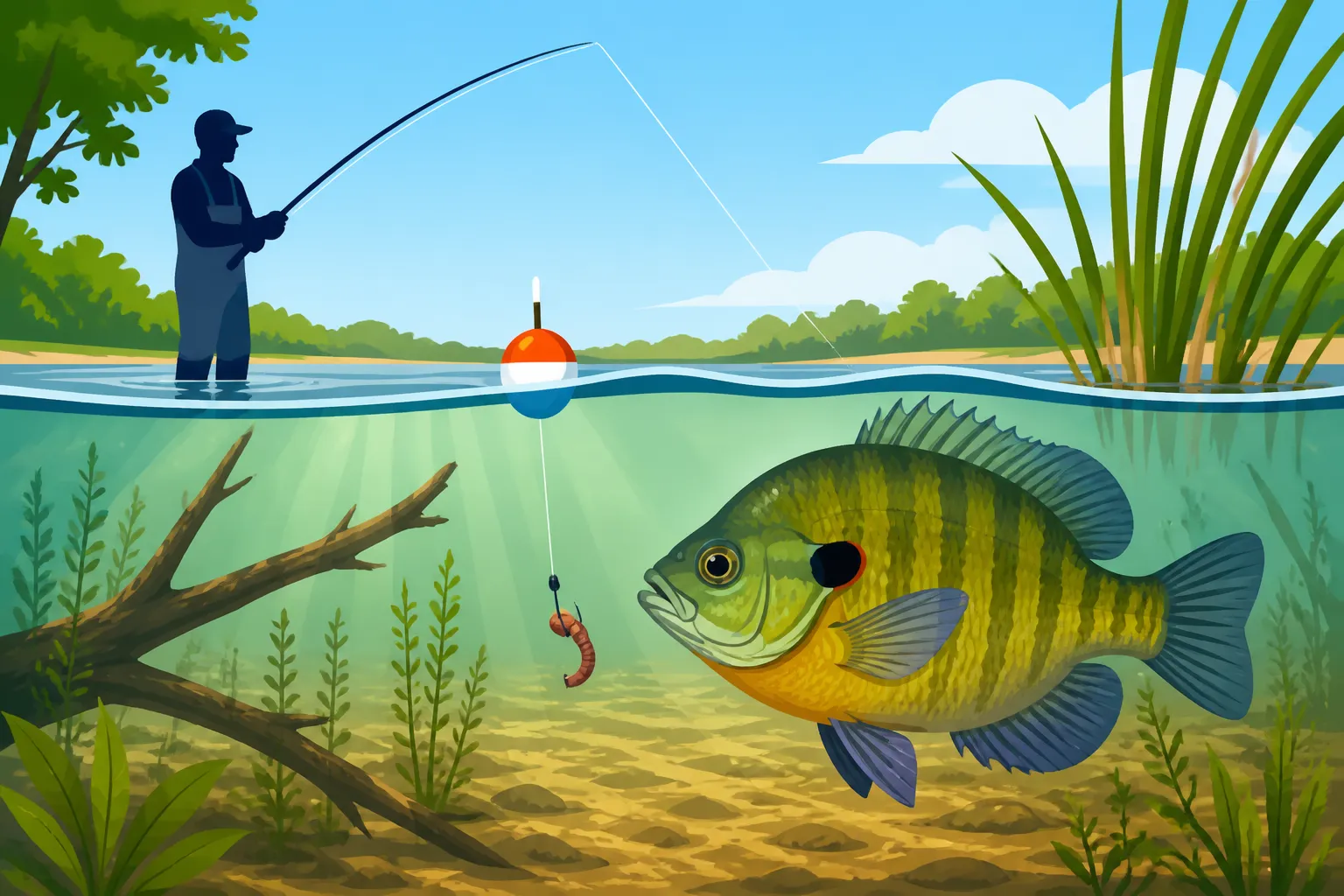
- Bobber Fishing: Cast your bait with the bobber, let it sit for a few seconds, then give it a very gentle twitch or two to make the bait move naturally. A twitch can simulate a struggling insect and grab attention. If nothing happens after a minute, reel in a few feet and repeat. Our guide on How to Rig a Wax Worm Under a Bobber for Bluegill provides excellent visual instructions.
- Jig Fishing: Cast your micro jig, let it sink for a moment, then use a slow, steady retrieve with occasional pauses or small twitches of the rod tip. The goal is to make the jig look like a small insect or minnow fluttering through the water.
- Vary Your Depth: Even in shallow water, bluegill might be holding just off the bottom, suspended in the middle, or right near the surface. Adjust your bobber stop or retrieve depth to find where they are most active.
Patience is a virtue when presenting your bait. Bluegill, despite their reputation, can be surprisingly wary, and a well-presented offering will always outperform a rushed one.
Reading the Water: Signs of Active Bluegill
Sometimes bluegill are actively feeding and easy to spot; other times, you need to be a detective. Learning to read the water means paying attention to subtle clues that tell you where the fish are and what they’re doing.
- Ripples and Surface Disturbance: Small, concentric ripples on the water's surface can indicate bluegill dimpling the water to eat insects. Look closely—you might even see the fish themselves just beneath the surface.
- Underwater Flashes: If the water is clear, you might see quick flashes of silver or gold as bluegill turn sideways while feeding, their scales catching the light. This is a sure sign of active fish.
- Visible Structure and Cover: As mentioned before, prime bluegill real estate like lily pads, submerged logs, and docks are always worth investigating. If you see good cover, chances are bluegill are nearby, especially if it's near a drop-off or deeper water.
- Wind and Shade: On bright, sunny days, bluegill will often seek shade. Look along shaded banks, under overhanging trees, or on the shaded side of docks and boats. A gentle breeze can also create ripples that break up the surface, making bluegill feel safer to feed in the open.
- Water Clarity and Temperature: Clearer water often means fish are warier, requiring more finesse. Murkier water might allow you to get closer. Water temperature plays a huge role; bluegill are more active in warmer water, typically above 60 degrees Fahrenheit. Understanding how Water Temperature and Fish Activity Guide applies to different species can really help.
By combining stealth, careful bait presentation, and a keen eye for reading the water, you'll significantly increase your chances of catching bluegill in those enticing shallow water environments.
Timing is Everything: Seasonal Shallow Water Bluegill Strategies
While bluegill can be found in shallow water throughout much of the year, their behavior and preferred locations within the shallows shift with the seasons. Understanding these seasonal patterns is like having a secret roadmap to where the fish are biting.
Spring's Spawn: Bluegill Bonanza Near Shore
Spring is arguably the best time to target bluegill in shallow water, especially once the water temperature consistently reaches the mid-60s Fahrenheit. This is when the bluegill move from deeper staging areas into the extreme shallows for their annual spawn.
- Spawning Beds: They'll create distinctive, circular "nests" in firm bottom areas like sand or gravel, often in water as shallow as one to three feet. These beds are usually clustered together in large colonies. Once you find one, you've often found dozens of fish.
- Aggressive and Protective: During the spawn, male bluegill are particularly aggressive, guarding their nests. They'll readily strike at anything that approaches, making them easy targets. Females will also be in the area, moving on and off the beds.
- Targeting the Beds: Cast small jigs or live bait directly onto or just beyond the beds. Let your bait sink slowly into the nest. Often, you’ll get a strike almost immediately. This is also a fantastic time for family fishing, and our article on Easiest Fish to Catch for Beginners highlights just how accessible bluegill are during this period.
Remember to handle spawning fish gently and release some to ensure future populations. The spring spawn is a truly special time for bluegill fishing in Illinois.
Summer's Heat: Early Morning and Late Evening Payoffs
Summer brings warmer water, and while bluegill still frequent the shallows, they might be more elusive during the brightest, hottest parts of the day. They'll often retreat to deeper, cooler water or seek dense cover to escape the sun and heat.
- Dawn and Dusk Patrols: The prime shallow water bite during summer typically occurs in the early morning and late evening, when water temperatures are cooler and light levels are lower. Bluegill will move into the shallows to feed more aggressively during these periods.
- Shade and Oxygen: During midday, focus on areas with dense shade from overhanging trees, docks, or thick lily pad fields. These spots offer respite from the sun and can often have slightly cooler, more oxygenated water.
- Post-Rain Activity: A summer rain shower can sometimes cool down surface waters and bring fresh oxygen, spurring bluegill into a feeding frenzy in the shallows.
- Night Fishing: Don't overlook night fishing for bluegill in the summer. They'll often feed actively in the shallows after dark, especially around dock lights or areas where insects are attracted to lights.
During the summer, the bluegill might not be as concentrated as during the spawn, but by focusing on the cooler parts of the day and seeking out shaded, oxygenated cover, you can still find plenty of action in the shallows.
Fall's Feast: Bulking Up Before Winter
As autumn progresses and water temperatures begin to drop, bluegill enter a pre-winter feeding phase. They’re trying to pack on weight before the cold, lean months, and the shallows can still be a productive area.
- Following the Food: Bluegill will often follow baitfish and insects that are still active in the shallows during early to mid-fall. Look for them around weed lines that are still green or along rocky shorelines that retain warmth.
- Sun-Warmed Banks: On sunny fall days, bluegill will often congregate on north-facing banks or shallow flats that receive maximum sun exposure, soaking up the warmth.
- Depth Transition: As water gets colder, bluegill will eventually move towards deeper water near the edge of the shallows. Focus your efforts on those transition zones where shallow cover meets a drop-off.
- Aggressive Bites: The bluegill bites in fall can be surprisingly aggressive as they try to capitalize on every feeding opportunity. Don't be afraid to try slightly larger baits or more active retrieves if the fish are responsive.
Fall bluegill fishing can be incredibly rewarding, offering some of the biggest and fattest panfish of the year as they prepare for winter. By understanding these seasonal shifts, you'll be able to locate and catch shallow water bluegill all year long. For more general advice on panfish, our guide to Illinois' Best Panfish Species: A Complete Guide offers a broader look.
| Season | Best Shallow Water Locations | Ideal Time of Day | Recommended Bait/Lure |
|---|---|---|---|
| Spring | Spawning beds (sand/gravel), newly emerging weeds, sunny flats | Mid-morning to late afternoon | Wax worms, red worms, micro jigs |
| Summer | Dense lily pads, shaded docks/overhangs, deep weed edges | Early morning, late evening, night | Crickets, small worms, tiny spinners |
| Fall | Green weed lines, sun-warmed rocky banks, shallow breaks | Midday on sunny days, early morning | Small minnows, jigs, wax worms |
Ultimately, catching bluegill in shallow water is about patience, observation, and a willingness to adapt. These little fish are a blast to catch, a great way to introduce kids to fishing, and often just a short walk from your car. So grab your ultralight gear, head to the nearest Illinois lake, and enjoy the thrill of shallow water bluegill fishing!
Disclaimer
This article is for general informational purposes only and does not constitute professional advice. Laws, prices and regulations vary by location and change over time. Consult a qualified professional for guidance on your specific situation.