Bluegill Fishing Techniques for Kids
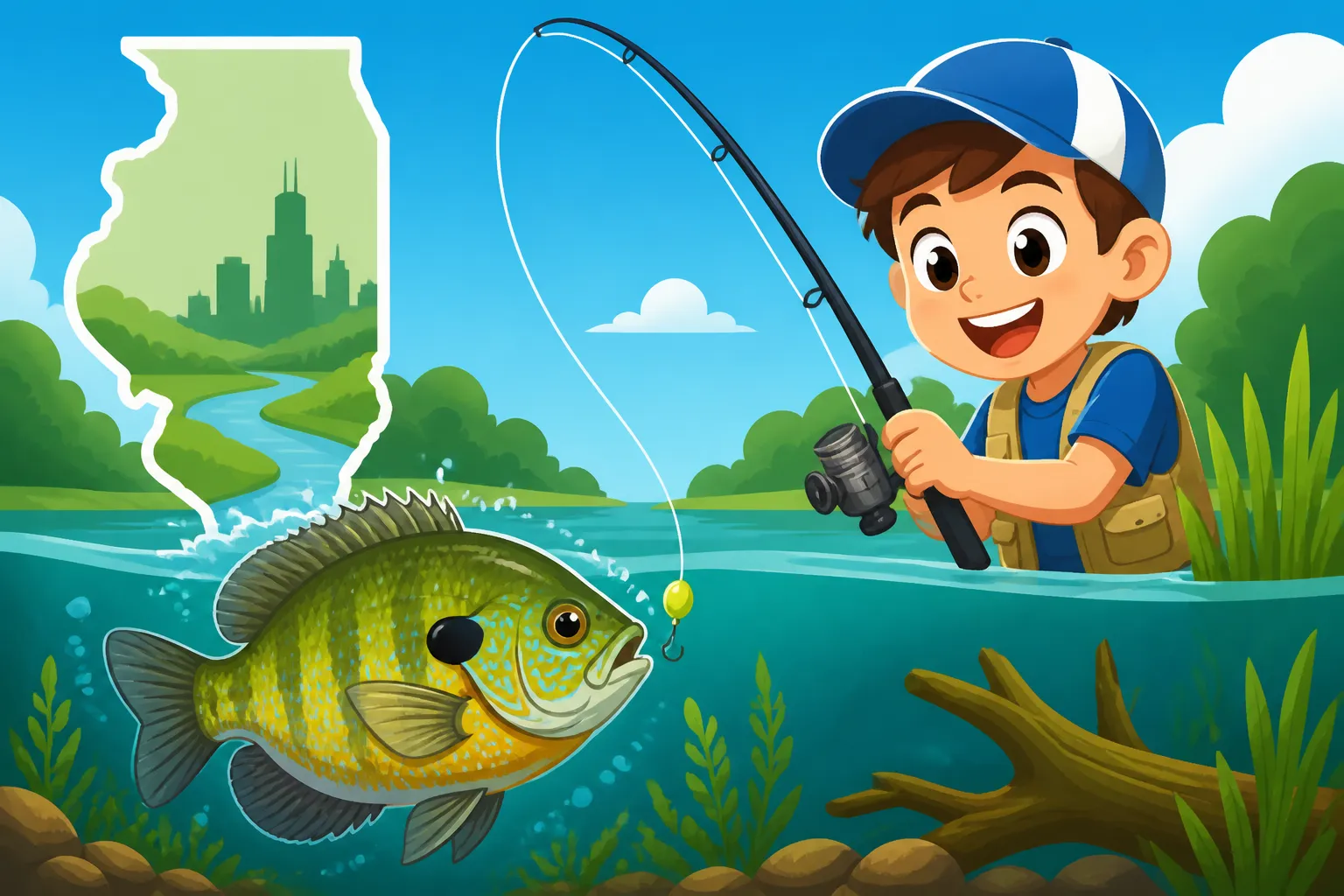
One of the biggest joys in the world is sharing the peace and excitement of fishing with a child, but let's be honest, it can also be incredibly frustrating for both of you. You want them to have fun, feel that thrill of a tug on the line, and hopefully, reel in their first fish, but sometimes it feels like everything is working against you – tangled lines, lost bait, short attention spans, and fish that just won't cooperate. This guide is all about equipping you with the practical, no-nonsense tips and techniques to make bluegill fishing with kids in Illinois not just successful, but genuinely enjoyable and memorable for everyone involved.
Getting Started: The Right Gear for Little Hands
Trying to hand a tiny tot a heavy, adult-sized rod and expect them to cast gracefully is a recipe for disaster and frustration. The right gear isn't just about catching fish; it's about making the act of fishing comfortable and fun for your young angler. When their tools feel right, their confidence soars, and that's half the battle won.
Rods and Reels Designed for Kids
Forget the expensive baitcasters or complex spinning reels you use. For kids, simplicity and durability are paramount. You’re looking for something lightweight, easy to hold, and, most importantly, forgiving. The best option for beginners, especially younger children, is typically a spincast combo. These reels have a button your child presses to cast, which is much more intuitive than the open bail of a spinning reel.
When choosing a rod, look for something between 3 to 4.5 feet long. A shorter rod is easier for a child to manage without it hitting the ground or getting caught in bushes behind them during a backcast. The rod should also have a very flexible tip to help them feel the lighter bites of a bluegill. Many brands offer "kid combos" that come pre-spooled with line and are ready to go, which is a huge time-saver. You can often find great beginner options on platforms like Amazon that are specifically marketed for children, making the selection process a lot less overwhelming. Remember, the goal here isn't distance casting; it's control and ease of use. If they can hold it comfortably and press the button without struggle, you're off to a fantastic start.
Essential Tackle: Hooks, Bobbers, and Sinkers
Now that you've got the rod and reel sorted, let's talk about the small but mighty components of your fishing line. For bluegill, you don't need anything fancy or intimidating. In fact, keeping it simple is the key to success and reducing frustration.
First, hooks: size 8 or 10 Aberdeen or baitholder hooks are perfect for bluegill. They're small enough for a bluegill's mouth but strong enough to hold a struggling fish. Aberdeen hooks are thin-wired, which means if you get snagged, the hook often straightens out, allowing you to retrieve your line and bait, rather than losing the whole setup. Baitholder hooks have tiny barbs on the shank to keep soft baits like worms from sliding off too easily, which is a definite plus when kids are fumbling with bait.
Next, bobbers. These are a kid's best friend! They make it easy to see when a fish is biting. Small, round red-and-white bobbers are classic and effective. You can choose between clip-on bobbers or slip bobbers. For beginners, a clip-on bobber is simpler; just clip it to your line at the desired depth. Slip bobbers are great for fishing deeper water, but they involve a bobber stop and bead, which can add a layer of complexity that isn't always necessary for an impatient young angler. Lastly, sinkers. You'll need just enough weight to get your bait down to where the fish are and keep your bobber standing upright. Small split-shot sinkers that you can crimp onto the line are ideal. Start with one or two small ones, just above the hook, and add more if needed to get your bait sinking properly.
The Best Baits for Bluegill
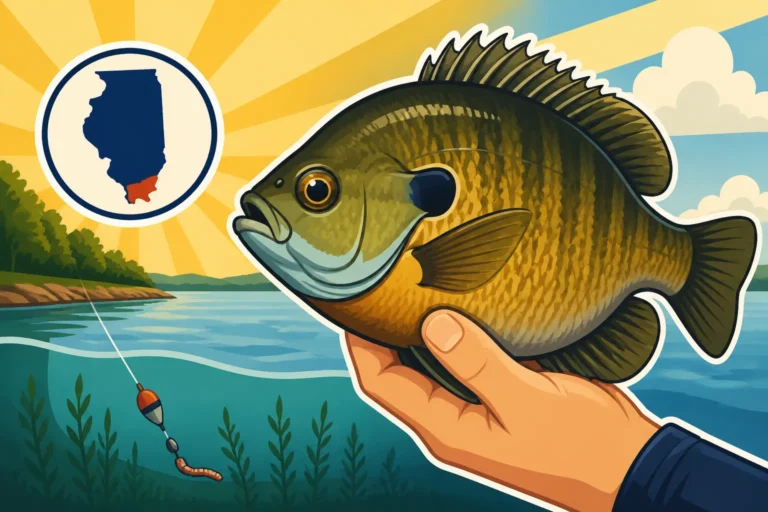
Bluegill aren't picky eaters, which is fantastic news for fishing with kids! You don't need specialized, expensive lures. What you do need is something easy to put on the hook, something they'll readily bite, and something that's relatively affordable, because let's face it, kids are going to lose bait.
The undisputed champion for bluegill fishing is the humble live worm. Nightcrawlers or red worms are irresistible to bluegill. They're easy to find at most bait shops, sporting goods stores, or even in your backyard after a rain. Show your child how to thread a small piece of worm onto the hook – not the whole thing, just enough to cover the point. This makes it more enticing and harder for the fish to steal. If worms aren't your thing, or if you prefer something less squiggly, crickets, mealworms, or wax worms are also excellent choices. These smaller baits are often easier for kids to handle and less intimidating.
For artificial options, small pieces of corn, bread balls, or even tiny chunks of hot dog can work in a pinch. However, live bait usually outperforms artificial for bluegill, especially with kids who are still learning to detect subtle bites. If you're looking to minimize mess and keep things extra simple, some anglers swear by small, scented soft plastic baits designed for panfish, which can be surprisingly effective. You can often find these, along with a variety of other beginner-friendly options, on Amazon, giving you plenty of choices to experiment with. The key is to have fun with it and let your child help choose and bait the hook if they're willing! For more detailed bait information, you might want to check out our guide on the Best Bait for Bluegill Fishing.
Mastering the Basics: Simple Bluegill Techniques That Work
Once the gear is in hand, the real fun begins: learning how to actually catch a fish! The techniques for bluegill fishing with kids are wonderfully straightforward, focusing on instant gratification and minimal complexity. We want to maximize the "fish on!" moments and minimize the "Dad, my line's stuck!" moments.
The Classic Bobber Setup
This is the quintessential method for teaching kids to fish, and for good reason. It's visual, effective, and requires very little advanced skill. Here’s how it works: you've got your line, a small split-shot sinker or two, your hook with bait, and a bobber floating happily on the surface. When a bluegill takes the bait, that bobber will dance, wiggle, or plunge straight down. That visible action is pure magic for a child and makes understanding a bite incredibly easy.
To set it up, tie your hook to the end of your line, then crimp one or two small split-shot sinkers about 6-12 inches above the hook. Finally, attach your clip-on bobber about 1 to 3 feet above the sinkers. This depth can be adjusted based on how deep the bluegill are biting – if you're getting bites but not hooking up, try moving the bobber slightly to make the bait shallower or deeper. Encourage your child to watch the bobber like a hawk. When it moves, tell them to gently lift the rod tip to set the hook. This isn't a hard, sweeping motion; a gentle upward pull is usually enough for a bluegill. The beauty of this method is the immediate feedback. Every bobber twitch is a potential fish, keeping their attention hooked. For a step-by-step visual, our post on How to Rig a Bobber for Bluegill provides a fantastic overview.
Jigging for Panfish
While the bobber setup is king, introducing a bit of jigging can be a great next step, especially for slightly older kids or when bluegill are schooled up a bit deeper. Jigging simply means moving your bait up and down in the water to attract fish. It mimics a struggling insect or a small minnow, which bluegill find irresistible.
For kids, the easiest way to jig is often without a bobber, using a very small jig head tipped with a tiny piece of worm, a mealworm, or a small soft plastic grub. You can also add a small bobber to give them a visual reference. Cast it out, let it sink a bit, and then have them slowly lift and drop their rod tip a few inches, pausing briefly after each drop. The key is to keep the movement subtle. Bluegill often hit the bait as it's falling. If you're using a jig without a bobber, teach them to watch their line carefully for any sudden twitches or a pause in its descent – those are usually bites! This technique is particularly effective around submerged structures like fallen trees or weed edges where bluegill love to hide. It adds a bit more interaction for the angler, allowing them to feel the bite directly rather than just seeing the bobber. You can find excellent panfish jigs in a variety of colors and sizes at most sporting goods stores or even on Amazon, making it easy to stock up.
Casting and Retrieval Made Easy
Okay, this is often the trickiest part for young anglers, but with the right guidance and practice, it quickly becomes one of the most satisfying. The goal is to get that bait out there without creating a bird's nest of tangled line.
For spincast reels, it's a simple three-step process:
- Point and Press: Have your child hold the rod with their dominant hand, pointing the rod tip towards their target. They should press and hold the button on the reel with their thumb.
- Swing: With a gentle, smooth swing, bring the rod back over their shoulder, then forward, stopping with the rod tip pointing towards the water where they want the bait to land.
- Release: As the rod comes forward and the bait starts to pull away, they release the button.
Emphasize a smooth motion over a powerful one. Overpowering the cast often leads to tangles or the bait flying off. Start by practicing in an open area, perhaps even without a hook, just tying on a small practice weight or a bobber. Make it a game! Once the bait is in the water, teach them to slowly reel it in, keeping the line taut. Bluegill will often follow the bait before striking, so a steady, slow retrieve is often more effective than reeling in too fast. Remember that patience is key here, for both of you. A few tangled lines are inevitable, but celebrating every successful cast will encourage them immensely. It's often helpful to look for our guide on How to Teach a Kid to Fish for Panfish, which offers further insights into building these foundational skills.
Finding the Best Spots: Where Kids Can Catch Bluegill
You can have the best gear and the simplest techniques, but if you're not fishing where the fish are, it's just a casting practice session. For bluegill fishing with kids, finding the right location is absolutely crucial to maintaining their interest and delivering those exciting "fish on!" moments.
Public Ponds and Park Lakes
Illinois is blessed with an abundance of fantastic public fishing opportunities, many of which are perfect for introducing kids to bluegill. Small, well-maintained public ponds and park lakes are often ideal. Why? Because they are frequently stocked, tend to have good numbers of panfish like bluegill, and offer easy access for shore fishing. These spots are usually shallower around the edges, which is where bluegill often hang out, especially in warmer months.
Look for local park districts or state parks near you. Many Illinois State Park Lakes are renowned for their family-friendly fishing programs and easy bank access. Good examples include many of the smaller ponds within urban or suburban park systems, or even designated fishing piers at larger reservoirs. These areas often have mowed grass banks, picnic tables, and restrooms, making the overall experience much more comfortable for families. Before you go, a quick search on the Illinois Department of Natural Resources (IDNR) website or a call to your local park district can give you up-to-date information on fish stocking and accessibility. These spots are often where kids can catch the Easiest Fish to Catch for Beginners, giving them confidence early on.
Identifying Bluegill Hotspots from Shore
Even within a good pond, not all spots are created equal. Bluegill are masters of camouflage and love to hide, so knowing where to cast can drastically improve your success rate. When fishing from shore, teach your child to "read" the water.
Look for areas that offer cover and food. This includes:
- Weed Lines and Lily Pads: Bluegill love to hide in vegetation, both for protection from predators and to ambush insects and smaller prey. Cast your bait right to the edge of a lily pad patch or a dense weed bed.
- Fallen Trees and Submerged Brush: Any kind of woody structure in the water creates prime habitat. These provide shade and cover, attracting bluegill in droves. Cast near these structures, but be prepared for potential snags.
- Docks and Piers: The shaded areas under docks and piers are often magnets for bluegill. The pilings themselves can also attract algae and small critters, creating a food source.
- Points and Inlets: Areas where a point of land juts out into the water or where a small stream feeds into the pond can be productive, as they often concentrate baitfish and provide current.
Encourage your child to observe the water. Are there dragonflies landing on lily pads? Are small minnows darting around? These are all signs of a healthy ecosystem where bluegill are likely to be present. Remember, bluegill are often in shallower water, especially during feeding times in the morning and evening, or on cloudy days.
Safety First: Choosing Kid-Friendly Locations
Beyond just finding fish, ensuring the safety and comfort of your young angler is paramount. A negative experience can turn a child off fishing for good, so prioritize locations that are genuinely kid-friendly.
When scouting a spot, consider these factors:
- Clear, Stable Banks: Avoid steep, muddy, or slippery banks that could pose a falling hazard. Flat, grassy areas where kids can move around freely are ideal.
- Limited Obstacles: While bluegill love cover, areas with too many submerged snags can lead to constant lost tackle and frustration. Look for a balance.
- Away from Fast Currents or Deep Drop-Offs: For obvious reasons, still waters or very slow-moving creeks are much safer than rivers with strong currents or lakes with sudden deep drop-offs near the shore.
- Accessibility to Amenities: Proximity to restrooms, shade, and maybe even a playground can turn a fishing trip into a full-day family outing, rather than just an hour on the bank.
- Minimal Crowds: While popular spots are good, excessively crowded areas can be stressful. Kids need space to learn casting without fear of hitting someone.
Many of these ideal locations are also covered in our list of the Best Fishing Spots for a Kid's First Fish in Illinois, giving you specific places to start your adventure. Also, before heading out, it's crucial to understand the rules. You'll want to review the Illinois Fishing License Rules for Children, as kids often have different requirements than adults, though generally, children under 16 don't need a license to fish in Illinois. Always double-check current regulations to be sure!
Beyond the Catch: Making It a Memorable Experience
Catching fish is undeniably exciting, but for kids, the entire experience surrounding the catch is what truly embeds those cherished memories. It's about fostering a love for the outdoors, building confidence, and sharing quality time. Sometimes, the biggest fish caught isn't even the one on the end of the line.
Patience and Positive Reinforcement
Let's face it, fishing requires patience, a virtue that isn't naturally abundant in most children (or many adults, for that matter!). As the parent or guardian, your patience is the most important tool in your tackle box. There will be tangles, lost baits, casts that go nowhere, and stretches where nothing bites. It’s in these moments that your positive reinforcement truly shines.
Instead of focusing solely on the fish count, celebrate every little victory: a smooth cast, bait staying on the hook, noticing the bobber twitch, even just sitting quietly for a few minutes. "Great cast, buddy!" or "Wow, you kept that worm on the hook perfectly!" goes a long way. If they get frustrated, acknowledge it ("It's tough when the fish aren't biting, isn't it?"), but then redirect. Suggest a different casting angle, or a short break. Remember, fishing is supposed to be fun, not a chore or a test. Keep the mood light and encouraging, and they'll be much more likely to want to come back for another round.
Handling Fish with Care
Teaching responsible angling practices early on is a gift that lasts a lifetime. For bluegill, which are often caught in large numbers, emphasizing catch and release (or ethical harvest if you plan to keep them) is important. Show your child how to gently handle the fish, supporting its body, and how to quickly and safely remove the hook.
Explain why you handle them carefully – "We want to be gentle so the fish can swim away healthy and grow bigger for next time." If you're using barbless hooks (which I highly recommend for kids!), hook removal is much easier and less traumatic for the fish. Demonstrate how to wet your hands before touching the fish to protect its slime coat, and how to hold it firmly but gently. If you're keeping some bluegill for dinner, explain that process too, making sure they understand where the fish goes and why. This lesson in respect for nature and the creatures we interact with is often more valuable than any fish caught. For more on the species itself, our guide on Best Bait for Bluegill Fishing also touches on their characteristics.
Snacks, Breaks, and Side Activities
A child's attention span is a precious, fleeting thing. Expecting them to sit still and focus on a bobber for hours on end is simply unrealistic. That's why a successful kid's fishing trip is as much about the non-fishing activities as it is about the fishing itself.
Pack plenty of easy-to-eat snacks and drinks. A hungry or thirsty child is a grumpy child. Plan for regular breaks. Maybe a quick walk around the pond to look for interesting bugs or birds, skip some rocks, or just stretch their legs. Bring a small bucket or net for them to explore the shallow water for tadpoles or interesting stones. These side activities act as wonderful resets when their interest in fishing wanes. The goal is to make the entire outing an adventure. If they only fish for 20 minutes but spend an hour exploring and laughing, that's still a successful and memorable day outdoors. You could even read up on Illinois Free Fishing Days Guide for information on designated periods where no license is required, making it an even more accessible family outing.
Troubleshooting Common Kid Fishing Frustrations
Every angler, regardless of age, faces frustrations. For kids, these can quickly escalate into meltdowns or a complete loss of interest. Knowing how to anticipate and handle common fishing woes can save the day and keep the fun going.
Snags, Tangles, and Lost Baits
Ah, the triple threat of kid fishing! Snags, tangles (often called "bird's nests" or "professional overruns"), and lost baits are practically rites of passage. Instead of sighing in exasperation, approach these with a calm, problem-solving attitude.
- Snags: When the hook gets caught on something underwater, teach your child to gently pull to see if it comes free. If not, explain that sometimes lines break, and it's okay. If the snag is close, you might be able to retrieve it. If not, break the line at the knot (or cut it, if you have clippers) and tie on a new hook. Keep extra pre-tied hooks handy to speed up this process. Using slightly heavier line, like 6-8 pound test monofilament, can help reduce break-offs.
- Tangles: The dreaded bird's nest! This often happens when a child releases the casting button too late or too early. The best defense is practice (as mentioned earlier) and supervision. When a tangle happens, patiently work it out together. If it's too far gone, cut the tangled section and re-tie. Don't let them sit there endlessly frustrated. Carry a small pair of scissors or nail clippers, which are incredibly useful for clean cuts.
- Lost Baits: Bluegill are notorious bait stealers. They can nibble worms off the hook without ever getting hooked themselves. Explain that this is part of fishing. Re-baiting frequently is part of the game. Using smaller pieces of worm or baitholder hooks can help. Also, check out our guide on How to Rig a Wax Worm Under a Bobber for Bluegill, as wax worms can be a little tougher for fish to steal.
The key here is to model patience and resilience. Every snag is a lesson, every tangle a puzzle.
When the Fish Just Aren't Biting
This can be the most disheartening experience for a young angler. They've done everything right, but the fish just aren't cooperating. It's easy for them to think they're doing something wrong.
First, reassure them that it's not their fault. "Sometimes the fish just aren't hungry today, or they're hiding. That happens to even the best fishermen!" Then, pivot. This is where those snacks, breaks, and side activities come in handy. Change locations if possible, even if it's just moving 20 feet down the bank. Try a different bait if you have options. Adjust the depth of the bobber, making the bait shallower or deeper. Sometimes a subtle change is all it takes.
If the fishing remains slow, focus on other aspects of the outing. Talk about the birds overhead, the clouds, or what you're going to have for dinner. The goal isn't always to catch fish, but to enjoy being outdoors together. Even if you don't land a single fish, if your child had fun, you've succeeded. Remind them of past successes, "Remember that big bluegill you caught last time? Today just isn't our day, but we're still having fun."
Dealing with Mosquitoes and Sun
The great outdoors can sometimes come with its less pleasant companions. Nothing ruins a fun fishing trip faster than relentless mosquitoes or a nasty sunburn. Being prepared for these elements is crucial for a comfortable outing.
- Mosquitoes: Always bring insect repellent, especially during dawn and dusk, or near stagnant water. Apply it before you head out, and reapply as needed. Long-sleeved, light-colored clothing can also provide a physical barrier against bites. If the mosquitoes are particularly bad, sometimes it's best to call it a day and try again another time. No fish is worth an uncomfortable child covered in itchy bites.
- Sun: Illinois summers can be brutal. Protect your child from the sun's harmful rays. Pack wide-brimmed hats, sunglasses, and plenty of sunscreen. Apply sunscreen liberally and frequently, paying special attention to exposed areas like the face, neck, and ears. Seek out shady spots if possible, or bring a small umbrella for extra protection. Staying hydrated is also vital, so pack plenty of water or other drinks. A cool, comfortable child is a happy child, even if the fish aren't jumping into the boat.
| Essential Gear for Kids' Bluegill Fishing | Description | Notes |
|---|---|---|
| Spincast Rod & Reel Combo | Lightweight, 3-4.5 ft rod with easy-to-use push-button reel. | Often pre-spooled; look for kid-specific models. |
| Small Hooks (Size 8-10) | Aberdeen or Baitholder hooks, thin-wired and small. | Keep extras for inevitable snags and re-ties. |
| Clip-on Bobbers | Small, visible red-and-white bobbers. | Simple to use, great for visual bite detection. |
| Small Split-Shot Sinkers | Enough weight to sink bait but not too heavy. | Use 1-2 to start, adjust as needed. |
| Live Worms (Nightcrawlers/Red Worms) | Easiest, most effective bait for bluegill. | Other options: mealworms, wax worms, crickets. |
| Needle-nose Pliers or Hemostat | For easy hook removal. | Essential for safety and fish care. |
| Small Scissors/Nail Clippers | For cutting line when tangles or snags occur. | Prevents frustration from untangling. |
| Sunscreen & Hat | Protects from harmful UV rays. | Wide-brimmed hats are best. |
| Insect Repellent | Keeps mosquitoes and other bugs at bay. | Apply before fishing, reapply as needed. |
| Snacks & Drinks | Keeps energy levels up and prevents grumpiness. | Pack easy-to-eat, non-messy options. |
| Small Bucket/Net | For exploring, holding bait, or temporarily holding a catch. | Doubles as entertainment during breaks. |
| First Aid Kit | For minor cuts, scrapes, or hook pokes. | Always good to have on hand for any outdoor activity. |
| Wet Wipes/Paper Towels | For cleaning hands after handling bait or fish. | Keeps things tidier, especially before snacks. |
| Small Cooler | To keep bait, drinks, and snacks fresh. | Can double as an extra seat. |
Disclaimer
The information provided in this guide is for general informational purposes only and is not intended as legal advice. Fishing regulations, license requirements, and safety guidelines can change. Always consult the official Illinois Department of Natural Resources (IDNR) website or their current fishing guide for the most up-to-date and accurate rules and regulations before heading out on any fishing trip in Illinois. Always prioritize safety and ensure you have the appropriate licenses and stamps, such as the Illinois Fishing License Guide for 2026, before fishing.