Clinton Lake’s Warm-Water Spots for Winter Bass
Winter fishing can often feel like a pipe dream in Illinois, with many of our favorite lakes locked under a blanket of ice. But for dedicated bass anglers, the challenge of finding active fish in the colder months is very real. It's frustrating when you're itching to get out, but everywhere you look, the water is too cold or completely frozen. This comprehensive guide is here to shed light on Clinton Lake, offering crucial insights into its unique warm-water pockets that become magnets for bass during the chilly Illinois winter, helping you turn those winter fishing frustrations into successful outings.
The Unique Thermal Influence on Clinton Lake's Winter Fishing
If you've ever driven past Clinton Lake, you've likely noticed the colossal structure of the Clinton Power Station. This isn't just a landmark; it's the very reason Clinton Lake transforms into a winter fishing oasis. Most lakes in Illinois become frigid, and often ice-covered, as soon as the temperatures consistently drop. Fish metabolism slows down, and they become lethargic, making them incredibly difficult to entice. But Clinton Lake operates on a different rhythm, thanks to the constant thermal discharge from the power plant.
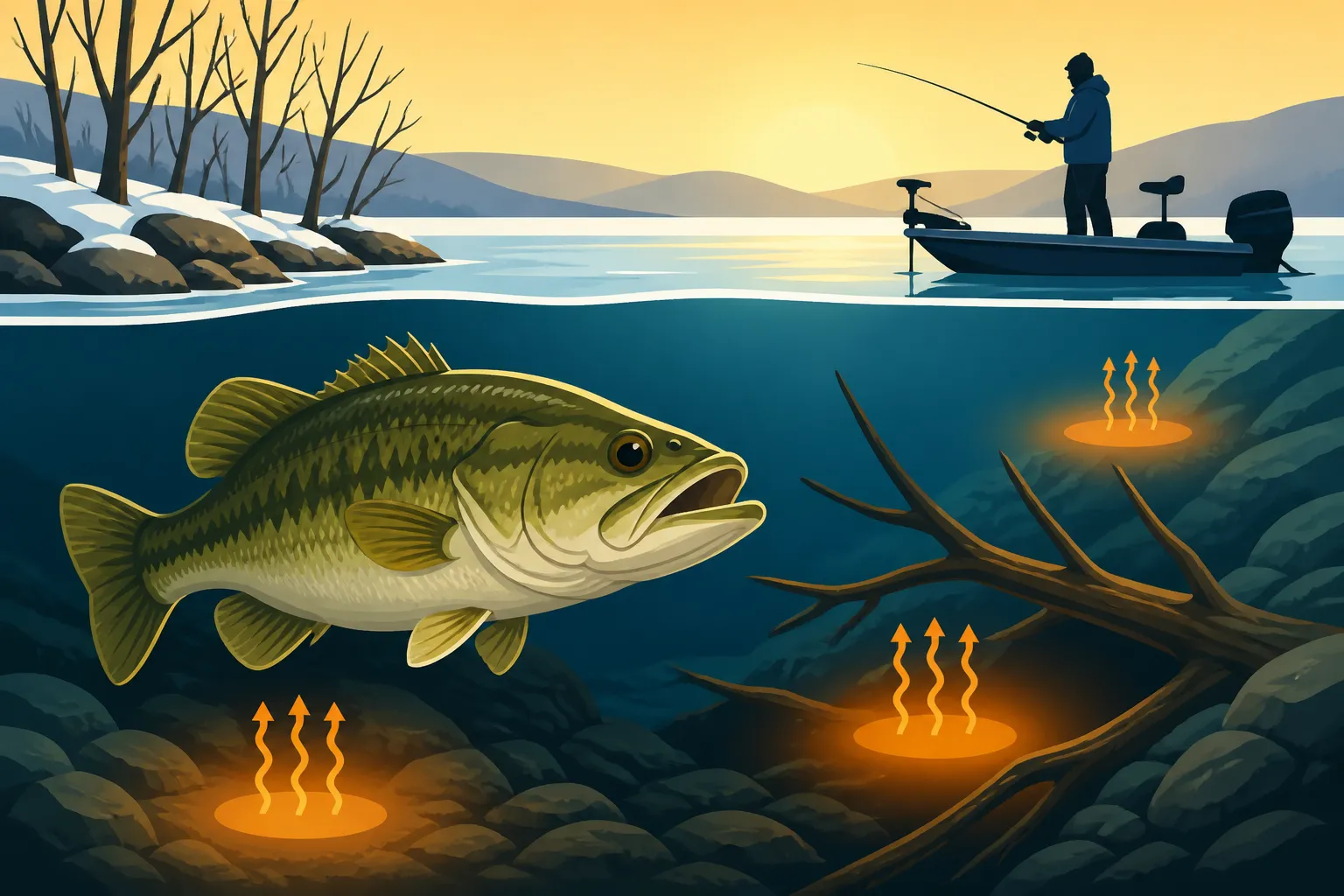
The nuclear power station uses lake water for cooling its systems. This warmed water is then discharged back into a specific arm of the lake, creating a consistent current of significantly warmer water, even when ambient air temperatures are well below freezing. This warmer water doesn't just melt the ice; it actively raises the temperature of a substantial portion of the lake, particularly in the discharge canal and the adjacent "hot arm." For bass, this is like finding a tropical resort in the middle of winter. Instead of hunkering down in deep, cold water, they become more active, feeding opportunistically, and concentrating in these warmer zones. Understanding this thermal dynamic is the absolute key to unlocking Clinton Lake's winter bass potential.
How the Power Station Creates a Winter Bass Haven
The mechanics behind Clinton Lake's warmth are quite fascinating and critically important for anglers. Water is drawn from the lake, circulates through the power plant to cool the condensers, and is then released back into the lake. This process can elevate water temperatures in the discharge area by 10 to 20 degrees Fahrenheit above the ambient lake temperature. During the coldest parts of winter, when the main lake might be struggling to stay above 35 degrees, the discharge canal and surrounding areas can hold steady in the mid-40s to low-50s.
This consistent flow of warmer water keeps a significant section of the lake ice-free and provides a stable, more comfortable environment for baitfish and, consequently, for bass. Think about it: while other lakes in the region are freezing solid, Clinton Lake offers open water and active prey. This creates a natural funnel for bass seeking refuge from the extreme cold, concentrating them in predictable areas. Anglers who grasp this concept and focus their efforts on these thermally influenced zones will almost always outperform those casting randomly in the main body of the lake. It's not just about warmth; it's about a consistent, predictable, and attractive micro-environment that defies typical winter conditions.
Typical Water Temperature Differences in Winter
The contrast in water temperatures across Clinton Lake during winter can be astounding, and it's something anglers should always be mindful of. While the main body of the lake, especially the arms furthest from the power plant, might hover in the upper 30s to low 40s, the discharge canal itself can easily reach into the upper 40s or even low 50s. The "hot arm," which is the large cove directly fed by the discharge, will show a gradient, gradually cooling as you move away from the main outflow, but still remaining significantly warmer than the rest of the lake.
For bass, even a few degrees can make a world of difference in their activity levels. In water below 45 degrees, bass are typically sluggish, requiring very slow, precise presentations. As the temperature rises into the upper 40s and 50s, their metabolism picks up, and they become more willing to chase and strike. This means that within Clinton Lake, you can experience vastly different fishing conditions depending on how close you are to the thermal discharge. Carrying a good quality thermometer to constantly monitor water temperature will give you a significant edge, helping you understand where the most active fish are likely to be staging. It’s not uncommon to see visible steam rising from the warmer sections on a truly cold winter morning, a clear visual indicator of where you want to be fishing.
Prime Winter Bass Locations on Clinton Lake
Knowing why Clinton Lake is warm is one thing, but knowing where to actually cast your line is the real game-changer. The bass in Clinton Lake don't just spread out evenly in the warm water; they relate to specific structures and current breaks within these thermally charged zones. Pinpointing these hotspots requires a keen eye for detail, understanding of bass behavior in current, and often, a little bit of local knowledge.
The discharge canal and the "hot arm" are your primary targets, but even within these areas, certain spots will be more productive than others. These fish aren't always actively chasing in open water; they often position themselves to ambush baitfish being carried by the current or to find subtle temperature breaks that offer maximum comfort with minimal effort. This means focusing on transition areas, current seams, and submerged structures that provide cover and ambush points.
The Discharge Canal and Adjacent "Hot Arm"
Without a doubt, the discharge canal itself is the epicenter of winter bass activity on Clinton Lake. This narrow, man-made channel directs the heated water from the power plant back into the main lake. The current here can be surprisingly strong, and the water temperatures are at their absolute highest. Bass will stack up along the riprap banks, current breaks, and any submerged cover they can find within this canal. They position themselves out of the direct force of the current but close enough to ambush baitfish being swept along.
Immediately downstream from the canal, the "hot arm" or "north fork" of the Salt Creek arm becomes the next major player. This is where the bulk of the warm water disperses into a wider area. As the water spreads, it creates subtle temperature gradients, and bass will often patrol the edges of these warmer plumes. Look for points, ledges, and submerged creek channels within this hot arm. These areas offer both depth and structure, allowing bass to move up and down in the water column as their comfort levels dictate. Navigating this area, especially with potential boat traffic and currents, sometimes calls for local expertise, and platforms like FishingBooker can connect you with guides who specialize in these challenging but rewarding conditions.
Points, Humps, and Channel Swings
Even within the warm-water areas of Clinton Lake, bass will still behave like bass, relating to specific structural elements. Points extending into the discharge canal or the hot arm are always worth checking. These act as natural congregation areas for baitfish and offer convenient ambush points for predatory bass. Bass will often hold on the deeper side of these points, moving shallower to feed.
Humps and submerged islands, especially those with rock or gravel, are also key. These structures break up the current and provide vertical relief, allowing bass to hold at different depths. Many times, the most productive humps won't be in the middle of the current but slightly off to the side, where the current is still present but not overwhelming. Creek channel swings and bends within the hot arm are also crucial. Bass will often suspend in the deeper sections of these channels, especially where the channel makes a sharp turn, creating an eddy or slack water pocket. Utilizing your electronics to identify these subtle changes in bottom contour and locating baitfish schools nearby is paramount. Remember that during winter, these fish are often lethargic, so slow and methodical presentations are necessary, focusing on the structures where they are likely to hold tight.
Here's a quick look at typical water temperatures in different parts of Clinton Lake during a cold Illinois winter:
| Location | Typical Winter Water Temperature (Fahrenheit) | Bass Activity Level | Prime Time for Anglers |
|---|---|---|---|
| Main Lake (Ambient) | 35-42 | Very Low | Avoid unless desperate |
| Outer Sections of Hot Arm | 43-48 | Low to Moderate | Mid-day |
| Inner Sections of Hot Arm | 48-52 | Moderate to High | All day |
| Discharge Canal | 50-55+ | High | Early Morning/Late Afternoon |
| Sheltered Coves (Ambient) | 38-44 | Very Low | Rare |
Effective Techniques and Lures for Clinton Lake Winter Bass
Catching bass in cold water, even warm cold water, isn't about speed. It's about precision, patience, and presenting baits in a way that triggers a strike from a fish that's not necessarily aggressive. The bass in Clinton Lake's warm-water zones are certainly more active than their counterparts in frozen lakes, but they still retain some of that winter sluggishness. You'll need to adapt your retrieve, your lure selection, and your overall approach to maximize your chances.
Forget your fast-moving topwaters or power fishing techniques. Winter bass fishing here is a slower game, often requiring finesse and a willingness to meticulously pick apart cover and structure. The key is to make it as easy as possible for a bass to commit to your lure. This means keeping baits in the strike zone longer, using subtle movements, and understanding that a bite might feel more like weight than a distinct thump. It's a frustrating adjustment for many, but one that yields significant rewards. If you're struggling to crack the code, searching on platforms like FishingBooker for guides experienced with Winter Bass Fishing Tips on Clinton Lake can be a great way to learn the nuances.
Slow Presentations with Jigs and Blade Baits
When the water is chilly, even in a warm-water discharge, bass often aren't willing to chase a fast-moving meal. This is where jigs and blade baits truly shine. A jig, whether it's a football jig, a casting jig, or a finesse jig, allows you to work the bottom slowly, mimicking a crawfish or an injured baitfish. Focus on dragging and slight hopping motions, letting the jig sit for extended periods between movements. Bass will often pick it up off the pause. Darker colors like black and blue, or natural craw patterns, are often effective, especially in the deeper, warmer areas where bass might be hugging the bottom.
Blade baits are another winter secret weapon, especially in areas with current. Lures like a Heddon Sonar or a locally made Vibra-bait can be vertically jigged or cast and retrieved with short lifts and drops. The vibration they produce is irresistible to lethargic bass, even if they aren't actively feeding. The flash and thumping action can draw strikes when other baits fail. Just make sure your retrieve is incredibly slow, allowing the bait to flutter down naturally on the pause. The key is to keep the bait in the strike zone for as long as possible, tempting bass into a reaction strike.
Jerkbaits and Deep-Diving Crankbaits
While slow-moving bottom baits are crucial, jerkbaits and deep-diving crankbaits have their place in Clinton Lake's warm-water zones, particularly when the water temperatures creep into the upper 40s or low 50s. A suspending jerkbait is phenomenal for targeting bass that are suspending in the water column, often around channel swings or over submerged humps. The ability to twitch the bait and then let it sit perfectly still for several seconds (or even longer) can be the difference between a strike and a missed opportunity. Experiment with pause lengths; some days, a 10-second pause is what it takes. Colors that mimic local baitfish, like shad or perch patterns, are excellent choices.
Deep-diving crankbaits are effective when bass are relating to specific depth contours or feeding aggressively on schools of baitfish. Look for crankbaits that can dive to the depth where you're seeing fish on your sonar. The key again is a slower retrieve than you'd use in warmer months. Instead of burning it back, use a steady, moderate retrieve, occasionally bumping it off rocks or wood to trigger a reaction. The erratic deflection can often draw a strike from a wary bass. These lures are particularly good along the riprap banks of the discharge canal or the deeper points in the hot arm. Knowing Best Bass Lures for Cold Water can certainly put you ahead of the game.
Planning Your Winter Clinton Lake Fishing Trip
A successful winter fishing trip to Clinton Lake isn't just about finding the right spots and using the right baits; it's also about meticulous planning and prioritizing safety. Winter conditions, even with warm water, can be unforgiving. You're dealing with cold air, potentially icy ramps, and the inherent dangers of cold water immersion. Don't let your enthusiasm overshadow the importance of being prepared.
From ensuring you have the proper Illinois Fishing License Guide for 2026 to dressing in layers and checking weather conditions, every detail matters. A little foresight can prevent a miserable outing or, worse, a dangerous situation. Think about everything from your boat's readiness to emergency gear and communication plans. This isn't just a casual summer day on the water; it's a winter expedition, and you need to treat it as such.
Essential Gear and Safety Considerations
Your gear checklist for a winter trip to Clinton Lake will look a bit different from a summer one. First and foremost, personal safety equipment is critical. Always wear an approved personal flotation device (PFD), even if you're an experienced boater. Cold water immersion is a serious risk, and a PFD can be a lifesaver. Layered clothing is non-negotiable – think thermal underwear, fleece, and a waterproof outer shell. Don't forget warm gloves, a hat, and waterproof boots. Hand warmers are also a good idea.
For your boat, ensure all systems are in top working order. Check your battery, lights, and ensure your bilge pump is functional. Ice can form on ramps and docks, so exercise extreme caution during launch and retrieval. Bring a spare prop, tools, and a fully charged cell phone. It's also wise to inform someone of your float plan – where you're going and when you expect to return. Always have a throwable PFD on board, as required by law, and review your Illinois Boating Safety Gear Checklist. The currents near the discharge can be strong, so maintain a safe distance from restricted areas and be mindful of other boaters.
Checking Conditions and Local Resources
Before you even leave your driveway, you need to check the conditions. Monitor weather forecasts meticulously, paying close attention to wind speed and direction, as well as air temperature. Strong winds on a large lake like Clinton can quickly turn a calm day into a dangerous one. Ice can sometimes form overnight in sheltered coves even in the hot arm, so be aware of potential hazards.
Leverage local resources whenever possible. Bait shops around Clinton Lake are goldmines of information; they'll know current water temperatures, recent catch reports, and any specific hazards to watch out for. Online fishing forums and local social media groups dedicated to Illinois fishing can also provide up-to-the-minute insights. Consider using services like FishingBooker to scout out local guides who offer winter trips on Clinton Lake. A guide can provide invaluable local knowledge, ensuring you're fishing the most productive and safest spots, especially if you're new to winter fishing on this unique body of water. They can also provide a deeper understanding of Water Temperature and Fish Activity Guide for Clinton Lake specificially.
Navigating Illinois Fishing Regulations at Clinton Lake
Just because you're fishing in special warm-water zones doesn't mean the rules don't apply. Clinton Lake, like all public waters in Illinois, has specific fishing regulations that anglers must adhere to. Ignoring these rules can lead to fines, confiscation of gear, and a ruined day on the water. It’s imperative to be familiar with the statewide regulations, but also to check for any site-specific rules that may be in place for Clinton Lake.
The Illinois Department of Natural Resources (IDNR) sets these rules to protect fish populations and ensure sustainable fishing for everyone. This includes everything from license requirements to catch limits and length restrictions. Don't assume anything; always double-check the latest fishing guide before heading out.
Understanding Statewide and Site-Specific Rules
Every angler aged 16 and over needs a valid Illinois fishing license. This is non-negotiable. You can obtain your license online through the IDNR website, at many bait and tackle shops, or sporting goods stores. Make sure you have your license on your person, either a physical copy or a digital version on your phone, as game wardens frequently patrol the waters. If you're an out-of-state angler, you'll need an Illinois Nonresident Fishing License Guide specifically.
Beyond the general Illinois Fishing Regulations Overview, Clinton Lake itself often has site-specific regulations. These can include unique size limits or daily catch limits for certain species that differ from the statewide rules. For example, while the statewide largemouth bass limit might be six fish with no minimum length on many waters, Clinton Lake could have a protected slot limit or a higher minimum size. Always consult the current Illinois Fishing Information Guide for the most up-to-date rules specific to Clinton Lake before your trip. This guide is usually updated annually and can be found on the IDNR website or at license vendors. Paying attention to details like the Illinois Largemouth Bass Length Limit and Daily Catch Rules can prevent a costly mistake.
Catch and Release Practices for Winter Bass
While it's exciting to catch bass during the winter, responsible angling practices, especially catch and release, are even more critical in colder temperatures. Bass, even those in warmer discharge water, are under more stress in winter than in summer. Their metabolic rate, while elevated by the warm water, is still not as high as it would be in peak summer. This means they recover more slowly from the fight.
If you plan to release fish, handle them with extreme care. Minimize their time out of the water, use wet hands when handling, and support their full body weight. Barbless hooks can also make removal easier and reduce harm. If a bass is bleeding or appears severely stressed, it may not survive. Consider bringing a camera to quickly snap a photo and release the fish immediately. Practicing good catch-and-release ensures that Clinton Lake continues to be a phenomenal winter fishery for years to come. Ultimately, the goal is to enjoy the fishing while also protecting the resource.
Disclaimer
Please remember that fishing conditions can change rapidly due to weather, water levels, and fish behavior. Always prioritize safety, check current regulations with the Illinois Department of Natural Resources, and adapt your techniques as needed. This guide is for informational purposes only and does not guarantee fishing success.