Lake Shelbyville Walleye Spots Anglers Overlook
If you've spent any time chasing walleye on Lake Shelbyville, you know it can sometimes feel like a puzzle. With such a vast body of water, it’s easy to get stuck fishing the same well-known spots, often leading to crowded waters and inconsistent bites. This guide is dedicated to pulling back the curtain on Lake Shelbyville walleye spots that many anglers simply overlook, helping you find unpressured fish and enjoy a more productive and peaceful day on the water.
Understanding Walleye Habits in Large Reservoirs like Lake Shelbyville
Walleye are notoriously elusive fish, and their behavior in a large reservoir like Lake Shelbyville is a prime example of why. They aren't always found in the most obvious places, and simply running to the most popular marked "walleye hump" might leave you frustrated. To truly unlock the potential of overlooked spots, we first need to understand the fundamental preferences and patterns that dictate where walleye decide to spend their time. Many anglers mistakenly believe that all walleye fishing is the same, but understanding Illinois Walleye Fishing: The Complete Guide for our state is a crucial first step in deciphering these fish.
Walleye Preferences for Structure and Cover
Walleye are definitive structure-oriented fish, but what constitutes "structure" on Lake Shelbyville can be more nuanced than on smaller lakes. They thrive on distinct changes in bottom contour, using these features for ambush points, current breaks, and as pathways between different depths. While obvious main lake points and rocky rip-rap banks attract a lot of attention (and sometimes, a lot of boats), walleye often prefer more subtle variations that offer similar advantages without the fishing pressure.
These overlooked structural elements might include long, tapering points that extend far into the lake, gradually sloping off into deeper water rather than dropping sharply. They also gravitate towards submerged timber fields that offer shade and cover, particularly if these fields are adjacent to deeper channels. Many anglers focus solely on the main lake points that are easy to spot on a map, but often the secondary points within larger coves, or even entirely submerged brush piles in less obvious lake arms, can hold significant numbers of fish. These specific areas often receive less pressure because they demand a bit more diligent searching with modern electronics, rewarding those who put in the effort. The Illinois Department of Natural Resources (IDNR) regularly monitors the health of the fishery and provides insights into Illinois Walleye Stocked Lakes: Where IDNR Puts Fish Each Year, which can indirectly point you to productive areas where fish populations are maintained.
Following the Forage: Baitfish Movements
At their core, walleye are opportunistic predators, and their movements across Lake Shelbyville are inextricably linked to the whereabouts of their prey. In this reservoir, their primary forage includes abundant gizzard shad, along with various panfish species like crappie and bluegill. If you want to find walleye, you absolutely need to find the food.
Understanding where these baitfish congregate at different times of the year is an absolute game-changer for locating overlooked walleye spots. During the warmer months, shad and panfish might be found in shallower coves, along weed lines, or even suspended over flats where they feel secure. Conversely, in colder periods, baitfish will often suspend in deeper water over creek channels or near the thermocline if one exists. Savvy anglers who take the time to locate these baitfish schools, typically by using quality sonar or even observing surface activity, will consistently find walleye close by, often lurking just beneath or to the side of the school. This often means venturing away from the main lake basin into the quiet corners of feeder creek arms or even extensive shallow flats adjacent to deep water, especially during low-light conditions when walleye are most inclined to move up and feed. This dynamic relationship between predator and prey frequently leads walleye to areas that don't receive as much attention from the typical angler, offering prime opportunities for those willing to explore.
Unveiling Lake Shelbyville's Hidden Walleye Haunts
Lake Shelbyville is an immense body of water, offering countless nooks and crannies where walleye can hide. While certain areas are famously productive, many phenomenal spots fly under the radar, providing fantastic fishing with significantly less competition. The key to discovering these truly overlooked walleye spots is to look beyond the obvious, considering where these fish can find refuge, feeding opportunities, and a break from constant boat traffic. For those looking to explore Lake Shelbyville’s walleye potential with an expert, a charter booked through FishingBooker can provide invaluable local knowledge and direct you to these less-pressured areas.
Submerged Creek Channels and Timber Fields
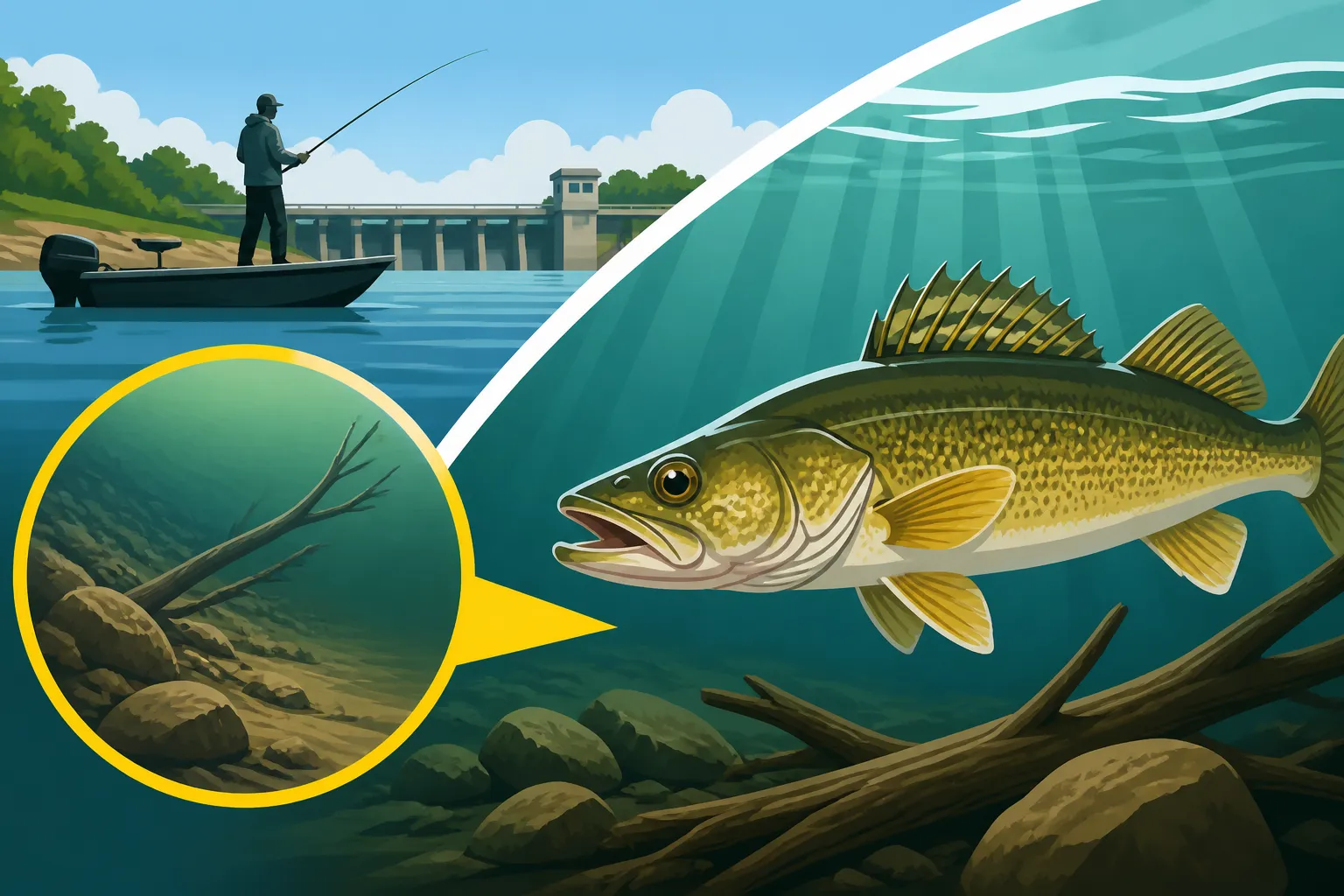
When Lake Shelbyville was created, numerous creeks and riverbeds were flooded, transforming the landscape beneath the surface. These old creek channels, particularly where they intersect with points, humps, or flats, are absolute magnets for walleye throughout the year. Many anglers might troll over them, but truly fishing them requires understanding their subtle contours and knowing where to focus your efforts. Often, the most productive spots aren't just the deepest parts of the channel, but rather the hard edges where the channel meets the original lake bottom, or where significant amounts of timber have fallen into the channel, creating overhead cover.
These submerged channels and timber fields provide crucial current breaks, ambush points, and direct access to deeper water, which walleye utilize extensively. For instance, the intricate creek channels in the Lithia Springs area or the deeper stretches leading into Whites Creek can hold impressive numbers of walleye, especially during seasonal transitions. Use your high-definition electronics to meticulously trace the old channel beds and actively look for submerged trees, stump fields, or brush piles within or along their edges. These specific features are often ignored by anglers who only scan for obvious surface markers, presenting a golden opportunity for a patient and observant angler to find unpressured fish.
Subtle Humps and Isolated Rock Piles
While every seasoned angler knows to check out prominent humps and large rock formations, Lake Shelbyville holds countless subtle humps that rise only a few feet from the surrounding bottom. These minor elevations can be easily overlooked on sonar if you’re not paying close attention or if your sensitivity settings aren't dialed in. Walleye will often stack on these less-obvious humps, especially those located near deeper water, using them as strategic staging areas and feeding stations. They offer a slightly elevated position for ambush without being directly exposed to fishing pressure.
Similarly, isolated rock piles – not part of a larger rock field – can be incredibly productive, yet they receive minimal attention. These aren't always marked on standard lake maps; sometimes they're simply a forgotten pile of riprap dumped decades ago during road construction, or a natural rocky outcrop that’s been submerged for years. The challenge and the reward lie in finding them. Areas in the mid-lake region near Sand Creek, or even closer to the dam but away from the main boat lanes, can hold these hidden gems. These spots are often small, sometimes only the size of a few boat lengths, but if you can pinpoint them with precision, they can produce multiple fish once you've dialed in the presentation. Consider checking out FishingBooker for guides who specialize in finding and fishing these types of overlooked structures, as their local knowledge can be invaluable.
Shallow Flats Adjacent to Deep Water during Low Light
Conventional wisdom often dictates that walleye prefer deep water, and while that's true for much of the day, it's a mistake to exclusively fish deep. During low-light conditions – think dawn, dusk, or heavily overcast days – walleye frequently move onto shallow flats to feed. The critical qualifier here is "adjacent to deep water." They won't venture far from their deep-water sanctuaries, but they will utilize these shallow foraging grounds when the light conditions allow. These flats might only be 5-10 feet deep, but if they feature scattered rock, sparse weeds, or even just a hard bottom, they can be phenomenal walleye producers.
The reason these spots are often overlooked is that many anglers are either still fishing deep during these prime shallow-water windows, or they're focusing on the more obvious main lake points. Instead, target large, expansive flats found in the larger creek arms, such as those in the Kaskaskia River arm, or the extensive flats near the Sullivan Beach area, particularly those that offer some kind of cover. These fish are actively hunting and are generally more aggressive, making them easier to catch once you locate their feeding zones. Remember, these productive periods are often fleeting, so be prepared to capitalize when the bite turns on. This technique is often one of the best ways to experience the thrill of catching Lake Shelbyville walleye.
Effective Strategies for Overlooked Walleye Waters
Finding these hidden walleye spots on Lake Shelbyville is a huge step, but it's only half the battle. To consistently entice these wary fish from their less-pressured sanctuaries, you need the right approach. Certain techniques and bait selections tend to be far more effective in these overlooked areas, where the walleye might be a bit less accustomed to heavy fishing pressure and therefore less wary. If you're new to these methods, platforms like FishingBooker can help you find a local guide to teach you the ropes.
Slow Trolling and Bottom Bouncing
When you’re working over large, subtle structures like extensive creek channels or expansive flats in search of walleye, slow trolling is an incredibly effective technique. It allows you to cover a significant amount of water efficiently while maintaining your bait or lure precisely in the walleye's preferred strike zone. Utilize deep-diving crankbaits that reach the appropriate depth, or opt for spinner rigs meticulously tipped with live bait like juicy nightcrawlers or lively leeches. The paramount factor here is speed – often much slower than many anglers initially assume, just enough to impart the correct action to your lure or rig without blowing past potential fish. For broader success, mastering various Walleye Trolling Techniques will significantly expand your capabilities on Lake Shelbyville.
Bottom bouncing is another stellar technique, particularly along the edges of submerged channels or over the crowns of subtle humps. This method involves a specialized weighted rig designed to keep your bait hovering just above or occasionally ticking the bottom without constantly snagging on unseen debris. A typical bottom bouncer setup consists of a weighted wire arm, a sturdy swivel, and a leader ending with a snell hook for a worm or leech. This natural, subtle presentation appeals directly to walleye's natural foraging habits and is especially effective when fish are somewhat scattered across an area rather than tightly schooled. Many anglers, accustomed to more aggressive tactics, frequently overlook this traditional yet highly productive method, leaving more fish for those who embrace it.
Vertical Jigging and Drop Shotting
For those pinpoint, overlooked spots like small, isolated rock piles, tiny brush piles, or subtle structural changes in deeper water, vertical jigging is often the most productive and precise method. This technique involves carefully positioning your boat directly over the identified structure using GPS and then dropping a jig straight down into the strike zone. You can use jigs tipped with a variety of soft plastics, lively live minnows, or even a piece of cut bait to entice strikes. The rhythmic action of lifting and dropping the jig mimics a wounded baitfish, making it an irresistible target for opportunistic walleye. The significant advantage of vertical jigging is its precision: if you mark fish on your sonar, you can often drop your bait right onto their heads, triggering an immediate reaction. Learning Walleye Jigging Techniques can drastically improve your success, especially when fish are tightly grouped.
Drop shotting is another fantastic technique for finicky walleye that might be holding tight to structure or are less inclined to chase. This setup features a weight at the very bottom of your line with a hook tied a foot or two above it, allowing your bait to suspend naturally right in the walleye's face, almost motionless. This subtle presentation is particularly effective when fish are not actively chasing, providing a tantalizingly easy meal. It's excellent for those times when walleye are sluggish or experiencing heavy fishing pressure in other areas of the lake, making them more likely to respond to a finesse approach in these overlooked haunts.
Optimal Bait and Lure Selection for Lake Shelbyville
While walleye can certainly be caught on a wide array of baits and lures, certain options consistently produce on Lake Shelbyville, especially in these less-pressured areas where the fish might be less wary. Live bait is almost universally a top choice for walleye. Plump nightcrawlers, lively leeches, and shimmering live minnows are classic walleye staples that are hard to beat. When fishing with live bait, always use light wire hooks to ensure your presentation remains as natural and enticing as possible, allowing the bait to move freely.
For artificial lures, deep-diving crankbaits are excellent for trolling the contours of submerged channels and points. Focus on shad patterns (think silver, chrome, blue/silver combinations) or realistic crayfish patterns (browns, oranges), as these mimic common forage in Lake Shelbyville. When it comes to jigging, select subtle colors like chartreuse, white, or light pearl in clear water conditions, and opt for brighter, more vibrant colors when the water is stained or muddy. The Best Walleye Lures for Cold Water often include vertical jigs and blade baits, which are ideal for triggering strikes from sluggish fish. Always remember to vary your retrieve speed, depth, and color selection until you discover what the fish are actively responding to on any given day. Don't be afraid to experiment; sometimes a slight variation in size, action, or even scent can make all the difference in converting a follow into a strike.
Seasonal Adjustments for Walleye Fishing
Walleye behavior on Lake Shelbyville changes dramatically with the ebb and flow of the seasons. Understanding these shifts is absolutely crucial for consistently finding fish in overlooked spots, as what constitutes an "overlooked" area might even change depending on the time of year. Fish will migrate to different parts of the lake, driven by spawning instincts, temperature preferences, and the availability of forage. Before your next trip, perhaps research local guides on FishingBooker who specialize in Lake Shelbyville walleye; they can offer real-time insights into what’s biting and where.
Spring and Early Summer Migrations
During the vibrant spring season, especially after the walleye have completed their spawning rituals, they begin to disperse and move out of their shallow spawning grounds to spread throughout Lake Shelbyville. While many anglers gravitate towards the obvious main lake points and humps during this period, this is precisely when the upper reaches of the Kaskaskia River arm, particularly where it starts to deepen and hold more structure, become highly productive yet often overlooked. Walleye will stage in these areas, aggressively feeding to recover from the arduous spawn. Look specifically for the transition zones where the river channel begins to merge with the main lake basin, as these are critical staging areas.
This is also a fantastic time to target the edges of flooded timber in the lower portions of feeder creeks and larger coves, spots that offer both cover and proximity to deeper water. As water temperatures steadily rise into early summer, walleye will generally move deeper, but they will often still hold near these same creek channels and deeper points situated inside larger coves. This early season movement frequently guides them through areas that aren't typically marked or fished as "prime walleye spots" on popular maps, offering a fantastic opportunity for the informed angler.
Mid-Summer and Fall Patterns
As summer progresses and Lake Shelbyville's water temperatures peak, walleye typically retreat to deeper, cooler, and more oxygenated waters. This is when main lake points that drop into significant deep channels, or humps positioned in the middle of larger lake sections, become vital. However, the overlooked aspect during this period is often the subtle humps and submerged timber fields situated in the 20-30 foot range that don't receive much boat traffic. Many anglers tend to stick to the well-known "community holes," missing out on these less-pressured opportunities. Instead, proactively search for smaller, less pronounced rises on your sonar, especially those that are near sharp breaks or isolated submerged timber. For more details on when to hit the water, see our guide on the Best Time of Year to Catch Walleye.
In the fall, as Lake Shelbyville's water temperatures begin their gradual descent, walleye become incredibly active feeders, aggressively bulking up for the leaner winter months. They will frequently move back into shallower areas during low-light conditions, primarily focusing on baitfish schools that are also moving shallower. The very same shallow flats adjacent to deep water that were productive in spring can light up again, particularly in the mid-lake and lower lake sections. Walleye will use these flats as expansive feeding grounds before retreating to deeper, more stable water as winter approaches.
Winter Fishing Opportunities
While Lake Shelbyville may not be as renowned for ice fishing as some of the northern states, the colder months still present unique and often overlooked opportunities for walleye, even during open water periods. During winter, walleye tend to school tightly in deep water, making them challenging to locate but highly rewarding once found. This means concentrating your efforts on the deepest parts of the creek channels and the main lake basin, often in close proximity to significant humps or ledges where fish can hold.
Vertical jigging with spoons or blade baits, or incredibly slow trolling, can be highly effective once you've located these concentrated schools. The key to winter success lies almost entirely in finding these fish, as they will be tightly grouped together for thermal stability and baitfish proximity. While the conditions can be more challenging, the significant lack of boat traffic and the potential for larger, concentrated schools makes winter fishing for walleye in Lake Shelbyville a truly overlooked opportunity that can yield impressive results for persistent anglers. Always make sure you understand Illinois Fishing Regulations Overview before heading out, as rules and conditions can be especially important during colder months.
Overlooked Lake Shelbyville Walleye Spots and Tactics
| Feature Type | Typical Angler Focus | Overlooked Walleye Spots | Ideal Conditions for Overlooked Spot | Best Tactics |
|---|---|---|---|---|
| Points | Main lake points, highly visible points, rip-rap | Tapering secondary points, submerged points extending far out | Low light, transitioning seasons (spring/fall) | Slow troll crankbaits, bottom bouncing |
| Channels | Main river channel, obvious bends and drops | Edges of old creek channels, timbered channel sections | Mid-day, post-spawn, summer deep water | Vertical jigging, bottom bouncing, slow trolling |
| Humps/Ledges | Large, well-known humps, sharp drop-offs on maps | Subtle humps (few feet rise), isolated rock piles (small) | Mid-day, summer (fish scattered), fall staging | Vertical jigging, drop shotting, precise casting |
| Shallow Flats | Seldom targeted for walleye, except perhaps during spawn | Flats adjacent to deep water, with scattered cover | Dawn/Dusk, overcast days, early spring/late fall | Crankbaits, spinnerbaits, slip bobbers with live bait |
Disclaimer
Fishing conditions and regulations in Illinois can change frequently. Always consult the latest Illinois Department of Natural Resources (IDNR) fishing guide before heading out. This article is for informational purposes only and does not constitute official advice.