Remote and Less-Crowded Illinois Fishing Spots
We've all been there: you wake up early, full of hope for a peaceful day of fishing, only to arrive at your favorite spot and find it already packed with other anglers. Boats are crisscrossing, shorelines are lined, and the quiet solitude you craved feels impossible to find. If you're tired of fighting for elbow room and want to discover those hidden corners where the fish are less wary and the scenery is pristine, this comprehensive guide will help you uncover remote and less-crowded Illinois fishing spots.
The Lure of Solitude: Why Remote Spots Matter
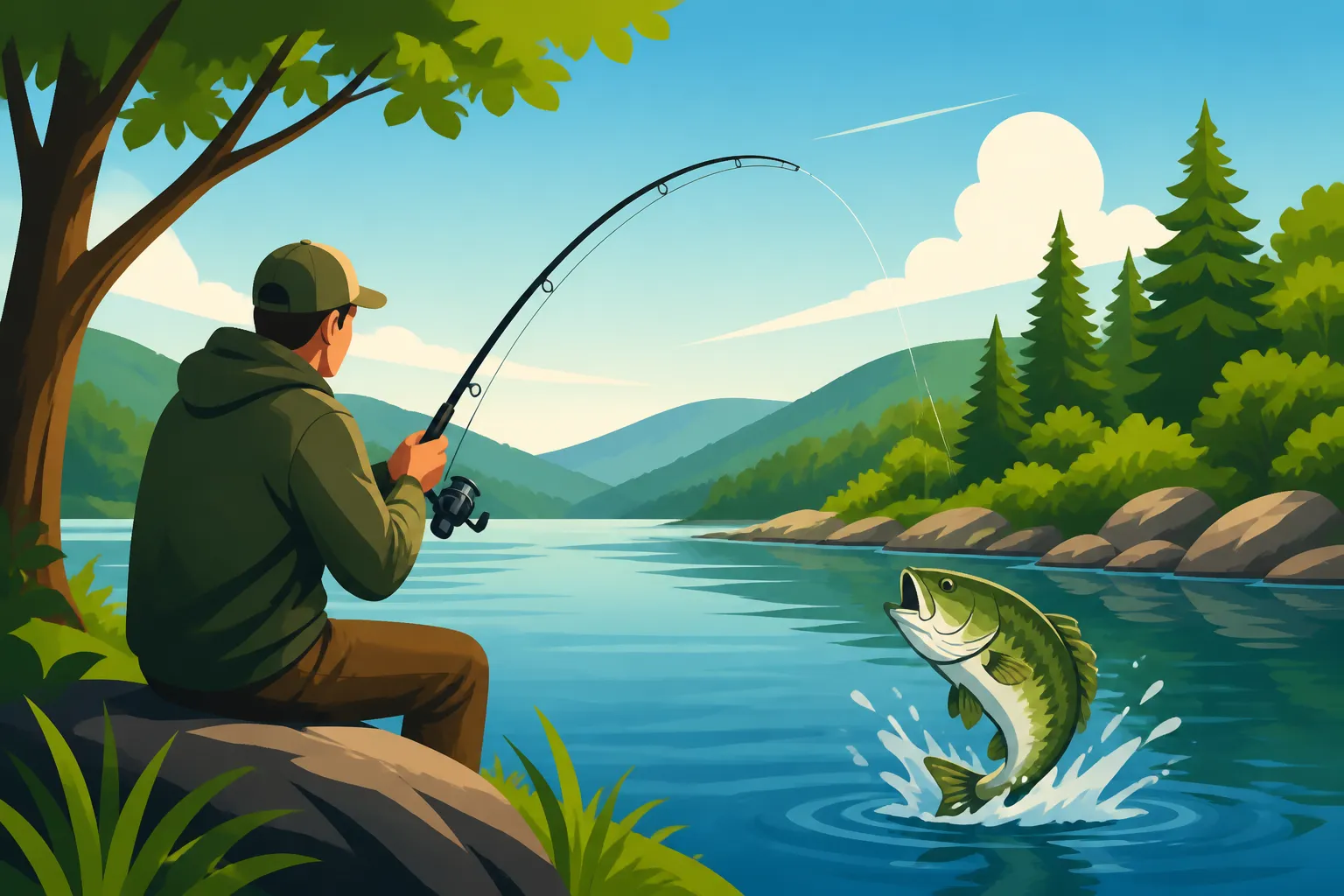
There’s a special kind of magic that comes with finding a fishing spot where the only sounds are the rustle of leaves, the chirping of birds, and the gentle lapping of water against the bank. It's a stark contrast to the buzzing of trolling motors, the shouts from other boats, and the general hubbub of popular lakes. For many anglers, the search for solitude is just as important as the pursuit of a trophy fish.
Escaping the Crowds and Pressure
The sheer frustration of a crowded fishing spot can quickly turn a relaxing outing into a stressful one. Imagine finally getting a bite, only to have another boat motor right over your line, or casting out repeatedly into a prime spot that has already been hammered by dozens of anglers before you. This isn't just about personal preference; it directly impacts your fishing success. When fish are constantly bombarded with lures, boat noise, and human presence, they become incredibly wary. They learn to avoid certain areas, strike baits more hesitantly, and often retreat to deeper, less accessible waters.
Beyond the practical impact on fishing, the psychological toll of a crowded lake is real. We head out to the water to decompress, to connect with nature, and to escape the daily grind. Finding peace and quiet becomes a vital part of that experience. Remote spots offer an unparalleled opportunity to truly unwind, to listen to the natural world, and to fully immerse yourself in the moment without constant interruptions or the feeling of being watched. It's about reconnecting with the core reason many of us started fishing in the first place: the tranquility and the thrill of the unknown.
Unpressured Fish and Better Bites
One of the biggest advantages of seeking out less-crowded waters is the simple fact that you’re dealing with unpressured fish. Think about it: if a bass or crappie rarely sees a lure, it’s much more likely to strike aggressively when it does. These fish haven’t learned to associate specific baits with danger, nor have they been poked and prodded by countless hooks. This often translates directly into higher catch rates and, more often than not, the chance at larger, more mature fish that haven't been harvested yet.
In these secluded areas, fish tend to behave more naturally. They might be holding in shallower cover, feeding more openly, and generally being less skittish. This can make for an incredibly exciting and rewarding day on the water. Instead of painstakingly trying to coax a bite from a highly educated fish, you might find them practically jumping on your line. It's a truly exhilarating experience to discover a hidden honey hole where the fish are active and eager to bite, making all the effort of finding these remote spots well worth it.
Navigating Illinois' Hidden Gems: Finding Remote Water
Illinois, despite its population density, still holds countless overlooked fishing opportunities if you know where to look. It requires a bit of detective work and a willingness to explore, but the rewards are often spectacular. The key is to think beyond the widely advertised spots and embrace the adventure of discovery.
Utilizing Public Land and State Parks
While major state parks like Rend Lake, Lake Shelbyville, and Carlyle Lake draw thousands, Illinois is dotted with smaller state parks, conservation areas, and state forests that harbor lesser-known lakes and ponds. These smaller bodies of water often receive far less fishing pressure, either because they're harder to access, have limited amenities, or simply aren't on the radar of most anglers. For example, within the sprawling Shawnee National Forest in Southern Illinois, there are numerous small impoundments and ponds that are often only reachable by hiking or a short drive down a gravel road. These spots can be goldmines for panfish, bass, and even catfish.
Always remember that even within popular state parks, there might be remote sections or smaller satellite ponds that offer more solitude. Don't just stick to the main boat ramp or beach area. Consult detailed maps, like those available from the Illinois Department of Natural Resources (IDNR), or use satellite imagery on apps like Google Earth to identify promising, secluded coves or smaller bodies of water away from the crowds. It's also vital to check the current Illinois Fishing Regulations Overview for any site-specific rules that might apply to these lesser-known areas, as they can sometimes differ from statewide regulations.
Exploring River Backwaters and Tributaries
Illinois is crisscrossed by an incredible network of rivers, and these waterways are a treasure trove for remote fishing. The larger rivers, like the Illinois River and especially the Mississippi River, have countless backwater sloughs, oxbow lakes, and tributary creeks that offer fantastic fishing away from the main channel. These areas are often difficult to access without a small boat, canoe, or kayak, which naturally filters out a large portion of anglers. For those willing to put in the effort, the rewards can be immense.
Think about the quiet side channels off the main flow, hidden behind islands or dense vegetation. These spots often hold impressive numbers of crappie, bluegill, and various species of catfish. Fishing these backwaters requires a different approach than open-water lake fishing; current, submerged timber, and varying depths all come into play. A great place to start your research for these types of waters is by looking into Mississippi River Backwater Fishing for Crappie and Bass, Illinois. These areas provide excellent opportunities for targeting fish that rarely see a hook, offering an authentic wilderness experience right here in Illinois.
Off-the-Beaten-Path Reservoirs and Lake Arms
Even Illinois's larger reservoirs, like Lake Shelbyville or Clinton Lake, which can see significant boat traffic, possess remote arms, coves, or less-developed shorelines that offer a taste of solitude. These areas are often characterized by harder-to-reach boat ramps, limited parking, or require a longer run by boat to get to. The south end of Lake Shelbyville, for instance, has several arms that are far less fished than the more accessible northern sections. Similarly, parts of Carlyle Lake’s sprawling shoreline offer secluded spots perfect for bank anglers or those with smaller, more nimble watercraft.
To find these spots, pull out a topographical map or use a detailed marine chart. Look for areas with limited road access, dense timber along the shore, or shallow, winding coves that deter larger boats. These are the places where you'll find peace and often, some fantastic fishing. Don't be afraid to take a chance on a longer drive or a bit more effort to launch your boat; the serenity and the bites you find will often make it entirely worthwhile. When planning your trip, consider checking out local guide services on platforms like FishingBooker, as their seasoned captains often know these hidden gems and how to access them safely.
Top Remote Fishing Spots in Northern Illinois
Finding quiet fishing spots in Northern Illinois, especially near the bustling Chicago metropolitan area, can feel like a daunting task. However, with a bit of local knowledge and a willingness to explore, you can absolutely discover serene fishing opportunities where you won't be constantly competing with other anglers.
Secluded Ponds and Rivers Near Chicago
While the Chicago lakefront and many forest preserve lakes can get incredibly busy, there are still pockets of tranquility. The Des Plaines River, while flowing through urban and suburban areas, has numerous access points and stretches that offer surprising solitude. Look for less-developed sections within the forest preserves, particularly those requiring a bit of a walk from the parking lot. These areas, often characterized by dense woods and fewer amenities, see significantly less pressure. Here, you can target smallmouth bass, northern pike, and a variety of panfish. Just be sure to always verify access rules and land ownership before venturing out.
Beyond the river, many smaller, unnamed ponds within various forest preserves, especially those not immediately adjacent to picnic areas or playgrounds, can be excellent. These might be a short hike in, but that little bit of effort often means you’ll have the water mostly to yourself. You won't typically find state-record fish in these smaller ponds, but for a peaceful day catching bluegill, smaller bass, and channel catfish, they are perfect. These are great places to practice your casting, try out new lures, or simply enjoy a quiet afternoon outdoors.
Less-Pressured Lakes in Northwestern Illinois
Venturing further west into Northwestern Illinois opens up more opportunities for less-crowded fishing. Lakes like Lake Le-Aqua-Na State Park, while popular, often have quieter coves or less accessible banks that offer more solitude. The key is to explore beyond the main swim beach or popular boat launches. Small, electric-motor-only lakes, which limit large boat traffic, are also excellent choices for finding peace. Another hidden gem could be parts of the Rock River system, which, much like the Mississippi, has backwaters and slower-moving sections that are less frequented.
Consider exploring the small state recreation areas or conservation areas further away from major highways. Places like Argyle Lake State Park, though it has amenities, still offers plenty of shoreline and calmer areas to escape the crowds, especially during weekdays or early mornings. These lakes and rivers are often stocked by the IDNR, ensuring a healthy fish population. Before you go, it's always a good idea to check the specific body of water for details on what fish species are prevalent and what special regulations might apply. This proactive research can greatly improve your chances of success and ensure you're compliant with all rules, potentially saving you from penalties for Fishing Without a License in Illinois.
Southern Illinois' Untamed Waters
Southern Illinois is a true paradise for anglers seeking remote and less-crowded fishing experiences. The landscape here is vastly different from the northern part of the state, dominated by the rolling hills, dense forests, and expansive waters of the Shawnee National Forest and the mighty Mississippi River.
Shawnee National Forest's Hidden Lakes
The crown jewel of Southern Illinois fishing for solitude-seekers is undoubtedly the Shawnee National Forest. This vast public land is home to numerous lakes, ponds, and streams, many of which are tucked away and require a bit of effort to reach. While Kinkaid Lake and Lake of Egypt are well-known for their excellent bass and crappie fishing, their larger size means they also have countless coves and arms that are far less pressured. Take Kinkaid Lake, for example; its rugged, timbered shorelines and deep, clear waters mean that many areas are only accessible by smaller boats or a decent hike, discouraging casual anglers. This is where you can find truly unpressured fish.
Beyond the major lakes, the Shawnee National Forest contains dozens of smaller, often unnamed, impoundments. These small lakes and ponds are sometimes stocked by the IDNR but receive minimal fishing pressure due to their remote locations. They might require navigating gravel roads or hiking through dense woods to reach, but the reward is often a completely private fishing experience with eager bluegill, feisty bass, and hungry catfish. Make sure you're prepared for a true wilderness experience, carrying ample water and all necessary supplies, as services will be few and far between.
Mississippi River Backwater Fishing
The Mississippi River, particularly its vast network of backwaters, sloughs, and oxbow lakes in Southern Illinois, offers some of the most remote and productive fishing in the entire state. From Alton down to Cairo, the river creates an incredible array of secluded habitats perfect for crappie, bluegill, catfish, and even some largemouth bass. These areas are often protected from the main river's strong current and boat traffic, providing calm, nutrient-rich waters where fish thrive.
Accessing these backwaters often requires a smaller boat, like a jon boat, kayak, or canoe, capable of navigating shallow water and tight channels. Many of these areas are only accessible when river levels are suitable, adding to their ephemeral and remote nature. Anglers willing to explore these labyrinthine waterways will discover fantastic fishing for Channel, Blue, and Flathead Catfish, especially in the deeper holes and around submerged timber. Learning Mississippi River Catfish Fishing in Southern Illinois can significantly enhance your success in these bountiful, yet secluded, areas. Utilizing a charter service through FishingBooker might also be beneficial here, as local guides are experts at navigating these complex waters and know exactly where the fish are hiding.
Essential Gear and Techniques for Remote Fishing
Heading into remote fishing spots isn’t just about finding the location; it’s about being prepared with the right gear and adopting techniques suited for less-pressured environments. The solitude comes with a need for self-sufficiency and a slightly different approach to your angling strategy.
Packing Light and Smart for Access
Accessing remote areas often means hiking, paddling, or navigating difficult terrain. This necessitates a "less is more" approach to your gear. If you're hiking in, a comfortable fishing backpack is essential, loaded with only the absolute necessities: a few versatile rods (maybe even a telescoping one), a small tackle box with a carefully selected array of lures and baits, and plenty of water. Carrying a portable water filter or purification tablets can also be a lifesaver. For water access, a kayak, canoe, or even a float tube can be invaluable. These lightweight craft allow you to reach areas inaccessible to larger boats, silently gliding into shallow coves or narrow river channels.
Beyond fishing gear, think about personal safety and comfort. A small first-aid kit, insect repellent, sunscreen, a hat, and appropriate footwear are crucial. A reliable headlamp or flashlight is also a must, even if you plan to be back before dark, as unexpected delays can happen. Don't forget a fully charged cell phone (though service might be spotty in truly remote areas), and consider a portable charger. For those utilizing kayaks, ensuring you have proper Kayak Fishing Gear for Illinois Waters will make your trip safer and more enjoyable.
Stealth and Presentation for Wary Fish
While unpressured fish might be more aggressive, they still benefit from a stealthy approach. These fish aren't used to human presence, so loud noises, heavy footsteps on the bank, or a boat motor running too close can spook them just as effectively as in a crowded lake. Approaching quietly, whether by foot or by paddle, can make a huge difference. Consider lighter fishing lines, especially in clear waters, as fish in these areas might have less experience with artificial presentations and can be line-shy.
Your presentation should also be as natural as possible. Live bait, like worms or minnows, can be incredibly effective on fish that aren't accustomed to seeing many lures. If you're using artificials, opt for natural colors and subtle retrieve techniques. A slow, methodical approach often works best, allowing the bait to mimic natural forage. Remember, these fish haven't been "educated" by countless anglers, so sometimes the simplest presentations are the most effective. Familiarizing yourself with a Seasonal Bait Selection Guide can also help you choose the most effective offerings for your remote expeditions.
Planning Your Remote Illinois Fishing Adventure
Successfully exploring remote fishing spots requires more than just a map; it demands thorough preparation, an understanding of regulations, and a strong emphasis on safety. These hidden gems are often remote for a reason, meaning fewer resources and potentially more hazards.
Researching Access and Regulations
Before you even pack your bags, extensive research is paramount. Start with the Illinois Department of Natural Resources (IDNR) website for information on public lands, state parks, and fishing regulations. Look for detailed maps of the specific area you plan to visit. Satellite mapping tools like Google Earth or dedicated fishing apps can reveal hidden trails, obscure ponds, or subtle changes in river morphology that indicate potential fishing spots. Pay close attention to land ownership; ensure you are fishing on public land or have explicit permission to access private property. Trespassing can lead to fines and spoil your day.
Furthermore, always check for site-specific regulations. While a general Illinois Fishing License Guide for 2026 provides statewide rules, many smaller lakes or river sections have unique catch limits, size restrictions, or even tackle restrictions (e.g., electric motors only). Local bait shops or online fishing forums can also be invaluable resources, offering insider tips and up-to-date information on conditions or recent changes. Don't be afraid to ask for advice, but be respectful of local knowledge – sometimes the best spots are kept quiet for a reason! If you're looking for up-to-date local insights or even to book a guided trip to truly remote areas, FishingBooker can be an excellent resource for connecting with experienced local guides who know these waters intimately.
Safety First in Secluded Areas
Because remote spots are, by definition, less-traveled, safety considerations become even more critical. Always inform someone reliable of your exact plans: where you're going, your planned route, and when you expect to return. This "float plan" is crucial in case of an emergency. Carry a fully charged cell phone, but don't rely on it for navigation or communication, as service can be non-existent in many wilderness areas. A handheld GPS device or a traditional map and compass can be lifesavers.
Be prepared for unexpected weather changes, which can happen rapidly in Illinois. Pack extra layers, rain gear, and sufficient food and water. Be aware of local wildlife, including snakes, ticks, and other potentially hazardous creatures. Know basic first aid and how to handle common injuries. If you are boating, ensure you have all the necessary Illinois Boating Safety Gear Checklist and know how to use it. A commitment to safety ensures that your remote fishing adventure remains a positive and memorable experience.
Comparing Remote Fishing Spot Types
To help you decide which remote fishing adventure suits you best, here's a quick comparison of the characteristics and challenges of different types of less-crowded Illinois fishing spots:
| Feature | Public Land Lakes/Ponds | River Backwaters/Tributaries | Large Lake Remote Arms |
|---|---|---|---|
| Accessibility | Often hike-in, gravel roads, limited parking. | Requires small boat/kayak, knowledge of river levels/currents. | Longer boat runs, limited boat ramps, some hike-in shore. |
| Typical Fish | Panfish, Bass, Catfish | Crappie, Catfish, Bass, Pike | Bass, Crappie, Walleye, Catfish |
| Crowd Level | Very low, especially with effort. | Low to moderate, depending on access. | Low to moderate, depending on specific arm/cove. |
| Gear Needs | Backpacking setup, portable rods, light tackle. | Small boat/kayak, river-specific tackle, anchor. | Standard lake tackle, but smaller craft might be better. |
| Navigation | Topo maps, satellite imagery crucial. | River charts, depth finders, current awareness. | Marine charts, GPS, knowledge of underwater structure. |
| Challenges | Hike, bugs, limited amenities, variable fish size. | Currents, shallow water, snags, changing water levels. | Wind, long runs, still some boat traffic (though less). |
| Best For | True solitude, family outings for panfish. | Adventurous anglers, multi-species, unique habitat. | Targeting larger game fish, getting away from main lake traffic. |
Remember, each type of remote spot offers a unique experience. By understanding their characteristics, you can better prepare for your journey and maximize your chances of a successful and peaceful outing.
Disclaimer
Please note that fishing regulations, conditions, and access points can change. Always consult the official Illinois Department of Natural Resources (IDNR) website or local authorities for the most current information before planning any fishing trip. Safety should always be your top priority when exploring remote areas.