Lake Michigan Salmon and Trout Fishing in Illinois
The thought of fishing the massive expanse of Lake Michigan for powerful salmon and vibrant trout can feel overwhelming, can't it? It’s a completely different ballgame from your local pond or river, with specialized gear, tactics, and an entirely new set of seasonal patterns to learn. This comprehensive guide will demystify the process, walking you through everything you need to know to confidently pursue these incredible coldwater species along Illinois's stunning Lake Michigan shoreline, turning that dream trip into a successful reality.
The Allure of Lake Michigan's Coldwater Fishery
Lake Michigan, our very own freshwater ocean, holds a special place in the hearts of Illinois anglers. It's a truly unique environment, a vast and deep body of water that supports a thriving population of fish typically associated with colder, saltwater environments. The sheer size of the lake, its incredible depths, and the unique challenges it presents are what draw so many to its shores and waters. You're not just fishing; you're embarking on an adventure that can yield some of the biggest, most exciting catches in the state.
A Diverse Ecosystem for Trophy Fish
What makes Lake Michigan so fascinating is its incredibly diverse coldwater ecosystem. This isn't just about one or two species; it's a vibrant tapestry of fish introduced and maintained by diligent stocking programs. These magnificent fish, including several species of salmon and trout, find the deep, cold, oxygen-rich waters of Lake Michigan to be the perfect habitat. They grow large, they fight hard, and they provide an angling experience unlike any other in Illinois. From the hard-hitting Chinook to the acrobatic Steelhead, there’s always a new challenge waiting beneath the waves. The ecosystem supports not only these prized game fish but also a robust forage base of alewives and other baitfish, which are crucial for their growth and survival.
It’s important to remember that this is a managed fishery. The Illinois Department of Natural Resources (IDNR), in cooperation with other Great Lakes states, works tirelessly to ensure these populations remain healthy and sustainable. This means strict regulations, careful monitoring, and consistent stocking of millions of fish each year. Without these efforts, the incredible fishing opportunities we enjoy wouldn't exist. This complex interplay between natural conditions and human management makes every trip a testament to dedicated conservation.
Understanding the Seasons and Their Impact
Fishing Lake Michigan isn't a one-size-fits-all affair; the lake's moods and the fish's movements change dramatically with the seasons. What works in April won't necessarily work in August, and knowing these patterns is key to success. The water temperatures, baitfish movements, and spawning cycles all dictate where and how you'll find salmon and trout. For instance, the nearshore waters can be excellent in spring and fall when fish are closer to shore, while summer often means heading offshore to find cooler, deeper water.
Understanding these seasonal shifts can save you a lot of frustration and vastly improve your catch rates. Early spring often sees Coho salmon close to shore, making them accessible to pier and shore anglers. As the water warms, these fish move deeper, and you'll need a boat to chase them. Fall brings a renewed push to the shore as salmon prepare to spawn, offering another fantastic opportunity. The patterns are predictable to an extent, but Lake Michigan always keeps a few surprises up its sleeve. For a deeper dive into these seasonal patterns, you might want to check out our guide on the Best Time of Year to Fish Lake Michigan in Illinois.
Targeting Illinois' Prized Salmon Species
When most people think of Lake Michigan fishing, salmon are often the first fish that come to mind, and for good reason! These powerful, hard-fighting fish provide an exhilarating experience, whether you're trolling offshore or casting from a pier. Illinois anglers are fortunate to have access to several species, each with its own habits and prime seasons.
Coho Salmon: The Spring and Fall Fighters
Coho salmon are arguably the most popular salmon species for Illinois anglers, particularly in spring and fall. These fish are known for their aggressive strikes and spirited fights, often leaping clear of the water. In the spring, Cohos move into shallower, warmer waters close to shore, often congregating around harbors and river mouths where they feed heavily on alewives. This makes them accessible to both boat and shore anglers, offering some of the earliest exciting fishing of the year.
As spring progresses into summer, Coho salmon tend to move further offshore, following their food sources into deeper, cooler water. This is when trolling becomes the dominant technique for boat anglers. However, they make a strong return to nearshore waters in the fall as they begin their spawning runs. Standard trolling setups with smaller spoons or dodgers and flies are highly effective for these fish. If you're looking to plan your trips around this exciting species, our Best Months for Lake Michigan Salmon Fishing in Illinois article has more detailed timing information.
Chinook Salmon: The King of Lake Michigan
Chinook salmon, often called "Kings," are the giants of Lake Michigan. These are the fish that can truly test your tackle and your stamina, regularly reaching weights of 20 pounds or more, with some monsters pushing past 30. Chinook are present year-round, but their peak seasons tend to be late spring through summer, and then again in the fall as they stage for spawning. Unlike Cohos, they generally prefer deeper, cooler water throughout much of the season, making them primarily a boat angler's target.
Chasing Chinook requires robust gear and patient trolling strategies. They hit hard and make powerful, long runs, often staying deep. Many anglers use downriggers to present large spoons, plugs, or cut bait at precise depths where these kings are feeding. In the late summer and early fall, larger Chinooks will begin to stage near river mouths and harbors, preparing for their upstream spawning migration, offering incredible, though often fleeting, opportunities for those fishing from piers or close to shore. Getting familiar with the Illinois Trout and Salmon Stamp Requirements is crucial before targeting these magnificent fish.
Other Salmonid Opportunities (Atlantic and Pink)
While Coho and Chinook dominate the Lake Michigan salmon scene in Illinois, there are other salmonid species that occasionally make an appearance, adding to the lake's diverse angling opportunities. Atlantic salmon, though not as prevalent, are stocked in some Great Lakes waters and can occasionally be caught. These fish are known for their incredible leaps and strong fights, making them a prized catch for any angler lucky enough to encounter one. They often feed on similar forage as Coho and Chinook, so they might be caught using similar trolling methods.
Pink salmon, also known as "humpbacks" due to the pronounced hump males develop during spawning, are a much rarer sight in Lake Michigan but have been documented. They are much smaller than other salmon species but can provide an unexpected surprise. While these are not primary target species for most Illinois anglers, the possibility of catching something a little different always adds an extra layer of excitement to any Lake Michigan outing. It’s a testament to the dynamic nature of this great fishery.
The Thrill of Lake Michigan Trout Fishing
Beyond the powerful salmon, Lake Michigan also harbors an impressive array of trout species, each offering a distinct challenge and experience. From the bottom-dwelling giants to the surface-crashing acrobats, trout fishing here is a vibrant and rewarding pursuit that complements the salmon season perfectly.
Lake Trout: Deepwater Giants
Lake trout are the true native residents of Lake Michigan's deep, cold waters, and they are built for power and endurance. These fish can grow incredibly large, with specimens exceeding 20 pounds not uncommon, and state records pushing much higher. Unlike their salmon cousins, Lake trout don't die after spawning; they are long-lived fish that can be found in the deepest parts of the lake throughout the year.
Fishing for Lake trout often means deploying heavy gear and targeting deep structures. Downriggers are essential for presenting heavy spoons, dodgers, or even live bait close to the bottom, sometimes in waters well over 100 feet deep. They are strong, consistent fighters that pull hard, rather than making the aerial displays of other trout. Many dedicated trout anglers specifically target them, understanding that their resilience and size make them a truly formidable opponent. Learning about Lake Michigan Salmon Stamp Requirements for Anglers will also cover trout, as these stamps are typically combined.
Steelhead and Rainbow Trout: Surface Acrobats
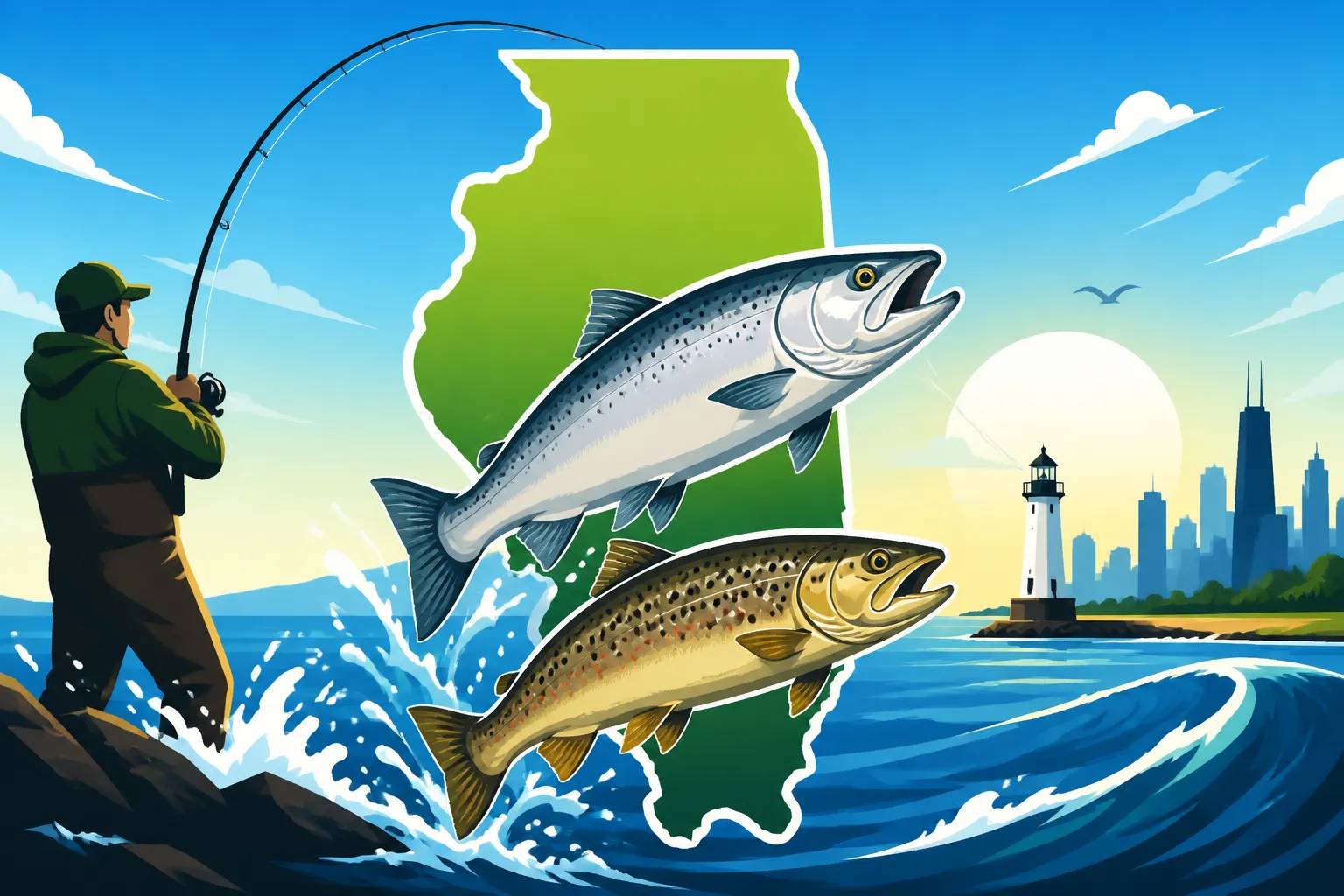
Steelhead, which are migratory rainbow trout, are among the most exciting fish to catch in Lake Michigan. These silver bullets are renowned for their incredible aerial displays, often jumping repeatedly when hooked. They spend most of their lives in the open waters of Lake Michigan, feeding and growing large, before returning to rivers to spawn.
Steelhead are often caught while trolling for salmon, but savvy anglers can specifically target them, especially in spring and fall when they are more likely to be found closer to the surface or near river mouths. Planer boards are particularly effective for presenting lures away from the boat, covering a wider swath of water. They readily strike a variety of spoons, crankbaits, and flies. For specific information on when to target these beauties, our Lake Michigan Trout Season Timing in Illinois guide offers excellent insights.
Brown Trout: Nearshore Opportunists
Brown trout, while not as abundant as other species, offer a unique and often rewarding fishing experience, particularly for those who prefer to stay closer to shore. These fish are notorious for their elusive nature and opportunistic feeding habits. They tend to patrol rocky shorelines, breakwalls, and harbor areas, especially during cooler water periods in spring and fall. Brown trout can also grow quite large, and a trophy brown offers a stunning golden-brown hue and a formidable fight.
Anglers targeting brown trout often use a combination of trolling with shallow-running crankbaits or spoons close to shore, or casting from piers and jetties with stickbaits or spoons. They are attracted to irregular structures and often lurk where baitfish are abundant. While they might be a bit more challenging to consistently locate, the reward of hooking into a large Lake Michigan brown trout is a memory that lasts a lifetime. Checking the local regulations is vital, as Illinois Fishing License Guide for 2026 outlines the general requirements.
Essential Gear and Techniques for Great Lake Success
Fishing Lake Michigan, particularly from a boat, demands a different approach and specialized gear compared to most inland fishing. The vastness of the water, the depths involved, and the powerful nature of salmon and trout mean you need robust equipment and precise techniques to consistently find and land fish.
The Art of Trolling: Downriggers and Planer Boards
Trolling is by far the most effective and popular method for fishing salmon and trout on Lake Michigan from a boat. It involves dragging multiple lines behind a moving boat, presenting lures at various depths and distances. To achieve this, two key pieces of equipment stand out: downriggers and planer boards.
Downriggers are heavy-duty devices that allow you to precisely control the depth of your lure. A heavy weight (the cannonball) is lowered to a desired depth, and your fishing line is attached to a release clip on the downrigger cable. When a fish strikes, the line pops free from the clip, allowing you to fight the fish directly without the weight. This is crucial for targeting fish suspended in the water column or hugging the bottom in deep water. You can often see multiple downriggers deployed from a single boat, creating a "spread" of lures at different depths. For a deeper understanding, look into Downriggers and Planer Boards for Lake Michigan.
Planer boards, on the other hand, are designed to spread your lines out horizontally from the sides of the boat. This allows you to cover a much wider area of water and keeps your lines from tangling, especially when running multiple rods. They are particularly effective for targeting fish that are shallower or shy of the boat's presence. There are various types of planer boards, from large inline boards to larger mast systems, each suited for different conditions and numbers of lines. Mastering the use of both downriggers and planer boards is a significant step towards becoming a successful Lake Michigan angler.
Rods, Reels, and Line: Matching Your Tackle
When you're battling a hard-charging Chinook or a leaping Steelhead, your tackle needs to be up to the task. Standard bass or panfish gear simply won't cut it. For Lake Michigan salmon and trout, you'll want specialized rods, reels, and line that can handle the stress and power of these large fish.
- Rods: Trolling rods are typically medium to heavy action, 7 to 10 feet long, with a soft tip to absorb shock and a strong backbone to fight large fish. They are designed to withstand the constant pressure of pulling lures and often feature sturdy guides. For casting from piers, longer, medium-heavy spinning rods are preferred for their casting distance and ability to handle heavier lures.
- Reels: For trolling, levelwind conventional reels are standard. They offer excellent line capacity, a strong drag system, and a line counter (either built-in or aftermarket) to precisely monitor how much line is out. For pier fishing, heavy-duty spinning reels with smooth, powerful drags are ideal. Brands like Daiwa or Shimano offer robust options that stand up to the rigors of Lake Michigan.
- Line: Monofilament line in the 17-25 pound test range is common for trolling, offering good shock absorption. Many anglers also use braided line as a backing with a fluorocarbon leader for added strength and abrasion resistance, especially in clearer water. For downrigger fishing, specific low-stretch lines are often used to ensure proper trip-release. Understanding the nuances of your Illinois Lake Michigan Salmon Trolling Setup is key here.
Lure Selection: Spoons, Plugs, and Flies
The variety of lures available for Lake Michigan salmon and trout can be dizzying, but a few types consistently prove effective. Matching your lure to the conditions, the target species, and the baitfish present is an art form that comes with experience.
- Spoons: These are perhaps the most versatile and widely used lures. They mimic injured baitfish with their wobbling, flashing action. Spoons come in a vast array of sizes, shapes, and colors. Common brands include Dreamweaver, Michigan Stinger, and Warrior. Different colors work better on sunny days (natural, chrome) versus cloudy days (glow, bright colors). Experimentation is key! For example, silver and blue are classic choices for clear water, while glow-in-the-dark spoons often shine in low light or deep water.
- Plugs: Diving plugs or crankbaits, like Rapala or Luhr Jensen Kwikfish, are excellent for imitating larger baitfish. They create a distinct wobble and vibration that can trigger aggressive strikes, especially from Chinook salmon and larger brown trout. They are often fished off downriggers or flatlined (fished directly behind the boat with no weight) in shallower water.
- Dodgers and Flies: This combination is a classic for Coho salmon. A dodger is a large, flat or slightly curved metal attractor that wobbles intensely, creating flash and vibration, but has no hook. A short leader (usually 18-24 inches) with a small fly (often tinsel or Mylar) is then attached behind the dodger. The dodger attracts the fish, and the fly, with its enticing movement, provokes the strike. This setup is incredibly effective, particularly for spring Coho.
Choosing the right lure also depends on the time of year and water clarity. Sometimes, a subtle presentation is best, while other times, a vibrant, attention-grabbing lure is what triggers the bite. Always have a variety on hand!
Prime Fishing Locations and Access Points in Illinois
Illinois offers fantastic access to Lake Michigan, with a string of harbors, piers, and boat launches dotting the coastline from Chicago all the way north to Winthrop Harbor. Knowing where to go and how to access these spots can make all the difference, whether you're bringing your own boat or planning a relaxing day of pier fishing.
Top Harbors and Boat Launches
For boat anglers, the choice of harbor and launch ramp can significantly impact your trip. These facilities provide critical access to the lake's vast fishing grounds and often offer amenities like bait shops, cleaning stations, and ample parking.
- Winthrop Harbor (North Point Marina): This is the largest freshwater marina in the world and a prime launching point for anglers heading north towards prime fishing grounds near the Illinois-Wisconsin border. It's renowned for excellent access to deep water and consistent salmon and trout action.
- Waukegan Harbor: A bustling harbor that offers great access to Lake Michigan's central Illinois waters. Waukegan is a popular choice for charter boats and private anglers alike, providing good infrastructure and proximity to popular fishing areas.
- Chicago Harbors (e.g., Montrose, Belmont, Burnham): The myriad of harbors along Chicago's lakefront offer unparalleled access for city anglers. While they can be busy, they put you right on the water, often with good fishing just outside the breakwalls. These spots are particularly good for early season Coho and for staging salmon in the fall. For more localized spots, check out Illinois's Lake Michigan Harbors Worth Fishing.
When using boat launches, always be mindful of boat ramp etiquette. It's a shared space, and a smooth launch and retrieve process benefits everyone. Having your boat ready to launch before backing down the ramp, and moving quickly once launched, are common courtesies.
Pier and Shore Fishing Hotspots
You don't necessarily need a boat to enjoy Lake Michigan fishing! The Illinois shoreline offers numerous opportunities for pier and shore anglers, especially during certain times of the year when salmon and trout move closer to the shallower waters.
- Chicago Piers (e.g., Montrose, Belmont, Navy Pier, 95th Street Breakwall): Chicago's long stretches of piers and breakwalls are legendary for their accessibility and potential for big catches. In spring, Coho salmon can be caught casting spoons or bait. In fall, as salmon stage for spawning, these piers become hotbeds of activity for both salmon and brown trout. Places like the 95th Street Pier are particularly famous for their fall Chinook runs. Dive deeper into specific spots with Chicago Pier Spots for Lake Michigan Salmon.
- Waukegan Piers: The piers in Waukegan offer excellent shore fishing, especially for brown trout and occasional salmon. The deep water access from the pier allows anglers to target fish that might otherwise require a boat.
- North Point Marina Piers: Even at the expansive North Point Marina, there are pier fishing opportunities available, often yielding a variety of trout and salmon species, particularly early and late in the season.
- Lakefront Parks and Beaches: While less consistent, some lakefront parks and beaches can offer opportunities, especially after storms or during periods of cooler water when fish are pushed closer to shore. Always check local regulations, as some areas might have restrictions.
Pier fishing requires patience and the right tackle – longer rods for casting distance, and heavier weights to combat current and wind. Remember, the fish are often moving, so being prepared to move along the pier can increase your chances.
Charter Services for Guided Adventures
For those new to Lake Michigan fishing, or simply looking for the best possible chance at a trophy fish without investing in all the specialized gear, a guided charter trip is an excellent option. Charter captains are professionals with years of experience on the lake. They know the seasonal patterns, the best spots, and have all the necessary high-end gear to put you on fish.
A charter trip provides a fantastic learning experience, as captains are often happy to share their knowledge and techniques. It's also an ideal way to experience the thrills of offshore trolling without the upfront cost and learning curve of owning and outfitting a boat. There are numerous reputable charter operations up and down the Illinois Lake Michigan coast, often operating out of the major harbors like Waukegan, Chicago, and Winthrop Harbor. You can find many experienced Lake Michigan charter captains by searching on platforms like FishingBooker. They can cater to groups of friends, families, or even individuals looking to share a trip. It's often the quickest way to get introduced to the exciting world of Lake Michigan salmon and trout fishing.
Navigating Regulations and Licensing
Like any responsible angler, understanding the rules and regulations is paramount. Lake Michigan fishing falls under Illinois state regulations, and these are put in place to protect the fishery and ensure its sustainability for generations to come. Skipping this step can lead to hefty fines and a ruined day on the water.
Understanding Illinois Fishing License and Stamp Requirements
Before you even think about casting a line in Lake Michigan, you absolutely need to have the proper licenses and stamps. The first step for any resident or nonresident angler is acquiring an Illinois Fishing License Guide for 2026.
- Illinois Fishing License: Almost everyone aged 16 and over needs a valid Illinois fishing license. There are different types available, including annual, 24-hour, and even lifetime options. Nonresidents will pay a higher fee, but the process is similar. You can typically purchase these online, at IDNR offices, or from many bait shops and sporting goods stores like those that carry brands such as Plano for tackle storage.
- Inland Trout and Salmon Stamp: This is a crucial additional requirement for Lake Michigan anglers. While many people think of "trout stamp" as separate from "salmon stamp," in Illinois, it's typically combined into a single endorsement that covers both. If you intend to harvest any trout or salmon from Lake Michigan (or any inland lake stocked with trout), you must have this stamp in addition to your regular fishing license. It's a small additional cost, but it directly supports the stocking programs that make this fishery so vibrant. Make sure you're up to date on Illinois Trout and Salmon Stamp Requirements to avoid any issues.
Always carry proof of your license and stamp with you, whether it's a physical copy or a digital version on your phone. Game wardens conduct regular checks, and being caught without the proper documentation can result in fines and confiscation of your catch.
Important Catch Limits and Size Restrictions
Beyond licenses, Lake Michigan fishing also has specific daily catch limits and minimum size restrictions for various species of salmon and trout. These regulations are subject to change, so always consult the most current Illinois Fishing Information Guide published by the IDNR before each season.
For Lake Michigan salmon and trout, there's usually a combined daily limit for all species of salmon and trout, with individual size limits for each. For instance:
- Chinook Salmon: Often have a minimum size limit and a daily creel limit.
- Coho Salmon: Also typically have a minimum size limit and are included in the overall salmon/trout creel limit.
- Lake Trout: Frequently have their own specific regulations, sometimes with a higher minimum size or lower daily limit to protect older, larger fish.
- Brown Trout and Steelhead/Rainbow Trout: Usually fall under the general salmon and trout regulations.
Here's a simplified example of what you might see (always double-check current regulations):
| Species | Minimum Size Limit | Daily Creel Limit |
|---|---|---|
| Chinook Salmon | 10 inches | 5 (combined) |
| Coho Salmon | 10 inches | 5 (combined) |
| Lake Trout | 15 inches | 2 |
| Brown Trout | 10 inches | 5 (combined) |
| Rainbow/Steelhead | 10 inches | 5 (combined) |
Note: The combined limit usually refers to salmon and trout, excluding Lake Trout which often has its own separate limit. This table is illustrative; always refer to the official IDNR guide.
It's your responsibility to know these rules. Measuring your fish accurately and immediately releasing any that are undersized is part of ethical angling. Exceeding your daily limit or possessing undersized fish can lead to significant penalties, so understanding Illinois Fishing Season and Catch Limit Rules is non-negotiable for a hassle-free trip.
Disclaimer
The information provided in this guide is intended for general informational purposes only and is subject to change. Fishing regulations, license requirements, and seasonal patterns for Lake Michigan salmon and trout fishing in Illinois are determined by the Illinois Department of Natural Resources (IDNR) and can be updated annually. Always consult the most current official IDNR Fishing Information Guide before embarking on any fishing trip to ensure compliance with all applicable laws and regulations. This guide does not constitute legal advice or a substitute for official government publications.