Carlyle Lake Fishing Guide
Trying to figure out where to cast your line on a massive body of water like Carlyle Lake can feel pretty overwhelming. It's Illinois' largest man-made lake, stretching for miles, and if you don't know the local secrets, you might spend more time searching than fishing. This comprehensive guide is here to cut through the confusion, offering you the best spots, species, and strategies to make your next Carlyle Lake fishing trip a huge success.
Understanding Carlyle Lake: Illinois' Largest Man-Made Fishery
Carlyle Lake isn't just a big puddle; it's a sprawling aquatic ecosystem that presents both challenges and incredible opportunities for anglers. Located in southern Illinois, this U.S. Army Corps of Engineers reservoir was created primarily for flood control, but it has blossomed into a recreational paradise, especially for fishing enthusiasts. Its sheer size – over 24,000 acres of water with 83 miles of shoreline – means there's always a new corner to explore, but it also means you need a game plan.
A Brief History and Overview
The construction of Carlyle Lake began in the early 1960s and was completed in 1967, impounding the Kaskaskia River. Unlike many natural lakes, reservoirs like Carlyle have unique characteristics, such as fluctuating water levels and abundant submerged timber from the original landscape. These features, while sometimes tricky to navigate, create fantastic habitat for a wide array of fish species. The lake's average depth is around 11 feet, but it features deeper channels and old river beds that can plunge to over 30 feet, especially near the dam. This varied topography is crucial for understanding where different fish will hold throughout the year.
The lake is a central hub for outdoor activities, drawing visitors from across Illinois and neighboring states. Beyond fishing, you'll find boating, camping, hunting, and birdwatching. For anglers, this means well-maintained facilities, numerous boat ramps, and plenty of access points, even if finding a quiet spot sometimes requires a bit of adventure. Understanding the purpose and design of the lake helps you anticipate fish behavior and locate prime fishing grounds, whether you're targeting the shallows or the deeper structure.
The Ecosystem and Its Impact on Fish
Carlyle Lake's ecosystem is incredibly dynamic. The lake is fed by the Kaskaskia River, which brings a steady flow of nutrients, contributing to its generally fertile waters. This fertility supports a robust baitfish population, particularly gizzard shad, which in turn fuels the growth of popular game fish. However, being a flood control reservoir, water levels can fluctuate significantly, especially during periods of heavy rain or drought. These fluctuations can reposition fish and require anglers to adapt their strategies. When water levels are high, fish often move into newly flooded terrestrial vegetation, offering new shallow-water opportunities. Conversely, during low water periods, fish consolidate around established deeper structures.
The lake bottom varies from soft, silty areas in shallower bays to harder, rockier sections, particularly along the riprap of the dam and causeways. There's also abundant standing timber and brush piles, especially in the upper reaches and larger coves, providing excellent cover for crappie and bass. The U.S. Army Corps of Engineers and the Illinois Department of Natural Resources (IDNR) actively manage the lake, stocking various species and maintaining habitat to ensure healthy fisheries. This ongoing management helps keep Carlyle Lake a productive fishing destination year after year. For those interested in the broader rules, it’s always a good idea to consult the latest Illinois Fishing Regulations Overview.
Key Fish Species You'll Encounter
Carlyle Lake is a true multi-species fishery, offering something for every type of angler. While some lakes might specialize in one or two species, Carlyle boasts strong populations of several popular game fish. The stars of the show are arguably the catfish, with healthy numbers of channel, blue, and flathead cats. Crappie fishing, particularly for white crappie, is also incredibly popular, especially in spring and fall. Bass anglers will find good numbers of largemouth and white bass, with the occasional smallmouth surprise. Walleye and sauger, though sometimes more challenging to target, are also present and offer a thrilling fight.
You'll also find a robust panfish population, including bluegill and sunfish, which are perfect for a relaxing afternoon with the family. The diversity of species means that even if one bite is slow, you can often pivot to another target. This makes Carlyle Lake an exciting destination for anglers who enjoy variety and are willing to experiment with different techniques. Knowing what species thrive here is the first step in planning a successful trip, allowing you to tailor your gear and approach to maximize your chances.
Mastering the Hunt for Carlyle Lake's Top Species
To truly conquer Carlyle Lake, you need to understand the habits and preferred haunts of its most sought-after fish. Each species has its own rhythm, and tailoring your approach can make all the difference between a slow day and a full cooler.
Chasing Channel, Blue, and Flathead Catfish
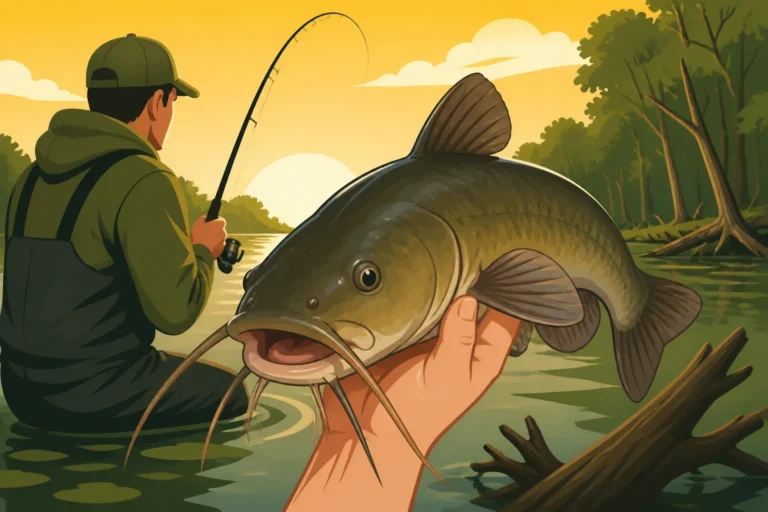
Carlyle Lake is legendary for its catfish, often touted as one of Illinois's premier destinations for these whiskered warriors. You'll find all three major species here, each with slightly different preferences. Channel catfish are the most common and widely distributed. They love shallow flats, creek channels, and areas with riprap, especially when there's a bit of current or fresh water flowing in. They are eager biters and will take a wide variety of baits, from stink baits and cut bait to worms and shad. Fishing them on the bottom with a simple slip-sinker rig is highly effective. Many local anglers rave about Carlyle Lake's Best Catfish Spots Along the Dam.
Blue catfish, known for their larger size and powerful fight, tend to inhabit deeper areas, especially the main lake channels and holes. They're primarily piscivorous, meaning they prefer fish, so fresh cut shad is often the most effective bait for these giants. A common strategy is to anchor up on a deep channel edge or hump and fan cast multiple rods with large chunks of shad. Flathead catfish are the true ambush predators of the cat family. They prefer live bait – a lively bluegill or shad is hard for them to resist – and they love to hide in heavy cover, like fallen trees, log jams, and brush piles in the deeper creek channels. Targeting flatheads often means getting your bait right into the snags where they live, which can be challenging but incredibly rewarding.
Finding the Abundant Crappie
Crappie fishing on Carlyle Lake is a perennial favorite, particularly for those looking to fill a stringer. Both white and black crappie are present, though white crappie tend to dominate due to the lake's generally fertile and sometimes turbid waters. The key to crappie success is finding structure. In spring, crappie move into shallower waters to spawn, often congregating around submerged brush, standing timber, and shallow weed lines in protected coves. Tiny jigs (1/16 to 1/32 ounce) tipped with minnows or soft plastics in chartreuse, white, or black are deadly during this period.
As the weather warms, crappie often move to deeper structures, like bridge pilings, submerged roadbeds, and brush piles in 8-20 feet of water. Vertical jigging or slow trolling with jigs and minnows are effective techniques. In the winter, when the lake freezes over, crappie become a prime ice fishing target, often holding tight to deep brush piles. Many anglers specifically target areas like the Allen Branch and Peppenhorst Branch for their excellent crappie populations. It’s worth exploring Where to Find Crappie on Carlyle Lake for more detailed spot breakdowns. The action can be fantastic, offering consistent bites and plenty of fish for the frying pan.
Strategies for Largemouth and White Bass
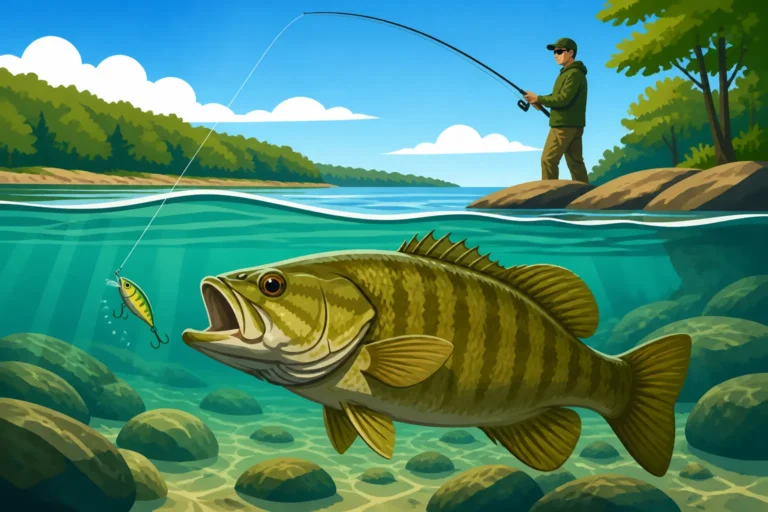
Bass fishing on Carlyle Lake provides exciting opportunities for both largemouth and white bass enthusiasts. Largemouth bass will be found in areas with ample cover and structure. This means targeting laydowns, brush piles, submerged timber, weed lines (when present), and rocky points. In spring, they'll move shallow into coves to spawn, hitting spinnerbaits, crankbaits, and soft plastics. As summer progresses, they'll often retreat to deeper cover or seek out cooler water during the heat of the day. Jigs, deep-diving crankbaits, and Texas-rigged plastic worms become go-to options.
White bass offer a different kind of thrill. They are schooling fish that often chase baitfish in open water, creating exciting surface boils that can be seen from a distance. When you spot these "jumps," cast small spoons, inline spinners, or jigs into the feeding frenzy. They also congregate around riprap areas, especially near the dam and causeways, particularly during spring and fall. A fast retrieve with a small crankbait or a silver spoon can be incredibly effective. Sometimes, you'll find them mixed in with hybrid stripers, which are occasionally stocked and offer an even harder fight. When the white bass are on, the action can be non-stop.
The Elusive Walleye and Sauger
While Carlyle Lake isn't typically known as a trophy walleye factory like some northern lakes, it does hold a respectable population of both walleye and their smaller cousins, sauger. These fish are often more challenging to catch, requiring a bit more finesse and specific techniques, but the reward of landing a beautiful walleye is well worth the effort. They tend to prefer deeper, cooler water and hard bottom areas, such as main lake points, humps, and the old river channel.
Spring and fall are generally the best times to target walleye and sauger. Vertical jigging with a jig tipped with a minnow or a nightcrawler is a classic and effective method, especially when fishing structure. Trolling crankbaits along channel edges or over submerged humps can also produce bites. Many anglers focus their efforts near the dam and the spillway areas, where current can concentrate these fish. Checking specific Illinois Walleye Size and Catch Limits is crucial, as they can vary by water body. For a dedicated trip, consider consulting a local guide, who might be listed on platforms like FishingBooker, as their expertise can significantly increase your chances of success with these more elusive species.
Prime Fishing Locations and Techniques on Carlyle Lake
Carlyle Lake is vast, and knowing where to go and how to fish effectively can save you hours of fruitless searching. Different parts of the lake offer unique characteristics, and understanding them is key to a productive outing.
Productive Shore Fishing Access Points
Even without a boat, Carlyle Lake offers fantastic shore fishing opportunities. The dam itself is a prime location for bank anglers, especially for catfish and white bass. The riprap along the dam attracts baitfish, which in turn draws in predators. You can often see anglers lined up, casting out into the deeper water or along the rocky edges. The General Dean State Recreation Area and Hazlet State Park both provide extensive shoreline access with designated fishing areas, piers, and jetties. These spots are often cleared of heavy brush, making casting easier.
Another great option is the various causeways that cross the lake, like the one near the main dam or between different sections of the lake. These areas act as natural funnels for fish movement and create current breaks, making them excellent spots for targeting a variety of species. Public access points in smaller coves, particularly those with submerged timber or brush piles, can also be productive, especially in spring for crappie and bass. Just remember to check for any restricted areas or private property before setting up your gear. For beginners, shore fishing is a fantastic way to experience the lake without needing extensive gear or a boat, and many of these areas are great for taking kids fishing.
Navigating the Lake by Boat: Key Structures
For those with a boat, Carlyle Lake truly opens up. The sheer size allows for endless exploration, but also means you need to prioritize. The main lake points, especially those with rocky bottoms or submerged timber, are excellent for bass and often hold walleye or sauger. The old Kaskaskia River channel winds its way through the lake, providing a natural highway for fish and a key target for catfish and deeper-holding crappie. Learning to read your electronics to identify the channel edges and any associated structure (like stumps or humps) is invaluable.
Large coves and bays, particularly those with standing timber or extensive brush piles, are crappie magnets. Areas like Allen Branch, Peppenhorst Branch, and Tamalco Access are well-known for their crappie populations. These spots can get crowded, especially during the spring spawn, so arriving early is often a good strategy. For catfish, consider anchoring near current breaks or deep holes in the main channel, or drifting large flats in the evening. Boat ramps are plentiful, but some, like those detailed in Carlyle Lake Boat Ramps for Big-Water Anglers, offer better access for larger vessels. Always be mindful of changing weather conditions on such a large body of water, as winds can whip up quickly, making navigation challenging for smaller boats.
Effective Baits and Lures for Carlyle's Waters
The bait and lure selection for Carlyle Lake largely depends on your target species and the time of year. For catfish, you can't go wrong with stink baits, cut shad, or live bluegill for flatheads. These are readily available at local bait shops around the lake. Crappie anglers will find success with live minnows fished under a bobber or on a simple jig head, as well as a variety of small plastic jigs in colors like chartreuse, white, and electric chicken. These plastics are often tipped with a crappie nibble or scent for added attraction.
Bass fishermen have a wide arsenal at their disposal. Spinnerbaits are great for covering water, especially around shallow cover. Crankbaits, both shallow and deep diving, are excellent for imitating baitfish. Plastic worms, creature baits, and jigs are indispensable for working slower around heavy cover. For white bass, small silver spoons, inline spinners (like Rooster Tails), and small white jigs are highly effective. Walleye and sauger respond well to jigs tipped with minnows or nightcrawlers, as well as various crankbaits trolled along deeper breaks. Don't forget to match the hatch – observing what baitfish are present can often give you clues about the best lure choices.
Carlyle Lake Through the Seasons: What to Expect
Fishing on Carlyle Lake is a year-round affair, but the patterns and successful techniques change dramatically with the seasons. Understanding these shifts is vital for consistent success.
Spring Spawning Frenzy
Spring is arguably the most anticipated time for many Carlyle Lake anglers. As water temperatures begin to rise, typically starting in March and peaking in April and May, fish become incredibly active. This is when the crappie move into shallow coves and brush piles for their spawn. You'll find them in just a few feet of water, often tucked into newly flooded timber or dense brush. This is prime time for slow trolling or casting small jigs and minnows.
Largemouth bass also become active, staging in pre-spawn areas like points and secondary coves before moving into shallower nesting sites. Spinnerbaits, shallow crankbaits, and even topwater lures can be effective as the water warms. Catfish, too, shake off their winter lethargy, moving into shallower feeding areas along channel bends and flats. The white bass run can also be phenomenal in spring, as they chase baitfish in large schools. Early spring also marks the start of the new Illinois License Year Start Fishing Tips, so make sure your permits are up to date! This period of intense activity means you might find multiple species biting well, making it a great time for a diverse fishing trip.
Summer's Deep Water Challenges
Carlyle Lake in summer can be a tale of two fisheries: early morning and late evening action in the shallows, and a deeper water grind during the heat of the day. As water temperatures climb into the 80s, many fish retreat to deeper, cooler, and more oxygenated waters. This means targeting channel edges, deep humps, and submerged timber in 15-30 feet of water. Catfish remain a strong target throughout summer, often holding in the deeper channels. Night fishing for catfish becomes incredibly popular and productive when the sun goes down, as they move shallower to feed under the cover of darkness.
Largemouth bass will often relate to offshore structure, deep brush piles, and the cooler waters of the main lake. Deep-diving crankbaits, heavy jigs, and Carolina-rigged plastics are key. White bass can still be found chasing schooling baitfish in open water, but these feeding frenzies might be more sporadic and occur more frequently during dawn or dusk. Crappie will suspend over deeper brush piles, often requiring electronics to locate them. While the daytime bite can be tough, the extended daylight hours and warm evenings make summer a fantastic time for relaxed fishing, especially if you focus on early morning or night outings.
Fall's Feeding Binge
Fall on Carlyle Lake is a truly magical time for anglers. As the water temperatures begin to cool, usually from September through November, fish enter a "feeding binge" as they bulk up for winter. This translates into some of the most consistent and aggressive bites of the year. Crappie move back into shallower coves and brush piles, becoming easier to locate and catch. They'll often be found in similar areas as in spring, but with a renewed urgency to feed.
Bass fishing can be phenomenal in the fall. Largemouth bass will be cruising creek channels and main lake points, chasing schools of baitfish. Spinnerbaits, crankbaits, and even topwater lures can all be effective. White bass will continue their schooling behavior, and the chases can be epic. Catfish are also still very active, feeding heavily before the cold sets in, and can be caught in a variety of locations, from shallow flats to deeper channels. The cooler weather and vibrant fall foliage make for a beautiful and productive time on the water.
Winter's Icy Opportunities
When the cold truly sets in and Carlyle Lake freezes over, it transforms into an ice fishing haven. While not as consistently frozen as some northern Illinois lakes, when conditions are safe, ice fishing for crappie, bluegill, and even some walleye can be excellent. The key is to locate deeper brush piles and structure where fish will congregate to conserve energy. Small jigs tipped with wax worms or minnows are the go-to baits. Safety is paramount when ice fishing; always check ice thickness and conditions before venturing out.
For anglers who prefer open water in winter, targeting catfish in deeper holes and channels can still be productive, though the bite will be slower and more subtle. Walleye and sauger may also be found in deeper areas, often requiring slow, vertical jigging. While less crowded, winter fishing demands patience and often specialized gear. Always be prepared for cold weather, and prioritize safety above all else. Remember, many guides available through FishingBooker also offer winter fishing advice or even trips when conditions allow.
Essential Planning for Your Carlyle Lake Fishing Adventure
A successful fishing trip to Carlyle Lake, like any large body of water, requires a bit of planning. Knowing the regulations and understanding the local facilities will enhance your experience.
Understanding Illinois Fishing Regulations
Before you even cast a line, it's absolutely crucial to familiarize yourself with Illinois fishing regulations. Every angler over the age of 16 needs an Illinois fishing license, and there are different types available, from annual licenses to short-term options. You can find comprehensive details in the Illinois Fishing License Guide for 2026. Beyond the general license, be aware of specific limits for different species. For instance, there are strict Illinois Catfish Daily Limits Explained and also specific Illinois Walleye Size and Catch Limits that apply to Carlyle Lake. These regulations are in place to ensure sustainable fish populations for future generations of anglers.
It's also important to remember that regulations can sometimes be site-specific, meaning rules for Carlyle Lake might differ slightly from statewide regulations or those for other nearby lakes. Always check the current Illinois Fishing Information Guide published by the IDNR, which is usually updated annually. This guide will provide all the necessary information on size limits, daily creel limits (how many fish you can keep), and any special regulations for Carlyle Lake. Ignorance of the law is not an excuse, and game wardens do patrol the lake regularly. Having your license and knowing the rules ensures a legal and enjoyable day on the water.
Boat Ramps, Marinas, and Amenities
Carlyle Lake is exceptionally well-equipped with public amenities, which is a huge plus for visiting anglers. There are numerous boat ramps scattered around the lake, making access easy from almost any direction. Popular ramps include those at Hazlet State Park, Dam West, Boulder, and Keyesport. These ramps are generally well-maintained and feature ample parking for trailers. Some marinas, like Hazlet State Park Marina, offer fuel, bait, tackle, and boat rentals, which can be a lifesaver if you forget something or need last-minute supplies.
Beyond fishing, the lake offers a wide range of recreational facilities. You'll find campgrounds operated by the Army Corps of Engineers and the Illinois Department of Natural Resources, offering everything from primitive sites to full hook-up RV spots. There are also picnic areas, swimming beaches, and hiking trails. For those needing a break from the water, the nearby towns of Carlyle, Vandalia, and Centralia offer dining options, grocery stores, and other services. Utilizing these resources makes for a more comfortable and convenient fishing trip, especially if you're planning a longer stay.
Lodging and Local Services
If you're coming from out of town, you'll find plenty of lodging options around Carlyle Lake. The towns immediately surrounding the lake, such as Carlyle, offer several hotels and motels. Many visitors also opt for vacation rentals, including cabins or homes with lake access, which can be a great option for families or groups. The numerous campgrounds managed by the Army Corps of Engineers and the state parks provide affordable and convenient overnight stays right on the water. Making reservations, especially for peak fishing seasons like spring and fall, is highly recommended as spots fill up quickly.
Beyond lodging, local bait and tackle shops are invaluable resources. They not only sell bait and gear but also provide up-to-the-minute fishing reports and local insights that you won't find anywhere else. Shops like Walmart in nearby towns will also carry basic fishing supplies. For those seeking a guided experience, especially if you're new to a large body of water like Carlyle, local fishing guides can offer invaluable expertise. You can often find reputable guides and charters through online services like FishingBooker, which provides listings and reviews, ensuring you connect with experienced local professionals who can put you on the fish.
Disclaimer
Please note that fishing conditions, regulations, and access points can change. Always consult the latest official Illinois Department of Natural Resources (IDNR) regulations and local advisories before planning your fishing trip to Carlyle Lake. Safety should always be your top priority when on the water.