Best Bank Fishing Spots in Illinois
Trying to find a great fishing spot in Illinois without a boat can feel like a real challenge, leaving many anglers wondering if they're missing out on all the action. But trust me, you absolutely don't need a fancy rig to experience incredible fishing here. This comprehensive guide is dedicated to uncovering the very best bank fishing spots across Illinois, ensuring you can enjoy a fantastic day on the water, rod in hand, no boat required.
The Undeniable Appeal of Bank Fishing in Illinois
There's something uniquely satisfying about bank fishing. It's accessible, often less complicated, and allows for a more relaxed connection with nature. For many, it evokes childhood memories of a simple cane pole and a worm, yet it can be incredibly productive for anglers of all skill levels. You don't have to worry about boat ramps, fuel costs, or trailer maintenance. Just grab your gear, find a comfortable spot, and cast away. This freedom is a huge draw for countless Illinois anglers, from the seasoned veteran looking for a quiet afternoon to families introducing their kids to the joys of the sport.
Accessibility and Simplicity
One of the biggest advantages of bank fishing is its sheer accessibility. Many prime fishing locations, particularly those managed by the Illinois Department of Natural Resources (IDNR) or local park districts, are specifically designed with bank anglers in mind. They feature maintained shorelines, fishing piers, accessible paths, and sometimes even amenities like restrooms and picnic areas. This means you can often drive right up, park your car, and be fishing within minutes. It removes many of the logistical hurdles that boat anglers face, making it easier to spontaneously decide to go fishing.
Think about it: no need to launch a boat in the dark or deal with crowded ramps on a Saturday morning. You can walk the shoreline, explore different depths and structures, and easily move if a spot isn't producing. This simplicity also makes it ideal for beginners or those who prefer a more minimalist approach to their angling adventures. It's a fantastic way to enjoy the outdoors without a significant investment in specialized equipment beyond your rod, reel, and tackle box.
Diverse Opportunities for Species
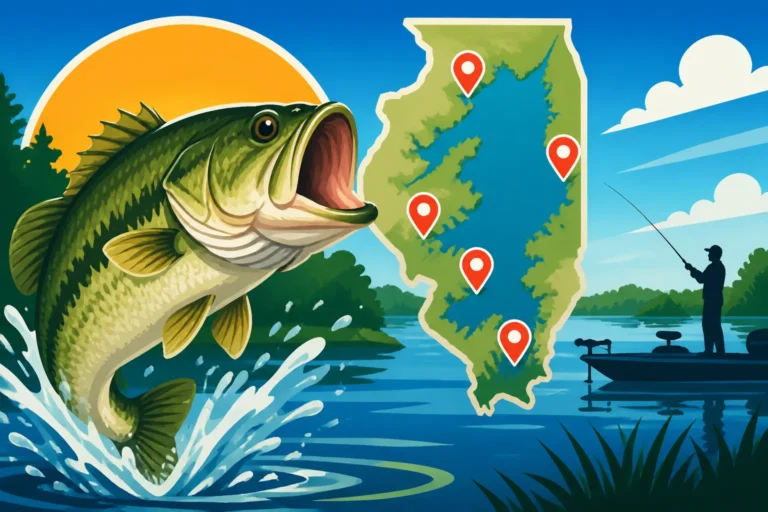
Illinois's diverse waterways offer a surprising array of fish species that are perfectly catchable from the bank. While some might assume bank fishing is limited to panfish, that's simply not true. You can target impressive largemouth and smallmouth bass, feisty channel catfish, abundant crappie, and even walleye in certain river systems. In Lake Michigan, shore anglers regularly hook into salmon and trout, especially during seasonal runs near harbors and piers.
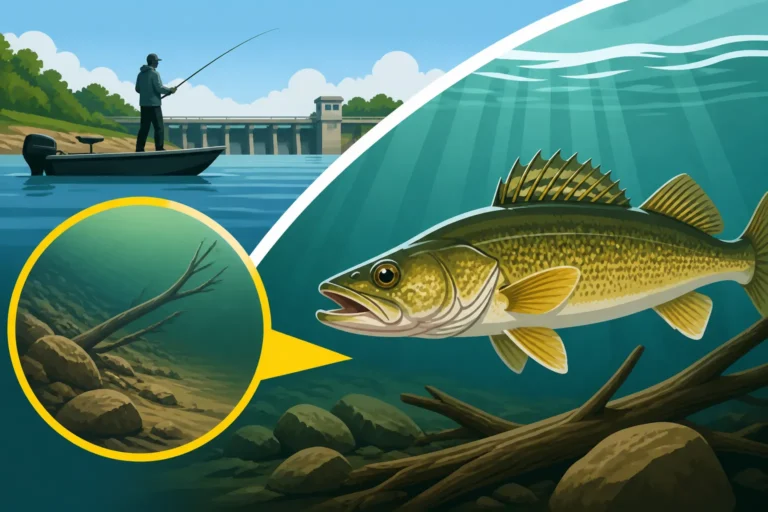
The key is understanding where these fish hold and how to present your bait or lure effectively from a fixed position. Often, structure like submerged timber, rock piles, weed lines, or current breaks are within casting distance of the shore. Many urban ponds and small lakes are regularly stocked by the IDNR, making them fantastic, reliable options for bank anglers seeking a quick catch. Knowing your target species and their habits will greatly enhance your success from the bank, opening up a world of possibilities beyond just bluegill.
Northern Illinois Bank Fishing Hotspots
Northern Illinois, especially around the bustling Chicago metropolitan area, might seem like an unlikely place for peaceful bank fishing, but it's actually brimming with opportunities. From serene forest preserve lakes to the vast expanse of Lake Michigan, there are numerous spots where you can cast a line from shore and find success. These locations offer a convenient escape for urban anglers and provide excellent chances to catch a variety of species.
Lake Michigan Harbors and Piers
For those in the Chicago area, Lake Michigan's harbors and piers are an absolute goldmine for bank anglers, especially when the salmon and trout runs are in full swing. Iconic spots like Montrose Harbor, Belmont Harbor, and Navy Pier offer excellent shore access. During the spring and fall, these areas become magnets for anglers chasing Coho salmon, Chinook salmon, rainbow trout (steelhead), and brown trout. The deep water accessible from these structures means you're often fishing the same depths as boat anglers.
You'll often see anglers using various methods, from casting spoons and crankbaits to fishing with spawn sacs or shrimp under a bobber. The action can be fast and furious, especially at dawn and dusk. It's a unique experience, fishing with the Chicago skyline as your backdrop. Just be sure to check the specific regulations for each harbor, as rules can sometimes vary slightly from the general Lake Michigan guidelines. Remember that for these species, you'll need the Lake Michigan Salmon Stamp Requirements for Anglers in addition to your standard fishing license.
Forest Preserve Lakes in Cook and DuPage Counties
The forest preserves of Cook and DuPage counties are truly invaluable resources for Northern Illinois bank anglers. They host dozens of smaller lakes and ponds that are well-stocked and maintained, offering fantastic fishing for bass, crappie, bluegill, and channel catfish. Places like Busse Lake (Ned Brown Preserve) in Cook County, with its ample shoreline access and fishing walls, or Blackwell Forest Preserve's Silver Lake in DuPage County, are angler favorites.
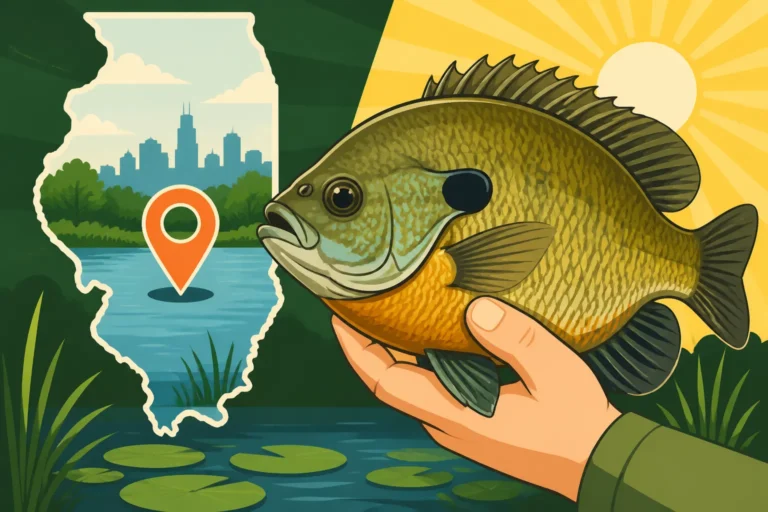
Many of these lakes have clear pathways around their perimeters, making it easy to find a secluded spot or move around if the fish aren't biting. They are perfect for families, offering relatively safe and productive environments for kids to learn how to fish. Common tactics here include using live bait like worms or minnows, small jigs, spinnerbaits, or even simple bobber setups. These smaller, community-focused lakes are often detailed on the IDNR's stocking reports, giving you an idea of what fish have been recently added, and you can learn more about Illinois Bluegill Fishing: Best Bait and Where to Go in these waters.
Fox and Kankakee Rivers Shoreline Access
Beyond the stillwaters, Northern Illinois also boasts fantastic river fishing from the bank on the Fox and Kankakee Rivers. These rivers are renowned for their smallmouth bass, channel catfish, and various panfish. The rocky banks, riffles, and deeper pools offer prime habitat for these species, and numerous public parks and forest preserves along their courses provide excellent shore access.
For instance, the Kankakee River State Park offers miles of shoreline ideal for casting for smallmouth bass with crankbaits, jigs, or soft plastics. The Fox River, especially stretches near Elgin and St. Charles, provides similar opportunities, with access points frequently found in municipal parks. Anglers targeting catfish will find success using cut bait or stink bait fished on the bottom in slower currents or deeper holes. The current in these rivers also makes them excellent spots for targeting walleye and sauger, particularly during cooler months. You might find a good read in Kankakee River Smallmouth Bass Spots for more targeted advice.
Central Illinois Bank Fishing Gems
Central Illinois offers a different, yet equally rewarding, bank fishing experience. Here, you'll find larger reservoirs known as the "Big Three" — Rend Lake, Lake Shelbyville, and Carlyle Lake — alongside numerous smaller impoundments and stretches of the Illinois River, all providing ample opportunities for shore-bound anglers. These lakes are famous for their prolific populations of bass, crappie, and catfish, making them prime destinations for a productive day.
Rend Lake's Abundant Shore Access
Rend Lake, often lauded as one of Illinois's premier fishing destinations, is surprisingly accommodating for bank anglers, especially considering its massive size. While many associate Rend Lake with boat fishing, there are numerous developed areas and causeways that provide excellent shore access. The North Marcum Recreation Area, South Marcum Recreation Area, and the numerous points along the State Route 154 causeway are fantastic places to start.
These areas offer direct access to riprap, submerged timber, and brush piles that hold crappie, bluegill, and largemouth bass. Rend Lake is particularly famous for its incredible crappie population, and during the spring spawn, they move into shallower water, making them highly accessible from the bank. Anglers can also target sizable channel catfish and even massive bluegill here. Fishing with jigs under a bobber or minnows is incredibly effective for crappie, while worms or cut bait work wonders for catfish. Exploring Rend Lake's Best Spots for Trophy Bluegill Over a Pound can give you an edge.
Lake Shelbyville's Versatile Shoreline
Lake Shelbyville, another of Illinois's "Big Three" reservoirs, is known for its diverse fishery and extensive shoreline. While it’s a popular boating lake, it doesn't leave bank anglers out in the cold. Areas like the Dam West Recreation Area, Lithia Springs, and various points within the state parks offer good shore access. The riprap along the dam is a particularly hot spot for various species, including white bass during their spawning runs.
The lake’s clear waters make for excellent sight fishing in some areas, especially for bluegill and bass in shallower coves. Anglers can target largemouth bass around fallen trees and brush, crappie in brush piles, and catfish in deeper holes accessible from points. For a simple setup, a slip bobber with a minnow or worm can be very effective. During cooler months, jigging spoons or blade baits can entice walleye and white bass from deeper bank access points. Consider researching Lake Shelbyville Shore Access for Bank Anglers for detailed entry points.
Illinois River Parks and Backwaters
The mighty Illinois River carves a path through Central Illinois, and its banks, along with its numerous backwater lakes and sloughs, provide excellent bank fishing opportunities. Many municipal parks and conservation areas along the river, such as those in Peoria, Pekin, and Havana, offer designated fishing areas, piers, and trails. The river itself is a fantastic fishery for channel catfish, flathead catfish, and various panfish, while the backwaters are prime for crappie, bluegill, and largemouth bass.
Access points are often found near bridge abutments, where deeper water and current breaks concentrate fish. Using heavy bottom rigs with cut bait or nightcrawlers is ideal for the river's powerful catfish. In the calmer backwaters, light tackle with jigs or live bait will be more successful for panfish and bass. These backwater areas are often dynamic, changing with river levels, so always pay attention to local conditions. For more information, explore Illinois River Fishing Spots Near Peoria.
Southern Illinois Bank Fishing Paradise
Southern Illinois truly lives up to its name as a bank fishing paradise, boasting some of the state's most pristine and productive waters. The region is characterized by large, sprawling reservoirs and the mighty Mississippi River, all of which offer extensive and often less-crowded opportunities for anglers without a boat. The rich aquatic ecosystems here support a wide variety of fish, ensuring there's always something biting.
Carlyle Lake's Expansive Shoreline and Dam Access
Carlyle Lake, the largest man-made lake entirely within Illinois, provides an immense amount of shoreline that's perfect for bank fishing. The main dam itself is a prime spot, offering deep water access and a wide range of species. Areas like the Lake Carlyle Dam West Recreation Area, Eldon Hazlet State Park, and Coles Creek Recreation Area boast extensive public access, including fishing piers and well-maintained bank fishing areas.
Anglers at Carlyle Lake can target large channel catfish, often caught with cut bait or chicken liver fished on the bottom. During spring, crappie move into shallower coves, making them accessible from numerous points and brushy areas along the shore. Bass also cruise the riprap and shoreline cover. The lake’s large size means you can often find quiet, uncrowded spots, even on busy weekends. For specific details on where to cast your line, check out Carlyle Lake's Best Catfish Spots Along the Dam.
Lake of Egypt and Kinkaid Lake Pockets
While often overshadowed by the "Big Three" lakes, Lake of Egypt and Kinkaid Lake in deep Southern Illinois are absolute gems for bank anglers seeking quality fish. Both lakes are known for their clear waters and excellent populations of largemouth bass, crappie, and bluegill. Despite being popular among boaters, they feature several dedicated bank fishing areas that can be incredibly productive.
Lake of Egypt, with its unique thermal characteristics due to a power plant, offers consistent fishing throughout the year, even into colder months, around accessible warm-water discharge areas. Kinkaid Lake, famous for its muskie, also boasts great bass and crappie fishing from shore. Look for fishing piers, designated bank access points within state parks, and public boat launch areas where you can cast around submerged timber and rock structures. Light spinning gear with jigs, soft plastics, or small crankbaits are highly effective in these clear waters. A look at Kinkaid Lake's Clear-Water Spots for Smallmouth Bass might inspire your next trip.
Mississippi River Tailwaters and Public Land
The Mississippi River forms Illinois's western border, and its vastness offers unparalleled bank fishing experiences, particularly in the tailwater sections below dams and along expansive public lands. The tailwaters below Locks and Dams (such as Lock and Dam 26 at Alton or Lock and Dam 24 at Clarksville) are renowned for their incredible fishing, especially for white bass, sauger, walleye, and all three species of catfish – channel, blue, and flathead. The turbulent, oxygen-rich waters below the dams concentrate baitfish, attracting predatory species.
Public access points along the river, often managed by the U.S. Army Corps of Engineers or state parks, provide ample shoreline for fishing. Anglers can find success using heavy-duty tackle for catfish, targeting deeper holes with cut bait or live bait. For walleye and sauger, jigging with a minnow or soft plastic is often productive. The sheer scale of the Mississippi means that while specific spots might be crowded, you can always find a new stretch of river to explore. Delve into Mississippi River Catfish Spots in Southern Illinois for expert advice on these massive waters.
Urban and Suburban Bank Fishing Opportunities
Even in the heart of Illinois's most populated areas, fantastic bank fishing opportunities exist. These urban and suburban spots are often overlooked but can provide convenient, productive, and surprisingly peaceful angling experiences. They are especially great for a quick trip after work or for introducing kids to fishing without a long drive.
Chicago Lakefront and Park District Ponds
For residents of Chicago, the vast Lake Michigan lakefront offers incredible bank fishing, often just a short walk or bus ride away. Beyond the major harbors and piers mentioned earlier, numerous smaller parks and accessible sections of the lakefront provide opportunities. Anglers regularly catch yellow perch, particularly in the cooler months, as well as bass and panfish in protected lagoons.
Additionally, the Chicago Park District manages numerous smaller ponds and lagoons throughout the city that are regularly stocked and open to fishing. These urban oases, such as Columbus Park Lagoon, Lincoln Park Lagoon, or Jackson Park Lagoon, are perfect for targeting bluegill, crappie, and stocked channel catfish and rainbow trout. They are ideal for introducing kids to fishing, offering high catch rates and a safe environment. You can often see anglers using simple bobber and worm setups, fly fishing, or light spinning gear with small jigs. Before you go, it's wise to review the Illinois Fishing License Requirements for the Chicago Lakefront.
Springfield Area Lakes and Ponds
Springfield, the state capital, and its surrounding communities also offer excellent bank fishing close to home. Lake Springfield, a large municipal reservoir, provides extensive public access along its shorelines, within parks, and at dedicated fishing points. This lake is known for its largemouth bass, crappie, and channel catfish. Anglers can find success casting from points into deeper water or targeting brushy coves.
Beyond Lake Springfield, smaller impoundments and community ponds throughout the area, many managed by local park districts, are regularly stocked and offer reliable fishing. These quieter spots are perfect for panfish and can yield surprisingly large bass. They offer a peaceful retreat from city life and are usually well-maintained, with amenities like picnic areas and restrooms. These local gems are perfect for an afternoon outing.
Rockford's Rock River and Local Parks
In Northern Illinois, the city of Rockford provides excellent bank fishing along the Rock River and in its numerous local parks. The Rock River itself is a fantastic fishery for smallmouth bass, walleye, channel catfish, and various panfish. Parks such as Sinnissippi Park and Martin Park offer easy access to the river's banks, often with established fishing platforms or shoreline paths.
Anglers can target smallmouth bass around rocky structures and current breaks using crankbaits or jigs. Catfish will readily take cut bait or worms fished on the bottom in deeper holes. Additionally, several smaller ponds within Rockford's park system, like Levings Lake, are stocked and provide great opportunities for panfish and trout during stocking seasons. These urban fishing spots are a testament to Illinois's commitment to making fishing accessible to everyone, regardless of whether they own a boat.
Essential Gear and Techniques for Bank Anglers
Successful bank fishing doesn't require a mountain of expensive gear, but having the right tools and understanding effective techniques can significantly boost your success. Simplicity and versatility are often key when you're limited to casting from shore. Thinking about what fish are likely to be close to the bank and how they feed will guide your choices.
Rods, Reels, and Line for Versatility
For general bank fishing, a versatile medium-light to medium power spinning rod, around 6 to 7 feet long, is an excellent choice. This setup allows you to cast a variety of lures and baits effectively, from light jigs for crappie to heavier rigs for catfish. Pair it with a reliable spinning reel in the 2000-3000 size range, spooled with 6-10 lb monofilament or braided line. Monofilament is forgiving for beginners, while braid offers sensitivity and strength, especially when fishing around cover.
If you're specifically targeting larger fish like carp or heavy catfish on the Mississippi River, you might opt for a heavier, longer rod (7-9 feet, medium-heavy to heavy power) and a larger spinning or baitcasting reel with 15-30 lb line. For panfish, an ultralight setup with 4 lb test line is incredibly fun and sensitive. Having a secondary setup or even just a different spool of line for your reel can allow you to quickly adapt to different conditions or target species.
| Target Species | Rod Power | Rod Length | Reel Size | Line Weight | Common Baits/Lures |
|---|---|---|---|---|---|
| Panfish | Ultralight | 5-6 ft | 1000-2000 | 2-4 lb Mono | Worms, small jigs, crickets |
| Bass | Medium-Light | 6.5-7 ft | 2000-3000 | 6-10 lb Mono/Braid | Soft plastics, spinnerbaits, crankbaits |
| Crappie | Light-Medium | 6-7 ft | 1000-2500 | 4-8 lb Mono | Minnows, small jigs, plastics |
| Catfish | Medium-Heavy | 7-9 ft | 3000-5000 | 10-25 lb Mono/Braid | Cut bait, stink bait, worms |
| Walleye/Sauger | Medium | 6.5-7 ft | 2000-3000 | 8-12 lb Mono/Braid | Jigs, minnows, crankbaits |
| Salmon/Trout (Lake Michigan) | Medium-Heavy | 8-10 ft | 4000-6000 | 12-20 lb Mono/Braid | Spoons, spawn sacs, crankbaits |
Tackle Box Essentials for Shore Anglers
A well-stocked, yet portable, tackle box is crucial for bank fishing. You won't have the luxury of a boat's storage, so prioritize versatility and compactness. Essential terminal tackle includes a variety of hooks (J-hooks, circle hooks, wide gap hooks), sinkers (split shot, bullet weights, egg sinkers), bobbers (slip bobbers and clip-on bobbers), and swivels. These foundational items will allow you to rig for almost any scenario.
For baits, bring a selection that covers common species. Live bait like nightcrawlers, redworms, and minnows are universal attractors. For artificials, pack a few small jigs (1/16 to 1/8 oz in various colors), soft plastic grubs or worms, a couple of spinnerbaits, and a few small crankbaits. Don't forget a pair of pliers for hook removal, a small pair of line cutters, and a stringer or cooler for your catch. Carrying a small, lightweight tackle bag or backpack can make moving between spots much easier than a bulky box. Consider a compact Tackle Box Setup for Illinois Bass Anglers or a Tackle Box Essentials for Catfish Trips if you have specific targets in mind.
Effective Bank Fishing Techniques
Successfully fishing from the bank often comes down to two key techniques: casting accurately and understanding how to read the water. Since you're confined to a fixed position, accurate casting to productive structures like fallen trees, weed lines, or current breaks is paramount. Practice casting to different distances and targets to improve your precision.
When it comes to reading the water, look for visible cover, changes in water color or depth, and signs of baitfish or feeding activity. Fish often hold close to shore, especially during dawn, dusk, or overcast days. In rivers, target eddies, seams where fast and slow water meet, and the calmer side of current breaks. In lakes, focus on points, coves with submerged structure, and riprap. Vary your retrieve speed and depth, and don't be afraid to try different baits until you find what the fish are biting. Sometimes, a subtle presentation with a small jig under a bobber can outperform aggressive power fishing.
Rules and Regulations for Illinois Bank Fishing
Before you even wet a line, understanding Illinois's fishing rules and regulations is not just important – it's mandatory. These rules are in place to ensure sustainable fish populations and to protect our natural resources for future generations. Ignoring them can lead to hefty fines and a ruined day on the water. It’s always better to be informed and prepared.
Illinois Fishing License Requirements
The most fundamental requirement for fishing in Illinois is a valid fishing license. Almost all individuals aged 16 and older need one, whether they are residents or non-residents, and regardless of whether they are fishing from a boat or the bank. There are some specific exemptions, such as fishing on Free Fishing Days or for certain disabled individuals, but generally, assume you need a license. You can easily purchase your license online through the IDNR website, at licensed vendors like bait shops and sporting goods stores, or by phone.
The license year runs from April 1st through March 31st of the following year, so be mindful of the expiration date. Failing to have a current license can result in a citation and fines. Always carry your license with you, either a physical copy or a digital one on your phone, as game wardens can and will ask to see it. Getting an Illinois Fishing License Guide for 2026 is a great first step for any angler, and you can also learn about How to Get an Illinois Fishing License for specific instructions.
Statewide and Site-Specific Catch Limits
Beyond a license, anglers must adhere to daily catch limits and minimum size restrictions, which vary significantly by species and often by specific body of water. Illinois has statewide regulations for common species like largemouth bass (often a 6-fish daily limit with no minimum size on many waters) and channel catfish (a 20-fish daily limit). However, many lakes, rivers, and ponds have their own specific regulations that supersede the statewide rules.
It is absolutely crucial to check the current Illinois Fishing Information Guide or the IDNR website for site-specific regulations before you fish a particular spot. For example, a lake known for trophy bass might have a 15-inch minimum size limit or a "slot limit" where only fish outside a certain size range can be kept. Violating these limits can lead to severe penalties. The guides are available for free online and at most license vendors. For details, you can refer to Illinois Fishing Season and Catch Limit Rules or Why Fishing Rules Vary by Lake and River.
Other Important Regulations and Safety
Several other regulations are important for bank anglers. For example, the use of certain types of bait might be restricted in some waters (e.g., no live minnows from other bodies of water to prevent disease spread). Trotlines and jug lines, while legal in certain parts of the state for catfish, often have specific marking and attendance requirements that bank anglers need to understand. Always be mindful of private property boundaries, even if you have a license. Trespassing is illegal and can lead to confrontation with landowners.
Safety is also paramount. When fishing near busy roads or trails, be aware of your surroundings and cast carefully. If fishing on river banks, be wary of slippery rocks, steep inclines, and swift currents. Wear appropriate footwear and consider a personal flotation device, especially if fishing near deep or fast-moving water. Always pack out what you pack in, leaving no trash behind. Being a responsible and safe angler contributes to the positive image of the sport and ensures continued access to these precious resources.
Planning Your Bank Fishing Trip: Tips for Success
A successful bank fishing trip often starts long before you even leave home. Good planning can make the difference between a frustrating day and a memorable catch. From researching your spot to checking the weather, a little preparation goes a long way, especially when you're relying solely on shore access.
Researching Your Fishing Spot
Before heading out, spend some time researching your chosen fishing spot. Utilize resources like the IDNR website, local park district maps, and online fishing forums. Look for maps that detail contours, depth changes, and access points. Satellite imagery from services like Google Maps can reveal hidden pockets, access trails, and potential fish-holding structures like downed trees or old roadbeds near the shore. Many apps and websites, like FishingBooker, allow you to find and compare fishing spots, and sometimes even see reports from other anglers who have recently fished the area.
Understanding the typical species found in that body of water will help you select the right tackle and baits. Also, consider the time of year and how that might affect fish behavior and location. For example, in spring, fish are often shallow and near spawning areas, making them highly accessible from the bank. In summer, they might retreat to deeper, cooler water, requiring longer casts or specific bank access points that reach those depths.
Timing Your Visit for Optimal Results
Timing is everything in fishing, and bank fishing is no exception. The "golden hours" around dawn and dusk are often the most productive for many species, as fish are more active and less wary during lower light conditions. Overcast days can also provide excellent daytime fishing, as the reduced sunlight encourages fish to move into shallower water.
Weather patterns play a huge role too. Fishing just before a cold front can be fantastic, as fish often feed aggressively. However, fishing immediately after a front passes can be tough, as fish tend to become lethargic. Similarly, light rain can sometimes trigger a bite, while heavy downpours can muddy the water and make fishing challenging. Check the forecast, including barometric pressure, which many experienced anglers believe influences fish activity. Understanding Best Time to Fish in Illinois can significantly improve your chances.
Packing Smart and Staying Comfortable
Since you'll be walking and carrying your gear, pack smart and light. Only bring what you genuinely need. A comfortable backpack is often better than a bulky tackle box for carrying essentials. Don't forget bug spray, especially during warmer months, and sunscreen to protect yourself from the sun. A hat and polarized sunglasses are invaluable for spotting fish and structure.
Comfort is key, particularly if you plan to spend several hours on the bank. Wear layers of clothing to adapt to changing temperatures. Bring plenty of water and some snacks. A foldable chair or a small bucket can provide a much-needed resting spot. If you're planning to keep fish, a stringer or a small cooler with ice is essential. Remember, the goal is to enjoy your time outdoors, and being prepared for the elements and comfortable will enhance your overall experience.
Navigating FishingBooker for Illinois Bank Spots
While bank fishing is often about DIY exploration, platforms like FishingBooker can still be incredibly useful for planning your trips, even if you're not booking a guided trip. It's a resource that can help you uncover new locations, understand local conditions, and get a feel for what to expect.
Discovering New Bank Fishing Destinations
FishingBooker, while primarily known for charter and guide services, also functions as a vast database of fishing locations. By searching for "Illinois fishing" or specific cities, you can often find detailed descriptions of various bodies of water, including information about the types of fish present, popular techniques, and sometimes even specific access points that might be suitable for bank fishing. This can be a great way to discover new public parks, lakes, and river sections that you might not have known about otherwise.
The platform often features reviews and photos from other anglers, which can give you real-world insights into the productivity and accessibility of a spot. For instance, you might read a review that specifically mentions good shore access for crappie in spring, or a pier that yields solid catfish in summer. This user-generated content is invaluable when trying to piece together a picture of an unfamiliar location.
Leveraging Local Knowledge and Guides
Even if you're committed to bank fishing, platforms like FishingBooker can help you tap into local knowledge. Many guides listed on the platform operate in areas that also have excellent bank fishing. While you might not book a boat trip, reading their descriptions or even contacting them for general advice (respectfully, of course) can provide insights into seasonal patterns, effective baits, and productive areas that are accessible from shore. They might even know of specific, lesser-known public bank access points.
Additionally, if you're struggling to crack a particular fishery from the bank, booking a short guided trip, even once, can be an excellent investment. A guide can teach you techniques, show you prime spots (which you can then target from shore if accessible), and dramatically shorten your learning curve. Think of it as a masterclass that you can then apply to your bank fishing adventures.
Using FishingBooker for Trip Planning and Information
Beyond just finding spots, FishingBooker can aid in broader trip planning. You can see what species are typically targeted in different regions of Illinois, which helps you align your expectations with what’s realistically catchable from the bank. If you're traveling to a new part of the state, it can help you get a quick overview of the local angling scene. For instance, if you're heading south, you can quickly see that many guides target catfish on the Mississippi, indicating strong bank opportunities there.
While it won't directly tell you "go fish this exact bank spot," it provides a wealth of contextual information that, when combined with IDNR resources and satellite maps, creates a powerful planning toolkit. It's another layer of research that can help you piece together the perfect bank fishing adventure, ensuring you make the most of your time on the beautiful waters of Illinois.
Disclaimer
The information provided in this guide is for general informational purposes only. Fishing regulations, license requirements, and site-specific rules can change frequently. Always consult the official Illinois Department of Natural Resources (IDNR) website or the current Illinois Fishing Information Guide for the most up-to-date and accurate regulations before engaging in any fishing activities. Adherence to all local, state, and federal laws is the sole responsibility of the angler. Fishing carries inherent risks, and anglers should always prioritize safety and environmental responsibility.