Illinois Fishing Spots: A Complete Guide
Many anglers across Illinois struggle to find truly comprehensive information about the state's best fishing locations, often sifting through scattered reports or relying on outdated advice. This guide aims to cut through that frustration, offering a deeply detailed look at Illinois's diverse fishing spots, from sprawling reservoirs to winding rivers, ensuring you're equipped with the knowledge to plan your next successful trip.
The Lure of Illinois Waters: Why Anglers Love Our State
Illinois might be known for its flat farmlands and bustling cities, but beneath the surface, our state boasts an incredible array of aquatic habitats teeming with fish. For those of us who cherish the peace of a sunrise over a still lake or the thrill of a bending rod on a powerful river, Illinois offers far more than meets the eye. From the chilly depths of Lake Michigan to the warm backwaters of the Mississippi, there's a unique fishing experience waiting for every enthusiast. The sheer diversity of our waters, combined with thoughtful stocking programs and conservation efforts by the Illinois Department of Natural Resources (IDNR), makes Illinois a truly special place for anglers of all skill levels. It's not just about catching fish; it's about connecting with nature and exploring the hidden beauty of our state.
A Diverse Fishery for Every Passion
What truly sets Illinois apart for fishing is the sheer variety of species available and the diverse environments they inhabit. You want a trophy bass? We've got lakes for that. Dreaming of pulling in a massive catfish? Our rivers are legendary. Fancy a fight with a powerful salmon or trout? Lake Michigan beckons. This diversity means that no matter your preferred target species or fishing style, you're likely to find exactly what you're looking for within a reasonable drive. This wealth of options keeps things exciting, allowing anglers to switch gears with the seasons or try a completely new challenge. Whether you're a seasoned pro looking to break a personal best or a family introducing kids to the joy of angling, Illinois's waters provide endless opportunities.
For instance, if you're keen on chasing the elusive muskie, known as the "fish of 10,000 casts," certain deep, clear lakes in Illinois are specifically managed for them, offering a legitimate chance at a true freshwater giant. Meanwhile, the smaller ponds and urban lakes are often packed with eager bluegill and sunfish, perfect for a relaxing afternoon with a bobber and a worm. The state’s commitment to maintaining healthy fish populations, including regular stocking of various species, ensures that these diverse fishing opportunities remain vibrant year after year. It's a testament to the dedication of conservationists and local communities working together to preserve these valuable resources for generations of anglers to come.
Understanding Illinois's Unique Waterways
Illinois is crisscrossed by a fascinating network of waterways, each with its own character and fishing potential. We have massive flood control reservoirs like Rend Lake and Lake Shelbyville, built for specific purposes but now revered as fishing meccas. Then there are our powerful river systems, like the Mississippi and Illinois Rivers, which serve as major aquatic highways, supporting incredible biodiversity and challenging fishing conditions. And of course, there's the majestic Lake Michigan, offering a taste of big-water fishing normally associated with coastal states. Understanding the type of waterway you're fishing – whether it's a deep, clear impoundment, a shallow, turbid river, or the vast expanse of a Great Lake – is crucial for success. Each type of water dictates different tactics, gear, and species availability.
Many of these waterways are also managed differently, with specific regulations that can vary greatly from one lake to another. For example, while the statewide bass limit might be fairly standard, a specific lake might have special slot limits or catch-and-release only periods to protect its trophy fishery. This is why it's always essential to consult the latest Illinois Fishing Information Guide or check site-specific rules before you wet a line. Local bait shops are also invaluable resources, as they often have the most up-to-date information on water conditions and what the fish are biting on. This nuanced understanding of Illinois's waterways is what separates a truly successful angler from someone just blindly casting.
Central Illinois Gems: Lakes Shelbyville, Rend, and Carlyle
When people talk about the "big three" fishing lakes in Illinois, they're almost certainly referring to Lake Shelbyville, Rend Lake, and Carlyle Lake. These massive reservoirs, located in the central and southern parts of the state, are cornerstone destinations for countless anglers. Each lake offers distinct characteristics and target species, making them popular choices for weekend trips and serious tournaments alike. Their expansive waters, diverse structures, and impressive fish populations draw visitors from across the Midwest, and for good reason—they consistently produce memorable catches.
Lake Shelbyville: Walleye and Crappie Haven
Lake Shelbyville, nestled in east-central Illinois, is a true standout, particularly renowned for its excellent walleye and crappie fishing. This sprawling 11,000-acre reservoir, formed by damming the Kaskaskia River, offers a complex underwater landscape of submerged timber, old creek channels, and rocky points, all providing fantastic habitat. Anglers here often boast about the consistent action, especially during the spring and fall migrations of these popular species. The lake's clear waters in some areas make for challenging but rewarding fishing, especially for sight-feeding predators like walleye.
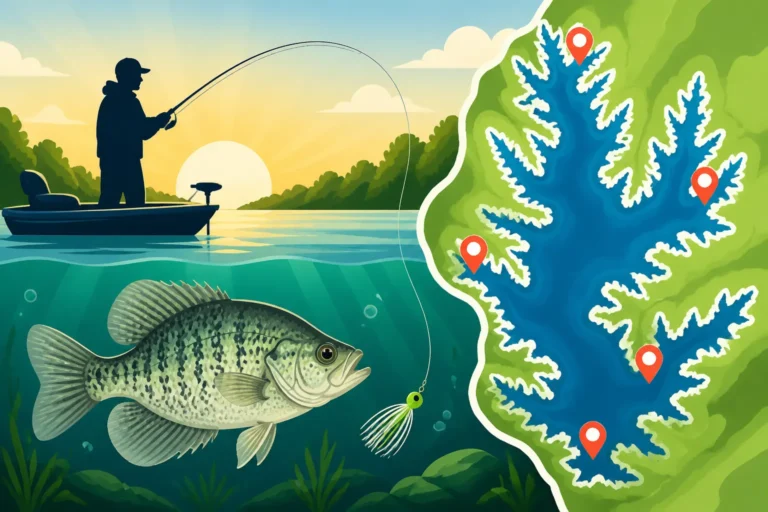
For crappie, Lake Shelbyville is a prime destination. During the spring spawn, vast numbers of both black and white crappie move into shallow brush piles and timber, making them accessible to both boat and bank anglers. Many locals swear by jigging techniques around submerged trees or brush. As the weather warms, crappie transition to deeper water, often suspending over creek channels or congregating around man-made fish attractors. Anglers looking for a productive trip can also explore the best crappie coves on Lake Shelbyville. Walleye fishing here is also top-notch, especially in the spring when they run up the river arms and gather on main lake points. Trolling crankbaits or jigging spoons on humps and ledges are effective strategies. The IDNR actively manages the walleye population with significant stocking efforts, ensuring a healthy fishery. If you're planning a trip, be sure to check out our detailed Lake Shelbyville Fishing Guide.
Rend Lake: Bluegill and Catfish Paradise
Heading further south, Rend Lake, a 13,300-acre reservoir near Benton, presents a different but equally compelling fishing experience. This lake is famous for its outstanding bluegill and channel catfish populations, often producing some of the largest panfish in the state. Its shallower, often turbid waters, along with extensive riprap, brush, and stump fields, create ideal conditions for these species to thrive. Rend Lake is also a favorite among families and new anglers due to the consistent action and relatively easy-to-catch panfish. Many stories circulate about Rend Lake's giant bluegill, often topping a pound, making it a bucket-list destination for panfish enthusiasts.
For bluegill, anglers often find success around the numerous timber stands, brush piles, and shallow weed lines, especially in the spring and early summer. Simple techniques with a bobber and live bait, such as wax worms or crickets, are incredibly effective. Meanwhile, Rend Lake is a renowned hotspot for channel catfish. Anglers targeting catfish find them abundant throughout the lake, especially in the major creek arms and around the riprap along the dam. Stink baits, cut bait, or even nightcrawlers fished on the bottom can yield impressive catches. The lake's vast size and diverse structure also offer opportunities for largemouth bass, especially in the standing timber and flooded brush. Our comprehensive Rend Lake Fishing Guide for Illinois Anglers offers even more specific insights into this incredible body of water.
Carlyle Lake: Illinois's Largest Man-Made Fishing Hotspot
As Illinois's largest man-made lake, Carlyle Lake spans an incredible 24,580 acres and is a truly dominant feature in the landscape of central Illinois. Located near the city of Carlyle, this lake is a true multi-species fishery, but it particularly shines for its populations of white bass, crappie, and channel catfish. Its sheer size and relatively shallow, bowl-shaped basin provide a vast expanse of water, offering plenty of room for anglers to spread out. The lake is known for its incredible white bass runs in the spring and fall, where schools of aggressive fish can be found chasing baitfish on the surface, creating thrilling topwater action.
Crappie fishing at Carlyle Lake is also highly productive, with both black and white crappie abundant in the lake's many coves, submerged timber, and brush piles. Anglers often employ spider rigging techniques or simply vertical jig around structure to fill their coolers. For catfish, Carlyle Lake is a powerhouse, offering fantastic opportunities for channel cats, especially in the river channels and around the dam area. Night fishing for catfish during the warmer months can be particularly rewarding. Given its size, understanding the lake's vastness and where to focus your efforts is key. Our detailed Carlyle Lake Fishing Guide provides essential tips for navigating its waters and maximizing your catches. Finding the right boat ramps on Carlyle Lake is also crucial, especially on busy weekends.
The Might of the Mississippi and Illinois Rivers
Beyond the famous central Illinois lakes, our state is graced by two of America's most iconic river systems: the mighty Mississippi River and the historically significant Illinois River. These waterways are not just geographical boundaries or transportation routes; they are vibrant, dynamic ecosystems offering some of the most challenging and rewarding river fishing experiences in the Midwest. Fishing these rivers requires a different approach than lake fishing, often demanding specialized gear and a keen understanding of current, structure, and seasonal patterns.
Mississippi River: A Fishery of Grand Proportions
The Mississippi River, forming Illinois's entire western border, is an absolute legend among anglers. This colossal river is a diverse fishery, renowned for its incredible populations of catfish, walleye, sauger, and a variety of panfish. The river's character changes dramatically as it flows along Illinois, from the rock-strewn pools and wing dams of the northern stretches to the wide, meandering floodplains and backwater sloughs of Southern Illinois. Each segment offers unique opportunities and challenges. If you're a fan of catfishing, the Mississippi is a must-fish destination; its massive channels and deep holes produce colossal blue catfish and flatheads, not just channel cats.
Anglers targeting channel catfish and blue catfish often use heavy tackle, fishing with cut bait or live bait on the bottom in deep holes, current breaks, and around submerged structures. Flatheads, the largest and most sought-after catfish, prefer live bait and can be found lurking in log jams and brush piles. For walleye and sauger, the northern pools of the Mississippi, particularly around dams and wing dams, are hotbeds of activity. Jigging with minnows or plastics, or trolling crankbaits, are popular and effective methods. The backwater areas and sloughs are also fantastic for crappie, bluegill, and largemouth bass, especially during periods of stable water levels. Understanding the river's dynamic nature, including fluctuating water levels and strong currents, is paramount for safety and success. Our guide to Mississippi River Catfish Fishing in Southern Illinois provides excellent local advice. When planning a trip, consider booking with an experienced local guide through services like FishingBooker, who can help navigate the river's complexities.
Illinois River: Gateway to Diverse Species
The Illinois River, flowing diagonally across the state and emptying into the Mississippi, is another powerhouse of a fishery. Historically one of the most productive rivers in the nation, it continues to offer fantastic fishing for a wide range of species, particularly channel catfish, flatheads, crappie, and various carp species. The river's character is defined by its series of locks and dams, which create distinct pools, each with its own unique fishing opportunities. The vast backwater lakes and sloughs connected to the main channel are especially productive, providing calmer waters and abundant cover.
Catfishing on the Illinois River is superb, with anglers pulling in impressive numbers and sizes of channel and flathead catfish. Similar to the Mississippi, bottom fishing with cut bait, stink bait, or live bait in the main channel and deeper holes is a proven tactic. Crappie fishing also thrives in the Illinois River's backwaters, particularly in the spring when they move into shallow, brushy areas to spawn. Many of these backwater lakes along the Illinois River are phenomenal spots for bass and panfish. The river is also known for its strong white bass runs, especially during spring, where schools of fish can be found feeding aggressively. Despite facing environmental challenges over the decades, ongoing conservation efforts have helped restore the river's health and its fish populations. For more in-depth advice, check out our dedicated Illinois River Fishing Guide.
Northern Illinois's Hidden Treasures: Lakes and Rivers Near Urban Hubs
While the central and southern regions of Illinois boast impressive freshwater fisheries, northern Illinois, despite its denser population, also offers fantastic fishing opportunities. From the world-class salmon and trout fishery of Lake Michigan to the productive rivers and chain of lakes, there's plenty for anglers to explore close to home, even for those living in or near the bustling Chicago metropolitan area. These spots provide convenient escapes and diverse fishing challenges, proving you don't always have to drive for hours to find great fishing.
Lake Michigan: World-Class Salmon and Trout
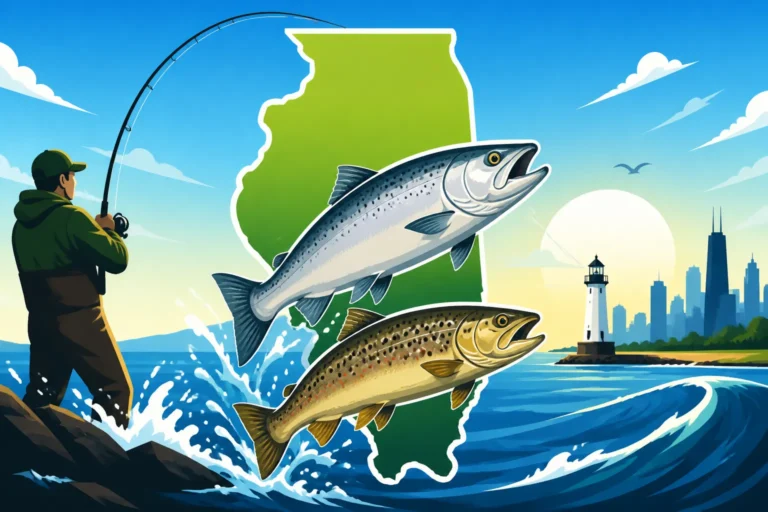
For anglers in northern Illinois, Lake Michigan represents a unique, world-class fishery that feels a million miles away from the cornfields. The Illinois portion of Lake Michigan, though smaller than other states' shares, offers incredible opportunities for Chinook salmon, Coho salmon, rainbow trout (steelhead), brown trout, and lake trout. This is big-water fishing, often requiring specialized boats and techniques like downrigging and planer boards. The thrill of hooking into a powerful salmon or a leaping rainbow trout is an experience unlike any other in the state. Fishing typically peaks in the spring and fall as fish migrate closer to shore and into harbors.
During the spring, Coho salmon are often abundant, making for fast and furious action, particularly for trollers. As summer progresses, Chinook salmon and various trout species become the main targets, often requiring deeper trolling presentations. The harbors and piers along the Illinois Lake Michigan shoreline, such as those in Chicago, Waukegan, and Winthrop Harbor, also provide excellent bank fishing opportunities, especially for brown trout in the spring and fall. These areas are regularly stocked by the IDNR, ensuring a sustained fishery. While a typical Illinois fishing license covers Lake Michigan, don't forget the additional stamp requirements if you're targeting trout and salmon, such as the Lake Michigan Salmon Stamp Requirements for Anglers. For a truly memorable experience, consider chartering a boat through FishingBooker, where experienced captains can put you on the fish and provide all the necessary gear.
Fox and Kankakee Rivers: Smallmouth Bass and Panfish Galore
Beyond the vastness of Lake Michigan, northern Illinois also offers excellent river fishing. The Fox River and Kankakee River are two shining examples, particularly celebrated for their smallmouth bass populations, along with robust numbers of channel catfish and various panfish. These rivers offer a more intimate fishing experience, often accessible by wading, kayaking, or smaller boats.
The Fox River, flowing through several suburban communities, offers diverse habitats from rocky riffles to slow-moving pools. Smallmouth bass thrive in its clear, rocky stretches, providing exciting action for anglers using small crankbaits, jigs, and soft plastics. The river also holds good numbers of channel catfish, especially in its deeper holes, and plenty of panfish in calmer areas. Bank access is fairly common along many stretches of the Fox River. The Kankakee River, a designated "National Wild and Scenic River," is a favorite among smallmouth bass enthusiasts. Its rocky bottom, swift currents, and abundant cover create ideal habitat for these hard-fighting fish. Anglers often float the river in canoes or kayaks, casting tube jigs, spinnerbaits, or topwater lures into eddies and around submerged boulders. Both rivers also offer excellent fishing for various panfish and even northern pike in some of the slower, weedy sections. Our Kankakee River Fishing Guide in Illinois and Fox River Fishing Guide in Illinois provide detailed information for exploring these productive waterways.
Chain O'Lakes: A Boater's and Angler's Paradise
Just northwest of Chicago lies the Chain O'Lakes, a unique complex of 15 interconnected natural lakes, including Fox Lake, Grass Lake, and Pistakee Lake. This area is a true boater's and angler's paradise, offering an incredible variety of fishing opportunities for largemouth bass, northern pike, walleye, muskie, crappie, and bluegill. The Chain's diverse habitats, ranging from shallow, weedy bays to deeper channels and drop-offs, support a rich ecosystem. The sheer size and connectivity of the lakes mean there's always a new spot to explore, making it a perennial favorite for weekend trips.
Largemouth bass fishing is particularly strong throughout the Chain, with anglers targeting weed lines, docks, and submerged structures. Tournament trails frequently visit these lakes, a testament to their healthy bass populations. Northern pike and muskie provide thrilling challenges for those seeking toothy predators, often found lurking in the extensive weed beds. For panfish, the Chain O'Lakes is consistently productive, with crappie and bluegill abundant in shallow bays and around boat docks, especially during their spawning seasons. Walleye, while less abundant than in some other Illinois waters, can be targeted in deeper channels and along main lake points. However, due to its popularity, the Chain can get very busy, especially on summer weekends. Early morning or weekday trips are often best to avoid the crowds.
Southern Illinois's Best-Kept Secrets: Kinkaid Lake and Lake of Egypt
While the "big three" lakes get a lot of attention, southern Illinois holds its own with some truly exceptional fishing destinations that are often less crowded but equally, if not more, productive. These lakes, nestled in the rolling hills and forests of the state's southernmost region, offer stunning natural beauty alongside fantastic fishing for a variety of species. Kinkaid Lake and Lake of Egypt are prime examples, providing unique characteristics that draw dedicated anglers year after year.
Kinkaid Lake: Clear Water and Trophy Bass
Kinkaid Lake, located near Murphysboro in Jackson County, is often considered one of Illinois's premier trophy bass lakes. This picturesque 2,750-acre reservoir is characterized by its clear, deep waters, extensive rock bluffs, submerged timber, and numerous coves. The clarity of the water makes for a challenging but incredibly rewarding largemouth bass fishery, where finesse techniques often outshine power fishing. Many anglers target the lake's abundant smallmouth bass, which thrive in the rocky, clear water, making Kinkaid unique for its dual-bass fishery.
For largemouth bass, anglers focus on the steep rocky banks, bluff walls, and standing timber. Jigs, shaky heads, and deep-diving crankbaits are popular choices for probing the lake's depths. The smallmouth bass population here is also impressive, often found around rocky points and main lake humps. In addition to bass, Kinkaid Lake offers excellent fishing for crappie, especially in the numerous creek arms and around submerged brush piles. Muskie fishing is also a significant draw, with the IDNR actively managing this trophy species through stocking. The lake's clear water and scenic surroundings make it a favorite not just for fishing, but for recreational boating and kayaking as well. Our deep dive into Kinkaid Lake Fishing Guide offers more specific tips for tackling its challenging waters.
Lake of Egypt: Year-Round Action for Multiple Species
Down in the very southern tip of Illinois, near Marion, lies the 2,300-acre Lake of Egypt. This private, power-plant cooling lake is famous for its warm waters, which extend the fishing season and allow for year-round action for many species. It's a fantastic destination for largemouth bass, crappie, bluegill, and even hybrid striped bass, which thrive in its unique thermal environment. The lake's irregular shoreline, extensive coves, and varying depths provide ample structure for fish.
The warm water discharge from the power plant creates thermal refuges in winter, making Lake of Egypt a popular ice-free destination when other lakes are frozen over. This means consistent bass fishing even in the colder months, a rare luxury in Illinois. Largemouth bass are abundant, and anglers find success with a variety of lures, from crankbaits to jigs, especially around boat docks, seawalls, and submerged brush. Crappie fishing is also exceptional, with both black and white crappie found in good numbers throughout the year. During cooler months, crappie often suspend in deeper water near the warm water discharge areas. Lake of Egypt is also known for its feisty hybrid striped bass, which can offer incredible fights. These schooling fish often chase baitfish on the surface, creating exciting topwater opportunities. The consistent fishing, even during off-seasons, makes Lake of Egypt a truly special place for Illinois anglers.
Bank Fishing vs. Boat Fishing: Accessing Illinois's Waters
One of the most common questions for new anglers, or those visiting a new area, is how to access the water. Illinois offers a wealth of options for both bank (shoreline) fishing and boat fishing, each with its own advantages and challenges. Your choice often depends on your target species, personal preference, and available equipment. Understanding where you can go and what to expect at different access points can make a huge difference in planning a successful and enjoyable fishing trip.
Top Spots for Shoreline Anglers
Many people assume you need a fancy boat to enjoy fishing, but that's simply not true in Illinois. Our state offers countless fantastic opportunities for bank anglers, making it accessible to everyone, regardless of budget or boat ownership. From city parks to state recreation areas, there are designated fishing piers, shoreline access points, and easy-to-reach riverbanks that can be incredibly productive. These spots are particularly popular for families, beginners, and those looking for a relaxing afternoon without the hassle of launching a boat.
For instance, many smaller city and county parks manage ponds and lakes specifically for bank fishing, often stocking them with panfish like bluegill and channel catfish. Larger reservoirs, such as Rend Lake and Carlyle Lake, also offer extensive public shoreline access, including dedicated fishing piers and causeways where anglers can cast into deeper water. River systems, like the Fox and Kankakee Rivers, provide numerous access points for wading or casting from shore, especially in areas with public parks or forest preserves. Even Lake Michigan offers exceptional pier fishing opportunities in Chicago, Waukegan, and other harbors. Remember, while you can fish for free during Illinois Free Fishing Days, a standard Illinois Fishing License Guide for 2026 will generally be needed. Always look for established access points, follow all signage, and be mindful of private property. For more detailed locations, check out our guide to Best Shore Fishing Access in Illinois.
Navigating Illinois's Best Boat Ramps
For those with boats, Illinois provides an extensive network of public and private boat ramps, allowing access to virtually every major lake and river in the state. From small jon boats suitable for calm backwaters to large bass boats and deep-V trolling rigs for Lake Michigan, having a boat significantly expands your fishing horizons. However, understanding the best ramps, their conditions, and ramp etiquette is crucial for a smooth experience, especially on busy weekends.
Major reservoirs like Lake Shelbyville, Rend Lake, and Carlyle Lake feature numerous well-maintained public boat ramps, often with ample parking and facilities. Many of these ramps can accommodate larger boats and offer multiple lanes for launching, but they can still get congested during peak seasons. River systems, such as the Mississippi and Illinois Rivers, also have plenty of public boat ramps, though some might be more rugged or require careful navigation due to currents and commercial traffic. For Lake Michigan, state-run harbors like Waukegan and Winthrop Harbor offer excellent, modern ramps designed for large vessels heading out into the big lake. Always check the water levels, especially on rivers, as some ramps can become unusable during extreme high or low water. Additionally, be aware of any boat launch fees at Illinois State Parks or other public facilities. For a deeper dive into optimal launch points, refer to our comprehensive guide on Best Boat Ramps for Fishing in Illinois. When considering a guided trip, FishingBooker lists local captains who can often arrange pickup directly from convenient boat ramps.
Seasonal Strategies for Illinois Fishing Spots
Fishing in Illinois isn't a static activity; it's a dynamic dance with the seasons. What works in spring won't necessarily yield results in summer, and a hot fall pattern will likely be useless once winter's chill sets in. Understanding the seasonal movements and behaviors of fish is paramount to consistent success, allowing you to adapt your tactics and target the most active fish throughout the year. Each season presents unique opportunities and challenges that require a thoughtful approach.
Spring's Promise: Spawning Activity and Hungry Fish
Ah, spring in Illinois! After the long, cold winter, this is arguably the most anticipated season for many anglers. As water temperatures begin to climb, fish shake off their winter lethargy and become increasingly active, driven by the urge to spawn and feed heavily. This period, roughly from March through May, is often characterized by some of the best fishing of the year across the state. The Illinois Fishing License Year Starts March 1, so you can be ready as soon as the fish start moving.
For species like largemouth bass, spring means the pre-spawn and spawn periods, when they move into shallower waters, making them more accessible and aggressive. Anglers target areas with warming water, like shallow coves, north-facing banks, and submerged vegetation. Techniques like throwing spinnerbaits, crankbaits, and jigs around structure are highly effective. Crappie also become extremely active, moving into shallow brush piles and timber to build their nests. This is prime time for jigging or using minnows under a bobber. Walleye make their spawning runs up rivers and into tributary streams or congregate on rocky main lake points. Catfish also start to become more active, moving out of deep winter holes to feed more consistently. This energetic period also sees white bass making their famous spawning runs up rivers, providing fast and furious action for anglers positioned in the right current breaks. Understanding the Illinois Bass Spawn Timing Guide for specific lakes can give you a significant advantage.
Summer's Bounty: Deep Water and Night Fishing Tactics
As the warmth of late spring gives way to the heat of summer, fishing patterns shift dramatically. From June through August, hot temperatures and often stable weather push many fish into deeper, cooler waters, or make them more active during low-light conditions. This means anglers need to adjust their strategies, focusing on different parts of the water column and different times of day.
Largemouth bass often retreat to deeper structures like ledges, humps, and submerged timber, or seek shade under docks and overhanging trees. Early mornings, late evenings, and even night fishing become incredibly productive for bass, as they move shallower to feed under the cover of darkness. For catfish, summer is prime time! They are incredibly active in both rivers and lakes, with night fishing being particularly effective for trophy-sized flatheads and blue cats. Anglers often target them in deep holes, along river bends, and around cover using cut bait, stink bait, or live bluegill. Crappie will often suspend over deeper brush piles or along creek channels. Trolling or vertical jigging with electronics to pinpoint schools becomes key. Even on Lake Michigan, summer is when the larger Chinook salmon are found in deeper, cooler waters, requiring downriggers and precise trolling strategies to reach them. Our guide to Night Fishing Techniques can be particularly useful during these warm months.
Autumn's Golden Opportunity: Aggressive Feeding Frenzies
Fall is arguably one of the most rewarding seasons for Illinois anglers. As water temperatures begin to cool from September through November, many fish enter a "feeding frenzy" phase, aggressively bulking up for the lean winter months ahead. This period can offer some of the best and most consistent action of the entire year, especially for predatory species.
Largemouth and smallmouth bass become incredibly active, chasing baitfish in shallow and mid-depth ranges. Topwater lures, crankbaits, and spinnerbaits can be deadly as bass aggressively feed. Look for them around points, creek channels, and areas where baitfish are congregating. Walleye fishing also picks up significantly in the fall, especially on reservoirs like Lake Shelbyville and in the Mississippi River. They can be found moving onto shallower flats and humps to feed, making trolling and jigging effective. Crappie will also school up, often in large numbers, around submerged timber and brush piles as they prepare for winter. Locating these schools with electronics and vertical jigging can lead to impressive hauls. Even on Lake Michigan, fall brings opportunities for trophy Chinook salmon as they make their spawning runs into tributary rivers and harbors, along with active brown trout and steelhead close to shore. The cooler weather and brilliant foliage also add to the overall enjoyment of an autumn fishing trip.
Winter's Chill: Ice Fishing and Coldwater Challenges
When winter truly sets in, typically from December through February, many open-water fishing opportunities dwindle as lakes freeze over. However, for dedicated anglers, this simply signals the start of ice fishing season, an entirely different and equally rewarding way to enjoy Illinois's waters. While ice fishing, you'll need to know about Illinois Fishing Regulations Overview for ice-specific rules.
Ice fishing is a popular pastime on many northern and central Illinois lakes, targeting species like bluegill, crappie, yellow perch, and even walleye and northern pike on larger bodies of water. Anglers typically drill holes through the ice and use small jigs tipped with live bait (like wax worms or minnows) to tempt fish. Popular ice fishing destinations include Lake Evergreen, Lake Shabbona, and many of the smaller lakes within the Chain O'Lakes. Safety is paramount during ice fishing; always check ice thickness and conditions before venturing out. For those areas that remain ice-free, like parts of the Mississippi River or the thermally influenced Lake of Egypt, cold water fishing still offers opportunities. Bass and crappie will often be found in deep holes or around warmer water discharges, requiring slower, more subtle presentations. Our guide to Winter Bass Fishing Tips offers advice for those brave enough to face the cold.
| Illinois Fishing Spot | Primary Species | Key Features & Best Seasons | Access Type | Notes |
|---|---|---|---|---|
| Lake Shelbyville | Walleye, Crappie, Bass | Deep, clear water, submerged timber, rocky points; Spring/Fall best. | Boat Ramps, Shore Access | Excellent for both recreational & tournament fishing. |
| Rend Lake | Bluegill, Catfish, Bass | Shallower, often turbid, extensive brush & riprap; Spring/Summer best. | Boat Ramps, Extensive Shore Access | Great for families and consistent panfish action. |
| Carlyle Lake | White Bass, Crappie, Catfish | Largest man-made lake, diverse structure, river channels; Spring/Summer/Fall best. | Numerous Boat Ramps, Shore Access | Known for massive white bass runs. |
| Mississippi River | Catfish, Walleye, Sauger, Bass | Vast river system, backwaters, wing dams, diverse habitats; Year-round. | Boat Ramps, Shore Access | Requires understanding of current & river dynamics. |
| Illinois River | Catfish, Crappie, Bass | Locks & dams create pools, extensive backwaters; Spring/Summer/Fall best. | Boat Ramps, Shore Access | Productive for river-specific species. |
| Lake Michigan | Salmon, Trout | Deep, cold Great Lake; Offshore trolling, pier fishing; Spring/Fall best. | Harbors (Boat Ramps), Piers (Shore Access) | World-class trophy fishery, specific stamps needed. |
| Kankakee River | Smallmouth Bass, Catfish | Clear, rocky bottom, swift currents; Spring/Summer/Fall best. | Wading, Kayak, Small Boat Ramps, Shore Access | Ideal for smallmouth enthusiasts, scenic. |
| Fox River | Smallmouth Bass, Panfish | Diverse habitats, urban/suburban access; Spring/Summer/Fall best. | Wading, Kayak, Small Boat Ramps, Shore Access | Convenient for Chicago-area anglers. |
| Lake of Egypt | Bass, Crappie, Hybrid Striper | Warm water discharge, deep/shallow areas; Year-round. | Boat Ramps, Limited Shore Access | Consistent winter fishing due to thermal influence. |
Disclaimer
The information provided in this guide is for general informational purposes only and is subject to change. Always consult the latest official regulations from the Illinois Department of Natural Resources (IDNR) before fishing, as rules and conditions can vary by location and season. Fishing involves inherent risks; always prioritize safety on the water.