Fishing License Validity Across State Park Lakes
One of the most common questions I hear from fellow anglers, especially those new to exploring the vast fishing opportunities here, is whether their standard Illinois fishing license actually covers them in state park lakes. It's a valid concern, as rules can seem to change from one body of water to the next. This guide is dedicated to clearing up the confusion, ensuring you understand exactly where your Illinois fishing license is valid, particularly when casting your line in our beautiful state park waters.
Understanding Your Illinois Fishing License and State Park Access
It’s easy to feel a bit overwhelmed when trying to navigate all the rules and regulations surrounding fishing in Illinois. You've got your fishing license, maybe you even picked up some new gear from Amazon, and you’re ready to hit the water. But then you start thinking, "Does this license really cover everywhere?" When it comes to Illinois State Park lakes, the answer is usually a resounding yes, but with some very important details you absolutely need to be aware of.
The Statewide Rule: Your License is Generally Valid
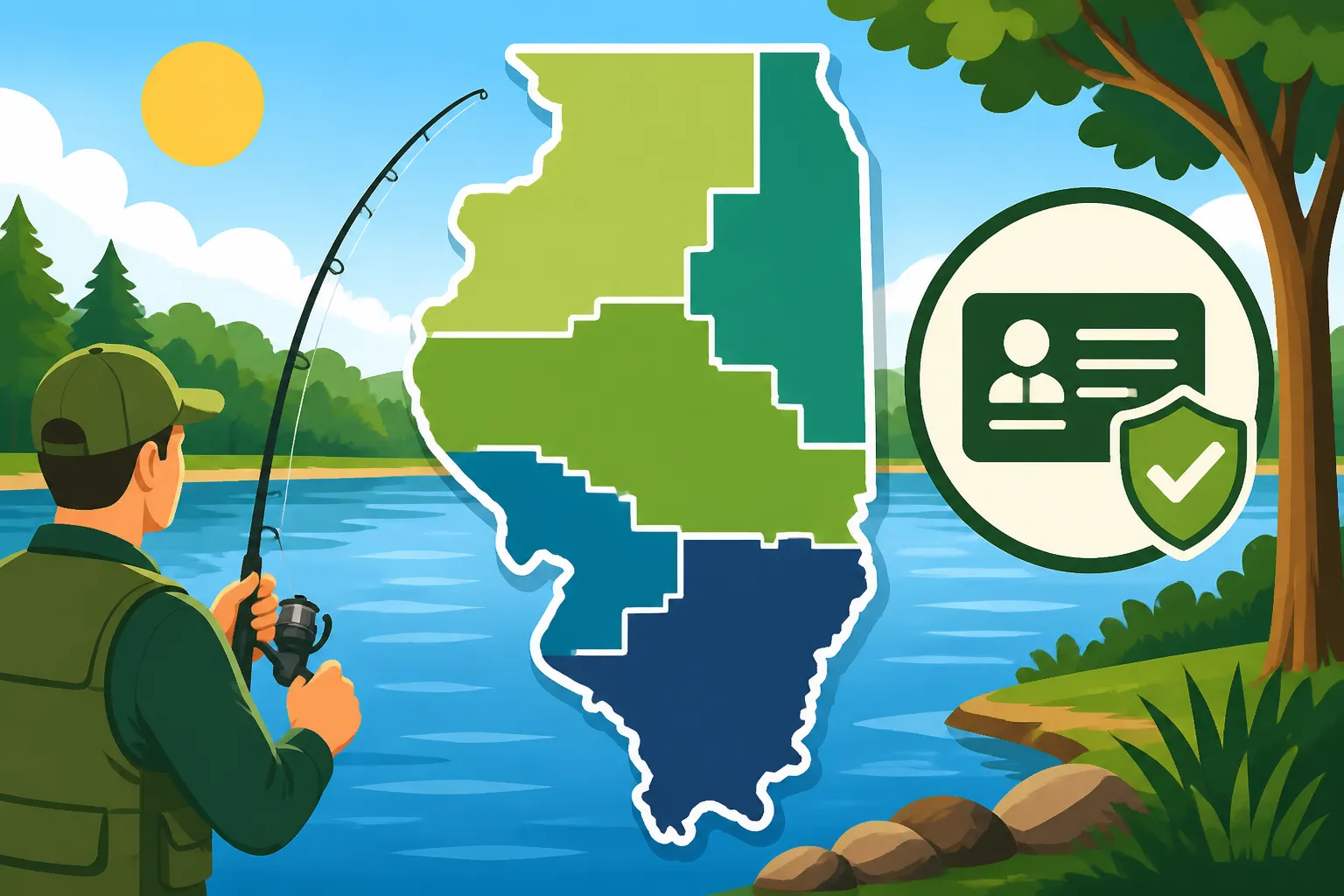
Let's get the biggest piece of information out of the way first: Your valid Illinois fishing license is generally honored across all public waters in the state, and that includes the majority of lakes and ponds found within Illinois State Parks. This means if you've purchased your annual resident license, or even a shorter-term option like an Illinois Resident 24-Hour Fishing License Cost, you're good to go as far as having the basic legal permission to fish.
The Illinois Department of Natural Resources (IDNR) issues a single type of general fishing license that grants access to freshwater fishing throughout the state. You don't need a separate "state park fishing permit" just to cast a line in these waters, unlike some states that might require additional permits for park access or specific activities. Our system is designed to be more streamlined in that regard. So, when you pull into a state park like Starved Rock State Park or Kickapoo State Recreation Area, your standard fishing license is your golden ticket to the water. This is a huge relief for many anglers who worry about hidden fees or complicated permit structures. Just make sure you understand the nuances of the Illinois Fishing License Guide for 2026 to avoid any last-minute surprises.
When Site-Specific Rules Come into Play
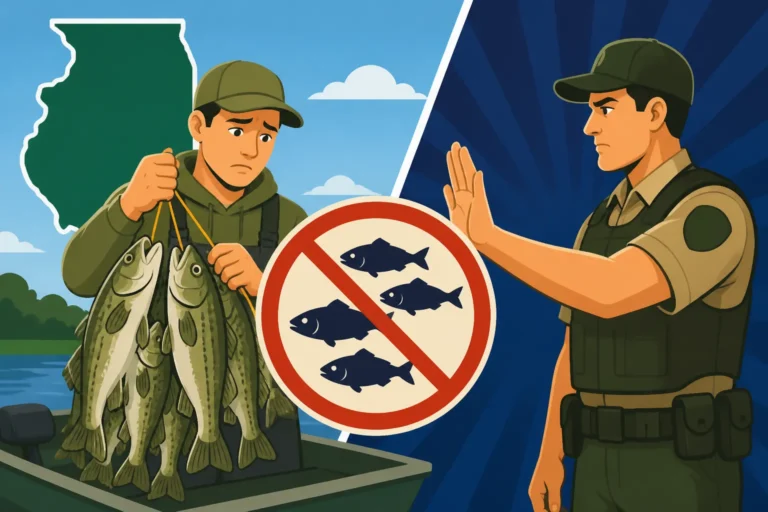
While your general fishing license is valid, it's absolutely crucial to understand that state park lakes are not exempt from site-specific regulations. This is where a lot of anglers, both new and experienced, can get tripped up. Just because you have a valid license doesn't mean you can fish any way you want or keep any fish you catch at a state park lake. The IDNR establishes specific rules for individual bodies of water to manage fish populations, enhance fishing quality, and protect ecological balance. This concept is so important, we even have a detailed guide on why Fishing Rules Vary by Lake and River.
For example, a state park lake might have a special slot limit for bass, meaning you can only keep fish within a certain size range, or it might have a stricter daily creel limit for crappie than the statewide standard. Some lakes might be catch-and-release only for certain species during specific times of the year, or even year-round. You might encounter gear restrictions, such as "artificial lures only" or "no live bait fish." These rules are put in place for a reason – often to protect a thriving fishery or rehabilitate one that needs a boost. Ignoring them, even unknowingly, can lead to fines and a ruined day on the water. Therefore, while your license gets you permission to fish, it doesn't exempt you from knowing and following the local rules for that particular state park lake.
Navigating the Nuances: Permits, Special Stamps, and Restrictions
So, you know your basic fishing license is generally valid. Great! But as with many things in life, there are layers to peel back. Beyond the general license, Illinois has a few specific requirements that apply based on what you're fishing for and where. These aren't "state park fees" but rather species-specific or location-specific endorsements that apply regardless of whether you're in a state park or a public lake outside of one.
The Role of Trout and Salmon Stamps in State Park Waters
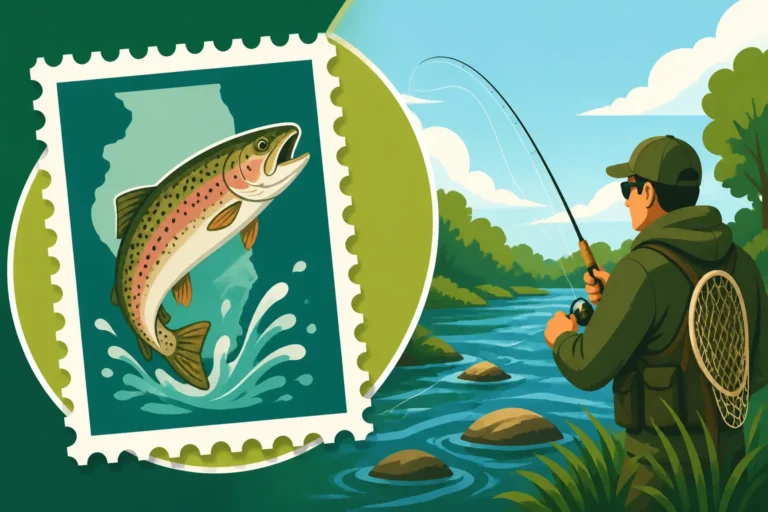
One of the most common additional requirements you'll encounter, especially in state park lakes, is the need for a Trout and Salmon Stamp. Many state parks across Illinois participate in the IDNR's trout stocking program, where thousands of rainbow trout are released for anglers to enjoy, particularly during spring and fall seasons. These stocked trout lakes are incredibly popular and offer some fantastic fishing opportunities, but they absolutely require this extra stamp.
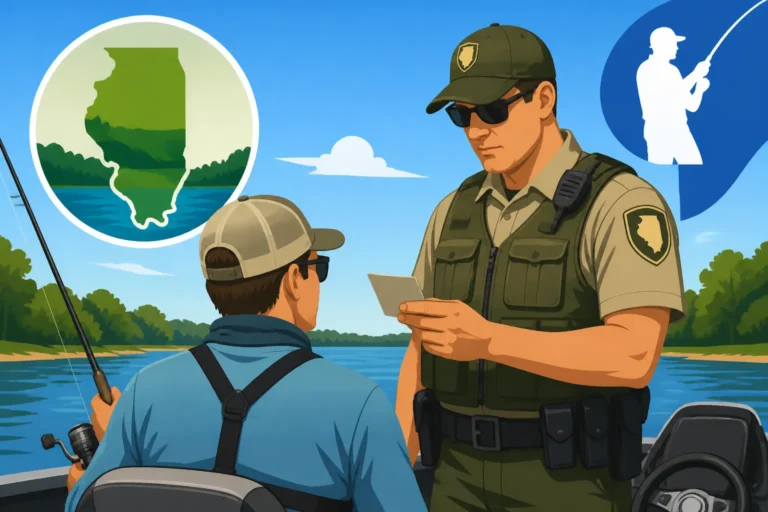
The Illinois Inland Trout Stamp Requirements are clear: if you are 16 years of age or older and intend to harvest trout from any waters that are specifically stocked with trout by the IDNR, you must possess a valid fishing license and a valid Inland Trout Stamp. This isn't just a suggestion; it's a legal requirement. You can purchase this stamp when you buy your regular license, whether you're doing it online or at a local vendor like a bait shop or a retailer like Walmart or even through some online retailers like Amazon for related gear. If you show up at a popular trout fishing spot like Boston Lake at Moraine View State Recreation Area or Rock Springs Pond at Rock Springs Conservation Area during a trout season, a game warden will definitely be checking for both. Without that stamp, any trout you catch and keep could lead to a citation. So, if trout fishing is on your state park agenda, consider that stamp an essential part of your gear.
Other Potential Permits or Entry Fees
While there aren't typically "fishing permits" specifically for state parks that go beyond your standard license and any necessary stamps, it's worth noting other potential costs or requirements that might indirectly affect your fishing trip:
- Boat Launch Fees: If you're bringing a boat, many state parks with boat ramps charge a small launch fee. This isn't a fishing permit, but an access fee for using the park's boating facilities. These fees help maintain the ramps, parking areas, and other infrastructure. Always check with the specific park beforehand, as some might have self-pay stations, while others require you to check in at a visitor center.
- Camping or Cabin Fees: If your state park fishing trip involves an overnight stay, you'll naturally need to pay for your campsite, cabin, or lodge accommodation. Again, these aren't fishing-specific, but part of the overall cost of enjoying the park's amenities.
- Special Event Permits: On very rare occasions, a state park might host a fishing tournament or a special event that requires its own registration or permit. However, for general recreational fishing, these are highly uncommon. Always double-check the park's official website or call their office if you plan to participate in an organized event.
The key takeaway here is that any additional costs associated with fishing in an Illinois State Park are almost always tied to specific activities (like trout harvesting or boating) or amenities (like camping), not a general "park fishing permit" on top of your state license.
How to Confirm Regulations for Your Chosen State Park Lake
Okay, so you know your license is valid, and you know about the potential for site-specific rules and stamps. The big question now is, how do you actually find out what those specific rules are for the state park lake you're planning to visit? This is perhaps the most critical step to ensure a hassle-free and legal fishing experience. It's not enough to just assume; proactive research is your best friend.
Essential Resources for Checking Site-Specific Rules
The IDNR provides excellent resources to help anglers stay informed. Navigating these resources effectively is key:
- The Illinois Fishing Information Guide: This is your bible, your go-to source for all things fishing regulations. The IDNR publishes a new guide every year, usually around March 1st, coinciding with when the Illinois Fishing License Year Starts on March 1, 2026. This comprehensive guide lists statewide regulations for various species (like bass, walleye, catfish, and panfish) but, crucially, also includes a detailed section for "Site-Specific Regulations." This section is organized alphabetically by county and then by water body. If you're heading to, say, Lake Le-Aqua-Na within Lake Le-Aqua-Na State Park, you'll find it listed there with any special rules for size, creel limits, or gear. You can typically find a digital version of this guide on the IDNR website, or pick up a physical copy wherever fishing licenses are sold. This is by far the most authoritative source. It's why we emphasize Checking Site-Specific Rules Before Fishing an Illinois Lake.
- IDNR Website: The official IDNR website is a treasure trove of information. You can often search directly for specific state parks or lakes to find their current regulations. The website also provides updates on stocking programs, special events, and any emergency closures or regulation changes. Always make sure you're looking at the most current year's information.
- Park Office/Staff: Don't underestimate the value of local knowledge! Before heading out, especially if it's your first time visiting a particular state park, give the park office a call. The park rangers and staff are incredibly knowledgeable about their waters and can provide the most up-to-date information on fishing conditions, recent stocking, and any unique rules that might not be immediately obvious in the general guide. They can also point you to the best fishing spots or recent patterns.
- Signage at the Lake: Once you arrive at the state park lake, always keep an eye out for informational signs posted at boat ramps, fishing piers, or park entrances. These signs often display the site-specific regulations for that particular body of water. They are usually placed prominently for this exact reason, acting as a final reminder before you cast your first line.
Table: Key Resources for Illinois Fishing Regulations
| Resource | Best For | Accessibility |
|---|---|---|
| IL Fishing Information Guide | Comprehensive statewide & site-specific rules, legal requirements | Online (IDNR website), Physical copies at vendors, Many sporting goods stores (e.g., Bass Pro Shops, Cabela's) |
| IDNR Website | Latest updates, stocking reports, quick searches for specific locations | Online (Illinois.gov/dnr) |
| State Park Office/Staff | Hyper-local conditions, specific advice, verbal confirmation of rules | Phone call, In-person visit at the park |
| On-Site Signage | Last-minute reminders of crucial site-specific regulations at entry points | Directly at boat ramps, piers, or park entrances |
What to Do If You're Still Unsure
Let's be realistic: sometimes, despite all your efforts, you might still feel a little fuzzy on a specific rule. Maybe the guide is vague, or you can't get through to the park office. What then?
The absolute best advice is to err on the side of caution. If you're unsure about a size limit, a creel limit, or whether a certain bait is allowed, choose the most conservative option. For instance, if you're not 100% sure about a bass size limit, practice catch-and-release, or stick to the statewide minimum if that's clear.
Another smart move is to talk to other anglers you see on the water. Most fellow fishermen are happy to share their knowledge and point you in the right direction. Just be respectful and don't interrupt someone in the middle of a big fight!
Ultimately, knowing How to Find the Rules for a Specific Illinois Fishing Spot is part of being a responsible angler. It protects you from potential penalties for Fishing Without a License in Illinois or violating other regulations, and it helps ensure the sustainability of our fisheries for everyone to enjoy.
Common Misconceptions About Fishing in Illinois State Parks
The world of fishing regulations can breed a lot of rumors and misunderstandings. When you mix in specific locations like state parks, these misconceptions can sometimes grow even stronger. Let’s tackle a couple of the most common ones I've heard over the years, to help set the record straight and keep your fishing trips smooth.
Debunking Myths About Extra "Park Fishing Licenses"
One myth that consistently surfaces is the idea that you need an additional or special "park fishing license" on top of your regular state license to fish in Illinois State Parks. I hear this from new anglers all the time, worried they're going to get hit with an unexpected fee or a ticket. Let's put this one to bed: there is no such thing as an "extra park fishing license" required by the IDNR or individual state parks for general fishing activity.
Your standard Illinois Fishing License, whether it's an Illinois Resident Annual Fishing License Cost or a shorter-term option, covers your legal right to fish in public waters, including those within state parks. The confusion often stems from other states that do have such systems, or from the distinction between a general fishing license and specific stamps like the Trout and Salmon Stamp we discussed earlier. While you might need that stamp if you're targeting trout in a stocked state park lake, it's a species-specific requirement, not a "park fee" on its own.
The IDNR wants people to enjoy fishing in state parks. Requiring an extra, redundant license would only create unnecessary barriers and discourage participation. So, you can confidently head to Illinois State Park Fishing Spots knowing your primary license is sufficient for access, provided you have any necessary stamps for the species you pursue.
The Importance of Knowing the License Year
Another area of confusion, especially for occasional anglers, revolves around the validity period of their fishing license. It's not uncommon for someone to think their license is valid for a full 12 months from the date of purchase, like many other permits or subscriptions. However, the Illinois fishing license year operates on a specific schedule, and understanding it is crucial.
All annual Illinois fishing licenses are valid from March 1st through March 31st of the following calendar year. This means that if you buy a license on September 1st, it's not valid until September 1st of next year; it will still expire on March 31st of the next year. Conversely, if you buy your license on March 2nd, you get almost a full 13 months of fishing out of it! This fixed cycle is a common source of surprise for anglers who don't fish regularly or haven't checked the details. You can learn more about this in our guide, How the Illinois License Year Works.
This becomes especially important when planning trips to state parks. Imagine heading out to fish at Clinton Lake in Clinton Lake State Recreation Area in mid-March, only to realize your license from the previous year expired on March 31st. A valid license is paramount, and game wardens in state parks, just like anywhere else, will be checking. Always ensure your license is current before you pack up your gear, maybe even grab a new fishing reel from Amazon for the upcoming season, and head out the door. A quick check of your license's expiration date can save you a lot of hassle and potential penalties.
Remember, the goal of these regulations and clarifications is not to make fishing harder, but to ensure that everyone can enjoy Illinois's beautiful waters responsibly and sustainably.
Disclaimer
The information provided in this guide is intended for general informational purposes only and does not constitute legal advice. Fishing regulations in Illinois can change, and site-specific rules may vary. It is always the angler's responsibility to review and comply with the most current regulations published by the Illinois Department of Natural Resources (IDNR) before engaging in any fishing activities. Please consult the official IDNR Fishing Information Guide or contact the IDNR directly for the most accurate and up-to-date information.