Tournament Exemptions to Illinois Daily Catch Limits
It's incredibly common for anglers, especially those just getting into the competitive scene, to feel utterly confused about whether fishing tournaments in Illinois actually get a pass on the standard daily catch limits. You're out there, rods bent, livewell filling, and in the back of your mind, a little voice wonders if you're suddenly breaking the law just because it's a tournament. This guide aims to clear up that very real frustration, diving deep into how Illinois regulations apply to competitive fishing and explaining the specific nuances and temporary exemptions that might be in play for permitted events.
Understanding Standard Daily Catch Limits in Illinois
Before we even talk about tournaments, it’s crucial to understand the baseline – the daily catch limits that apply to every recreational angler in Illinois. These limits, along with size restrictions, are put in place by the Illinois Department of Natural Resources (IDNR) to protect fish populations, ensure sustainable fishing for generations to come, and maintain ecological balance in our precious waterways.
For most species, these limits are pretty straightforward. You're allowed to keep a certain number of fish per day, and sometimes those fish need to be of a minimum or maximum size. For example, if you're heading out for a casual afternoon of bass fishing on your favorite lake, you'll need to be aware of the Illinois Statewide Bass Fishing Limits, which often include a specific number of fish you can retain, and possibly a minimum length. Similar rules apply if you're targeting those elusive walleye; the Illinois Walleye Size and Catch Limits are strictly enforced to prevent overharvesting. And let's not forget the ever-popular catfish – the Illinois Catfish Daily Limits Explained can vary depending on the species (channel, blue, or flathead) and the specific water body. These limits are non-negotiable for regular recreational fishing and are fundamental to the Illinois Fishing Season and Catch Limit Rules that govern angling throughout the state.
The core idea here is personal possession for consumption or retention. When you're out there on your own time, the fish you catch and intend to keep are subject to these rules the moment they hit your cooler or livewell for permanent retention. These regulations are meticulously laid out in the official Illinois Fishing Information Guide, a document that every serious angler should familiarize themselves with to avoid any unintended legal trouble.
The Nuances of Tournament Fishing and Catch Limits
Now, let's pivot to the competitive world of fishing tournaments. This is where things can start to feel a little different, and frankly, a bit more complex. Tournament fishing, especially for species like bass, has evolved significantly over the years, with a strong emphasis often placed on "catch and release." The goal for many competitive anglers isn't necessarily to fill a cooler with fillets, but to catch the biggest fish or the heaviest bag for a score, then ensure those fish are safely returned to the water.
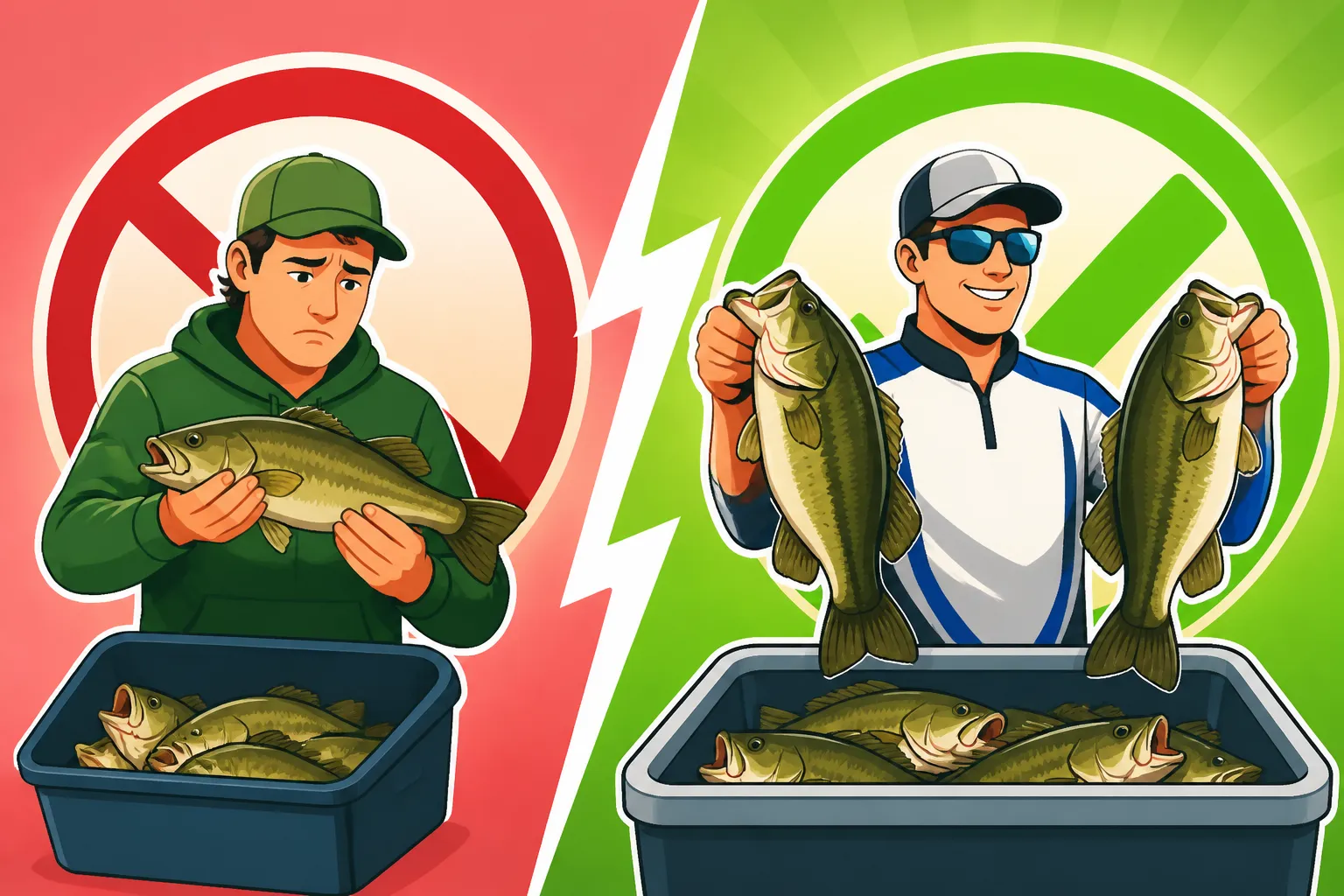
Because of this focus, and to facilitate the logistics of competitive events, the IDNR does have provisions for organized fishing tournaments. However, it’s absolutely vital to understand that this isn't a blanket exemption from all fishing laws. Instead, it's typically a specific, temporary allowance for the duration of the event, primarily concerning the temporary possession of fish in a livewell for the sole purpose of weigh-in and immediate, safe release. This means that a tournament director, having gone through the proper channels and obtained the necessary permits, might allow anglers to temporarily possess a limit of fish that might slightly exceed the daily creel for a brief period leading up to the weigh-in. For instance, in a five-fish bass tournament, an individual angler's livewell might hold five bass, even if the general public daily limit for that particular water might be slightly different or have a slot limit that these fish momentarily violate for competitive purposes.
It’s not just a free-for-all, though. The IDNR carefully scrutinizes applications for tournament permits. One of the key aspects the IDNR considers is whether the tournament promotes good conservation practices, particularly the use of aerated livewells and quick, healthy release protocols. This is why many tournaments are strictly catch-and-release, aiming for a 100% live release rate. The concept that Do Fishing Tournaments in Illinois Need Special Permits? is absolutely true, and these permits are the gateway to any special considerations regarding catch limits during the event. Without a valid permit, tournament anglers are subject to the same exact rules as recreational anglers, no exceptions.
Specific Temporary Exemptions and How They Work
Alright, let's get down to the nitty-gritty of these "exemptions." The most common form of allowance for tournaments in Illinois is tied directly to the special permit issued by the IDNR. This permit grants tournament organizers the authority to conduct their event under specific conditions, which can include provisions for the temporary possession of fish beyond the standard daily creel limits.
The Key is "Temporary Possession for Immediate Release": This is where many people get confused. These exemptions almost never mean that you can harvest and take home more fish than the standard daily limit. Instead, they typically allow tournament participants to hold fish in a properly maintained livewell, even if the aggregate number or size might momentarily exceed the recreational limit for that specific water, but only for the purpose of transporting them to the official weigh-in station and then immediately releasing them alive. For example, a bass tournament might specify a five-fish limit per boat, with no minimum size. An angler might catch and hold five 12-inch bass, even if the general public rule for that lake requires a 14-inch minimum and only allows three fish. This is permitted only because the tournament has an IDNR permit that allows this temporary possession for weigh-in and immediate release. The fish are never intended to be taken home by the angler.
These special permits often come with stringent conditions, such as:
- Mandatory Aerated Livewells: Every boat participating must have a functioning, aerated livewell sufficient to keep fish alive and healthy. Tournament organizers often inspect these. You can find robust livewell systems or accessories like portable aerators on sites like Amazon, which are crucial for maintaining fish health during the event.
- Designated Weigh-In Procedures: Fish must be brought to a designated weigh-in site, quickly measured and weighed, and then immediately released, usually by tournament staff, back into the same body of water.
- Conservation Measures: Tournaments are often required to implement best practices for fish care, including things like fizzing (releasing air from a fish's swim bladder if caught from deep water) or having recovery tanks.
- Specific Species: These exemptions are most commonly granted for popular tournament species like largemouth and smallmouth bass, where live release is paramount. For other species, like certain panfish or catfish, the rules might be much stricter, and true harvest exemptions are exceedingly rare.
It's also worth noting that some tournaments might not even seek or receive these specific temporary possession allowances. In those cases, tournament anglers are expected to adhere strictly to the published Illinois Fishing Regulations Overview and site-specific rules, just like any other angler. Always check the official tournament rules and director's briefing for clarity. You might also find that for some smaller, local events, the rules are simplified and align completely with general regulations. Understanding Catch-and-Release Only Periods on Some Waters can also inform how a tournament director approaches their rules for specific species or times of year.
Here's a simplified look at how these limits might differ:
| Species | Standard Recreational Daily Limit (Example) | Tournament Temporary Possession (Permitted Event Example) | Key Distinction |
|---|---|---|---|
| Largemouth | 3 fish, 14-inch minimum | 5 fish, any legal size (for weigh-in/release) | Temporary possession for live release after weigh-in |
| Walleye | 6 fish, 14-inch minimum | 5 fish, 14-inch minimum (if tournament allows retention) | Tournament may have different bag limit, not for excess harvest |
| Channel Catfish | 20 fish, no size limit | No common exemption, typically standard limits apply | Exemptions rare for high-volume harvest species |
Note: These are illustrative examples. Actual limits vary by specific water body and current IDNR regulations.
The bottom line is that while there might be some flexibility regarding temporary possession for the act of competition itself, this does not grant anglers permission to harvest more fish than legally allowed for personal use.
What Tournament Anglers Need to Know to Stay Legal
Navigating the world of tournament fishing regulations doesn’t have to be a minefield, but it does require diligence. As an angler, you have a responsibility to understand the rules, not just the general ones, but those specific to the event you're participating in.
First and foremost, always, always, always read and understand the official tournament rules. These documents are your bible for the event. Tournament directors are required to operate under the specific terms of their IDNR permit, and those terms will be reflected in the tournament rules. Pay close attention to sections on fish limits, size restrictions, livewell requirements, and weigh-in procedures. If anything is unclear, ask the tournament director or staff before you even launch your boat. Many larger tournaments, like those run by organizations such as Bass Pro Shops or even smaller local clubs, will clearly outline these details.
Secondly, understand that the "exemption" is for the tournament's specific activity. Once you leave the weigh-in station, any fish you might legally keep must adhere to the standard daily creel limits for recreational anglers. You cannot take home an "extra" fish just because you caught it during a tournament that had a temporary possession allowance. This is a common misunderstanding that can lead to serious trouble. If you’re ever found with an over-limit catch, regardless of whether it was caught during a tournament, you could face Penalties for Exceeding Your Daily Catch Limit.
Third, ensure your livewell system is up to snuff. A poorly functioning livewell is not only bad for the fish but can also lead to penalties in many tournaments for dead fish. You'll want a reliable aeration system, and perhaps even some livewell treatment chemicals, which you can easily find on Amazon. Being prepared means your fish have the best chance of survival, and you have the best chance of avoiding deductions.
Finally, remember that the burden of proof often falls on the angler. If a conservation officer approaches you on the water, they're looking to ensure you're compliant with all regulations. While a tournament permit provides certain allowances, you still need to be able to demonstrate that you are participating in a permitted event and adhering to its specific rules. This might mean having a copy of the tournament rules or permit readily accessible. Understanding the specific Weigh-In Rules for Local Fishing Tournaments can also help you explain your practices to an officer if questioned. And, for any Illinois fishing trip, whether competitive or recreational, knowing How to Find the Rules for a Specific Illinois Fishing Spot is absolutely essential, as regulations can sometimes vary significantly between different lakes and rivers, even within the same state.
Ultimately, while tournaments can offer a unique competitive experience, they don't grant a free pass from the spirit of conservation. The rules are there to maintain healthy fisheries for everyone, and responsible tournament angling plays a crucial role in that effort.
Disclaimer
Please note that fishing regulations, permits, and laws in Illinois are subject to change. This guide provides general information based on common practices and readily available information from the Illinois Department of Natural Resources (IDNR). It is always the responsibility of the individual angler to consult the most current official IDNR Fishing Information Guide and any specific tournament rules or permits before engaging in fishing activities. Neither the author nor this content should be considered legal advice.