Illinois Walleye Minimum Size Limit of 14 Inches
Navigating the ever-changing waters of fishing regulations can sometimes feel like a bigger challenge than actually catching the fish! It’s all too easy to head out, have a great day, only to realize you’ve misinterpreted a rule, especially when it comes to specific size limits. This guide is here to clear the confusion around Illinois’s 14-inch minimum size limit for walleye, ensuring your next trip is both successful and fully compliant.
Understanding the Statewide Walleye Size Rule
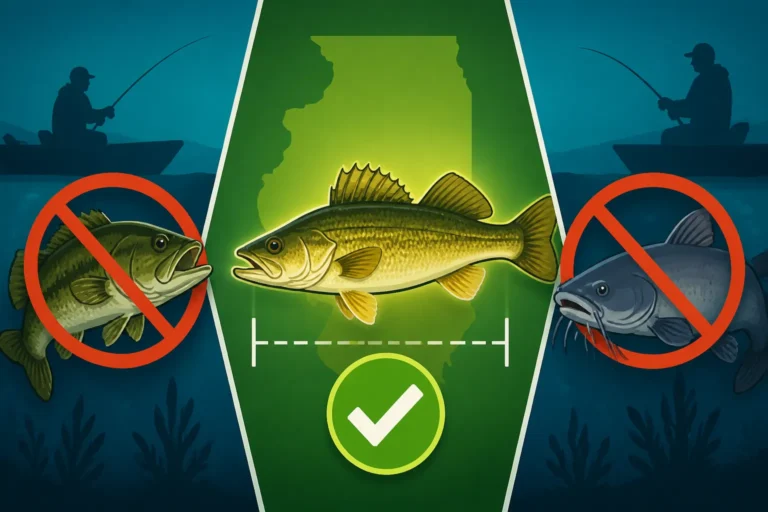
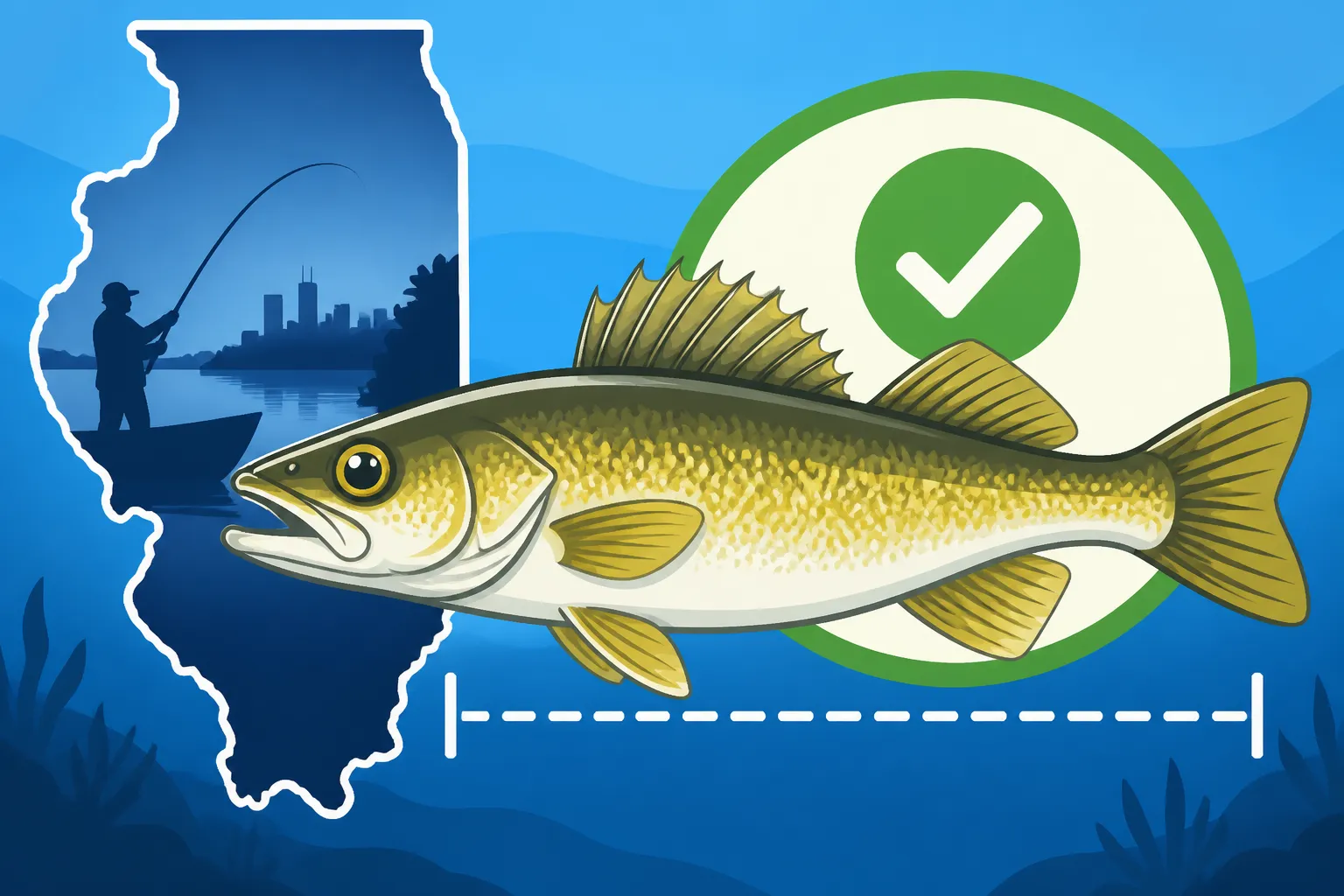
The 14-inch minimum size limit for walleye in Illinois isn't just an arbitrary number; it's a carefully considered regulation designed to protect and enhance our walleye populations. For anglers who love chasing these delicious fish, knowing this rule by heart is as crucial as knowing your favorite lure. Ignoring it can have real consequences, not just for your wallet, but for the health of the fishery we all cherish.
Why the 14-Inch Minimum Exists
At its core, the 14-inch minimum size limit serves a vital biological purpose: conservation. Walleye, like many fish species, need to reach a certain size and age before they can successfully reproduce. By setting a 14-inch minimum, the Illinois Department of Natural Resources (IDNR) ensures that most walleye have the opportunity to spawn at least once, if not multiple times, before they are eligible for harvest. This directly contributes to a robust and self-sustaining population, meaning more walleye for everyone to enjoy in the long run. Without such regulations, overharvesting of smaller, immature fish could quickly deplete a fishery, turning productive lakes and rivers into barren waters. It's about thinking beyond today's catch and preserving the future of Illinois fishing. These rules are part of a broader strategy for sustainable fishing, aiming to maintain healthy ecosystems that support a diverse range of species.
Furthermore, a minimum size limit often allows fish to grow into a more desirable size for anglers. There's nothing quite like reeling in a hefty walleye, and by allowing them to reach that 14-inch mark (and beyond!), the IDNR helps create opportunities for more trophy-sized fish. It's a balance between recreational opportunity and ecological responsibility. This strategy also helps spread out the fishing pressure, encouraging anglers to release smaller fish, which in turn reduces stress on the younger cohorts and allows them to contribute to the spawning cycle. It's a testament to good fishery management that we have these regulations in place, all designed to keep our waters teeming with life.
How to Accurately Measure Your Walleye
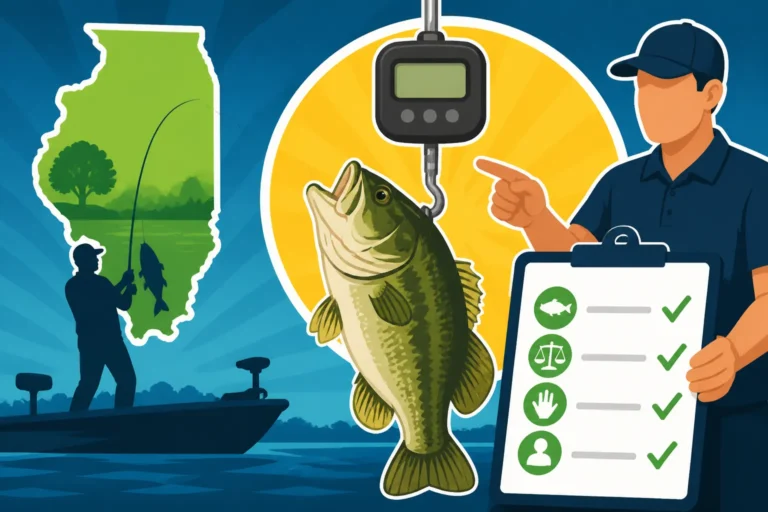
So, you’ve reeled in a beautiful walleye, and now comes the moment of truth: is it a keeper? Accurate measurement is absolutely critical here. The official way to measure any fish in Illinois is from the tip of its snout to the tip of its tail, with the tail pinched together to get the maximum length. It’s not just about eyeball estimates; precision matters. Many anglers keep a sturdy, waterproof measuring board or a reliable tape measure handy, often secured to their boat or easily accessible in their tackle box. Tools like a high-quality measuring tape from Amazon can be a great investment for consistent and accurate readings on the water.
Common mistakes often include not pinching the tail, or measuring from the fork of the tail rather than the very tip. Another error is rushing the process, especially if the fish is actively flopping. Always handle the fish carefully, with wet hands to protect its slime coat, and lay it flat on your measuring device. If you're on a boat, a measuring board with a nose-stop feature is ideal for quickly getting an accurate length. For bank anglers, a soft, flexible tape measure is usually sufficient, though a more rigid board can be less prone to error. Remember, the goal is a quick, accurate measure, and if it's under 14 inches, a swift and careful release back into the water is paramount. Mastering this simple skill will save you a lot of potential headaches and ensure you're always fishing within the rules.
Daily Limits and Possession: Beyond Just Size
While the 14-inch minimum size limit for walleye is a major regulation, it's only one piece of the puzzle. Anglers in Illinois also need to be acutely aware of daily catch limits and possession limits, which work in tandem with size restrictions to manage fish populations effectively. It’s a multi-layered approach to ensure sustainability, and understanding all components is vital for any responsible angler.
Illinois Walleye Daily Catch Limits
Across much of Illinois, the general daily catch limit for walleye is six fish. This means that, on any given day, you can legally harvest and keep up to six walleye that meet or exceed the 14-inch minimum size limit. However, it's crucial to distinguish between a "daily catch limit" and a "possession limit." A daily catch limit refers to the number of fish you can take in a 24-hour period, typically from midnight to midnight. A possession limit, on the other hand, refers to the total number of fish you can have in your possession at any time, whether that's in your cooler, at home, or in your freezer. For walleye in Illinois, the possession limit generally mirrors the daily limit, meaning you can't accumulate more than six legal-sized walleye over multiple days of fishing.
Let's imagine a scenario: you go out on Monday and catch three legal walleye. You take them home. On Tuesday, you go fishing again. You can only catch and keep another three legal walleye, bringing your total possession to six. If you were to catch five legal walleye on Monday, you could only keep one more on Tuesday. It’s important not to exceed that six-fish possession limit, regardless of how many days you've been fishing. This rule is designed to prevent stockpiling and to ensure that the fishing pressure is distributed more evenly across the population. Always be mindful of both the size and quantity of your catch, especially when heading out for an extended fishing trip. You can find more details on these regulations in the official guide, often referenced as the Illinois Fishing Information Guide Covers April 2026 Through March 2027.
Site-Specific Variations to Walleye Regulations
Now, here’s where things can get a little tricky, and why it's absolutely essential to do your homework before hitting the water: statewide rules are often just a baseline. Many lakes, rivers, and even specific sections of water bodies in Illinois have their own, unique walleye regulations that can differ significantly from the general statewide rules. This is why just knowing the 14-inch minimum and six-fish daily limit isn't always enough. For instance, some lakes might have a "slot limit," where you can only keep fish between certain sizes (e.g., only walleye between 16 and 20 inches, with a reduced daily limit), or perhaps a different minimum size, say 18 inches, to promote trophy management.
A prime example is some stretches of the Mississippi River, which might have different length and creel limits due to reciprocity agreements with neighboring states like Iowa or Missouri. Similarly, popular walleye fisheries like Lake Shelbyville or the Illinois River might have special rules tailored to their specific walleye populations and management goals. The best practice, without fail, is to always check the most current Illinois Fishing Regulations Overview or, more specifically, to consult the "site-specific regulations" section of the official IDNR fishing guide for the exact body of water you plan to fish. You can usually find this information online, often linked directly from the IDNR website, or on printouts available at local bait and tackle shops. Failing to do so is one of the most common ways anglers inadvertently run afoul of the law. Make it a habit to look up the rules for your intended destination, as detailed in resources like Checking Site-Specific Rules Before Fishing an Illinois Lake.
The Consequences of Non-Compliance
It's easy to get caught up in the excitement of fishing, but ignoring or misunderstanding regulations can lead to some pretty unpleasant outcomes. Nobody wants a day on the water to end with a hefty fine or, worse, losing their fishing privileges. It's a stark reminder that these rules aren't suggestions; they're laws with real teeth.
Penalties for Violating Walleye Regulations
Getting caught with an undersized walleye or exceeding your daily limit isn't just a slap on the wrist. When a conservation police officer (CPO) discovers a violation, they will typically issue a citation, much like a traffic ticket. The penalties can vary depending on the severity of the offense and whether it's a first-time or repeat infraction. Fines can range from tens to hundreds of dollars, and in some cases, the illegally harvested fish will be confiscated. In more egregious situations, such as multiple violations or attempts to conceal illegal fish, penalties can escalate to include court appearances, impoundment of fishing gear, and even the suspension or revocation of your fishing license.
For example, if you're caught with an 11-inch walleye when the minimum is 14 inches, you'll likely receive a citation and a fine. If you have seven walleye in your cooler when the limit is six, you'll also be ticketed, and that extra fish will be confiscated. Remember that ignorance of the law is never considered a valid excuse. The responsibility falls squarely on the angler to know and abide by all applicable regulations. This includes not just size and creel limits, but also having a valid fishing license. You can learn more about the implications in articles like What Happens If You Fish Without a License in Illinois? These regulations are enforced to protect our natural resources, and respecting them is part of being a good steward of Illinois's waters.
Ethical Angling and Conservation
Beyond the legal ramifications, there's a strong ethical component to following fishing regulations, especially when it comes to size limits. Every undersized fish released correctly contributes to the future health of the fishery. When you catch a walleye that's shy of the 14-inch minimum, practicing proper catch-and-release techniques is paramount. This means minimizing the time the fish is out of the water, handling it with wet hands to avoid removing its protective slime coat, and using de-hooking tools like pliers or hemostats to quickly remove the hook. Avoid excessive squeezing or rough handling, especially around the gills.
The goal is to return that fish to the water in the best possible condition, giving it the highest chance of survival to grow bigger and eventually spawn. Think of it as an investment in your future fishing trips. Ethical angling also means understanding the impact of your actions on the ecosystem. Releasing a healthy, undersized walleye allows it to continue its role in the food chain and eventually contribute to the next generation of fish. It's a demonstration of respect for the environment and the sport itself. By being a responsible angler, you're not just avoiding penalties; you're actively participating in the conservation efforts that keep Illinois's walleye fishing vibrant and sustainable for everyone.
Gear and Habits for Successful, Legal Walleye Fishing
Being prepared isn't just about having the right bait or lures; it's also about having the necessary tools and adopting habits that ensure you're always fishing within the legal framework. For walleye, this means being equipped to measure accurately and handle fish properly, as well as consistently staying informed about regulations.
Essential Gear for Measuring and Handling Walleye
Having the right gear on hand makes complying with regulations effortless. First and foremost, a reliable measuring device is non-negotiable. Many anglers prefer a solid, non-slip measuring board, particularly those with a small lip at one end to accurately place the fish’s nose for a precise measurement. These are available at most sporting goods stores or online retailers like Amazon. Alternatively, a flexible, retractable tape measure that's clearly marked and easy to read can work, especially for bank anglers or those with limited space. Just ensure it's made from a waterproof material and won't stretch.
Beyond measurement, responsible handling gear is vital for those fish that need to be released. A good pair of long-nosed pliers or a specific de-hooking tool helps remove hooks quickly and safely, minimizing stress and injury to the fish. Barbless hooks can also make removal easier. A rubberized landing net is highly recommended over nylon mesh nets, as the softer rubber helps protect the fish's slime coat and fins. Lastly, always keep your valid Illinois fishing license readily accessible, whether it’s a physical copy or a digital version on your phone. Having these tools ensures you're ready for any situation, from landing a trophy to safely releasing an undersized walleye. For a truly comprehensive setup, consider browsing fishing equipment on Amazon for durable measuring boards and specialized release tools.
| Regulation Aspect | Statewide Rule (Typical) | Example Site-Specific Rule (Hypothetical) |
|---|---|---|
| Minimum Size | 14 inches | 16 inches (e.g., Lake Shelbyville) |
| Daily Limit | 6 fish | 3 fish (e.g., Kinkaid Lake) |
| Possession Limit | 6 fish | 3 fish (e.g., Kinkaid Lake) |
| Special Rules | None | Slot Limit: 16-20 inches, 1 over 24 inches (e.g., Mississippi River) |
Developing Smart Angling Habits
Cultivating smart angling habits goes a long way in ensuring compliance and contributing to healthy fisheries. The most crucial habit is pre-trip planning. Before you even pack your cooler, take a few minutes to look up the current regulations for the specific body of water you intend to fish. As discussed, rules can vary widely, so relying on general knowledge might lead to mistakes. Websites like the Illinois Department of Natural Resources (IDNR) are your best friend, offering the most up-to-date information. Learning how to properly interpret the Illinois Walleye Size and Catch Limits for your specific destination can save you a lot of grief.
Another vital habit is constant awareness while fishing. Every fish you catch, regardless of species, should be approached with the intent to measure and identify it correctly before deciding to keep or release. Get into the routine of immediately reaching for your measuring device. For species like walleye, which often share waters with similar-looking fish, learning proper fish identification is key. For example, knowing the subtle differences between a walleye and a sauger can prevent accidental violations. Don't be shy about asking questions at local bait shops; they are often a wealth of hyper-local, up-to-the-minute information on specific conditions and regulations. Engaging with other anglers can also be beneficial, but always cross-reference information with official sources. Whether you're interested in Walleye Trolling Techniques or Walleye Jigging Techniques, understanding the rules makes the experience more rewarding. Remember, being a responsible angler means staying informed, and there are plenty of resources, including your local bait shop or online stores like Amazon, that can help you acquire the necessary gear and knowledge.
Disclaimer
Please be aware that fishing regulations, including size and catch limits, can change. While this guide provides the most current information available at the time of writing, it is always the angler's responsibility to consult the latest official Illinois Department of Natural Resources (IDNR) Fishing Information Guide or their website before heading out.