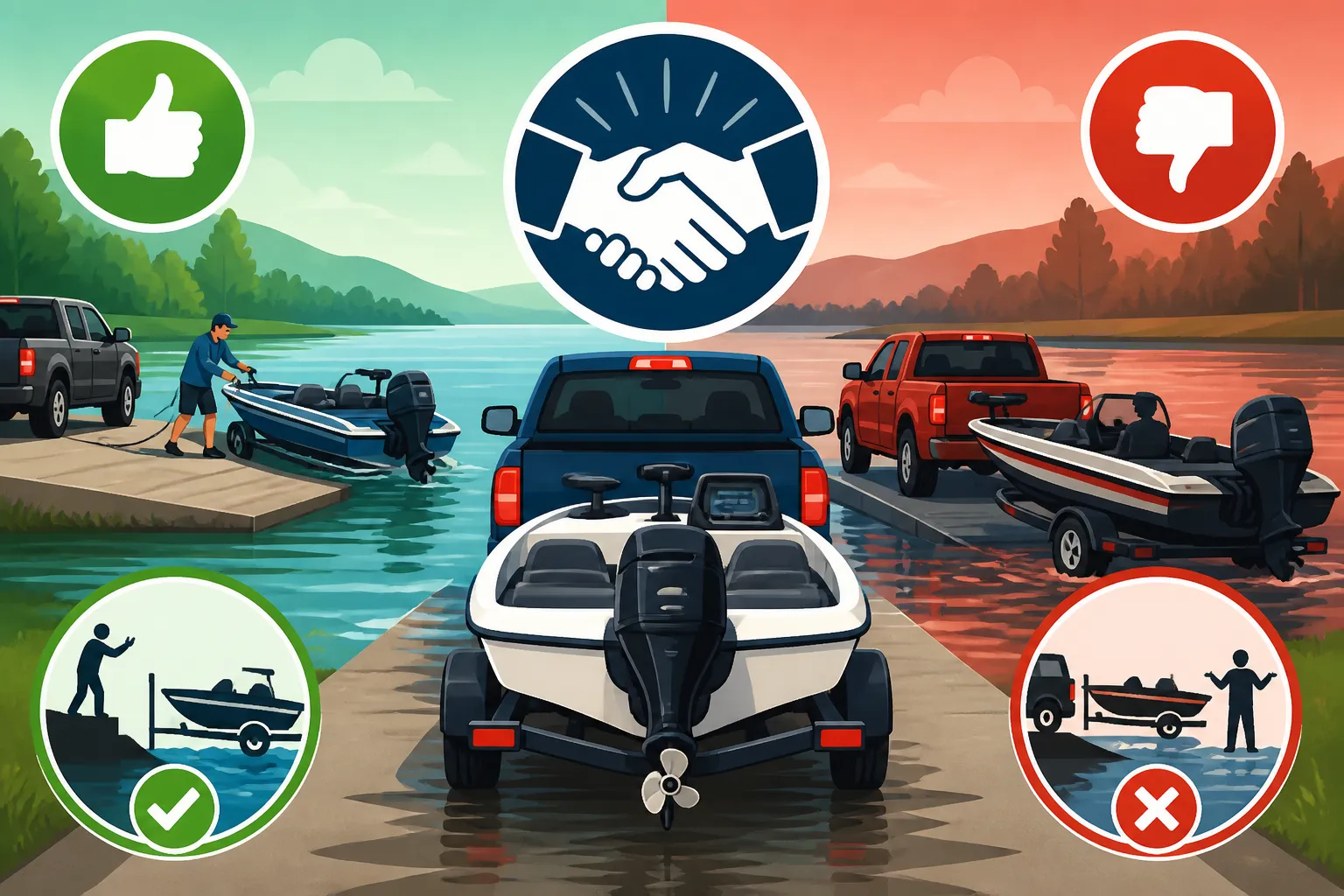
Best Boat Ramp Etiquette for Busy Lakes
There's nothing quite like the excitement of hitting the water for a day of Illinois fishing, but that feeling can quickly sour when you pull up to a boat ramp that's already a chaotic scene. We've all been there: frustrated by slow-moving anglers, blocked lanes, and a general lack of courtesy that turns a simple launch or retrieve into a stressful ordeal. This guide is all about helping you navigate those busy boat ramps, offering practical tips and a dose of common sense to ensure your day on the water starts and ends smoothly for everyone.
The Golden Rule: Preparation Before You Arrive
Think about it: the biggest bottleneck at any busy boat ramp isn't usually the ramp itself, but the folks who aren't quite ready to use it. When you're prepared, you not only make your own life easier but you also become part of the solution, not the problem. This mindset is crucial for a stress-free experience.
Pre-Trip Checklist: Get Everything Ready at Home
The absolute best way to practice good boat ramp etiquette is to minimize the amount of time you spend actively on the ramp. That means doing as much as possible before you even leave your driveway, or at the very least, before you enter the immediate ramp area. Have your lines spooled, your tackle boxes organized, and your cooler packed. If you're using electronics, make sure they're charged and mounted.
Imagine pulling up to a busy ramp at Clinton Lake, and the person ahead of you is still trying to figure out which rod they want or can't find their keys. It holds everyone up! A simple mental checklist, or even a physical one if you're new to boating, can save precious minutes. Think about securing all loose items in your boat – tackle boxes, life jackets, dry bags – so nothing flies out on the road or as you back down the ramp. My go-to is to load everything up the night before if possible, especially if I’m planning an early morning trip. I’ve picked up some great organizers from Bass Pro Shops over the years that keep everything contained and ready to go. You can find similar handy storage solutions on Amazon too.
The Staging Area: Your Best Friend at the Ramp
Every well-designed boat launch facility should have a designated staging area. This is typically a section of pavement or gravel adjacent to the ramp, specifically for getting your boat ready before you back down. Yet, so many people overlook it or don't use it efficiently. This is where you perform all your final prep work.
In the staging area, you should:
- Remove your boat cover: Don't wait until you're halfway down the ramp.
- Disconnect trailer lights: If they’re not submersible, you’ll burn them out.
- Remove transom saver and tie-downs: These are essential for highway travel but useless, and even dangerous, on the ramp.
- Insert your drain plug: This one is critical! You'd be amazed how many people forget it. No one wants to launch a boat only to realize it's quickly filling with water.
- Load any last-minute gear: If you forgot something at home, now is the time to quickly toss it in, not when you're blocking the ramp.
- Attach your bow line and stern lines: Have them ready to grab once the boat is off the trailer.
- Ready your motor: Ensure it's trimmed up, fuel line connected, and primer bulb squeezed.
Using the staging area effectively means that when it's your turn, you simply back down, unhook the bow strap, and launch. It's a dance of efficiency that keeps the line moving. For more on ensuring your boat is trailered safely and efficiently, check out Illinois Boat Trailer and Ramp Tips.
Mastering the Launch Sequence: Practice Makes Perfect
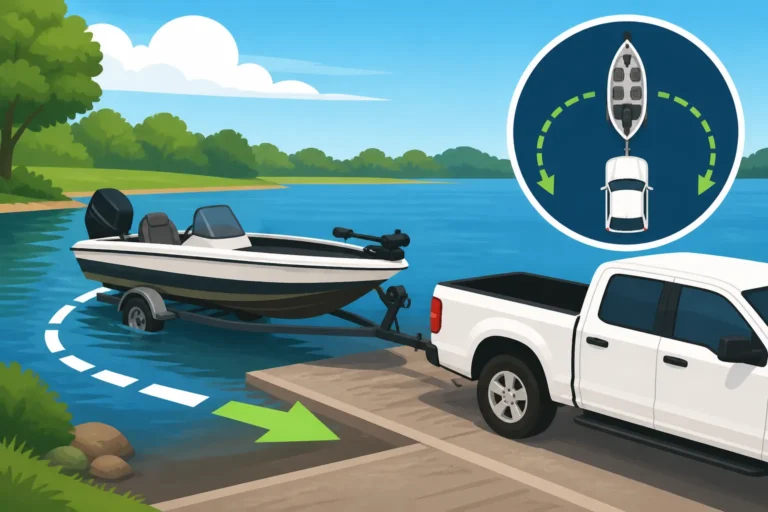
Let's be honest, backing up a trailer can be intimidating, especially with an audience. But it's a skill that can be practiced and perfected. The more confident you are, the faster and smoother your launch will be. If you're new to trailering, find an empty parking lot and spend some time practicing backing up with your boat. Learn how the trailer responds to steering wheel inputs.
When you're at the ramp, don't be afraid to take your time, but make it productive time. If you have a partner, communicate clearly. One person can drive the boat off the trailer while the other backs it down. Many seasoned anglers develop a routine where one person stays in the boat, starts the motor, and drives it off the trailer as it hits the water, while the other parks the truck and trailer. This is the ultimate in efficiency, especially at popular spots like Rend Lake. You’ll also want to make sure you understand Illinois Boater Education Card Requirements to ensure you’re operating safely and legally.
Seamless Launching and Docking: On the Water's Edge
Once you're at the water's edge, it's all about quick transitions and being considerate of others. This is where good planning really pays off, allowing you to move through the launch process without unnecessary delays.
The Art of the Quick Launch: Time is of the Essence
You've prepped, you've backed down, now get that boat off the trailer and out of the way! Once your boat is floating, quickly unhook the bow strap and get it off the trailer. If you're launching solo, have a long bow rope ready to tie off to a dock or a shore marker as you park your vehicle. This way, your boat isn't drifting freely while you deal with your truck and trailer.
For those with a partner, the process can be even faster. As soon as the boat floats, your partner should take control, move it to an open section of the courtesy dock, and clear the ramp. Then, it's your turn to get the truck and trailer parked. The goal is to spend mere minutes on the actual ramp itself. Every extra minute you spend is a minute someone else is waiting. This applies whether you're in a fancy bass boat or a simple jon boat you found on Amazon.
Dock Etiquette: Sharing is Caring
Courtesy docks at busy ramps are not for loading all your gear, putting on sunscreen, or catching up with friends. They are temporary holding areas for boats that have just launched or are waiting to be retrieved. Keep your time on the dock to a minimum.
If the dock is busy, don't hog space. Tie up your boat, quickly board your crew, and move out. If you need to make more extensive preparations – organizing tackle, getting your rods ready, perhaps even a bathroom break – do it away from the immediate dock area. Move your boat to a less congested part of the shoreline or anchor it briefly if conditions allow. Always leave enough space for other boats to launch and dock comfortably. Thinking about how to make your boat more accessible for the whole family? Consider Best Fishing Boats for Illinois Lakes.
Avoiding Ramp Blockage: Keep the Flow Moving
The cardinal sin of boat ramp etiquette is blocking the ramp. This can happen in several ways:
- Leaving your boat on the trailer in the water too long: Get it off!
- Parking your vehicle in front of the ramp while you wait for your turn: Use the staging area, not the access road.
- Lingering on the ramp after launching: Once the boat is off, get your truck and trailer out of the way immediately.
Consider a busy Saturday morning at Lake Shelbyville. If one person decides to adjust their depth finder while their boat is still on the trailer at the top of the ramp, they've just created a domino effect of delays. The key is to visualize the flow of traffic: from the staging area, to the ramp, to the water, and then to parking. Your job is to move through each step as efficiently as possible. Understanding Illinois Boat Registration Requirements Explained and keeping your registration current will also help avoid any unexpected delays with DNR officials.
Retrieving Your Boat: Ending the Day Gracefully
Just like launching, retrieving your boat from a busy ramp requires planning, speed, and consideration. The end of the day often sees more tired, less patient anglers, so doing your part to keep things moving is even more important.
Signalling Your Approach: Let Everyone Know You're Coming
As you head back to the ramp after a great day of fishing, try to anticipate the traffic. If you see a line of boats waiting, approach slowly and be patient. Don't idle in front of the ramp blocking others; find a safe spot away from the main thoroughfare if you need to wait.
If you have a partner, they can go ahead and get the truck and trailer, signaling to you when they are ready to back down the ramp. A simple hand signal, a quick call on a marine radio, or even a text message can prevent confusion and speed things up. It's like a finely tuned pit crew at a race. Your boat's safety gear is important here too; having well-placed lines and fenders can help you maneuver without dings, so review your Illinois Boating Safety Equipment Checklist.
The Quick Retrieval: Minimizing Your Time on the Ramp
Just like with launching, the goal is to spend as little time as possible on the ramp itself during retrieval. Once your trailer is in position, guide your boat onto it smoothly and efficiently. If you're power loading, do it quickly and don't create an excessive wake that splashes others or erodes the ramp. If you're winching, make sure your winch strap is easily accessible and not tangled.
Once your boat is securely on the trailer, get it off the ramp. Pull forward to the staging area or a designated breakdown area to perform all your post-retrieval tasks. This means:
- Secure your boat with the bow strap and transom tie-downs: Do this after you've cleared the ramp.
- Raise your motor: If it was trimmed down for loading.
- Remove the drain plug: Essential for preventing moisture build-up and potential freeze damage, but not on the ramp.
- Attach trailer lights and secure the cover: Again, do this in the staging area.
For tips on perfectly aligning your boat on the trailer, check out How to Back a Trailer at an Illinois Boat Ramp. This is one of the most common hangups, and practice truly makes perfect.
Post-Retrieval Breakdown: Clear the Area for Others
After retrieving your boat and pulling it clear of the ramp, move to the staging area or a designated spot to perform all your post-fishing tasks. This is where you can take your time to:
- Tie down your boat properly: Ensure all straps and covers are secure for safe road travel.
- Organize your gear: Stow rods, tackle boxes, and coolers.
- Clean up: Dispose of any trash in appropriate receptacles.
- Drain your livewell: Prevent the spread of aquatic invasive species.
Do not do these things on the ramp or blocking the flow of traffic. Be mindful of those still waiting to launch or retrieve. Being an efficient boat owner extends beyond just the water; proper Boat Trailer Maintenance Tips for Anglers are also part of being a responsible boater.
Beyond the Ramp: General Courtesy for a Better Experience
Boat ramp etiquette isn't just about the mechanics of launching and retrieving. It's also about a broader sense of community and respect for the shared outdoor spaces we all love.
Parking with Purpose: Respecting Shared Spaces
After your boat is launched or retrieved, it's time to park your truck and trailer. This might seem obvious, but proper parking is a huge part of good boat ramp etiquette.
- Use designated trailer parking spots: These spots are usually longer to accommodate your rig. Don't park your trailer in a single-car spot, and certainly don't take up two spots meant for cars.
- Avoid blocking other vehicles: Ensure you leave enough room for others to maneuver.
- Don't block access roads or staging areas: These areas need to remain clear for continuous flow.
- Observe parking signs: Some areas have specific rules for different types of vehicles or time limits.
Misplaced parking can quickly escalate a smooth operation into a gridlock, especially at busy state park lakes where parking can be at a premium. Always be thinking about how your parking affects others trying to use the facility. And remember, there might be Illinois Boat Launch Fees at State Parks so have your payment ready!
Being Mindful of Noise and Wake: A Little Consideration Goes a Long Way
While you're waiting your turn or pulling away from the dock, be mindful of your surroundings.
- Noise: Avoid unnecessary shouting, loud music, or revving your engine excessively. Many people are trying to enjoy a peaceful start or end to their day, and some ramps are near residential areas.
- Wake: As you depart from the ramp or approach the dock, maintain a no-wake speed. A large wake can swamp smaller boats, disturb bank anglers, or even damage docks and shoreline. It's also dangerous for anyone wading in the water near the ramp.
This is especially true on popular waters like the Fox River or the Kankakee River where both bank anglers and boaters are often present in close proximity. A little thoughtfulness goes a long way in ensuring everyone has a pleasant experience.
Knowing Local Rules: Ignorance Isn't an Excuse
Every lake and river in Illinois might have slightly different regulations, not just for fishing but for boating as well. Familiarize yourself with the specific rules of the body of water you're visiting. This includes speed limits, no-wake zones, and any specific ramp usage guidelines.
The Illinois Department of Natural Resources (IDNR) typically posts these rules at public access points, or you can find them in the Illinois Fishing Information Guide Covers April 2026 Through March 2027. Don't just assume the rules are the same everywhere. For instance, some smaller, more tranquil lakes may have stricter noise or wake restrictions than larger bodies of water like Carlyle Lake. It’s also wise to know Illinois Life Jacket and PFD Rules, especially when taking kids along; safety is paramount. Even if you're hitting the water on a Illinois Free Fishing Days Weekend Fishing Guide, you still need to follow all boating regulations.
By adhering to these simple etiquette guidelines, we can all contribute to a more enjoyable and less stressful experience at Illinois's busy boat ramps. It’s about respect, preparation, and a little common sense, ensuring everyone gets to enjoy the beautiful waters our state has to offer.
Disclaimer
This article is for general informational purposes only and does not constitute professional advice. Laws, prices and regulations vary by location and change over time. Consult a qualified professional for guidance on your specific situation.