Illinois Boat Trailer Tips for First-Time Owners
It's completely normal to feel a bit overwhelmed when you become a first-time boat owner, especially when it comes to the boat trailer. That big, metal contraption designed to haul your pride and joy can feel like a whole new beast to master, from backing it up at the ramp to just making sure it's legal on Illinois roads. This guide is here to take the mystery out of boat trailers, offering practical, real-world advice to help you confidently get your boat to and from the water, no matter your experience level.
Understanding Your Illinois Boat Trailer Basics
Before you even think about backing down a ramp, it's crucial to understand the fundamental aspects of your boat trailer. It’s not just a dolly; it’s a piece of road-legal equipment with its own set of rules and components that need your attention. Many new owners mistakenly think of the trailer as an afterthought, but it's just as vital as the boat itself for a safe and enjoyable fishing season.
Illinois Boat Trailer Registration and Legality
This is often the first hurdle for new owners, and it can be a bit confusing. In Illinois, unlike the boat itself which requires its own registration with the state, your boat trailer is generally treated like any other utility trailer or vehicle attachment. This means it falls under the Illinois Vehicle Code, not the boat registration system. You'll need to register your trailer with the Secretary of State's office, just like you would a car or truck, and it will require its own license plate. This distinction is really important because the Department of Natural Resources (IDNR) handles boat registration, while the Secretary of State handles trailer registration. Don't get them mixed up! You'll need to show proof of ownership, usually a Manufacturer's Statement of Origin (MSO) or a title from a previous owner, and pay the appropriate fees. Skipping this step can lead to fines and headaches, so make sure your trailer is properly tagged before you hit the road. For more on boat-specific regulations, check out our guide on Illinois Boat Registration Requirements Explained.
Essential Trailer Components and Their Purpose
Getting to know the parts of your trailer is like learning the anatomy of your fishing rod – you can’t use it effectively if you don’t know what everything does. Your trailer is a collection of critical components, each serving a specific role in safe transport.
- Coupler: This is the part that attaches to your vehicle's hitch ball. It needs to be the correct size for your hitch ball (usually 1 7/8", 2", or 2 5/16") and securely locked in place with a pin or padlock. A loose coupler is an accident waiting to happen.
- Safety Chains: These two chains act as a backup in case the coupler fails. They should be crossed under the tongue of the trailer and attached to your tow vehicle. This crisscross prevents the tongue from digging into the pavement if it detaches.
- Winch and Strap/Cable: Located at the front of the trailer, the winch is what pulls your boat onto the bunks or rollers, and the strap or cable secures the bow to the trailer. Always ensure the winch is in good working order and the strap isn't frayed.
- Bunks or Rollers: These support the hull of your boat. Bunks are carpeted wooden supports that run the length of the boat, while rollers are individual wheels. Both help distribute the boat's weight evenly. Make sure they're adjusted correctly for your specific hull shape.
- Axles and Wheels: These bear the weight of your boat. Depending on the size of your boat, your trailer might have one or two axles (single or tandem). Tandem axles distribute weight better and offer a smoother ride, especially for larger boats.
- Lights: Brake lights, turn signals, and running lights are all legally required and absolutely critical for road safety. They often get submerged, so they're prone to issues. More on this later, but always check them before you leave.
- Fenders: These protect your boat and other vehicles from debris kicked up by the tires.
- Jacks and Tongues: A trailer jack supports the tongue when it's detached from your vehicle, making it easier to move by hand. The tongue is the long bar extending from the trailer frame to the coupler.
Understanding these parts will not only help you perform maintenance but also troubleshoot issues on the fly. You can often find replacement parts or upgrades at stores like Bass Pro Shops or through online retailers like Amazon.
Matching Your Trailer to Your Boat: Why the Right Fit Matters
You wouldn't wear shoes two sizes too small, right? The same logic applies to your boat trailer. Having a trailer that's properly sized and rated for your boat is non-negotiable for both safety and the longevity of your investment. An undersized trailer is a recipe for disaster, risking structural damage to your boat, uneven tire wear, and even catastrophic failure on the highway.
First and foremost, you need to know your boat's fully loaded weight. This includes the boat itself, the motor, fuel, battery, and all your gear (tackle boxes, life jackets, anchors, etc.). Don't just go by the manufacturer's dry weight! Once you have that figure, look for a trailer with a Gross Vehicle Weight Rating (GVWR) that exceeds your loaded boat weight by at least 15-20%. This buffer is crucial.
Next, consider the length. The trailer needs to be long enough to support the boat's hull properly, ideally with a few feet of tongue extension for easier launching and retrieval. Too short, and you put undue stress on the transom; too long, and it's cumbersome to maneuver.
Finally, think about the braking system. Many larger boat trailers are equipped with surge brakes, which engage automatically when your tow vehicle slows down. In Illinois, trailers with a gross weight (trailer plus load) over 3,000 pounds typically require brakes on all wheels. Always check the current regulations, as these can change. Ensuring your trailer is a perfect match means safer towing, less wear and tear on your boat, and peace of mind on the road.
Safe Towing Practices for Illinois Roads
Once you've got your trailer properly registered and matched to your boat, the next big step is learning how to tow it safely on Illinois roads. It's a different animal than driving your vehicle solo, and anticipating these differences will make you a much more confident and secure driver.
Pre-Trip Inspection Checklist
Never, ever skip this step. A thorough pre-trip inspection takes just a few minutes but can prevent hours of roadside frustration, potential accidents, or even hefty fines. Many new boat owners are eager to just get to the lake, but trust me, a quick check can save your day.
Before you pull out of your driveway, or even before leaving the boat ramp, walk around your entire setup:
- Lights: This is paramount. Connect your trailer's electrical plug and have someone check that your running lights, brake lights, and turn signals are all functioning correctly. These are frequently an issue due to corrosion from submersion.
- Tires: Check the pressure on all trailer tires, including the spare. Improperly inflated tires can lead to blowouts or uneven wear. Also, inspect the tread for wear and look for any cracks or bulges on the sidewalls. Don't forget to check the lug nuts for tightness.
- Coupler and Safety Chains: Ensure the coupler is fully seated on the hitch ball and the locking mechanism is engaged. The safety chains should be crisscrossed beneath the tongue and securely fastened to your tow vehicle.
- Boat Tie-Downs: Verify that the bow strap is tight, and the transom straps (at the back of the boat) are securely fastened. For longer trips, consider adding a strap over the middle of the boat, especially if it has a tall windshield or canvas cover, to prevent it from shifting or lifting due to wind.
- Brakes (if equipped): If your trailer has surge brakes, do a quick visual check of the brake fluid reservoir and the actuator. Make sure they appear to be in good working order.
Making this a routine will save you immense stress down the line. You can find tire gauges, spare bulbs, and even full wiring kits at places like Amazon to keep in your tow vehicle.
| Item to Check | Why It's Important | How to Check |
|---|---|---|
| Tires (Trailer & Spare) | Prevent blowouts, ensure stability, avoid wear | Check pressure with gauge, inspect for damage, tighten lug nuts |
| Lights | Legal requirement, road safety | Test all functions (brakes, turns, running) with a helper |
| Coupler | Secure connection to tow vehicle | Ensure fully seated, locked, and pinned |
| Safety Chains | Backup in case of coupler failure | Crossed, securely attached, no excessive slack |
| Boat Tie-Downs | Prevent boat from shifting or coming off trailer | Tighten bow and transom straps, add mid-boat strap if needed |
| Winch & Strap | Secure bow to trailer | Ensure strap isn't frayed, winch operates smoothly |
| Wheel Bearings | Prevent wheel seizure due to overheating | Listen for grinding, feel for excessive heat after a short drive |
| Fenders | Protect boat and other drivers from debris | Ensure secure and not rubbing tires |
| Brakes (if equipped) | Safe stopping power | Visual check of lines/actuator, test engagement if safe |
Driving with a Trailer: Tips and Techniques
Driving with a boat trailer is an acquired skill, and it's perfectly normal to feel a little awkward at first. The key is to remember that your vehicle is now significantly longer, heavier, and less maneuverable.
- Wider Turns: Always make wider turns, especially right turns. Your trailer wheels track inside your tow vehicle's wheels. If you turn too sharply, you'll clip curbs, signs, or even other vehicles. Practice in an empty parking lot to get a feel for the turning radius.
- Increased Stopping Distance: The added weight of the boat and trailer means it will take much longer to stop. Maintain a greater following distance than you normally would, at least double what you'd typically use. Anticipate stops and brake smoothly and early.
- Slower Acceleration: Your vehicle will accelerate more slowly, especially uphill. Don't try to dart into traffic or pass quickly. Take your time and be patient.
- Lane Changes: Use your mirrors constantly. Signal well in advance and make gradual lane changes, giving yourself plenty of room. Remember, your blind spots are much larger with a trailer. Consider adding wider towing mirrors to your vehicle.
- Backing Up: This is where many new owners get stumped. The trick is to steer in the opposite direction you want the trailer to go. Want the trailer to go left? Turn your steering wheel slightly right. Make small adjustments, use your mirrors, and take your time. It takes practice, so don't be afraid to find an empty parking lot and just practice backing up to gain confidence. We have a detailed guide on How to Back a Trailer at an Illinois Boat Ramp that can help you immensely.
- Wind and Crosswinds: Illinois is known for its open stretches and strong winds. A boat on a trailer acts like a sail, making your rig more susceptible to crosswinds. Be prepared for your trailer to sway, and reduce your speed if conditions are windy.
Securing Your Boat for Travel
Securing your boat goes beyond just cranking the winch. You need multiple points of contact to ensure your boat stays put, especially on highways or bumpy Illinois backroads. Think of it as redundant safety measures.
The primary attachment is the bow eye secured by the winch strap, but this alone isn't enough. You also need a dedicated bow safety chain or strap that runs from the bow eye to the trailer frame, independent of the winch. This is your ultimate backup if the winch fails.
At the stern, transom tie-down straps are essential. These straps anchor the back of the boat to the trailer frame, preventing the stern from bouncing or shifting side to side. Without them, your boat can literally "hop" off the bunks, causing significant damage. If your boat has a tall windshield or a T-top, consider adding an additional strap over the middle of the boat to prevent it from lifting due to aerodynamic forces at highway speeds. Always ensure all straps are snug, but not overtightened to the point of deforming the hull. Proper securement is a critical part of your Illinois Boating Safety Equipment Checklist.
Mastering the Boat Ramp in Illinois
Ah, the boat ramp. For many new boat owners, this is the most nerve-wracking part of the entire experience. The thought of holding up a line of impatient anglers, or worse, having a mishap, can be incredibly intimidating. But with a little preparation and practice, you can approach the ramp with confidence.
Pre-Launch Preparations (Before You Hit the Water)
The secret to a smooth ramp experience is doing most of your preparation before you ever get into the actual launching lane. This is called the "staging area," and it's where you'll get everything ready so your time on the ramp itself is minimal. This is also where good ramp etiquette really shines.
- Remove Tie-Downs: Take off all your transom tie-down straps and any mid-boat straps you used for travel. Leave the bow strap connected to the winch for now, but release any bow safety chain.
- Insert Drain Plug: I can't stress this enough! Many a day has been ruined by forgetting the drain plug. Make it a habit to insert it every single time before backing down.
- Load Gear: Make sure all your tackle boxes, coolers, and rods are in the boat and secured. You don't want to be fumbling with gear while people are waiting.
- Put in Your Key: Yes, simple as it sounds, put your boat's ignition key in the switch. You'd be surprised how often this is overlooked!
- Remove the Motor Support (if applicable): If you use a transom saver or motor support for your outboard, remove it now.
- Unplug Trailer Lights: This is a crucial step. Submerging hot trailer light bulbs in cold water can cause them to crack and burn out. Disconnect the electrical plug from your tow vehicle.
By doing these steps in the staging area, you'll be ready to swiftly launch your boat when it's your turn, earning you the respect of fellow anglers. For more on how to be a considerate boater, read our guide on Best Boat Ramp Etiquette for Busy Lakes.
Launching Your Boat Like a Pro
Now for the main event! Once you're in the launch lane, it's time to back down. Take a deep breath, and remember those practice sessions in the parking lot.
- Back Down Slowly: Ease your boat and trailer down the ramp. Go slow, use your mirrors, and make small steering corrections. Aim for the center of the ramp.
- Judge Depth: Watch the water level. You want to back the trailer in until the boat can float free, but not so deep that your tow vehicle starts to float or get its exhaust submerged. For most boats on a bunk trailer, this means the water is about two-thirds of the way up the fenders. For roller trailers, you might need less depth.
- Release the Bow: Once the boat is floating or mostly floating, put your tow vehicle in park, set the emergency brake, and hop out. Unhook the bow strap from the boat's bow eye.
- Launch the Boat: Give the boat a gentle push off the trailer. If there's wind or current, be mindful of how the boat will drift. Have a line ready to hold onto the boat while you park your trailer. Many experienced boaters will have their lines already tied to cleats and ready to grab.
- Park Your Vehicle: Once your boat is safely tied to a dock or held by a friend, quickly drive your tow vehicle and trailer to the designated parking area. Do not linger on the ramp!
It takes practice, but with each successful launch, your confidence will grow. The more you practice your How to Back a Trailer at an Illinois Boat Ramp skills, the easier it becomes.
Retrieving Your Boat Efficiently
Retrieving your boat is essentially the reverse of launching, but it also requires a bit of finesse. The goal is to get your boat back onto the trailer straight and smoothly, without unnecessary repositioning.
- Retrieve Trailer: Once you're ready to leave, bring your tow vehicle and trailer back to the launch lane. Again, pull up into the staging area before backing onto the ramp if you need to make any final adjustments or attach your bow strap to the winch.
- Back Down to the Right Depth: Just like launching, back the trailer into the water to the optimal depth for your boat. You want the bunks or rollers mostly submerged so the boat can slide on easily.
- Position the Boat: This is the crucial part. Maneuver your boat (either by motoring or pulling it by hand if it's small) to align perfectly with the center of the trailer. Take your time. Don't rush this step. It's much easier to take an extra minute aligning the boat in the water than to try to winch it on crooked.
- Winch On: Once the boat is aligned, slowly motor or pull it onto the front of the bunks or rollers. Then, connect your bow eye to the winch strap and crank the boat completely onto the trailer. Make sure the bow is seated firmly against the bow stop.
- Secure and Drive Off: Once the boat is winched on, put your tow vehicle in park, set the emergency brake, and secure the bow safety chain. Then, slowly drive the boat and trailer off the ramp and into the staging area. This clears the ramp for others.
- Final Securement and Prep: In the staging area, re-install your transom tie-downs, remove the drain plug (allowing water to drain during your drive home is usually a good idea, but check local regulations), and reconnect your trailer lights. Do a quick walk-around inspection, and then you're good to go!
Essential Boat Trailer Maintenance for Longevity
Your boat trailer lives a tough life, constantly exposed to road grime, water, and varying temperatures. Neglecting maintenance isn't just about things looking bad; it directly impacts safety and can lead to costly repairs. A little preventative care goes a long way in ensuring your trailer is always ready for your next Illinois fishing adventure.
Routine Maintenance Checks
Beyond your pre-trip inspection, there are deeper checks and tasks you should perform regularly throughout the season to keep your trailer running smoothly.
- Wheel Bearings: These are notorious points of failure on boat trailers because they get submerged. They need to be regularly greased. Many modern trailers come with "bearing buddies" or similar systems that allow you to easily pump grease into the hubs. Even with these, it's a good idea to have your bearings inspected and repacked by a professional periodically, perhaps once a year depending on use. A seized bearing on the highway is a nightmare scenario.
- Brakes (if equipped): If your trailer has surge brakes, check the brake fluid level and inspect the brake lines for any leaks or damage. Test the brakes occasionally in a safe, open area to ensure they're engaging properly. Calipers and pads can rust and seize up, especially after saltwater exposure, but even freshwater use can cause issues over time.
- Tire Pressure and Condition: Don't just check pressure; regularly inspect the tire treads for uneven wear, which could indicate alignment issues. Look for cracks in the sidewalls, especially if your trailer sits outside in the sun. Trailer tires often develop dry rot before they wear out.
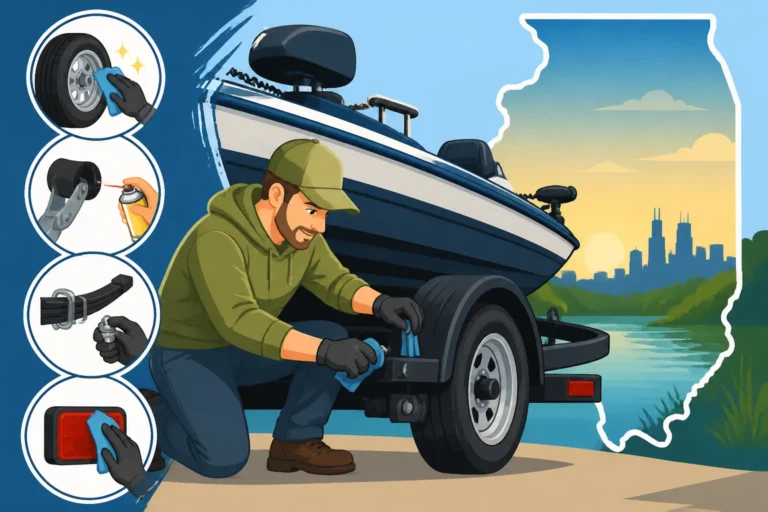
- Electrical Connections: Corrosion is the enemy here. Unplug your trailer lights' electrical connector after each use and spray it with a marine-grade dielectric grease, especially if you're frequently dunking it. Check all wiring for frays, pinches, or exposed sections.
- Rust Prevention: Freshwater isn't as corrosive as saltwater, but rust can still develop, particularly on steel trailers or components. Wash your trailer thoroughly after each use, especially if it's been in murky or silty water. Periodically inspect the frame, springs, and hardware for rust. Treat any rust spots promptly with rust converter and touch-up paint.
By staying on top of these routine tasks, you'll significantly extend the life of your trailer and prevent unexpected breakdowns. For more comprehensive tips, take a look at Boat Trailer Maintenance Tips for Anglers.
Winterizing and Storage Tips
When the cold Illinois winter sets in and fishing slows down, it's time to properly store your boat and trailer. Just like you'd winterize your boat's engine, your trailer needs attention too.
- Thorough Cleaning: Give your trailer a really good wash, getting rid of all road salt, mud, and grime. Pay special attention to the frame, axles, and around the wheel wells.
- Lubrication: Re-grease your wheel bearings. Lubricate the winch, coupler, and jack stand mechanisms. A spray lubricant like WD-40 or a marine-grade equivalent can work wonders on moving parts.
- Tire Care: Inflate your tires to their maximum recommended pressure. If you can, lift the trailer off the ground using jack stands so the tires aren't bearing the full weight all winter, which can cause flat spots. Cover the tires with tire covers to protect them from UV damage.
- Electrical Disconnect: Disconnect the electrical connection from your tow vehicle to prevent parasitic drain or damage from voltage surges. Check that all light lenses are sealed.
- Covering: If your trailer will be stored outdoors, consider covering it to protect it from snow, ice, and harsh sunlight. A good quality trailer cover or even a tarp secured with bungee cords can make a big difference.
- Security: Ensure your trailer is secured to prevent theft. A hitch lock and wheel locks are good investments.
Taking these steps ensures your trailer emerges from winter hibernation in great shape, ready for the next spring thaw.
Common Trailer Problems and How to Fix Them
Despite your best efforts, sometimes things go wrong. Knowing how to handle common trailer issues can save you from being stranded.
- Flat Tires: This is perhaps the most common problem. Always carry a spare tire that's properly inflated and a jack that can lift your loaded trailer. Make sure you have a lug wrench that fits your wheel nuts. Learning how to change a trailer tire in your driveway is a good idea, rather than trying to figure it out on the side of a busy highway. You can find robust trailer jacks and wrenches at Bass Pro Shops or online at Amazon.
- Faulty Lights: Lights that don't work are usually due to corrosion in the electrical connector or a burnt-out bulb. Check the connector first, clean it, and apply dielectric grease. If that doesn't work, replace the bulb. Sometimes, a wire might be frayed or disconnected; tracing the wiring can help identify the culprit.
- Winch Issues: If your winch isn't cranking smoothly, it might need lubrication. If the strap is frayed, replace it immediately. A broken winch strap can send your boat crashing into the ramp or off the trailer.
- Bearing Failure: If you hear grinding, see smoke, or smell burning from a wheel hub, pull over immediately. This indicates a catastrophic bearing failure. While you might be able to limp a very short distance, it's safer to call for a tow. Carrying a spare hub assembly with pre-packed bearings can sometimes allow for a roadside repair if you're handy, but it's a more involved fix.
- Coupler Sticking: If the coupler won't release from the hitch ball or won't latch properly, it likely needs lubrication or adjustment. Use a penetrating oil on the moving parts, and check for any debris.
A small roadside emergency kit with basic tools like pliers, screwdrivers, electrical tape, spare bulbs, and a can of penetrating lubricant can be invaluable for these unexpected hiccups.
Disclaimer
This article is for general informational purposes only and does not constitute professional advice. Laws, prices and regulations vary by location and change over time. Consult a qualified professional for guidance on your specific situation.