Downrigger Weights for Deep Water Salmon Trolling
One of the biggest head-scratchers for anglers venturing onto the vast expanse of Lake Michigan for salmon is figuring out how to get their lures down to where the fish are actually feeding. It's not like casting from the bank; the depths involved, coupled with boat speed and water currents, make traditional methods practically useless. This guide is all about demystifying downrigger weights, specifically how these heavy, unassuming chunks of metal are absolutely critical for successful deep-water salmon trolling in Illinois waters.
The Indispensable Role of Downrigger Weights in Deep Water Salmon Trolling
When you're out on Lake Michigan, chasing after those magnificent salmon and trout, you quickly realize it's a whole different ballgame than fishing smaller inland lakes. The sheer scale of the water body, combined with the often finicky behavior of salmon, means precision is everything. This is where downrigger weights step up, playing a role that simply can't be overstated. Without them, you'd be essentially fishing blind, or rather, fishing the wrong depths entirely.
Why Depth Control is Paramount for Lake Michigan Salmon
Salmon, whether they're Coho or Chinook, are incredibly sensitive to water temperature. They don't just swim anywhere; they seek out specific thermal bands, often referred to as the "thermocline," where temperatures are just right and baitfish congregate. This prime feeding zone can be anywhere from 30 feet to over 100 feet deep, and it can shift throughout the day or with changing weather patterns. If your lure isn't in that exact zone, you might as well be trolling a bathtub. Downrigger weights are the unsung heroes that drag your fishing line, leader, and lure down to these precise, pre-selected depths, allowing you to present your bait exactly where the salmon are holding. Factors like your trolling speed, the type of line you're using, and even the resistance of your lure itself will try to pull your line upwards, a phenomenon known as "blowback." Without sufficient weight, your carefully calculated depth might be off by tens of feet, putting your lure well above or below the strike zone. This is why anglers spend so much time studying sonar and water temperature gauges to pinpoint those ideal depths for species like Coho and Chinook. Finding that magic number for depth is just the first step; getting your lure there consistently is the real challenge, and it's one that downrigger weights solve brilliantly.
How Downrigger Weights Work with Your Downrigger System
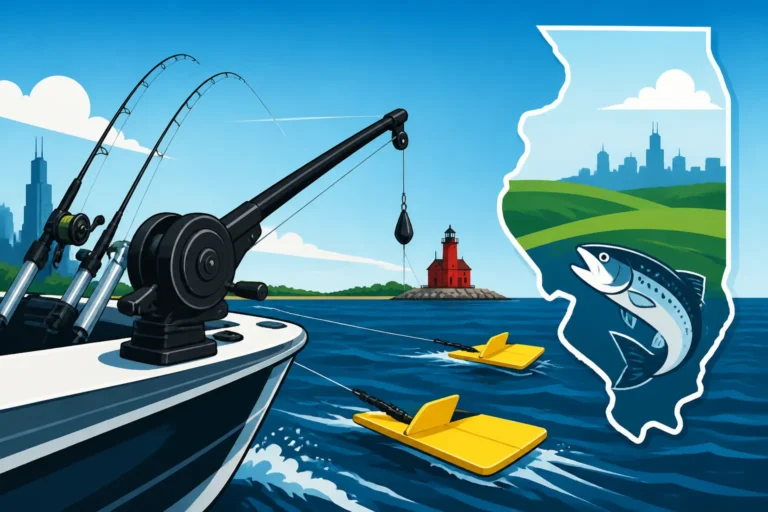
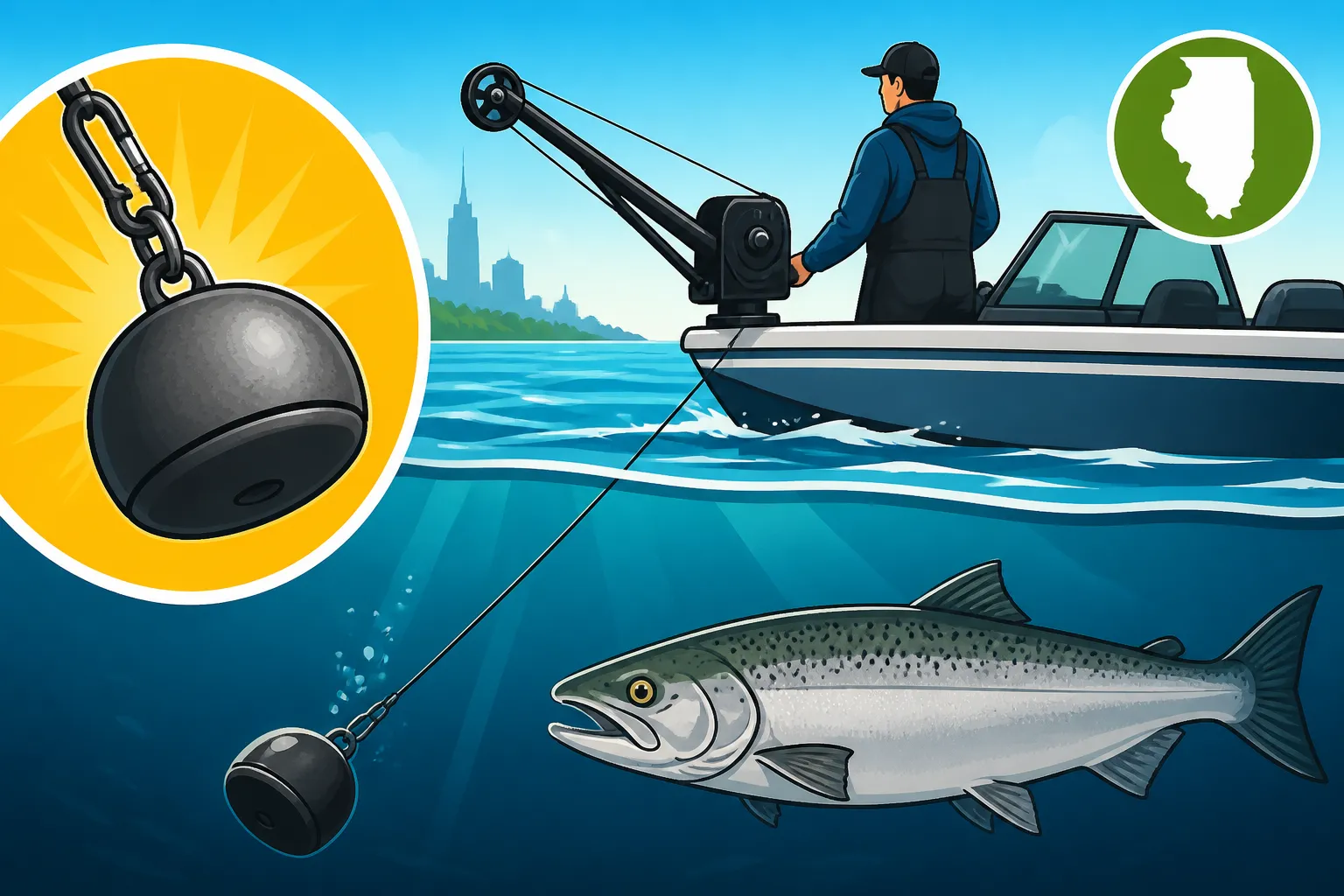
Understanding the downrigger weight means understanding the downrigger system as a whole. Imagine your boat, your rod, and then this specialized piece of equipment designed to deliver your lure to the fish. At its core, a downrigger system consists of an arm that extends from your boat, a spool of strong cable (often stainless steel), a release clip, and of course, the downrigger weight. Your fishing line, with your lure attached, is clipped into the release mechanism, which is then attached to the downrigger cable just above the heavy weight. As you crank down the downrigger, the heavy weight plummets, pulling your fishing line along with it to the desired depth. The beauty of this system is that your actual fishing rod isn't under the constant strain of a heavy weight; it's just holding the line to the release clip. When a salmon strikes your lure, the tension causes the fishing line to pop free from the release clip, allowing you to fight the fish directly without the drag of the heavy downrigger weight. This gives the angler a much more natural fight, feeling every head shake and run of that powerful salmon. It's a truly ingenious setup that has revolutionized deep-water trolling for species like those found in Lake Michigan Salmon and Trout Fishing in Illinois.
Choosing the Right Downrigger Weight: Factors to Consider
Selecting the correct downrigger weight might seem straightforward, but there's more to it than just grabbing the heaviest one you can find. The performance of your downrigger system, and ultimately your success on the water, hinges on understanding the nuances of weight shapes, materials, and how they interact with the specific conditions of Lake Michigan. It's about finding that sweet spot between getting deep enough and minimizing resistance.
Weight Shape and Hydrodynamics: Pancake, Cannonball, and Fin Weights
When you walk into a tackle shop, or browse online at a place like Bass Pro Shops, you'll notice downrigger weights come in a few distinct shapes, each with its own hydrodynamic properties.
- Cannonball Weights: These are the classic, round weights. They're simple, cost-effective, and get the job done. However, their spherical shape creates more drag in the water, which means they experience more "blowback"—the tendency for the weight to lift higher in the water column as your boat speeds up. If you're trolling at higher speeds or in strong currents, you'll need a heavier cannonball to maintain the same depth compared to other shapes.
- Pancake Weights: As the name suggests, these are flat, disk-shaped weights. Their flatter profile is designed to cut through the water with less resistance, significantly reducing blowback. This means you can often use a slightly lighter pancake weight to achieve the same depth as a heavier cannonball, making them easier to retrieve and putting less strain on your downrigger unit. They're particularly favored for faster trolling speeds or when trying to maximize depth with a given weight.
- Fin Weights (or Kite Weights): These weights often feature a hydrodynamic fin or wing design, providing excellent stability and minimal blowback. They are engineered to track straighter behind the boat, even in turns, which can prevent tangles and provide a more consistent presentation. While they might be a bit pricier, their performance in maintaining precise depth and reducing line scope is often worth the investment for serious salmon anglers.
The choice really comes down to your trolling speed preferences, the depth you're targeting, and the amount of blowback you're willing to manage. Many anglers will carry a mix of shapes and weights to adapt to varying conditions throughout the Lake Michigan Salmon Season Timing in Illinois.
Weight Materials and Coatings
Historically, downrigger weights have been made predominantly from lead, and they largely still are due to its density and affordability. However, you might encounter other options or coated versions.
- Lead: This dense metal provides the most "bang for your buck" in terms of weight per volume, which is crucial for getting lures deep. Lead weights are durable, though they can get dinged up on rocks or rough boat floors.
- Coated Weights: Some manufacturers offer lead weights coated in vinyl or plastic. These coatings serve several purposes: they protect the weight from corrosion, prevent lead residue from getting on your hands or boat, and can add visual appeal. Some coatings are even glow-in-the-dark, which some anglers believe can act as an additional attractant in deep, dark water for species like brown trout or lake trout. While there are environmental considerations with lead, it remains the most common material for downrigger weights due to its effectiveness. Always ensure your weights are in good condition; a cracked coating can lead to problems down the road.
Practical Weight Recommendations for Illinois Lake Michigan Depths
So, how heavy should your downrigger weight be for fishing Lake Michigan? This is where experience and a little bit of trial and error come into play, but there are some solid starting points.
Generally, for salmon and trout trolling on Lake Michigan, most anglers will carry weights ranging from 8 to 12 pounds.
- 8-pound weights are often sufficient for shallower presentations (say, less than 60 feet) or when trolling at slower speeds (under 2 mph). They're also a good choice if you're using very light line and smaller, low-drag lures.
- 10-pound weights are arguably the most common and versatile choice. They provide a good balance for typical trolling speeds (2-3 mph) and depths (60-100 feet), handling most conditions you'll encounter during Lake Michigan Trout Season Timing in Illinois. This is a great all-around option if you're just starting to build your downrigger weight collection.
- 12-pound weights (or heavier) become necessary when you're really trying to reach extreme depths (over 100 feet), trolling at faster speeds (above 3 mph), or using large, high-drag lures like certain magnum spoons or deep-diving plugs. If you're seeing significant blowback with lighter weights, bumping up to a 12-pounder can make a noticeable difference in maintaining your target depth.
Remember, the heavier the weight, the more strain on your downrigger motor and cable, so it's always a balance. Many seasoned anglers keep a variety on hand, allowing them to adapt to different conditions and fish preferences. You might find great deals on various weights and accessories on platforms like Amazon or through local tackle shops.
| Weight Shape | Primary Benefit | Drawback | Ideal Use Case |
|---|---|---|---|
| Cannonball | Economical, readily available | More blowback at speed | Slower trolling, shallower depths, calm conditions |
| Pancake | Low blowback, stable | Can be slightly more expensive | Faster trolling, deeper depths, consistent presentation |
| Fin (Kite) | Excellent stability, minimal blowback | Higher cost, less common | High-precision depth, turbulent water, aggressive turns |
Maximizing Effectiveness with Downrigger Weights: Tips and Tricks
Getting your downrigger weights right is only part of the equation; knowing how to use them effectively and integrate them into your overall trolling strategy is what truly sets successful anglers apart. It's about more than just dropping a weight; it's about dynamic adjustment and attention to detail.
Monitoring Blowback and Adjusting for Current
Blowback is the enemy of precise depth control. It's the angle your downrigger cable makes as it trails behind the boat due to water resistance. The faster you troll, the more severe the blowback, and the shallower your lure will actually run, even if your downrigger counter reads a deeper number. To combat this, you need to be vigilant. Many modern downriggers have integrated line counters, but these only tell you how much cable you've deployed, not the actual depth of your lure. A good quality fish finder with accurate depth readings can help you verify your lure's true depth. If you notice your lures aren't hitting the marks where you're seeing fish, consider a few adjustments:
- Increase Weight: The most straightforward solution. If an 8-pound weight is blowing back too much, switch to a 10 or 12-pounder.
- Decrease Speed: Slowing down your trolling speed will naturally reduce blowback, allowing your weights to run deeper. This can be a subtle but effective change.
- Change Weight Shape: As discussed, a pancake or fin weight will cut through the water more efficiently than a cannonball, providing less blowback at the same speed.
- Consider Line Diameter: Thicker, heavier downrigger cable can also contribute to blowback, though this is less common with standard stainless steel cables.
Keeping an eye on your sonar and adjusting your weights or speed accordingly is a continuous process throughout your fishing day, especially when you're looking for Illinois Lake Michigan Salmon Trolling Setup.
Pairing Weights with Line and Lure Choices
The downrigger weight isn't an isolated component; it's part of a larger system. How effectively it performs is influenced by your fishing line and the lures you choose.
- Line Choice: When your fishing line (the one coming off your rod, not the downrigger cable) is clipped into the release, it still experiences some drag. Thicker diameter lines, like heavy monofilament, will create more drag and potentially more blowback on your main line than thinner lines like fluorocarbon or braid. This means you might need slightly more weight to compensate for a thicker main line.
- Lure Choice: Large, deep-diving crankbaits or spoons with significant surface area will also create more drag in the water, trying to pull upwards and increase blowback. Conversely, smaller, slender spoons or flies will run truer with less resistance. When selecting your lures for Best Trolling Rods for Lake Michigan Salmon, always consider how their inherent drag might affect your desired downrigger weight. If you're running a spread of multiple lines, try to match lures with similar drag characteristics on each downrigger to maintain consistent depth and reduce tangles. It's a careful dance between what the fish want to eat and what your downrigger system can effectively present at the desired depth.
Safety and Maintenance for Your Downrigger Weights
These weights are heavy, and while they might seem indestructible, a little care goes a long way in ensuring safety and longevity.
- Secure Storage: Never leave downrigger weights rolling around loosely on your boat deck. They are a serious tripping hazard and can cause significant damage to your boat (or your toes!) if they shift unexpectedly, especially in rough water. Store them securely in buckets, milk crates, or specialized weight holders when not in use.
- Cable and Clip Inspection: While not directly about the weight, regularly inspect your downrigger cable for frayed spots or kinks, and your release clips for wear. A faulty cable or clip can lead to a lost weight, which means a lost lure and potential lost fish.
- Safe Deployment and Retrieval: Always be mindful when deploying and retrieving weights. Keep hands and fingers clear of the cable and pulley system. Use the proper cranking technique (manual or electric) and avoid letting weights free-fall onto the bottom or boat deck, which can cause damage to both the weight and your equipment. For larger downrigger setups, especially those running multiple Downriggers and Planer Boards for Lake Michigan, a coordinated effort between anglers is important for safety.
Where to Acquire Quality Downrigger Weights
Once you understand the importance of downrigger weights and the various types, the next step is actually getting your hands on them. Luckily, they're widely available, though prices and selection can vary.
Retailers and Online Options
You have a couple of primary avenues for purchasing downrigger weights:
- Specialized Fishing and Outdoor Retailers: Stores like Bass Pro Shops are fantastic resources. They typically have a wide selection of downrigger weights in various sizes, shapes, and sometimes even colors. The advantage here is you can physically handle the weights, compare them side-by-side, and often get advice from knowledgeable staff. They'll also carry all the ancillary gear like replacement cables, release clips, and even full downrigger units. This is a great option if you're looking for a comprehensive shopping experience and want to see what you're buying firsthand.
- Online Marketplaces: Websites such as Amazon offer incredible convenience and a vast selection. You can browse countless brands, read reviews from other anglers, and often find competitive pricing. This is particularly useful if you know exactly what you're looking for or need to order in bulk. Just be sure to check shipping costs for heavy items like downrigger weights, as these can sometimes add up. When buying online, always pay attention to the manufacturer's reputation and read customer feedback to ensure you're getting a quality product that will stand up to the rigors of deep-water trolling. Remember that getting prepared for a trip to Lake Michigan goes beyond just the weights; checking your Illinois Boating Safety Equipment Checklist for New Owners is also crucial.
Cost Considerations and Value
Downrigger weights are an investment, plain and simple. While they might seem like a basic piece of gear, their role is foundational to deep-water trolling. Prices will vary based on:
- Weight: Heavier weights generally cost more.
- Material and Coating: Coated or specialty weights might have a slightly higher price tag than plain lead.
- Brand: Some premium brands might command a higher price for perceived quality or innovative designs.
Expect to pay a reasonable sum for good quality weights. Resist the temptation to cut corners with very cheap, unbranded options, as they might not be as durable or perform as consistently. A lost downrigger weight isn't just a lost piece of lead; it's lost fishing time while you replace it, and potentially a lost opportunity to catch a trophy salmon. Consider them a long-term investment in your fishing success, especially if you're seriously Budgeting for a Salmon Fishing Trip on Lake Michigan. Having a few spares on hand is always a smart move, as even the most careful angler can occasionally lose a weight to an underwater snag.
Disclaimer
This article is for general informational purposes only and does not constitute professional advice. Laws, prices and regulations vary by location and change over time. Consult a qualified professional for guidance on your specific situation.