Illinois Life Jacket Rules for Children Under 13
One of the most common worries for parents who love taking their kids fishing in Illinois is making sure everyone stays safe on the water, especially when it comes to life jackets. The rules can seem a bit fuzzy, leaving many wondering exactly when and where their little ones need to be in a life jacket. This guide is here to clear up all that confusion, helping you understand the Illinois life jacket rules specifically for children under 13, so you can enjoy your family fishing trips with complete peace of mind.
Understanding Illinois' Life Jacket Laws for Young Anglers
Navigating the rules for recreational boating and fishing can feel like trying to untangle a stubborn fishing line, especially when kids are involved. Illinois has specific regulations designed to protect children on the water, and understanding them is the first step to a safe and enjoyable outing. It's not just about avoiding a fine; it's about ensuring your child's well-being.
Who Needs to Wear a Life Jacket and When?
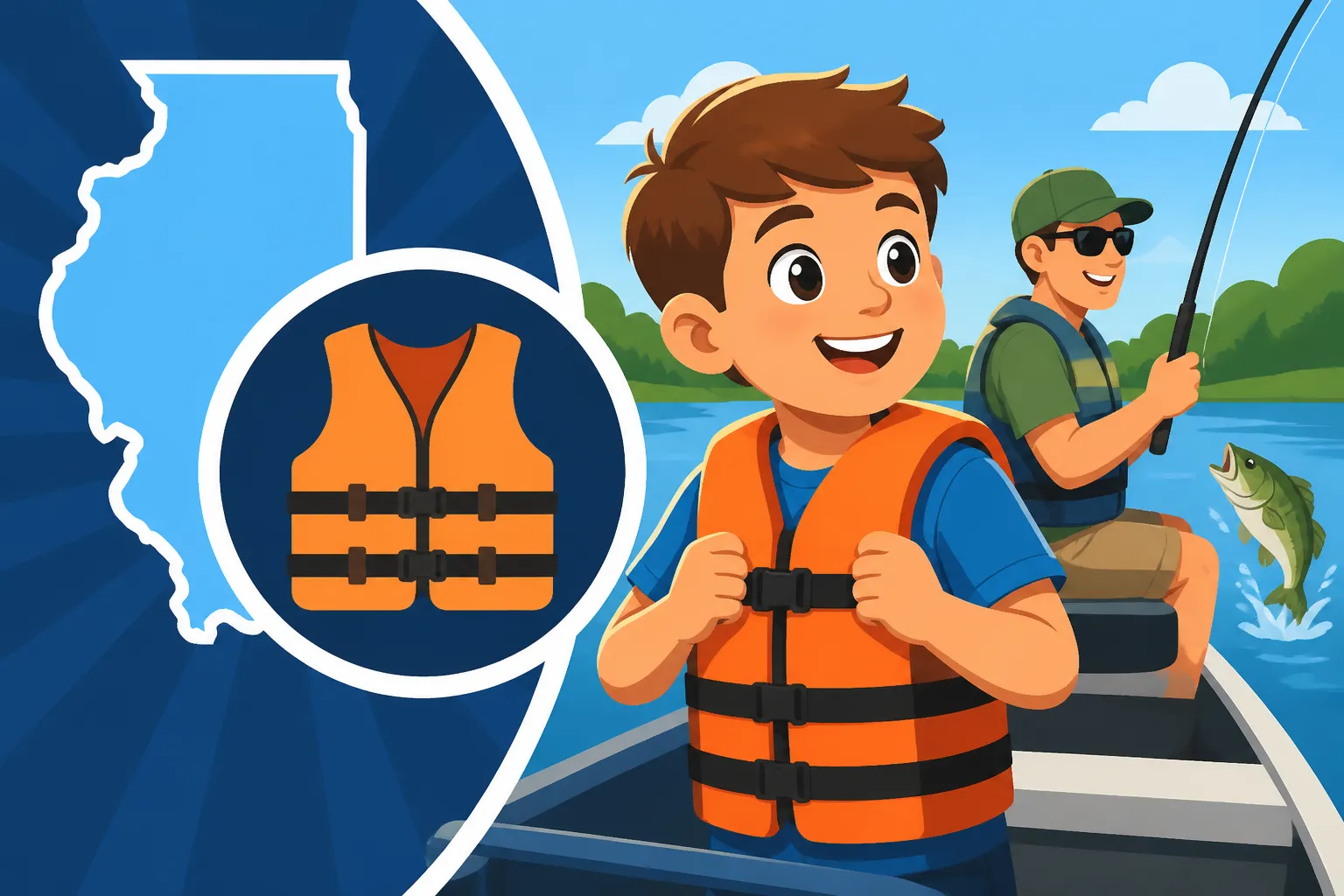
Let's cut right to it. In Illinois, if your child is under the age of 13, they are required to wear a U.S. Coast Guard-approved personal flotation device (PFD) – that's a life jacket – at all times while on a moving watercraft. This rule applies whether the boat is powered or unpowered, meaning everything from your big fishing boat with a motor to a canoe, kayak, or even a paddleboard. The only real exception to this strict "wear it" rule is if the child is in an enclosed cabin or below deck, which, let's be honest, isn't usually where the fishing action is happening.
Think of it this way: if your child is out in the open air of the boat, where they could potentially fall overboard, they need to be wearing that life jacket. This isn't just a suggestion; it's a legal requirement. It's designed to protect them in the event of an unexpected capsize, a sudden bump, or just a slip and fall into the water. Even strong swimmers can be overwhelmed by cold water, currents, or an unexpected injury, making a life jacket an indispensable piece of safety gear. For a broader look at general life jacket rules, you might want to check out Illinois Life Jacket and PFD Rules.
The Importance of Age 13
The age of 13 is a significant marker in Illinois boating law. It’s the dividing line. Once a child turns 13, they are no longer legally required to wear a life jacket at all times on a moving watercraft, unless they are being towed (like on water skis or a tube) or are operating a personal watercraft. However, even for those 13 and older, and for all adults, there must still be a readily accessible, U.S. Coast Guard-approved life jacket of the appropriate size for every person on board.
This legal distinction around age 13 highlights the state's recognition that younger children are generally at a higher risk on the water. They might be less stable, less experienced swimmers, or simply less aware of potential hazards. While a 13-year-old might be physically capable of treading water, a 7-year-old almost certainly is not for an extended period, especially not if they hit their head or are disoriented. It's a critical safety measure that provides an extra layer of protection for our youngest and most vulnerable family members on fishing trips.
Exemptions and What They Mean
While the rule is quite clear for children under 13, there are a few nuances to consider. As mentioned, if your child is completely inside an enclosed cabin or below deck, they don't need to wear the life jacket. This could apply on a larger cruiser where kids might be napping or playing below, but for most fishing boats, especially smaller ones, there often isn't an "enclosed cabin" where a child would truly be safe from falling overboard.
It’s crucial not to try and stretch the definition of "enclosed cabin." A bimini top or a small canvas cover over a bow rider is not an enclosed cabin. The intent of the law is that the child is completely shielded from accidental entry into the water. For the vast majority of fishing scenarios on Illinois lakes and rivers, if a child under 13 is on board, they need to have that life jacket securely fastened. There are very few situations where a child under 13 actively fishing wouldn't need to be wearing their PFD.
Choosing the Right Life Jacket for Your Child
Alright, so the law says they need to wear it. But which one? Walking into a store like Bass Pro Shops or browsing online at Amazon can be overwhelming with the sheer number of options. Getting the right life jacket isn't just about compliance; it's about comfort, effectiveness, and ensuring it will actually save their life if needed.
Types of PFDs and Their Suitability for Kids
Life jackets, or Personal Flotation Devices (PFDs), are categorized by the U.S. Coast Guard based on their design and buoyancy. For children, you'll primarily be looking at Type II and Type III PFDs, though Type I is also Coast Guard-approved.
- Type I PFDs (Off-Shore Life Jackets): These are designed for rough, open, or remote waters where rescue may be delayed. They provide the most buoyancy and are designed to turn an unconscious person face-up in the water. They're bulky, often orange, and not typically what you'd choose for a casual fishing trip unless you're truly in extreme conditions.
- Type II PFDs (Near-Shore Buoyancy Vests): These are good for calmer, inland waters where there's a good chance of a speedy rescue. They will turn some unconscious wearers face-up in the water, but not always. These are often a bit less bulky than Type I, and you'll see a lot of "child size" options that fit this category, especially for infants and toddlers.
- Type III PFDs (Flotation Aids): These are the most common type for recreational boating and fishing. They're designed for continuous wear and offer more freedom of movement than Type I or II. They're great for active fishing, kayaking, or paddleboarding, but they require the wearer to tilt their head back to stay face-up in the water. Most children's vests aimed at comfort and activity fall into this category.
For most family fishing outings in Illinois, a Type II or Type III PFD will be appropriate. The key is to select one that fits well and is comfortable enough for your child to wear for extended periods without complaint. Remember, the best life jacket is the one they'll actually wear.
Ensuring a Proper Fit for Safety
This is probably the single most critical factor: fit. A life jacket that's too big can ride up around a child's ears, offering little actual protection and potentially causing more danger by slipping off. One that's too small will be uncomfortable and might not provide enough buoyancy. The fit should be snug, but not constricting.
Here's how to check for a proper fit:
- Check the weight range: Every Coast Guard-approved life jacket has a weight range printed on the label. Make sure your child falls within that range. This is the absolute first step.
- Buckle and zip it up: Ensure all zippers are fully fastened and all buckles are cinched.
- Lift test: With the life jacket on and secured, lift your child by the shoulders of the life jacket. If it rides up past their chin or ears, it's too big. It should stay relatively in place, with their chin and ears clear.
- Comfort check: Ask your child if they can breathe easily and move their arms. If they're complaining about pinching or rubbing after a few minutes, it might be uncomfortable for a long day.
Taking the time to ensure a proper fit can literally be a life-saver. Don't just guess; involve your child in the process and make sure it's right. You can read more about this in Proper Life Jacket Fit for Kids Fishing in Illinois.
Features to Look for in Kids' Life Jackets
Beyond the basic type and fit, there are some great features that can make a child's life jacket more effective and comfortable, especially for younger kids.
- Head Support/Flotation Collar: For infants and toddlers, a large foam collar behind the head is a crucial feature. This helps keep their head above water and can assist in turning them face-up if they fall in. Look for robust head support, often found on Type II PFDs.
- Grab Handle: Many infant and child PFDs include a grab handle on the collar. This is incredibly helpful for quickly pulling a child out of the water.
- Crotch Strap: This strap goes between the child's legs and connects to the back of the life jacket. It prevents the jacket from riding up when they're in the water, which is a common and dangerous problem with ill-fitting PFDs. It's a non-negotiable feature for younger children.
- Bright Colors: While not a safety feature in terms of flotation, bright colors like neon yellow, orange, or pink significantly increase visibility in the water, making it easier to spot your child if they go overboard.
- Reflective Tape: For dusk or night fishing, reflective tape can make a huge difference in visibility, especially if you have a spotlight.
- Comfortable Materials: Look for softer, flexible materials that won't chafe. Some life jackets now use more breathable fabrics or have mesh panels, which can be a godsend on a hot Illinois summer day. Brands often innovate to make these more wearable, understanding that compliance often comes down to comfort.
| Feature | Ideal Age Group | Benefit | Why it Matters |
|---|---|---|---|
| Head Support/Collar | Infants & Toddlers (under 4) | Keeps head above water, aids in face-up orientation | Crucial for non-swimmers, prevents submersion |
| Grab Handle | All Young Children | Easy retrieval from water | Quick rescue in an emergency |
| Crotch Strap | All Young Children | Prevents jacket from riding up | Ensures PFD stays in place and functions correctly |
| Bright Colors | All Children | High visibility in water | Easier to spot and locate a child quickly |
| Flexible Materials | All Children | Increased comfort, less chafing | Encourages continuous wear, reduces complaints |
| Multiple Adjustment Straps | All Children | Allows for a snug, custom fit | Ensures proper fit as child grows and over different clothing |
When you're shopping, whether online through a retailer like Amazon or at a store like Bass Pro Shops, always prioritize the U.S. Coast Guard approval and the correct fit over any other feature. Remember, a life jacket stored in the boat isn't helping anyone if it's not being worn, especially by a child under 13.
Practical Considerations for Family Fishing Trips
Knowing the law and having the right gear is one thing, but actually implementing it on a busy family fishing trip can be another challenge entirely. Kids, bless their hearts, aren't always thrilled about wearing a bulky life jacket, especially when they just want to jump in the boat and start casting.
Storing and Maintaining Kids' Life Jackets
Life jackets aren't "set it and forget it" items. Proper storage and maintenance are key to ensuring they remain effective and comfortable season after season.
First, keep them accessible. The law requires that life jackets are "readily accessible" for all persons on board, but for children under 13, it's about wearing them. However, having spares or easily grabbing them from a dedicated storage spot on the boat is important. Don't bury them under coolers or tackle boxes. Consider a mesh bag or a dedicated locker that's easy to reach. You can learn more about proper storage in How to Store Life Jackets for Quick Boat Access.
Second, keep them clean and dry. After a day on the water, especially if they've gotten wet, hang them up to air dry completely. Storing damp life jackets can lead to mildew, which not only smells terrible but can also degrade the fabric and flotation material over time. A mild soap and water solution can be used to clean off any grime or fish slime. Never use harsh chemicals or bleach, as these can damage the materials.
Finally, inspect them regularly. Before each season, and periodically throughout, give your child's life jacket a thorough check. Look for:
- Tears, rips, or punctures in the fabric.
- Fading or cracking of the outer shell.
- Loose stitching on straps or buckles.
- Corrosion on metal hardware.
- Any signs of waterlogging or mildew within the foam.
If a life jacket shows significant signs of wear or damage, it's time to replace it. A compromised life jacket is a dangerous one, and it's not worth the risk for your child.
Encouraging Kids to Wear Their Life Jackets
This is often where the rubber meets the road. Getting a kid to willingly wear a life jacket all day can feel like a Herculean task. Here are some strategies that might help:
- Lead by example: If you, as an adult, wear your life jacket, your child is much more likely to wear theirs without complaint. This isn't just about showing them what to do; it's about conveying that safety is important for everyone.
- Make it fun: Let them pick out their own life jacket (within the appropriate safety guidelines, of course). Many kids' life jackets come in fun colors or even with cartoon characters. Let them customize it with fabric markers if allowed.
- Explain why: Instead of just barking "Put your life jacket on!", explain in simple terms why it's important. "This keeps you safe if you accidentally fall in the water, so you can float like a superhero!" Connect it to things they understand.
- Reward compliance: A small treat, extra fishing time, or praise for wearing it without fuss can go a long way.
- Comfort is key: We touched on this, but it bears repeating. If the life jacket is itchy, too hot, or rubs them the wrong way, they'll resist. Invest in a comfortable one.
Remember, consistency is vital. Make it a non-negotiable part of the fishing trip routine, just like putting on their shoes before leaving the house.
What to Do if You Forget a Life Jacket
It happens. In the rush to pack up the tackle box, the snacks, and the sunscreen, you realize you've left your child's life jacket at home. What now? The simplest answer, and the safest one, is that you cannot take your child under 13 on the boat without their life jacket. The law is clear: they must wear it.
If you find yourself in this predicament, you have a few options:
- Don't go out on the water: This is the safest, albeit most disappointing, option for the kids.
- Rent or borrow one: Some marinas or fishing resorts might have loaner life jackets, especially if they cater to families. It's worth a call.
- Buy a new one: If you're near a sporting goods store like Bass Pro Shops or even a general retailer, picking up a new, correctly sized PFD is an option. While not ideal for your wallet, it's certainly better than facing a fine or, worse, a preventable accident. Many places, even smaller bait shops, understand the necessity and often stock basic child-sized PFDs.
Never try to skirt the rules by putting an adult life jacket on a child or using a makeshift flotation device. It's simply not safe and not legal. The consequences are just too severe to risk. For new boat owners, understanding all safety requirements is key; consider reviewing a comprehensive resource like Illinois Boat Safety Equipment Checklist for New Owners.
Penalties and Enforcement for Non-Compliance
While safety is the primary motivation for life jacket rules, there are also legal ramifications for ignoring them. Illinois conservation police officers and other law enforcement agencies patrol the state's waters, ensuring compliance with boating and fishing regulations.
The Consequences of Ignoring Life Jacket Rules
Fishing without a proper license can lead to a fine, but failing to ensure a child wears a life jacket is often viewed more seriously due to the direct safety risk involved. If you are caught operating a boat with a child under 13 who is not wearing a U.S. Coast Guard-approved life jacket, you could face a citation.
The specific penalty can vary depending on the officer, the circumstances, and whether it's a first offense. However, you can expect a fine. This isn't just a slap on the wrist; it's a financial penalty that could easily be avoided by simply ensuring your child is wearing their PFD. Beyond the immediate fine, repeated offenses could lead to more severe consequences, and in some jurisdictions, boating violations can even impact other licenses or privileges.
How Enforcement Works on Illinois Waters
Conservation police officers and other marine patrol units have the authority to stop and board vessels to conduct safety inspections. These inspections are routine and are designed to ensure all boaters are complying with Illinois boating laws, including life jacket requirements, proper registration, and the presence of other safety equipment like fire extinguishers and throwable PFDs.
During an inspection, an officer will typically:
- Ask to see your boat registration and driver's license.
- Check for required safety equipment, including the appropriate number and types of PFDs for everyone on board.
- Verify that any children under 13 are wearing their life jackets as required.
- Ensure the boat has other mandatory items such as navigation lights, sound-producing devices, and a fire extinguisher.
Officers are generally understanding, but they are also firm when it comes to safety. They are there to protect lives, and ensuring children are properly wearing life jackets is a critical part of that mission. It's important to be polite and cooperative during these stops.
The Ultimate Cost: More Than Just a Fine
Let's be brutally honest: the biggest "penalty" for not complying with life jacket rules isn't a fine; it's the potential for tragedy. A child drowning is every parent's worst nightmare, and in many cases, it's preventable with the simple act of wearing a life jacket. The emotional, psychological, and familial cost of such an event is immeasurable and far outweighs any inconvenience or cost associated with a life jacket.
Consider a sudden wave, an unexpected lurch of the boat, or even a child simply losing their balance while excitedly reeling in a fish. Without a life jacket, a child can quickly disappear under the water, even in shallow areas. Drowning can happen silently and incredibly fast. By adhering to the life jacket rules, you are making a conscious decision to protect your child, giving them the best chance of survival should an unforeseen incident occur on the water. This safety-first mindset is the ultimate reward, ensuring your family's fishing memories are joyful, not tragic.
Beyond the Law: Best Practices for Water Safety with Kids
While complying with the law is mandatory, true water safety goes beyond simply checking boxes. It's about instilling a culture of safety and preparedness, especially when sharing the joy of fishing with children.
Leading by Example: Adults Wearing Life Jackets
We touched on this briefly, but it deserves more emphasis. As parents and guardians, we are our children's primary role models. If you expect your child under 13 to wear a life jacket, you should seriously consider wearing one yourself. This isn't just about setting a good example; it's also about your own safety. If an emergency occurs and you end up in the water, being properly buoyant allows you to assist your child without having to struggle to keep yourself afloat.
Many adults resist wearing life jackets, citing discomfort or a feeling of invincibility. However, modern PFDs are far more comfortable and less bulky than the older orange "horse collars." There are inflatable PFDs that are compact and only inflate upon immersion or manual activation, offering freedom of movement for casting and reeling. Checking out Best Life Jackets for Lake Fishing on a Budget might offer some good adult-sized options. Your commitment to safety speaks volumes to your children and reinforces the importance of the life jacket rule for them.
Teaching Water Safety Early
Water safety isn't just about life jackets; it's a broader education. Start teaching your children about water safety from a young age, even before they step foot on a boat.
- Swimming lessons: Encourage and enroll children in swimming lessons. While a life jacket is not a substitute for swimming ability, knowing how to swim can be a critical skill in an emergency.
- Boat rules: Establish clear rules for the boat: no running, always sit down when the boat is moving, keep hands and feet inside, and never lean over the edge.
- "Reach or Throw, Don't Go": Teach them the basics of helping someone who has fallen in without putting themselves in danger. Using a throw cushion (like a Type IV throwable PFD, which is also often required on Illinois boats – see Type IV Throwable PFD Requirements for Illinois Boats) or reaching with a paddle is much safer than jumping in after someone.
- Understanding the environment: Talk about currents, cold water shock, and how quickly weather can change on the water.
These lessons empower children with knowledge and respect for the water, turning them into more responsible and safer anglers as they grow.
Planning for Emergencies on the Water
Even with the best preparation and adherence to rules, accidents can happen. Having an emergency plan is a crucial final layer of safety.
- First aid kit: Always have a well-stocked first aid kit on board and know how to use its contents.
- Communication: Ensure you have fully charged cell phones (in waterproof bags) or a marine radio. Know who to call in an emergency (local authorities, Coast Guard).
- "Man Overboard" drill: Practice what to do if someone falls overboard. This includes spotting them immediately, throwing a flotation device, and safely maneuvering the boat back to them. Even a simple walk-through of the steps can make a difference in a high-stress situation.
- Know your location: Be aware of where you are on the lake or river, especially if you need to call for help.
By taking these proactive steps, from understanding the law for children under 13 to embracing a comprehensive approach to water safety, you’re not just following rules; you’re creating a safe environment where your family can truly enjoy the wonderful experience of fishing in Illinois. For those who also operate a boat, understanding the broader context of safe boating practices, including educational requirements, is also critical; consider reviewing Illinois Boater Education Card Requirements.
Disclaimer
This article is for general informational purposes only and does not constitute professional advice. Laws, prices and regulations vary by location and change over time. Consult a qualified professional for guidance on your specific situation.