Best Time to Catch Yellow Bass
Ever feel like you're playing a frustrating guessing game trying to pinpoint the exact moment yellow bass are actually biting in Illinois? It's a common struggle to dedicate time to the water only to find the fish seemingly uninterested. This comprehensive guide is designed to take the guesswork out of the equation, diving deep into the seasonal, daily, and environmental factors that influence yellow bass activity, helping you understand their patterns so you can drastically improve your chances of a successful, fun-filled fishing trip.
Understanding Yellow Bass Behavior Throughout the Year
Yellow bass are a fantastic panfish species that offer consistent action, but their behavior shifts significantly with the seasons. Knowing what they're up to during different times of the year is your first step to being in the right place at the right time. You're not just casting a line; you're playing chess with nature, anticipating their moves.
Spring: Pre-Spawn and Spawn Aggression
Ah, spring! The air is fresh, the leaves are budding, and for us anglers, it means fish are starting to shake off their winter lethargy. For yellow bass, spring is a period of increasing activity driven by their upcoming spawning rituals. As water temperatures begin to climb into the 50s and low 60s Fahrenheit, these fish will start migrating from deeper, wintering holes into shallower bays, coves, and creek arms. They're looking for warmer water and food to fuel their reproductive efforts.
During the pre-spawn phase, yellow bass become incredibly aggressive feeders. They’re essentially tanking up on calories, which means they're much more likely to strike a variety of baits. Look for them concentrated around submerged vegetation, brush piles, or rocky shorelines in these shallower areas. They're still somewhat grouped up, making it possible to catch several from a single spot once you find a school. This is a prime time for active presentations.
Once the water temperature consistently hits the mid-60s, the yellow bass spawn kicks into full gear. They don't build elaborate nests like some other species, but they will congregate densely in shallow, hard-bottomed areas, often near sandy flats or gravel beds. While they might be focused on spawning, their territorial instincts can still make them susceptible to a well-placed lure or bait. It’s a period where you can find large numbers, but their bite might be less about hunger and more about irritation or defense. This is also a fantastic time to think about Best Beginner-Friendly Fish Species for Kids Fishing in Illinois as the action can be fast and furious.
Summer: Schooling and Deep Water
When the summer sun really starts to beat down and water temperatures soar into the 70s and 80s, yellow bass undergo another significant shift. The shallow water they loved in spring often becomes too warm and less oxygenated for their comfort. They'll typically move to deeper, cooler sections of the lake or river, often congregating in large schools. This is a classic pattern for many panfish and even larger game fish.
Finding these summer schools is the name of the game. Look for them around submerged humps, points, creek channels, and even over open water baitfish schools. A good fish finder can be an absolute game-changer here, showing you those tell-tale arches or bait balls. Once you locate a school, the action can be non-stop, as yellow bass are highly competitive feeders. They often chase baitfish aggressively, so a fast retrieve or vertical jigging can be very effective.
While they're in deeper water, they'll still venture shallower during periods of low light, like early morning or late evening, to feed. However, for consistent daytime action in the heat of summer, focusing on offshore structure and deeper thermoclines is usually your best bet. Keep an eye on the water temperature; understanding Water Temperature and Fish Activity Guide is crucial, as yellow bass are very responsive to these changes.
Fall: Feeding Frenzy Before Winter
As the oppressive heat of summer gives way to the crisp air of autumn, yellow bass enter another active feeding period. This is often one of the best times of the year to target them. As water temperatures begin to drop, yellow bass sense the coming winter and instinctually begin to feed heavily to build up fat reserves. They become incredibly opportunistic and aggressive.
During early fall, you might find them still relating to some of the deeper structures they used in summer, but as temperatures continue to fall, they'll often move back towards shallower flats and points, especially those with access to deep water. They're trying to exploit the last remaining warm water while also being near their wintering grounds. Look for schools chasing baitfish in these transitional areas.
Late fall can be spectacular, sometimes referred to as the "second spring" for many fish species. Yellow bass will be actively schooling and chasing bait. When you find a school, you can often catch them one after another. Smaller crankbaits, spoons, and jigs can be deadly during this time. The only downside is that this prime window can be relatively short before winter truly sets in.
Winter: Ice Fishing Opportunities
When winter blankets Illinois in ice and snow, many anglers pack up their gear until spring. But for those brave enough to embrace the cold, winter can offer some fantastic yellow bass fishing, especially through the ice. Yellow bass remain active under the ice, although their metabolism slows down significantly compared to warmer months. They still need to eat, just not as frequently or aggressively.
Under the ice, yellow bass will typically congregate in deeper holes, channels, or around distinct submerged structure that offers them cover and access to food. Their movements are much more subtle, and they often suspend in the water column rather than hugging the bottom. This means you need a sensitive rod and lighter line to detect their sometimes very gentle bites.
Small jigs tipped with a grub, wax worm, or a tiny minnow are the go-to baits for ice fishing yellow bass. Often, it’s about presenting the bait directly to the school and using subtle jigging motions to entice a strike. If you're looking for a winter adventure, places like Rend Lake or Lake Shelbyville can offer excellent hard-water opportunities for these feisty panfish. You'll definitely want to check the Illinois Fishing Seasons Guide for any specific winter regulations or changes.
Daily Cycles: When Yellow Bass Are Most Active
Beyond the yearly migrations, yellow bass also follow distinct daily patterns. Understanding when they typically feed during a 24-hour cycle can give you a significant edge, regardless of the season.
Early Morning and Late Evening Bites
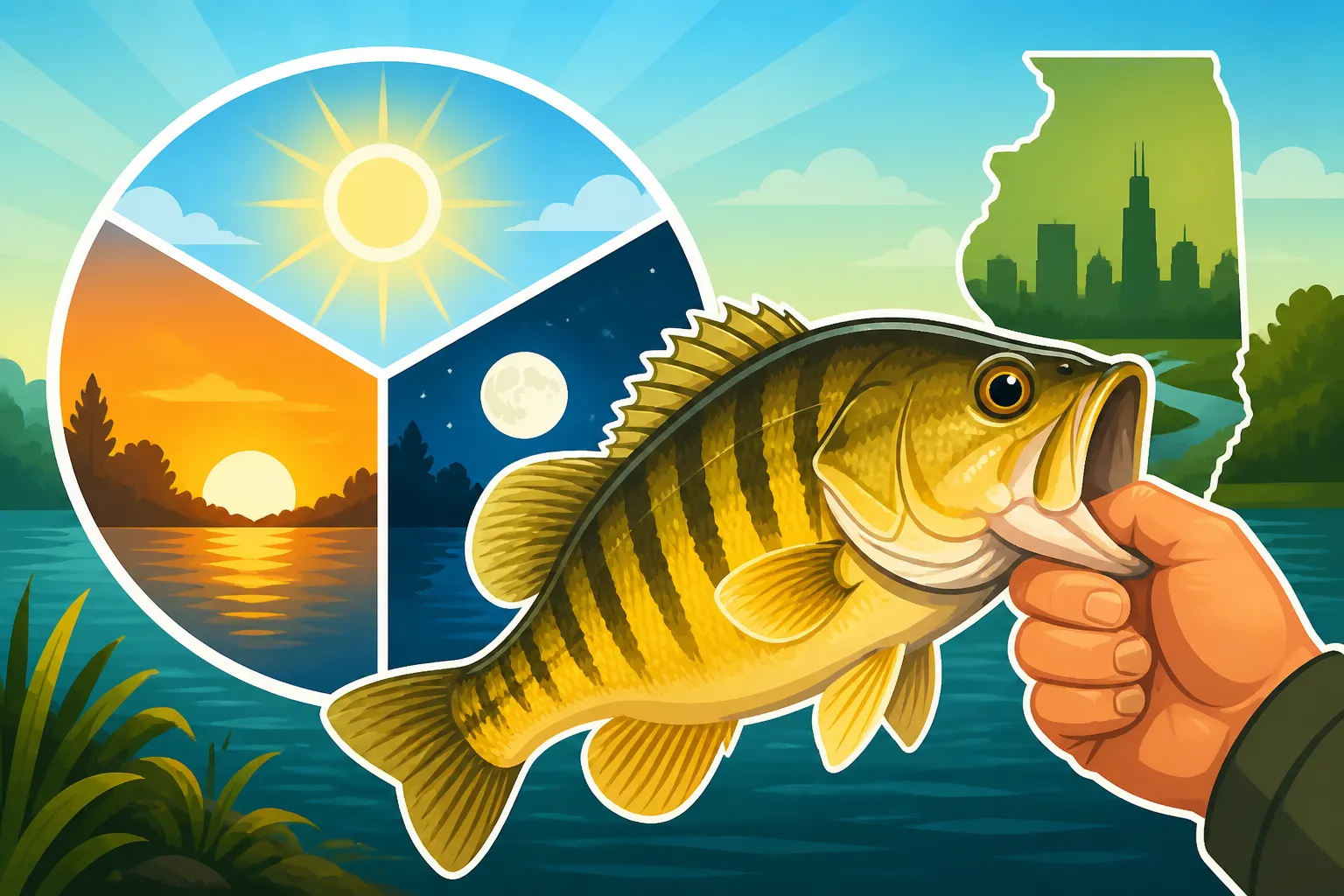
Just like many other predatory fish, yellow bass often exhibit peak activity during periods of low light. This means the early morning hours, from dawn until a couple of hours after sunrise, and the late evening hours, from an hour or two before sunset until dark, are frequently the "golden hours" for yellow bass fishing. During these times, light penetration is reduced, making them feel safer to move into shallower feeding areas and ambush baitfish.
In the morning, as the sun begins to warm the surface ever so slightly, it can trigger a feeding response. They might push baitfish against the surface or along shorelines. Similarly, in the evening, as the light fades, they'll often move up from deeper haunts to take advantage of the waning visibility. These periods are particularly good for active presentations like small spinners or shallow-running crankbaits. It’s also often a more peaceful time on the water, with fewer boats and distractions.
The change in light intensity provides a natural advantage for the yellow bass, allowing them to hunt effectively without being as exposed to predators themselves. This is true whether you're fishing a large reservoir like Carlyle Lake or a smaller river backwater. Always prioritize these transitional light periods, especially during summer when mid-day fishing can be tough.
Mid-Day Lulls and Overcast Conditions
During the bright, harsh light of mid-day, especially on clear, sunny days, yellow bass often retreat to deeper, darker water or seek dense cover. Their activity can slow considerably as they become more wary and less inclined to expose themselves. This isn't to say you can't catch them, but you might need to adjust your tactics significantly. Vertical jigging directly over schools in deeper water, or meticulously picking apart heavy cover with a tiny jig, becomes more important.
However, mid-day fishing can pick up considerably if the conditions are overcast or rainy. Cloud cover acts like a giant diffuser, reducing light penetration into the water and making fish feel more comfortable moving and feeding throughout the day. A steady drizzle or light rain can sometimes trigger an incredible bite, as it washes insects and nutrients into the water, creating a feeding opportunity. In these conditions, don't shy away from those shallow areas you'd normally reserve for dawn and dusk.
I've had some of my best yellow bass days in what would normally be considered "off" hours, simply because a thick cloud cover rolled in. It completely changes their behavior, transforming a slow bite into a hot one. So, while mid-day on a clear, sunny summer day might be a bust, don't write it off if the weather looks a bit gloomy.
Night Fishing for Yellow Bass
While not as commonly targeted at night as some other species like catfish, yellow bass can absolutely be caught after dark, particularly during the warmer months. As temperatures drop and boat traffic diminishes, yellow bass can become surprisingly active, especially around artificial light sources or areas with abundant baitfish. This is a tactic that many anglers overlook, giving you less competition.
When fishing at night for yellow bass, focus on areas where lights from docks, bridges, or marinas illuminate the water. These lights attract plankton and baitfish, which in turn attract yellow bass. Another strategy is to use submersible fishing lights, which draw in the entire food chain right to your boat or bank fishing spot. Small jigs, grubs, and even tiny spoons worked slowly around these lighted areas can be very effective.
The key to successful night fishing for yellow bass is often patience and a slower presentation. They might not strike with the same aggression as during the day, so subtle taps and gentle lifts are often what it takes. It's a peaceful, often productive way to experience fishing, and you might be surprised at the size of the yellow bass you pull in under the stars. For general night fishing tips, How to Fish for Catfish at Night might offer some transferable strategies.
Environmental Factors That Influence Yellow Bass Activity
Yellow bass are incredibly tuned into their environment. Beyond the calendar and the clock, external factors play a huge role in dictating when and where they'll bite. Paying attention to these subtle cues can separate a mediocre day from an epic one.
Water Temperature: The Key Trigger
We've touched on this, but water temperature is perhaps the single most critical factor influencing yellow bass behavior. Their metabolism is directly tied to the water temperature; cooler water means slower metabolism and less frequent feeding, while warmer water (within their comfort zone) means faster metabolism and more aggression.
Optimal water temperatures for active yellow bass fishing generally fall between 60-75 degrees Fahrenheit. In this range, they are typically at their most active, feeding readily and moving freely. When temperatures fall below 50 degrees, their activity significantly decreases, though they can still be caught with the right presentation. Conversely, when temperatures exceed 80 degrees, they often become sluggish and seek deeper, cooler water, similar to their summer patterns. Knowing how to interpret these temperature readings, perhaps with a good fish finder from Amazon, is invaluable.
It's not just the overall temperature, but also the rate of temperature change. A sudden drop, like after a strong cold front, can shut down the bite for a day or two, even if the temperature is still in a generally good range. Conversely, a gradual warming trend often signals increased activity. Always keep an eye on a thermometer or your fish finder's temperature gauge; it's your window into their world.
Weather Patterns: Fronts, Rain, and Wind
The weather forecast isn't just for planning your picnic; it's essential for fishing. Different weather patterns can drastically alter yellow bass behavior. A stable period of pleasant weather, particularly during spring and fall, often leads to consistent fishing. The fish settle into predictable patterns.
Cold fronts, however, are notorious for shutting down a bite. The sudden change in barometric pressure, along with dropping air and water temperatures, can make fish lethargic and wary. You might find them dropping deeper, suspending, or simply refusing to bite anything presented. The best strategy after a cold front often involves a much slower, more subtle presentation and focusing on areas with deep cover.
Rain and wind can be a mixed bag. A light, steady rain can often improve fishing by diffusing light and washing food into the water, as discussed earlier. Heavy thunderstorms, however, can churn up the water, muddy it, and temporarily disrupt fish. Wind can be a friend or foe; a light chop on the water can break up the surface, making it harder for fish to see you and your line, often triggering a bite. However, strong winds can make boat control and casting incredibly difficult, forcing you to seek sheltered coves or switch to bank fishing. Sometimes, you'll find them on the wind-blown side of a lake where baitfish are being pushed.
Current and Structure: Where to Find Them
In rivers and impoundments with noticeable current, yellow bass will use the flow to their advantage. They often position themselves just out of the main current, in eddies, behind submerged rocks, or along current seams, where they can ambush food being swept downstream without expending too much energy. Understanding current is vital for river fishing; the fish will tell you where they are by how they're oriented to the flow.
Structure is another foundational element of finding yellow bass. This includes anything from natural features like rock piles, ledges, submerged timber, and weed beds, to man-made structures such as bridge pilings, riprap, docks, and old roadbeds. Yellow bass, being schooling fish, love to relate to structure that offers cover, ambush points, and congregating areas. If you find one yellow bass on a piece of structure, chances are there are many more.
Using your electronics to scan for submerged structure, or simply observing visible cover like fallen trees or docks, will significantly increase your success. Fish a variety of depths around these areas until you locate the school. Often, the transition points where different types of structure meet are prime targets. Knowing How to Find the Rules for a Specific Illinois Fishing Spot can also inform you about specific structural features or regulations unique to certain bodies of water.
Top Baits and Techniques for Catching Yellow Bass Any Time
Regardless of the time of year or day, having the right presentation is paramount. Yellow bass, while often aggressive, can also be finicky. Here are some reliable baits and techniques to keep in your arsenal.
Small Jigs and Spinners
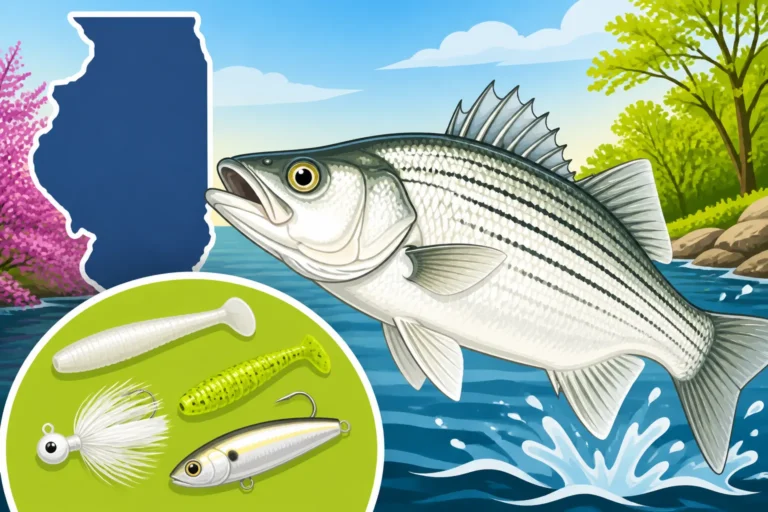
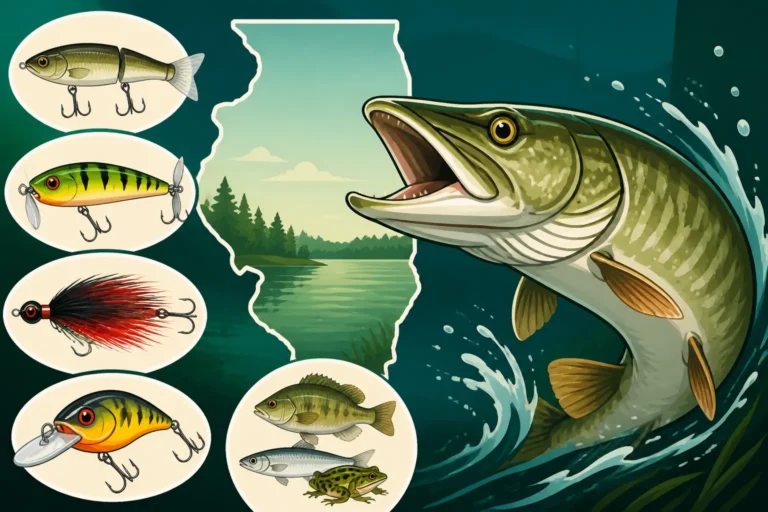
When it comes to yellow bass, smaller is almost always better. Their mouths are relatively small, and they often feed on tiny baitfish, insects, and crustaceans. Because of this, small jigs are arguably the most versatile and effective baits for yellow bass. Think 1/32 to 1/8 ounce jigs, often tipped with a soft plastic grub, curly tail, or even a simple piece of plastic worm. Colors like white, chartreuse, pink, and motor oil are perennial favorites.
Jigging techniques vary. You can cast them out and retrieve them with a steady retrieve, a stop-and-go retrieve, or simply bounce them along the bottom. For vertical jigging over schools, a lift-and-drop motion is very effective. Remember, yellow bass are often suspended, so adjusting your depth is key. A good selection of these can be easily found on Amazon.
Small inline spinners, like those from Rooster Tail or Mepps, are also incredibly effective, especially when yellow bass are actively chasing bait. The flash and vibration can trigger aggressive strikes. Sizes #0 to #2 are usually perfect. Cast them out and retrieve them steadily, varying your retrieve speed until you find what the fish prefer. These baits are fantastic for covering water and locating active schools.
Live Bait: Worms and Minnows
Sometimes, nothing beats the real thing. Live bait, particularly small worms (like red wigglers or pieces of nightcrawler) and tiny minnows, are irresistible to yellow bass. These are often the easiest baits to use, especially for beginners or when the bite is tough.
For worms, simply thread a small piece onto a tiny hook (size 8 or 10 is good) and suspend it under a bobber. This is a classic setup for a reason: it's simple, effective, and allows the bait to flutter naturally. For minnows, use a small shiner or fathead hooked lightly through the lip or back, again under a bobber or free-lined if you're targeting deeper schools. The natural movement of live bait is often all it takes to entice a strike, especially when fish are hesitant to hit artificials. Best Bait for Yellow Bass Fishing will give you more specific recommendations.
When using live bait, remember that yellow bass often school tightly. If you get a bite in one spot, be sure to drop your bait back down quickly, as there are likely many more fish in the vicinity. Keeping a steady supply of fresh bait is important, and a good live bait bucket can make a huge difference.
Light Tackle and Sensitivity
Yellow bass are not massive fish, so using appropriate light tackle is crucial for both detecting bites and maximizing the fun. An ultralight or light action spinning rod, typically 5-7 feet long, paired with a small spinning reel (size 1000 or 2000) spooled with 4-6 pound test monofilament or fluorocarbon line is the ideal setup. This light gear allows for delicate presentations and greatly enhances your ability to feel the subtle taps of a yellow bass.
Sensitivity is key, especially during those times when the fish are less active. A sensitive rod will transmit even the slightest nudge on your line, giving you time to set the hook. This is where a good quality rod and line really shine. Avoid heavy lines or stiff rods, as they will dampen your feel and lead to missed bites. A selection of good quality ultralight combos can be found on Amazon, often at very reasonable prices.
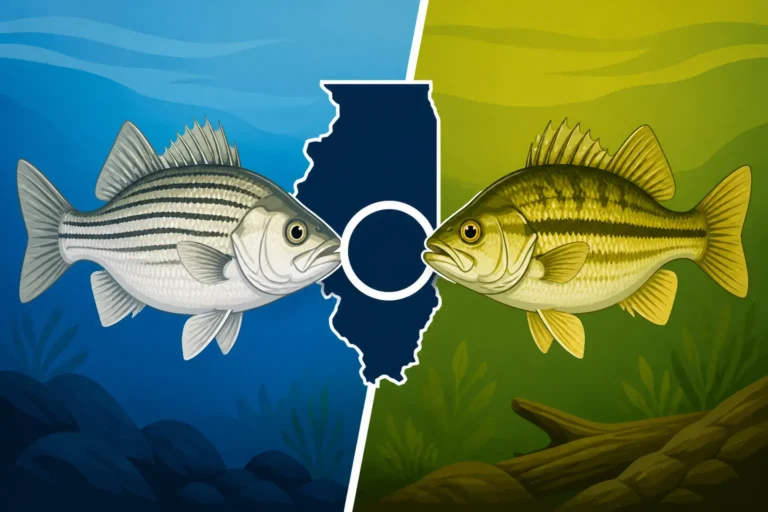
Ultimately, the goal is to make your presentation as natural and enticing as possible. Light line, small baits, and a sensitive setup will help you present your offering without spooking these sometimes wary fish, leading to more hookups and a much more enjoyable day on the water. For different species, such as during the Best Time to Catch White Bass and Yellow Bass Together, you might even find yourself scaling down to similar light tackle.
| Season | Typical Yellow Bass Location | Best Times of Day | Recommended Baits/Techniques |
|---|---|---|---|
| Spring | Shallow bays, coves, creek arms, rocky shorelines (5-15 feet) | Early morning, late evening | Small jigs, curly tail grubs, inline spinners, worms |
| Summer | Deeper humps, channels, main lake points, open water over baitfish (15-30+ feet) | Early morning, late evening; overcast mid-day | Vertical jigging with spoons/jigs, tiny crankbaits, small minnows |
| Fall | Transitional areas, shallower flats with deep access, chasing baitfish (10-25 feet) | All day, especially clear, stable days | Inline spinners, small crankbaits, jigs, worms |
| Winter | Deep holes, channels, submerged structure (ice fishing) | Mid-day, when light penetrates ice | Ice jigs, tiny spoons, wax worms, small minnows |
Disclaimer
This article is for general informational purposes only and does not constitute professional advice. Laws, prices and regulations vary by location and change over time. Consult a qualified professional for guidance on your specific situation.