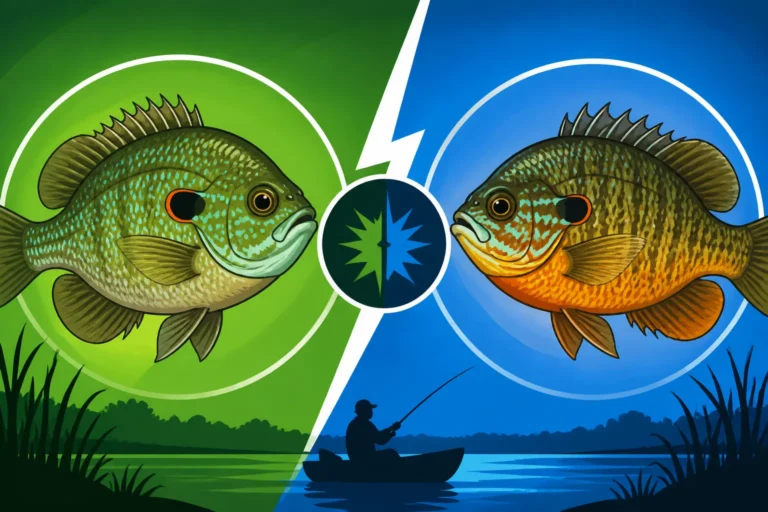
How to Identify a Spotted Bass vs a Largemouth Bass
It can be incredibly frustrating to reel in what you think is a lunker largemouth, only to realize it's a different species when you're trying to adhere to specific regulations or bragging rights with your buddies. Illinois is home to several types of bass, and knowing the difference between a spotted bass and a largemouth can save you headaches and even help you refine your fishing techniques. This guide will walk you through the precise features that distinguish these two popular game fish, ensuring you can confidently identify your catch.
Understanding the Illinois Bass Family Tree
Before we dive into the nitty-gritty of distinguishing between a spotted bass and a largemouth, it helps to understand a little about the black bass family in Illinois. We've got largemouth bass, smallmouth bass, and, yes, the often-overlooked spotted bass. Each has its preferred habitat and sometimes, slightly different regulations. It's not always as simple as "big mouth, small mouth," especially when you're looking at a younger fish or one from an environment where their features might not be as pronounced. The spotted bass, in particular, often throws anglers for a loop because it shares characteristics with both its more famous cousins.
The Largemouth Bass: A Familiar Friend
The largemouth bass is probably what most Illinois anglers picture when they think "bass." It’s a classic for a reason – aggressive, fun to catch, and found in nearly every lake, pond, and slow-moving river stretch across the state. They love cover, whether that's lily pads, submerged timber, or thick weed beds. When you’re targeting largemouth, you're usually thinking about casting into those thick, juicy spots where they can ambush prey. Understanding its typical features is the baseline for telling it apart from other species. For a deeper dive into these popular fish, check out our Largemouth Bass Fishing in Illinois: The Complete Guide.
The Spotted Bass: The Often-Mistaken Cousin
The spotted bass, while perhaps less famous than the largemouth, is an incredibly fun fish to catch, often displaying a fighting spirit that rivals the smallmouth. In Illinois, you'll typically find them in clearer, rockier waters, often with some current, such as parts of the Ohio River or specific reservoirs. They don't typically grow as large as largemouth bass, but what they lack in size, they make up for in tenacity. Many anglers mistake them for smallmouth bass due to their coloration or even smaller largemouth. Recognizing them is key, especially since their habits and preferred lures can differ from those of a largemouth. You can learn even more about these feisty fish in our Spotted Bass Fishing: A Complete Guide for Illinois Anglers.
Key Identification Markers for Largemouth Bass
When you pull a bass out of the water, and you suspect it might be a largemouth, there are a few tell-tale signs to look for that are pretty reliable. These aren't just subtle differences; they're structural and pattern-based traits that once you know them, become second nature to spot.
The Jawline Test
This is perhaps the most famous and easiest way to identify a largemouth bass. Gently close the fish's mouth. Now, observe where the upper jaw (maxilla) extends relative to its eye. For a largemouth bass, the back of the upper jaw will extend noticeably beyond the back edge of the eye. This "oversized" mouth is how it gets its name and is a primary indicator. It's designed for gulping down larger prey, which is why those big spinnerbaits and crankbaits you find on sites like Amazon are so effective. This feature is consistent across almost all largemouth bass, regardless of their size or specific water body.
Lateral Line and Body Markings
Another strong indicator is the lateral line, which is a sensory organ that runs horizontally along the fish's side. On a largemouth bass, this lateral line is usually quite prominent and is often accompanied by a distinct, dark, horizontal band or blotchy stripe that runs from its head to its tail. This stripe is made up of irregular dark blotches that sometimes merge, giving it a somewhat uneven appearance. Below this lateral line, the largemouth typically has a belly that is much lighter in color, without any strong, defined patterns of spots. The overall body can range from dark green to almost black on the back, fading to white or light yellow on the belly. How to Identify a Largemouth Bass in Illinois Waters offers more visual cues for accurate identification.
Scales and Tongue
Beyond the jaw and markings, a couple of other details can seal the deal. Take a closer look at the scales on the fish's cheek, specifically those located on the operculum (the bony flap covering the gills). On a largemouth bass, these scales on the cheek are typically much smaller than the scales found on the operculum itself. This might seem like a minor detail, but it’s a consistent one. Finally, if you're comfortable, gently open the fish's mouth and feel its tongue. A true largemouth bass will have a smooth tongue, completely devoid of any rough patch of teeth. This is a solid identifier that requires a bit more hands-on inspection but is very reliable.
Key Identification Markers for Spotted Bass
Now that we've covered the largemouth, let's turn our attention to its often-confused relative, the spotted bass. Many of its distinguishing features are subtle variations of the largemouth’s, making direct comparison key.
The Jawline Test Revisited
Remember the jawline test for the largemouth? We'll apply it here, but with a different result. When you close the mouth of a spotted bass, you'll observe that the back of its upper jaw (maxilla) typically does not extend beyond the back edge of the eye. In fact, it often aligns directly with the back of the eye or even falls slightly short. This is a critical distinction from the largemouth and a major clue that you're looking at a spotted bass, even if it has a relatively large mouth compared to a smallmouth. This smaller gape is why spotted bass sometimes prefer smaller lures or baits than their largemouth cousins.
Distinct Spotting Below the Lateral Line
This is where the spotted bass truly earns its name. While largemouth have that horizontal stripe, spotted bass feature distinct rows of dark spots or small blotches running horizontally below the lateral line on their lower flanks. These spots are often arranged in neat, somewhat uniform rows, giving the fish a "spotted" appearance on its belly. This pattern is usually quite clear and can be seen even on smaller fish. The lateral line itself might not be as distinctly marked as on a largemouth, and the overall color can be a bit more muted, often a greenish-brown on the back, fading to white. This spotting is a dead giveaway that you're holding a spotted bass.
The Tongue Patch
Remember how a largemouth bass has a smooth tongue? Well, the spotted bass has a feature that immediately sets it apart in this regard. If you carefully feel the tongue of a spotted bass, you will find a small, rough patch of teeth right in the middle. This patch of teeth is a definitive characteristic of the spotted bass (and smallmouth bass, for that matter) and is never present on a largemouth. This single feature, though requiring a careful examination, can be the ultimate deciding factor when other traits seem ambiguous. If you're using a fishing multi-tool with a light, you can often see this patch quite clearly.
Why Proper Identification Matters
Knowing the difference between these bass species isn't just about showing off your fish identification skills. It has real-world implications for responsible angling and understanding the fisheries you enjoy.
Firstly, regulations can vary. While often similar, catch limits or size restrictions might differ slightly between largemouth and spotted bass in certain Illinois waters. Mistaking one for the other could inadvertently lead to you violating fishing laws, which can result in penalties. Always double-check the current Illinois Fishing Information Guide, available through the Illinois Department of Natural Resources or sometimes even at your local bait shop or on Amazon, before hitting the water. For example, knowing the Illinois Largemouth Bass Length Limit and Daily Catch Rules is crucial.
Secondly, fishing strategy. Largemouth bass generally prefer dense cover and shallower, warmer water. Spotted bass, on the other hand, often thrive in clearer, deeper, rockier environments with more current, much like smallmouth bass. If you're consistently catching "largemouth" in deep, rocky river sections, you might actually be catching spotted bass and unknowingly using techniques that are more effective for them. Adjusting your lure selection or presentation based on the species you're truly targeting can significantly improve your success. This also helps in understanding Where to Catch Smallmouth Bass in Rivers and Streams, as their habitats often overlap with spotted bass.
Finally, it's about conservation and appreciation. Each species plays a unique role in the ecosystem. By correctly identifying them, you contribute to better understanding and management of Illinois' diverse fisheries. Plus, there's just a certain satisfaction in knowing exactly what you've caught and appreciating its unique characteristics!
Quick Comparison: Spotted Bass vs. Largemouth Bass
To make things even clearer, here’s a handy table summarizing the key differences you should look for when trying to identify if you have a spotted bass or a largemouth bass on your line.
| Feature | Largemouth Bass | Spotted Bass |
|---|---|---|
| Jawline Test | Upper jaw extends beyond the back edge of the eye. | Upper jaw typically stops at or before the back edge of the eye. |
| Body Markings | Prominent dark horizontal stripe/blotches; belly usually plain white. | Distinct rows of dark spots below the lateral line on the lower flanks; lateral line less emphasized. |
| Tongue | Smooth; no patch of teeth. | Rough patch of teeth on the tongue. |
| Cheek Scales | Scales on cheek are noticeably smaller than those on the operculum. | Scales on cheek are roughly the same size as those on the operculum. |
| Typical Habitat | Weedy, shallow, warm water; dense cover (logs, lily pads). | Clearer, rocky, deeper water, often with current (rivers, deep reservoirs). |
| Max Size | Can grow much larger; trophy fish are common. | Generally smaller than largemouth; rarely exceed 5-6 pounds. |
When you're out on the water, especially in unfamiliar territory, always keep a small field guide or even a laminated copy of this table with you. Many fishing apps on your phone can also help, but a physical reference is often quicker. And remember, practice makes perfect! The more bass you catch and examine, the more intuitive these distinctions will become. Good luck out there, and happy fishing!
Disclaimer
This article is for general informational purposes only and does not constitute professional advice. Laws, prices and regulations vary by location and change over time. Consult a qualified professional for guidance on your specific situation.