Best Pontoon Boat for Rend Lake
Finding the perfect boat for Rend Lake can feel like a daunting task, especially when you're dreaming of both serious fishing trips and relaxing days out with the family. It’s tough to balance the needs of a dedicated angler with the desire for comfort and space for everyone. This guide is all about diving deep into why a pontoon boat might just be the ideal solution for your Rend Lake adventures, helping you understand what features truly matter and how to pick the best one for your unique needs.
Why Pontoon Boats Are a Great Choice for Rend Lake
Rend Lake is a gem in Southern Illinois, known for its fantastic fishing — especially crappie and bass — but also for its sprawling recreational areas perfect for swimming, tubing, and just cruising. This dual nature means you need a boat that can handle both worlds gracefully, and that's precisely where pontoon boats shine. They offer a unique blend of stability, comfort, and adaptability that makes them incredibly popular on larger reservoirs like Rend Lake.
Imagine a beautiful summer morning, glass-smooth water, and you're out on Rend Lake, coffee in hand. With a pontoon, you're not crammed into a small fishing boat, constantly shifting weight. Instead, you're enjoying ample space, able to move around, set up multiple lines, and even have a cooler full of snacks easily accessible. It’s a far cry from the cramped quarters of some traditional fishing vessels, which can definitely add to the enjoyment of a long day on the water.
Stability and Space for Family and Friends
One of the biggest advantages of a pontoon boat, particularly on a lake the size of Rend, is its inherent stability. Those twin (or even triple) pontoons cut through the water, offering a remarkably smooth and steady ride, even when a larger wake rolls by. This stability is a huge plus for families with kids or for anglers who prefer a solid platform underfoot. You won't feel every little chop, which means a more comfortable experience for everyone on board, from little ones to seasoned seniors.
Beyond stability, the sheer amount of deck space on a pontoon boat is a game-changer. You can comfortably fit several people, whether they're all fishing, just enjoying the sun, or a mix of both. Think about it: multiple anglers can cast simultaneously without constantly snagging each other's lines. There's room for coolers, tackle boxes, extra rods, picnic baskets, and even a portable grill for those days when you just want to anchor up and relax. This generous space truly transforms a day on the water into a mini-vacation, making it easier to host friends or take the whole family out for an enjoyable outing.
Versatility for Fishing and Recreation
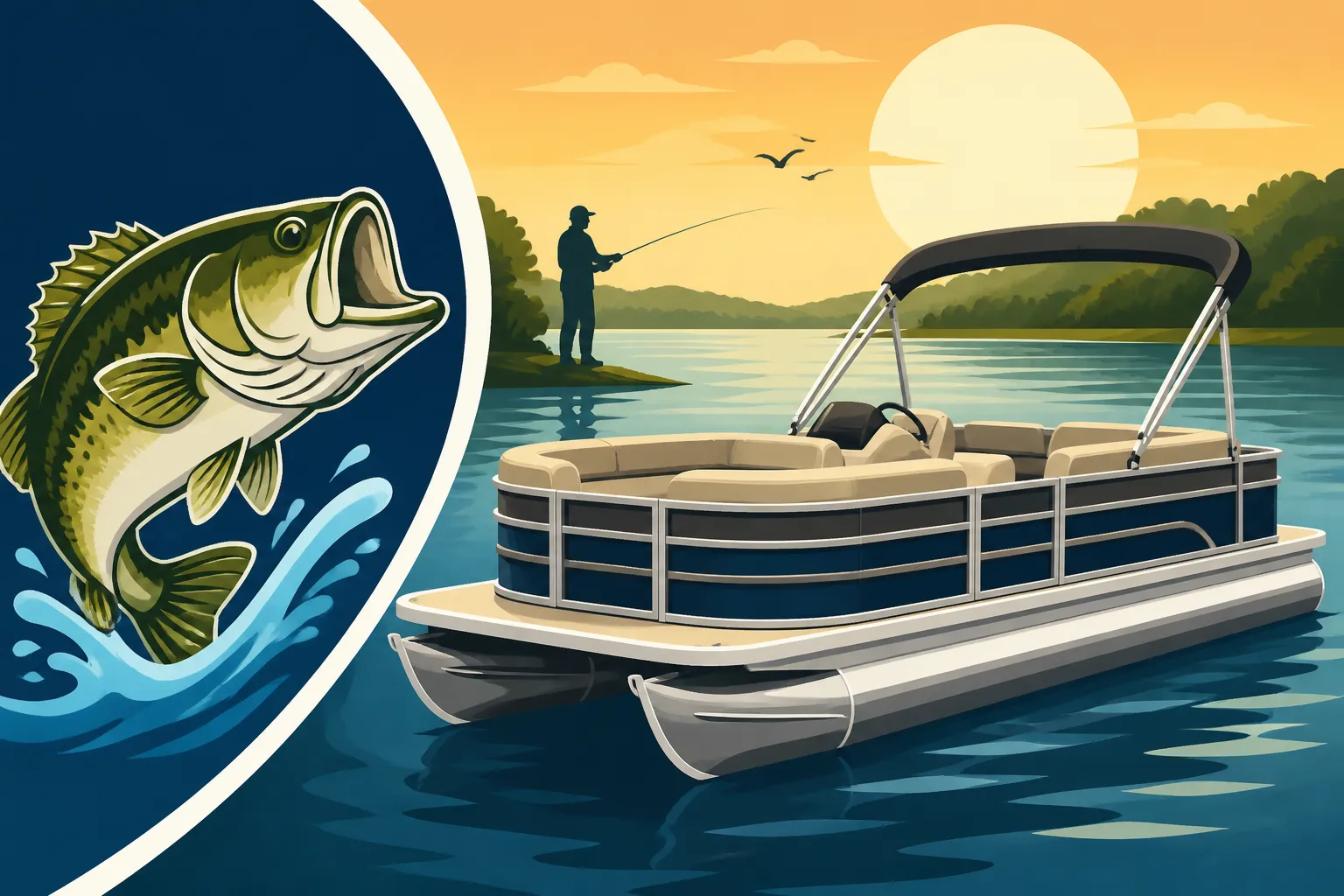
The beauty of a pontoon boat for a body of water like Rend Lake is its unparalleled versatility. One minute you can be seriously targeting crappie in a brush pile, and the next, you can be pulling a tube with the kids or enjoying a leisurely sunset cruise. Many modern pontoons are designed with specific fishing features that integrate seamlessly into a comfortable recreational layout. You don't have to choose between a dedicated fishing machine and a family-friendly cruiser; a pontoon can genuinely be both.
For fishing, many pontoons come equipped with livewells, rod holders built right into the railings, and even dedicated fishing seats that swivel 360 degrees, allowing you to cover more water without constantly repositioning the boat. When it's time for recreation, these features blend into the background. The plush seating, often with storage underneath, provides comfortable lounging. Some pontoons even have changing rooms, built-in sound systems, and swim ladders, making them ideal for a full day of fun on the water. This adaptability means you get more value and enjoyment out of a single vessel, catering to different moods and activities throughout your time on Rend Lake. You might find some excellent accessories to enhance this versatility from a retailer like Bass Pro Shops.
Key Features to Look for in a Rend Lake Pontoon Boat
When you’re seriously considering a pontoon for Rend Lake, you need to dig a little deeper than just "it floats." There are specific features that will make your time on the water more enjoyable, productive, and safe. Since Rend Lake can sometimes get a little choppy, especially on windy days or busy weekends, these details become even more important. Understanding what to look for will help you narrow down the options and ensure you're investing in a boat that truly meets your expectations.
It’s easy to get overwhelmed by all the options, from basic models to luxurious cruisers. But by focusing on the core elements that impact both fishing and general lake use, you can make a much more informed decision. Think about how you primarily plan to use the boat, who will be joining you, and what your comfort level is with different levels of maintenance and performance.
Deck Layout and Fishing Amenities
The layout of the deck is absolutely crucial. For fishing on Rend Lake, you'll want to ensure there's enough open space, especially at the bow and stern, to cast without obstruction. Look for models that offer dedicated fishing stations, often with two or four pedestal seats that can be repositioned. A good livewell is almost non-negotiable for serious anglers, allowing you to keep your bait fresh and your catch lively. Make sure it's easily accessible and has a reliable aeration system.
Integrated rod holders are another fantastic feature. Some pontoons have vertical rod holders on the railing, while others might offer horizontal storage under seats or in side compartments. Consider if you'll be using multiple rods at once or if you prefer a cleaner deck. Storage for tackle boxes, extra gear, and safety equipment is also paramount. Look for spacious under-seat compartments that are watertight. The flooring material is important too – marine-grade vinyl is often preferred over carpet for its ease of cleaning after a messy fishing trip or a day at the beach. You want a setup that makes transitioning from a family picnic to a fishing frenzy as smooth as possible.
Engine Size and Performance Considerations
Choosing the right engine for your Rend Lake pontoon boat is a balancing act between power, fuel efficiency, and cost. While you might not be breaking any speed records, you'll want enough horsepower to comfortably cruise, get to your fishing spots efficiently, and safely handle unexpected weather changes. For most recreational use on Rend Lake, a 90-150 horsepower outboard engine is a common and capable choice. If you plan on doing a lot of tubing, waterskiing, or carrying heavy loads, you might consider something closer to the 150-200 HP range. Some pontoons, especially those with triple-toon configurations, can even accommodate larger engines for a sportier ride.
Don't forget to consider fuel efficiency. A smaller engine might save you a little on gas, but it could struggle to plane the boat with a full load, making it work harder and potentially burning more fuel in the long run. Conversely, a giant engine might be overkill and drink gas unnecessarily if you're mostly just idling around fishing. For serious fishing, a quiet trolling motor can be a huge asset, allowing you to stealthily approach fish and hold position over prime structure without constantly running the main engine. Many pontoon owners find immense value in adding a bow-mounted electric trolling motor for precise boat control, particularly useful when navigating tight coves or following contours on Rend Lake.
Construction Quality and Durability
A pontoon boat is an investment, and you want it to last through many seasons on Rend Lake. Pay close attention to the construction quality of the pontoons themselves, the deck, and the transom. The gauge (thickness) of the aluminum used for the pontoons matters, as does their diameter. Larger diameter pontoons generally offer more buoyancy and a smoother ride in choppier water. Look for fully welded seams rather than riveted ones for greater structural integrity and less chance of leaks over time.
The deck construction is also critical. Plywood decks should be marine-grade and preferably pressure-treated or sealed to resist rot. Some higher-end pontoons now feature composite decking, which is lighter and completely impervious to water damage, offering superior longevity. Check the quality of the fencing, gates, and seating upholstery. High-quality marine-grade vinyl with double stitching will resist UV damage and tearing much better than cheaper alternatives. Strong, robust bimini tops are also essential for sun protection during those long Illinois summers. All these small details add up to a boat that can withstand the elements and provide years of reliable enjoyment.
Choosing the Right Size Pontoon for Rend Lake Adventures
When you start looking at pontoon boats, you’ll quickly notice they come in a wide range of sizes. It's not just about how many people you can cram on board, but also about how the boat handles, its stability in different conditions, and even how easy it is to trailer and store. For a lake like Rend, which is quite large but also has many coves and smaller fishing areas, the size you choose will significantly impact your overall experience.
Thinking about the typical number of passengers, whether you prioritize maneuverability or maximum comfort, and what kind of budget you're working with will all help you zero in on the perfect length for your pontoon. There’s a sweet spot for everyone, and it’s worth considering these factors carefully before making a decision.
Smaller Pontoons for Intimate Fishing Trips
If your primary goal is fishing with one or two buddies, or enjoying quiet days with a small family, a smaller pontoon boat, generally in the 18 to 20-foot range, might be ideal. These boats are more nimble, making them easier to maneuver into tight fishing spots along the shorelines or within Rend Lake’s numerous coves. They are also generally less expensive to purchase and operate, requiring less horsepower to perform adequately. This can mean savings on both the initial purchase and ongoing fuel costs.
Smaller pontoons are also much easier to trailer, launch, and retrieve. If you plan on frequently taking your boat out of the water or don’t have a permanent slip, this ease of handling is a huge advantage. They typically fit more readily into standard storage spaces as well. While they offer less overall deck space and fewer amenities than their larger counterparts, they still provide significantly more room and comfort than a traditional fishing boat of a similar length. For those who value intimacy, ease of use, and efficiency for targeted fishing trips, these compact pontoons are an excellent choice. You might even find some great, compact fish finders and other electronic gadgets on Amazon that pair perfectly with a smaller vessel.
Larger Pontoons for Group Outings and Comfort
For those who envision frequent group outings, watersports, or simply crave maximum comfort and space on Rend Lake, a larger pontoon, typically ranging from 22 to 26 feet, will be more suitable. These boats offer expansive deck space, allowing for multiple activity zones – a dedicated fishing area, a lounging area, and even space for a grill or an onboard head (toilet). They can comfortably accommodate larger parties, making them perfect for family reunions or friend gatherings. This means less jostling for space, even when everyone is actively participating in different activities.
The extra length and often wider beams of larger pontoons also contribute to a smoother ride, especially when Rend Lake kicks up a chop. They tend to feel more stable and substantial in rougher water, which can be a significant comfort factor on windy days. These boats can typically handle larger engines, providing the power needed for waterskiing, wakeboarding, or simply getting across the lake quickly. While they come with a higher price tag and increased operational costs, the enhanced comfort, capacity, and versatility often make them worthwhile for those who plan to use their boat as a true floating entertainment hub. For long-term ownership, consider the Illinois Boat Registration Requirements Explained to understand the costs and processes associated with larger vessels.
Where to Find and What to Consider When Buying Your Pontoon
So, you’ve done your homework, you know the features you want, and you’ve got a good idea of the size that fits your Rend Lake lifestyle. Now comes the exciting part: actually finding and buying your pontoon boat. This process can be as enjoyable as fishing itself, but it pays to be prepared and know where to look, whether you’re after a shiny new model or a well-loved pre-owned gem. The market for boats is always fluctuating, so patience and thorough research will be your best allies.
It's also essential to look beyond the sticker price. A boat is more than just the vessel itself; it’s an entire ecosystem of accessories, fees, and ongoing maintenance. Being realistic about the total cost of ownership will help prevent any unpleasant surprises down the line and ensure you enjoy your pontoon for many years to come without financial stress.
Exploring New and Used Marketplaces
When it comes to buying a pontoon boat, you generally have two main avenues: new or used. Each has its own set of pros and cons. Buying new from a reputable dealership means you get the latest features, a full warranty, and the peace of mind that comes with knowing the boat has no hidden issues. Dealerships often offer financing options and can help with registration and initial setup. Places like local marine dealers or even national retailers that stock boats, like Bass Pro Shops, will have a range of new models for you to explore. You can also often customize a new boat to your exact specifications.
However, new boats come with a higher price tag and typically depreciate quickly in the first few years. If you’re looking to save money, the used market can be a treasure trove. Websites like craigslist, boat-specific forums, and local classifieds are great places to start. Used boats offer significant savings, but they require a more discerning eye. Always, always get a professional inspection of any used boat you’re serious about, especially checking the engine and the condition of the pontoons for any damage or leaks. Don’t just take the seller's word for it. Look into the Illinois Boat Registration Renewal Process to understand how to transfer ownership and keep everything legal.
Budgeting for Your Rend Lake Pontoon
Beyond the purchase price of the boat itself, there are several other costs you need to factor into your budget. First, consider the engine. Whether it's included with the boat or purchased separately, it's a significant expense. Next, you'll need a trailer capable of safely transporting your pontoon. Prices for trailers vary widely based on size and features like brakes or tandem axles. Don’t skimp here; a good trailer is essential for safety and convenience.
Then there are accessories. You'll need life jackets for everyone on board (check out the Illinois Life Jacket and PFD Rules), a fire extinguisher, navigation lights, a horn, and other safety gear as mandated by state law. Fishing-specific gear, like a trolling motor, depth finder, extra rod holders, and specialized tackle, will also add up. You might find great deals on some of these accessories on Amazon. Don't forget the ongoing costs: Illinois boat registration fees, insurance, fuel, winterization, storage (if you don't have space at home), and routine maintenance like oil changes and tune-ups. Having a clear picture of these expenses upfront will help you enjoy your Rend Lake pontoon boat without any financial surprises.
Disclaimer
This article is for general informational purposes only and does not constitute professional advice. Laws, prices and regulations vary by location and change over time. Consult a qualified professional for guidance on your specific situation.