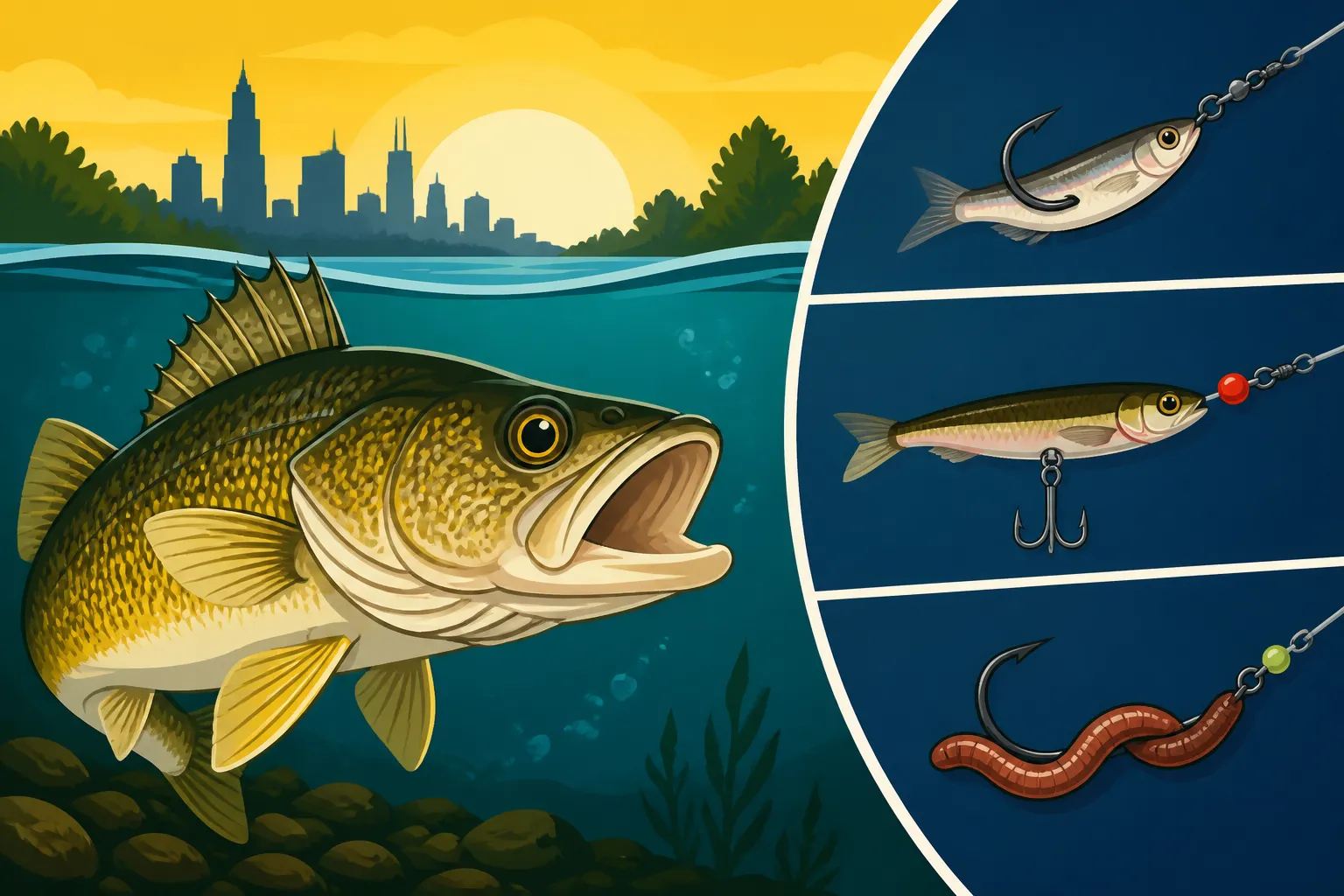
Best Live Bait Rigs for Illinois Walleye
Walleye fishing in Illinois can be incredibly rewarding, but sometimes it feels like they have PhDs in evasion, especially when you're trying to figure out the right presentation. If you've ever cast artificial lures all day with no luck and wondered if there's a trick to consistently putting walleye in the boat, then this guide on live bait rigs is for you. We'll delve into the tried-and-true methods that harness the undeniable appeal of live bait, giving you the edge on Illinois' diverse walleye waters.
Why Live Bait Remains a Walleye Angler's Secret Weapon
Let's be honest, in the world of endless lure choices and fancy electronics, sometimes we overthink it. Walleye, at their core, are predators, and few things can match the natural appeal of a wriggling minnow or a juicy nightcrawler. It’s not just about the visual—it’s the scent, the subtle vibrations, the panic of a real creature trying to escape. That primal instinct is something even the most advanced artificial baits struggle to fully replicate, making live bait an irreplaceable tool in your walleye arsenal.
The Unmatched Allure of Natural Presentation
When you're dealing with finicky walleye, especially in clear water or under high-pressure conditions, a natural presentation is key. Live bait doesn't just look real; it is real. A shiner or a leech swimming naturally on a hook isn't trying to imitate anything—it's just being itself. This subtlety can be the difference between a frustrating day of no bites and a successful outing. Walleye are highly attuned to their environment, and anything that seems "off" can instantly turn them away. Live bait, when presented correctly, blends seamlessly into their natural food source.
Imagine you're drifting over a submerged humps on Lake Shelbyville. You've tried crankbaits and jigs with plastics, but nothing. Then, you switch to a lively minnow suspended just off the bottom on a slip bobber. The minnow struggles, sends out distress signals, and a curious walleye, previously uninterested, decides to investigate. This scenario plays out repeatedly on lakes and rivers across Illinois, proving the consistent effectiveness of live bait over artificial options when the bite is tough.
Versatility Across Different Fishing Conditions
One of the great advantages of live bait is its incredible versatility. Whether you're fishing deep river channels on the Mississippi River, casting into shallow weed lines at a smaller lake, or trolling open water on Carlyle Lake, there's a live bait rig that fits the bill. Artificial lures often excel in specific situations—a certain crankbait depth, a jig for vertical presentations, a spinnerbait for covering water. Live bait, however, can be adapted to almost any situation, offering a natural and enticing offering regardless of water depth, clarity, or current.
For instance, a simple split-shot rig with a nightcrawler can be deadly in current for walleye holding behind structure, while a bottom bouncer with a spinner and a crawler excels when slow-trolling vast flats. A slip bobber can present a minnow precisely above cover where walleye are suspended, while a Lindy Rig allows for a very slow, subtle drift on sparse bottom. This adaptability means you don't have to carry a tackle box overflowing with every lure imaginable; with a few different live bait rigs, you're prepared for most walleye scenarios Illinois waters throw at you.
Essential Live Bait Choices for Illinois Walleye Waters
Knowing what to put on your hook is just as important as how you rig it. Walleye have distinct preferences, and while they can be opportunistic, using their favorite snacks will dramatically increase your chances of success. It's about matching the hatch and offering them what they're naturally hunting. Different seasons and different water bodies might call for slightly different bait choices, so it's always good to be prepared with a few options.
Minnows: The All-Season Walleye Favorite
Minnows are arguably the most classic and consistently effective live bait for walleye. Their natural flash, swimming action, and scent are irresistible. Shiners, fatheads, and dace are common choices, readily available at most bait shops across Illinois. The key is to keep them lively and healthy, as a struggling minnow sends out those vital distress signals that attract predators.
When the water is cold, like in early spring or late fall, minnows are often the absolute best choice because walleye tend to be more lethargic and prefer a slow, easy meal. During these times, a subtle presentation with a minnow on a jig or under a bobber can be lights out. In warmer water, minnows still work, but their effectiveness might be enhanced by adding a spinner blade for extra flash and vibration, especially when covering more water. Always check the local regulations for specific baitfish rules and limits, as these can sometimes vary between lakes or river systems.
Nightcrawlers: The Versatile and Scent-Rich Option
Nightcrawlers are another walleye magnet, especially from late spring through fall when the water is warmer. Their juicy, wormy profile and strong scent trail are incredibly effective, particularly when walleye are feeding on the bottom or when you're drifting slowly. A fresh, plump nightcrawler is packed with an enticing scent that disperses in the water, drawing walleye from a distance.
You can rig a nightcrawler in various ways, from a simple hook-and-split-shot setup to more elaborate presentations like a spinner rig on a bottom bouncer. Many anglers will "half-harness" a crawler by hooking it once or twice through the head end, allowing the tail to wriggle freely and create maximum action. For even more attraction, some anglers will inject air into their nightcrawlers to make them float off the bottom, presenting an easy target. Nightcrawlers are robust and can withstand a fair bit of abuse, making them a great choice for beginners and experienced anglers alike. Just make sure to keep them cool and moist in a good worm container.
Leeches: The Underrated Walleye Delicacy
Leeches are often overlooked by many anglers, but they are a consistent top performer for walleye, particularly in the warmer months. These slimy critters are tough, stay lively on the hook for a long time, and have an irresistible undulating movement in the water that walleye absolutely key in on. Black or ribbon leeches are typically preferred, and they can be stored easily in a cool, damp container.
Leeches are fantastic when fished on a plain hook under a slip bobber, allowing their natural movements to entice bites. They also work incredibly well on a Lindy Rig, drifted slowly along contours or structure. Unlike minnows, leeches are less prone to being "stolen" by smaller fish, meaning your bait stays in the strike zone longer. When the walleye are being finicky, a perfectly presented leech can often coax a bite when other baits fail. Some anglers purchase leeches in bulk from local bait shops or through online suppliers like Amazon to ensure they always have a fresh supply.
Mastering the Top Live Bait Rigs for Illinois Walleye
Now that you know your bait, let's talk about how to present it. The right rig can make all the difference, ensuring your live bait looks as natural and appealing as possible to those discerning Illinois walleye. Each rig has its strengths, designed for specific conditions and walleye behaviors. Understanding these nuances will allow you to adapt on the fly and put more fish in your net.
The Versatile Slip Bobber Rig
The slip bobber rig is a staple for a reason: it's incredibly effective for presenting live bait at a precise depth, especially when walleye are suspended over structure, weed lines, or irregular bottom. It's particularly useful in situations where walleye are shallower, say 5 to 15 feet deep, or when you need to keep your bait just above snags. The beauty of the slip bobber is its ability to cast easily despite setting your bait deep, thanks to the bobber stop knot.
Here’s how you set it up:
- Bobber Stop: Slide a bobber stop onto your main line first. This small piece of string or plastic determines your bait's depth.
- Bead: Follow the bobber stop with a small bead. This prevents the stop from pulling through the bobber.
- Slip Bobber: Thread your main line through the center of a slip bobber. The line slips freely through it until it hits the bobber stop.
- Weight: Add a split shot or a small bullet weight a foot or two above your hook. This gets your bait down to the desired depth.
- Hook: Tie on a small, sharp hook (size 4 to 8 is usually good for minnows and leeches).
- Bait: Hook your live minnow lightly through the lips or just behind the dorsal fin, or a leech once through the suction cup end.
This rig excels on waters like Clinton Lake when walleye are holding in specific thermal layers or near submerged cover. It allows for a natural drift with the wind or current, keeping your bait in the strike zone longer. When that bobber goes down, you know it's time to set the hook! You can find a wide array of bobbers and terminal tackle for these setups at Bass Pro Shops.
The Efficient Bottom Bouncer Rig
When you need to cover water, especially over relatively flat bottoms or along subtle contours, and maintain constant contact with the bottom without snagging, the bottom bouncer is your friend. This rig is fantastic for slow-trolling or drifting in current, making it ideal for large bodies of water like Lake Erie (though not an Illinois body, it's a great example of where this rig shines) or the expansive flats of Carlyle Lake. The L-shaped wire arm of the bottom bouncer keeps your line and bait elevated just off the bottom, reducing snags.
Here’s the basic setup:
- Bottom Bouncer: Tie your main line directly to the eye of the bottom bouncer. Weight can vary (1/2 oz to 3 oz) depending on depth, current, and trolling speed.
- Leader: Attach a leader (fluorocarbon or monofilament, 4-6 feet long, 8-10 lb test) to the swivel at the bottom of the bouncer.
- Spinner or Plain Hook Rig: At the end of the leader, you'll attach your bait presentation.
- Spinner Rig: This is common. It consists of a clevis with a spinner blade (Colorado, Indiana, or Willowleaf), followed by a couple of beads, and then two snelled hooks. Hook a nightcrawler through the nose and then lightly through the middle for maximum action.
- Plain Hook: For a more subtle approach, just tie on a plain hook (size 4-6) and hook a minnow or leech.
The bottom bouncer rig with a crawler harness is particularly deadly in summer months when walleye are actively chasing bait. The flash and vibration of the spinner, combined with the scent and action of a live nightcrawler, can trigger strikes from aggressive fish. This is a go-to rig for covering large areas, especially when the fish are scattered. For heavier bottom bouncers and robust spinner rigs, check out what’s available at outdoor retailers like Bass Pro Shops.
The Stealthy Lindy Rig (Carolina Rig Variant)
The Lindy Rig, or a more general Carolina Rig-style presentation, is a classic for a reason. It offers an incredibly natural and subtle presentation of live bait, making it perfect for wary walleye in clear water or when they are in a negative mood. The key feature is a walking sinker that allows the line to slide freely through it, meaning a walleye can pick up the bait and move off without feeling the weight of the sinker. This gives them time to mouth the bait and increases your hook-up ratio.
To set up a Lindy Rig:
- Walking Sinker: Slide a walking sinker (1/4 oz to 1 oz, depending on depth and current) onto your main line.
- Swivel: Tie a small barrel swivel to the end of your main line. This stops the sinker and prevents line twist.
- Leader: Attach a long leader (3-6 feet of fluorocarbon, 6-8 lb test) to the other end of the swivel. The long leader allows your bait to float or drift very naturally away from the main line and sinker.
- Hook: Tie on a small, sharp hook (size 4-8). A snelled hook or a plain Aberdeen or Kahle hook works well.
- Bait: Hook a minnow through the lips, a nightcrawler once through the head, or a leech through the suction cup.
This rig is best used by slowly drifting or back-trolling along structural elements like points, humps, or deep breaks. On waters such as the Mississippi River where current and structure dictate walleye locations, the Lindy Rig can be incredibly effective. The objective is to keep your bait just off the bottom, letting the walking sinker bump along. When you feel a subtle tug, drop your rod tip, feed line, and wait for the walleye to fully commit before setting the hook. This "drop and wait" technique is crucial for success with a Lindy Rig. Illinois Walleye Size and Catch Limits are important to remember, especially when fishing areas where larger walleye might be present.
Practical Tips for Maximizing Your Live Bait Walleye Success
It's not enough to just know the rigs; consistent success with live bait for walleye comes down to understanding the nuances of presentation, bait care, and adapting to conditions. Small details often make a big difference in whether you have a banner day or a slow one.
Keeping Your Bait Lively and Healthy
The healthier and livelier your bait, the more effective it will be. A sluggish minnow or a dying nightcrawler won't attract nearly as many walleye as a vibrant one. Invest in good bait care:
- Minnows: Use a good minnow bucket with an aerator, especially on warmer days. Keep the water cool, adding ice if necessary (use ice from bottled water to avoid chlorine). Don't overcrowd your minnow bucket. If you're buying online, many fishing stores on Amazon offer quality bait care products.
- Nightcrawlers: Store them in a breathable container with fresh worm bedding. Keep them cool, ideally in a cooler with ice packs.
- Leeches: Store them in cool, clean water in a leech bag or container. They can tolerate a range of temperatures but prefer cool. Change the water regularly.
When handling bait, be gentle. Hooking a minnow improperly can kill it quickly, rendering it useless. For minnows, hooking through the lips allows for a more natural swimming action and keeps them alive longer. For leeches, a single hook through the tough end is usually enough.
Adapting Rigs to Specific Illinois Waters
Illinois offers a diverse range of walleye habitats, from large reservoirs to mighty rivers, and each can require slight adjustments to your approach. Why Fishing Rules Vary by Lake and River is a crucial piece of knowledge here.
- Large Reservoirs (e.g., Lake Shelbyville, Rend Lake): These often have expansive flats and sharp drop-offs. Bottom bouncers with spinner rigs are excellent for covering flats, while slip bobbers or Lindy Rigs excel when drifting contours or fishing specific submerged structures like humps and points. Pay attention to wind and current, as these will dictate your drift speed and presentation.
- Rivers (e.g., Mississippi River, Illinois River): Current is the dominant factor here. Heavier bottom bouncers or three-way rigs are often necessary to keep your bait in the strike zone. Walleye will hold behind current breaks, eddies, and structure. Finesse presentations with jigs and minnows can also be deadly when vertically jigging slack water. Illinois Walleye Fishing Season on the Mississippi River can offer more specific insights.
- Smaller Lakes and Ponds: These might have less current, making slip bobbers an excellent choice for fishing weed lines, docks, or submerged brush piles. Lighter weights are usually sufficient here.
Always check the local conditions on the day you fish. Water clarity, temperature, and current flow can all influence which rig and bait combination will be most effective. Don't be afraid to experiment! If one rig isn't working, switch it up.
| Rig Type | Best Use Case | Ideal Bait | Advantages | Considerations |
|---|---|---|---|---|
| Slip Bobber | Suspended fish, precise depth, shallow cover | Minnows, Leeches | Natural drift, visual strike indicator, excellent for specific depths | Can be affected by wind, slower coverage of water |
| Bottom Bouncer | Covering water, deeper flats, moderate current | Nightcrawlers, Minnows | Reduced snags, good for slow trolling/drifting, covers ground quickly | Less subtle presentation, requires boat movement |
| Lindy Rig | Finicky fish, clear water, subtle bottom presentation | Minnows, Leeches | Very natural presentation, allows fish to take bait without resistance | Requires careful "feel" for the bite, slower technique |
| Three-Way Rig | Strong current, deep holes, vertical presentation | Minnows, Nightcrawlers | Keeps bait near bottom in heavy current, good for vertical jigging/drifting | Can be prone to snags in rocky areas, less subtle than Lindy Rig |
The Importance of Scent and Color
While live bait provides its own natural scent, sometimes a little extra boost can make a big difference. Scent attractants, gels, or sprays can be applied to your live bait or even to the terminal tackle itself. This can be especially useful in stained or murky water where visual cues are limited. Many scent brands are available, often found alongside other fishing supplies at retailers like Bass Pro Shops.
The color of your hooks or beads (especially on spinner rigs) can also play a role. While the live bait is the primary attraction, a flash of chartreuse or orange on a spinner blade or a bead can sometimes be the extra trigger needed to entice a strike, particularly in low light conditions or murky water. Don't go overboard, but subtle additions of color can definitely enhance your presentation. Remember to also consider Illinois Inland Trout Stamp Requirements if you plan to target trout in addition to walleye, as these species often share habitat.
Finally, remember that fishing for walleye, like any species, is a journey of learning and adaptation. Even with the best live bait rigs, there will be days when the fish simply aren't biting. Persistence, careful observation of your surroundings, and a willingness to experiment with different presentations will ultimately lead to more successful trips on Illinois waters.
Disclaimer
This article is for general informational purposes only and does not constitute professional advice. Laws, prices and regulations vary by location and change over time. Consult a qualified professional for guidance on your specific situation.