How to Catch Bluegill With a Fly Rod
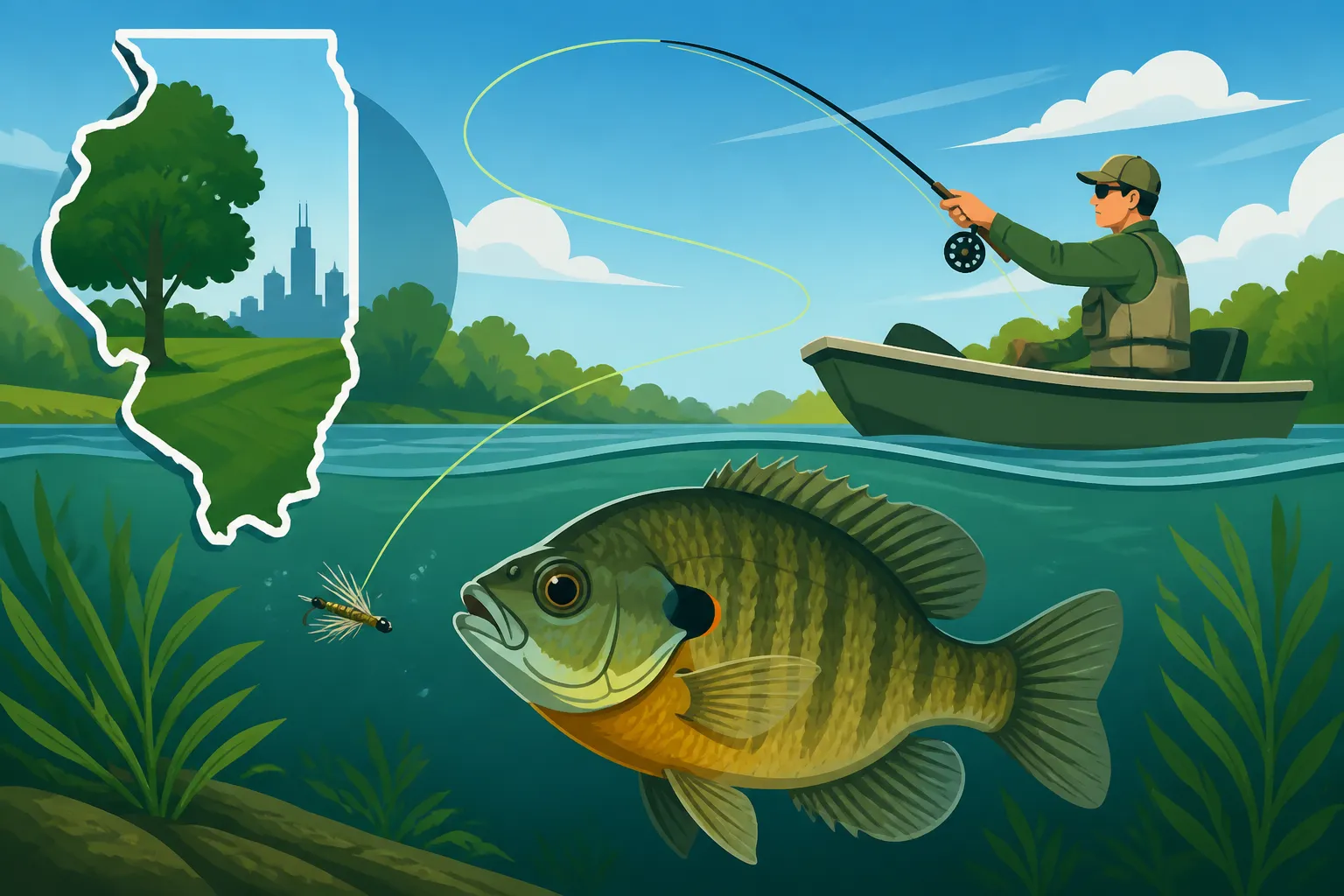
Many anglers in Illinois often feel intimidated by fly fishing, thinking it's exclusively for trout streams out west or that it requires a huge investment and years of practice. But let me tell you, that couldn't be further from the truth, especially when it comes to chasing our abundant and feisty bluegill. This guide is here to demystify the art of catching bluegill with a fly rod, showing you how accessible, incredibly fun, and deeply rewarding this technique can be right here in our own backyard.
Why Choose a Fly Rod for Bluegill in Illinois?
You might be thinking, "Why bother with a fly rod when a simple worm under a bobber works so well for bluegill?" And you're right, it absolutely does! But there's a unique satisfaction that comes with presenting a tiny, hand-tied fly to a panfish, watching it rise to the surface, and feeling that subtle tug on a light fly rod. It's a more immersive and interactive way to fish, offering a different kind of challenge and reward.
The Pure Joy of the Fight
Bluegill, despite their size, are scrappy fighters, especially on ultralight tackle. On a fly rod, even a modest 8-inch bluegill feels like a heavyweight champion. You're connected directly to the fish, feeling every head shake and dart. It's a delicate dance, and it sharpens your angling skills in a way that heavier gear just can't. Plus, the visual aspect of fly fishing – watching the fly land, seeing the fish approach, and then the take – is incredibly captivating. It turns a simple fishing trip into a truly engaging experience. If you're looking for an "Easiest Fish to Catch for Beginners," bluegill are often at the top of the list, and fly fishing for them adds a layer of finesse that can really hook you into the sport.
An Accessible Entry Point to Fly Fishing
Forget the notion that fly fishing is elitist or expensive. For bluegill, you don't need top-of-the-line gear. A decent entry-level fly rod and reel combo is surprisingly affordable, making it a perfect way to dip your toes into the fly-fishing world without breaking the bank. Many of these beginner setups can be found on sites like Amazon, offering a convenient way to get started. Illinois has countless ponds, lakes, and slow-moving rivers teeming with bluegill, providing endless opportunities to practice your cast and presentation without the pressure of chasing more finicky species. It's also a fantastic way to introduce new anglers, particularly kids, to the sport beyond traditional spin fishing. Think of it as a natural progression from "How to Fish for Bluegill With Kids" using conventional methods.
Essential Gear for Bluegill Fly Fishing
Getting the right gear for bluegill fly fishing doesn't have to be complicated or overwhelming. The key is to keep it light and simple. We're not chasing steelhead here; we're after panfish, and that means prioritizing sensitivity and finesse.
Rod, Reel, and Line Selection
For bluegill, a 3-weight or 4-weight fly rod, typically 7 to 8.5 feet long, is your sweet spot. A 5-weight can also work, especially if you anticipate some slightly larger bass or crappie, but a 3 or 4-weight will make those bluegill fights truly memorable. These lighter rods offer incredible feel and make even small fish a blast.
Your fly reel for bluegill is essentially a line holder. You don't need a fancy disc-drag system. A simple click-and-pawl reel that balances your rod is perfectly adequate. It just needs to hold your fly line and some backing. Again, an affordable option found through retailers like Amazon will serve you well for this.
The most important part of your setup, arguably, is the fly line. A weight-forward (WF) floating line matched to your rod weight is ideal. For example, a WF-4-F line for a 4-weight rod. The floating line keeps your flies on or near the surface, which is where bluegill often feed, and the weight-forward design helps with casting lighter flies. You'll also need a bit of backing line, usually 20-pound dacron, attached to your reel before your fly line. This isn't usually for fighting fish (bluegill rarely spool you), but rather to fill the reel and provide a cushion for the fly line.
Leaders, Tippet, and the All-Important Flies
A tapered leader is crucial. It connects your fly line to your fly and helps transfer casting energy smoothly, allowing for a delicate presentation. For bluegill, a 7.5 to 9-foot leader, tapering down to a 4X, 5X, or even 6X tippet, is generally appropriate. The "X" rating indicates tippet diameter and strength – higher numbers mean thinner, lighter line. You can then attach a foot or two of tippet material (the final, thinnest part of your leader) to your tapered leader with a simple knot. This saves your main tapered leader from getting shorter with every fly change and allows you to adjust tippet size.
Now, for the fun part: flies! Bluegill aren't picky, which is great for beginners. A small assortment will get you started:
- Dry Flies: These imitate insects that float on the surface. Small poppers (foam or cork-bodied flies that "pop" when retrieved), rubber-legged spiders, grasshoppers, and even tiny Adams or Elk Hair Caddis patterns are deadly.
- Wet Flies/Nymphs: These imitate submerged insects or small aquatic life. Small Prince Nymphs, Hare's Ear Nymphs, or even a simple worm pattern can be very effective. Try them under a small indicator.
- Streamers: Tiny woolly buggers (black, olive, or white) can imitate small baitfish or leeches and often entice bigger bluegill, as well as crappie and bass.
Stocking a variety of these patterns will ensure you're ready for different conditions and moods of the fish. Remember, bluegill aren't too concerned with perfection, so focus on presentation more than exact imitation. If you're curious about other options, consider looking at "Best Bait for Bluegill Fishing" – flies are just another fantastic "bait" in the right hands.
Here's a quick reference for typical bluegill fly gear:
| Gear Type | Recommendation | Purpose |
|---|---|---|
| Rod | 3-4 weight, 7-8.5 feet | Light, sensitive, makes bluegill fun to fight |
| Reel | Click-and-pawl, balances rod | Line storage, basic function, affordable |
| Fly Line | WF-F (Weight-Forward Floating) | Keeps flies on/near surface, aids casting |
| Backing | 20 lb Dacron | Fills reel, reserve line |
| Leader | 7.5-9 ft tapered (4X-6X tippet) | Smooth casting energy transfer, delicate presentation |
| Flies | Poppers, Spiders, Nymphs, Tiny Woolly Buggers | Mimic insects/small prey, chosen based on conditions |
Mastering the Cast and Presentation for Bluegill
The thought of casting a fly rod can seem daunting, but for bluegill, you don't need to be a tournament caster. Simple, controlled casts are far more effective than long, showy ones.
Basic Casting Techniques for Panfish
Two casts will cover 90% of your bluegill fly fishing needs:
- The Roll Cast: This is your best friend when you have obstructions behind you (trees, bushes, a high bank). Without a back cast, you simply roll the line forward in a smooth, continuous motion. Practice this one! It’s incredibly useful on smaller ponds or rivers where space is limited.
- The Overhead Cast: This is the classic back-and-forth cast. The key is to think of it as a "stop-and-go" motion, not a whip. Bring the rod back, stop, let the line extend behind you, then bring it forward, stop, and let the line present. For bluegill, short, accurate casts of 10-30 feet are usually all you need. Focus on gentleness. A soft landing of your fly is often more important than distance. Practice in your yard until you can consistently land your fly softly and accurately.
Reading the Water and Presenting Your Fly
Bluegill are often found in predictable locations. They love structure and cover. Look for:
- Weed lines: The edges of aquatic vegetation provide food and cover.
- Lily pads: Excellent ambush points for bugs.
- Docks, submerged timber, brush piles: Anything that offers shade and protection.
- Shallow flats during the spawn: In spring, especially during the Illinois Bass Spawn Timing Guide, bluegill will create visible "beds" in shallow, sandy, or gravelly areas. These are prime targets! You can often see them.
Once you spot a likely area, or even a specific bluegill, that's where presentation comes in.
- For Dry Flies/Poppers: Cast your fly a foot or two beyond your target and gently bring it back into the strike zone. Let it sit for a moment – sometimes the splashdown itself attracts attention. Then give it a subtle twitch or two. Experiment with pauses and retrieves. Sometimes a frantic retrieve works, other times a long, patient wait is key. Watching the fish come up and hit a popper is one of the most exciting aspects of this type of fishing.
- For Nymphs/Wet Flies: These are fished subsurface. You can use a small strike indicator (a tiny bobber for fly fishing) a few feet above your fly to detect bites, or simply watch your line for any twitch or hesitation. Cast upstream or across current and let the fly drift naturally with the current, imitating a dislodged insect. A slow, steady retrieve can also work in still water.
Delicate presentation is often rewarded, as it mimics natural insect landings and doesn't spook the fish. Pay attention to "How Water Temperature Affects Fish Activity," as it will influence how aggressively bluegill feed and where they position themselves.
Seasonal Strategies and Illinois Bluegill Hotspots
Bluegill are abundant across Illinois, making them a fantastic target for fly anglers almost year-round. Their presence makes many lakes and ponds some of the "Best Fishing Spots in Illinois" for panfish.
Where to Find Bluegill Across the Seasons
Understanding seasonal movements will greatly increase your success.
- Spring (Pre-Spawn to Spawn): This is prime time! As water temperatures rise into the 60s, bluegill move into the shallows to spawn. Look for their characteristic "beds"—circular depressions often grouped together—in 1-3 feet of water, often near submerged logs, weed lines, or seawalls. This is when fly fishing with small poppers and spider patterns is absolutely phenomenal. Cast to the beds, let the fly sit, and twitch it. They're incredibly aggressive defending their nests. Remember to check your "Illinois Fishing License Guide for 2026" and any specific local regulations before heading out.
- Summer: Once the spawn is over, bluegill often move to slightly deeper water during the heat of the day, seeking cooler temperatures and oxygen. Target weed lines, brush piles, submerged structure, and shaded areas (like under overhanging trees or docks) in 4-8 feet of water. Early morning and late evening (dawn and dusk) are still excellent for surface activity with dry flies. During the bright mid-day sun, switch to nymphs or tiny streamers fished deeper, perhaps under an indicator. You'll find a lot of success with "Best Time of Day to Catch Bluegill" in the cooler hours.
- Fall: As water temperatures cool, bluegill will move back into shallower areas and feed aggressively, stocking up for winter. This can be another fantastic time for dry flies and poppers, especially on warmer afternoons. They'll be tightly associated with remaining green vegetation and structure.
- Winter (Ice Fishing with Flies): While less common with a traditional fly rod setup, small nymphs and micro-jigs (which are essentially fly patterns) can be incredibly effective when ice fishing for bluegill. Use a very sensitive ultra-light spinning rod or even a specialized ice fishing rod with these flies. While not fly rod fishing in the traditional sense, the fly patterns are what make the difference, often tipping them with a wax worm.
Top Illinois Bluegill Hotspots
Virtually any public lake, pond, or slow-moving river in Illinois that holds panfish will have bluegill. You don't need to travel far!
- Local Park Ponds: These are often overlooked gems. They're usually well-stocked and offer easy bank access, perfect for practicing your casting. They are also often listed as "Best Kid-Friendly Fishing Spots in Illinois."
- State Park Lakes: Lakes like those within the Illinois State Park Fishing Spots often have designated fishing areas and healthy bluegill populations. Many of these offer both bank and boat access.
- Mississippi River Backwaters: The quiet backwaters and sloughs of the Mississippi River in Southern and Northern Illinois are teeming with panfish, including some truly giant bluegill. These areas offer excellent opportunities for fly fishing from a small boat, kayak, or even from shore. Consider how "How to Fish From a Kayak" might elevate your access in these backwater areas.
- Larger Reservoirs: While these lakes are known for bass and crappie, the shallow coves and protected bays of larger bodies of water like Rend Lake, Lake Shelbyville, and Carlyle Lake hold huge numbers of bluegill, especially during the spring spawn. Specifically, Rend Lake is renowned for "Rend Lake's Giant Bluegill: Why They Grow So Big," making it a must-try for any serious panfish fly angler.
Always consult the Illinois Department of Natural Resources (IDNR) website for specific site regulations and any special size or creel limits for the waters you plan to fish. You'll also want to be aware of the "Illinois Fishing Seasons Guide" for general fish behavior and opportunities throughout the year.
The beauty of fly fishing for bluegill in Illinois is its simplicity and the sheer abundance of opportunities. It’s a wonderful way to connect with nature, hone your angling skills, and enjoy the thrill of the catch on light tackle. Don't let the mystique of fly fishing deter you; grab a rod, tie on a small popper, and experience the pure joy of catching a feisty bluegill on the fly!
Disclaimer
This article is for general informational purposes only and does not constitute professional advice. Laws, prices and regulations vary by location and change over time. Consult a qualified professional for guidance on your specific situation.