Best Panfish Setup for Kids
Getting kids excited about fishing can be one of the most rewarding experiences as a parent or grandparent, but let's be honest, trying to navigate the endless options for gear can feel overwhelming. You want something simple, effective, and durable enough to withstand a child's enthusiasm (and occasional clumsiness!). This guide is all about cutting through that noise to help you build the best panfish setup for kids, ensuring their first fishing adventures in Illinois are filled with smiles, not frustration.
Why Panfish Are the Perfect Catch for Young Anglers
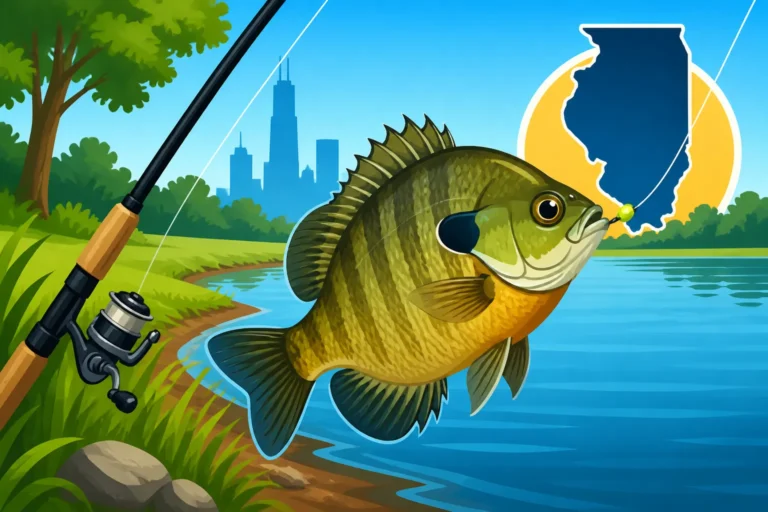
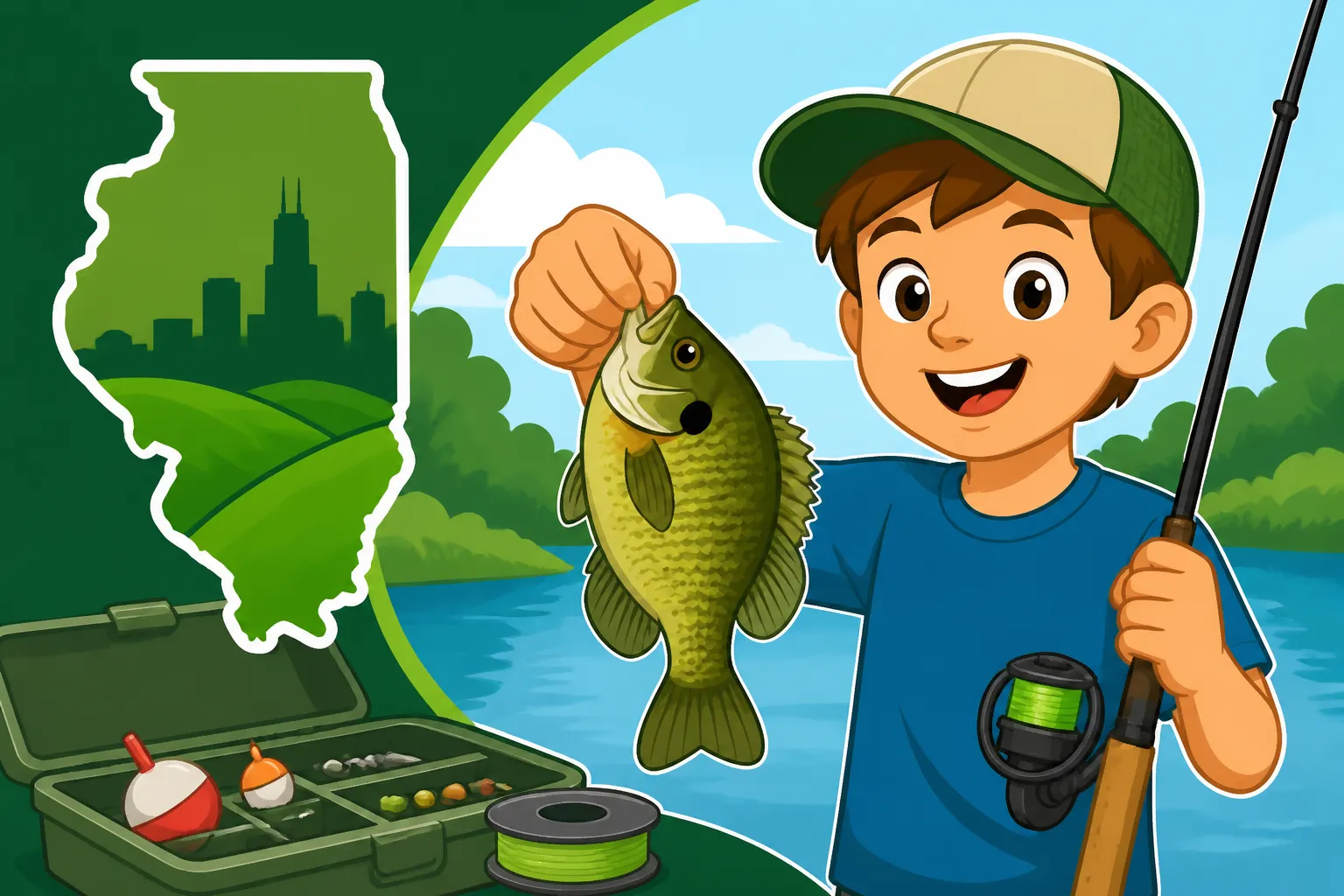
When you're introducing a child to fishing, the goal isn't necessarily to land a monster bass or a trophy walleye right out of the gate. The real win is sparking their interest, making them feel successful, and creating happy memories. That's where panfish truly shine. Species like bluegill, crappie, and various sunfish are abundant across Illinois, readily available in most local ponds, lakes, and slow-moving rivers. They're also notoriously aggressive feeders, which means kids get more bites, more action, and ultimately, more fish in the bucket.
Imagine the sheer delight on a child's face when their bobber dips for the very first time, and they feel that tug on the line. Panfish deliver that excitement consistently. They don't require super-specialized gear or intricate techniques, which makes them ideal for learning the basics of casting, reeling, and baiting a hook. Plus, many panfish are delicious, providing an opportunity to teach kids about ethical harvesting and even cooking their catch! This hands-on experience transforms fishing from just a pastime into a valuable life lesson.
Beyond the immediate thrill, focusing on panfish helps build foundational fishing skills. Kids learn patience, observation (watching that bobber!), and the motor skills required to handle a rod and reel. They also learn about different types of bait, understanding how presentation can make a difference. It's truly the perfect stepping stone before moving onto larger, more challenging species, making panfish the unsung heroes of youth angling. Many experienced anglers still enjoy chasing panfish, proving their universal appeal. If you're looking for Easiest Fish to Catch for Beginners, panfish are definitely at the top of the list.
The Ideal Rod and Reel Combo for Little Hands
Picking the right rod and reel combo is probably the most crucial step in setting up a child for fishing success. Forget about your high-end spinning reels or baitcasters; for kids, simplicity and manageability are paramount. A spincast combo is almost always the best starting point because it’s incredibly easy to use and minimizes tangles, which can quickly lead to frustration for a young angler.
Understanding Spincast Combos for Kids
A spincast reel, often called a "push-button" reel, is designed with a closed face, meaning the spool of line is completely enclosed. To cast, a child simply presses and holds a button, then releases it during the forward swing of the cast. This mechanism prevents the common bird's nests and backlashes that can plague open-faced spinning reels, especially for beginners. The internal components are generally robust enough to handle the inevitable drops and bumps that come with a child's gear. Look for a combo where the reel comes pre-spooled with decent quality monofilament line, usually 4-6 pound test, which is perfect for panfish.
When it comes to the rod itself, shorter is better for kids. A rod between 4 feet and 5 feet 6 inches is typically ideal, allowing them to handle it comfortably without it feeling too heavy or cumbersome. A shorter rod also makes it easier to cast accurately, especially if they're fishing from a dock or the bank where space might be limited. The rod action should be light to medium-light, which means it will bend easily under the weight of a small panfish, making even a tiny bluegill feel like a trophy. Many popular brands offer youth-specific combos that are brightly colored and sized perfectly, often available on platforms like Amazon, making them easy to find and compare.
Age-Appropriate Rod Lengths and Weight
Matching the rod length to your child's age and height can make a huge difference in their comfort and ability to learn proper casting techniques. A rod that's too long or too heavy will quickly lead to fatigue and make casting feel like a chore rather than fun.
For the youngest anglers, say ages 3-6, a 2-foot to 3-foot micro spincast rod is often best. These are incredibly lightweight and designed for very short casts, perfect for dropping a bait right next to the bank or off a shallow dock. As they grow, moving up to a 4-foot rod for ages 6-9 provides a bit more casting distance and versatility. For older kids, roughly ages 10-12, a 5-foot to 5-foot 6-inch rod will feel natural, giving them more leverage and control. Many parents find that starting with a smaller rod and graduating to slightly longer ones as the child grows helps maintain their enthusiasm and sense of accomplishment. You might consider a combo with a cartoon character on it for the youngest ones, making it feel more like a toy and less like a serious piece of equipment, but as they get older, a more "grown-up" looking rod might be preferred.
Here's a quick reference for choosing the right rod length:
| Child's Age Range | Recommended Rod Length | Key Features |
|---|---|---|
| 3-6 years | 2-3 feet | Lightweight, very easy to handle, for short casts, often themed. |
| 6-9 years | 4 feet | Good balance, allows for slightly longer casts, still very manageable. |
| 10-12 years | 5-5.5 feet | Increased casting distance and control, prepares for adult gear. |
| 13+ years | 5.5-6 feet (or adult) | Closer to standard adult spinning gear, more versatile for different species. |
Remember, the goal is for the child to be able to hold the rod comfortably with one hand, or at least without struggling to balance it. If you're unsure, it's always better to err on the side of a slightly shorter and lighter rod. You can always upgrade later, but a frustrating first experience can sour them on fishing for good.
Basic Tackle and Rigging for Panfish
Once you have the rod and reel sorted, the next step is assembling the basic tackle. Again, simplicity and effectiveness are the guiding principles here. You don't need a huge tackle box filled with hundreds of lures. A few essential items will cover almost all panfish scenarios. Learning How to Rig a Bobber for Bluegill is probably the first fundamental skill for any new angler.
Bobbers, Weights, and Hooks: The Essential Trio
The classic bobber-and-bait setup is king for kids chasing panfish. A bobber, often bright red and white, serves multiple purposes: it keeps the bait suspended at a desired depth, and most importantly, it visually signals a bite. When that bobber dips, your child knows it's time to reel! For panfish, small round bobbers or slip bobbers are great. The round snap-on kind are super easy for kids to attach and detach.
Below the bobber, you'll need a split shot weight. These small, pinch-on weights help sink your bait and keep it in the strike zone. Just one or two small split shots, usually size #7 or #5, are sufficient for panfish, ensuring the bait slowly sinks without pulling the bobber completely under. Too much weight, and the fish might feel resistance and drop the bait.
Finally, the hook. For panfish, small, sharp hooks are key. Size 8 or 10 Aberdeen hooks are a fantastic choice. They're thin-wired, which makes them less visible, and their long shank makes it easier to remove the hook from a panfish's mouth without damaging the fish (or your child's fingers). Barbless hooks are also an excellent option, especially for catch-and-release, as they simplify unhooking and cause less harm to the fish. You can find pre-packaged assortments of hooks, weights, and bobbers on Amazon or at any local bait and tackle shop, making it super convenient.
Best Baits for Panfish
Panfish aren't picky eaters, which is another reason they're perfect for kids. Live bait is almost always the most effective and exciting option. There’s something magical about watching a wiggling worm get snatched up!
Classic Live Baits:
- Worms: Red wigglers or nightcrawlers (cut into smaller pieces for smaller mouths) are irresistible to bluegill, sunfish, and even crappie. They’re easy to find and keep.
- Mealworms/Waxworms: These are fantastic for bluegill and smaller sunfish, and they’re less messy than worms. Many anglers will tell you How to Rig a Wax Worm Under a Bobber for Bluegill for maximum effectiveness.
- Minnows: Small minnows are a crappie and yellow perch magnet. You’ll need a slightly larger hook (size 6 or 8) if you're targeting crappie specifically with minnows.
Artificial Alternatives:
While live bait is usually best for consistent action with kids, a few artificial options can work, especially if you want to avoid handling worms. Small inline spinners or tiny jigs (1/32 to 1/16 oz) tipped with a piece of PowerBait or a small plastic grub can entice panfish. These require a bit more active fishing (casting and slowly retrieving), which can be a good next step once a child has mastered the bobber setup. However, for sheer excitement and consistent bites, live bait usually wins, making it the top recommendation for a beginner panfish setup for kids. If you want to know more about bait, check out our guide on Best Bait for Bluegill Fishing.
Essential Accessories for a Successful Kids' Fishing Trip
Beyond the rod, reel, and tackle, a few essential accessories can dramatically improve the comfort, safety, and overall enjoyment of a kid's fishing trip. These are the things that prevent minor annoyances from becoming major meltdowns.
Comfort and Safety First
Any time you're taking kids outdoors, sun protection is paramount. Wide-brimmed hats, sunglasses, and plenty of sunscreen should be at the top of your checklist. Even on cloudy days, harmful UV rays can get through, and sunburn can quickly ruin an otherwise fun day. Comfortable clothing, appropriate for the weather, is also key. Layers are always a good idea in Illinois, as conditions can change rapidly.
Hydration is also critical, especially during warmer months. Pack a cooler filled with water bottles, juice boxes, and some healthy snacks. Hungry or thirsty kids are not happy campers, and you want to keep their energy levels up for all that casting and reeling! Consider bringing a small, collapsible chair or blanket if you plan to fish from the bank, giving them a comfortable spot to rest between bites. These small comforts go a long way in making the experience positive.
A first-aid kit, even a basic one with band-aids, antiseptic wipes, and pain relievers, is also a smart addition. Minor scrapes, bug bites, or a tiny prick from a hook can happen, and being prepared means a quick fix and getting back to fishing faster. For water safety, especially if you're on a boat or near deeper water, ensure children wear properly fitted life jackets. You can learn more about requirements in our article, Illinois Life Jacket Rules for Children Under 13.
Tools for Handling Fish and Gear
A small landing net can be a lifesaver, particularly when a child hooks a feisty panfish. It prevents dropped fish, makes landing them easier, and minimizes direct handling of the fish, which can be slippery and sometimes have sharp fins. Look for a net with a rubberized or knotless mesh, as this is gentler on the fish if you plan to release them.
A pair of needle-nose pliers or a hook remover tool is invaluable for safely extracting hooks, especially from deeper-set catches. Teach your child how to use it safely, or be ready to assist. This prevents bent fingers and torn fish mouths. And, of course, every young angler needs a fish stringer or a small bucket with water to keep their catch fresh if you plan to take them home. This also allows them to admire their catches throughout the day, building excitement with each addition. Many kids absolutely love having their own little tackle box or bag to keep their bobbers, weights, and hooks organized. You can find simple, kid-friendly tackle box options on Amazon that make it easy for them to access their gear independently. For more storage and organizational tips, check out Tackle Box Organization for Panfish Trips.
Remember, the aim is to foster a love for fishing and the outdoors. By choosing the right simple gear, focusing on abundant panfish, and prioritizing comfort and safety, you’re not just teaching them to fish—you’re creating cherished memories and building a foundation for a lifelong passion.
Disclaimer
This article is for general informational purposes only and does not constitute professional advice. Laws, prices and regulations vary by location and change over time. Consult a qualified professional for guidance on your specific situation.