How to Catch Walleye From the Bank
It can be incredibly frustrating to see photos of anglers pulling in massive walleye from boats, while you’re stuck on shore wondering if these elusive fish ever come within casting distance of the bank. You’ve likely tried casting a few times from a pier or riverbank with little luck, leaving you feeling like walleye fishing is strictly a boat-only sport. But I’m here to tell you that’s simply not true! This guide will empower you with the knowledge and techniques to successfully target and catch walleye right from the bank here in Illinois, proving that shore fishing can be just as rewarding.
Understanding Walleye Behavior from Shore
Catching walleye from the bank isn't about luck; it's about understanding these fish and adapting your approach. Walleye are predators, and like all predators, they're looking for two things: food and cover. When you're fishing from shore, you need to think like a walleye and figure out where they'd be waiting for an easy meal or seeking refuge from brighter conditions.
Where Walleye Hide Near the Bank
Walleye aren't generally going to be milling about in wide-open, shallow areas during the day. They prefer structure that offers them ambush points or a break from strong currents, especially when the sun is high. Think about what kinds of features are accessible from shore.
- Rocky Points and Riprap: These areas are goldmines. Rocks absorb heat, attracting baitfish, and they create currents and eddies where walleye can wait. From a pier or a prominent point along a lake or river, you can cast parallel to the riprap or out into deeper water just off the point. The rough texture of the rocks also provides excellent cover for these light-sensitive fish.
- Drop-offs and Ledges: If you can identify areas where the bank quickly drops into deeper water, you've found a prime walleye spot. Walleye will often cruise these transition zones, moving up from the depths to feed in shallower water during low light conditions, or retreating to the deeper water as the sun comes up. Bridges, causeways, and dam spillways often offer good access to these kinds of depth changes.
- Current Breaks: On rivers, current breaks are absolutely vital. Look for areas where the main flow is disrupted by a submerged log, a large boulder, or a bend in the river. Walleye will sit just out of the main current, conserving energy while waiting for baitfish to be swept past them. Bridge pilings and wing dams, common along the Mississippi River, are perfect examples of these current-breaking structures accessible from shore.
- Submerged Cover: While harder to spot from the bank, any submerged timber, brush piles, or weed lines (especially sparse ones on deeper edges) can hold walleye. These spots provide both cover and ambush opportunities. If you know a spot has submerged trees from previous experience or by using a portable fish finder, it's worth targeting.
The key is to cast not just into these areas, but along them, trying to present your bait or lure naturally to any lurking walleye. Remember, even a small patch of weeds or a slight change in bottom contour can be enough to hold a hungry walleye.
Seasonal Movement and How it Affects Bank Fishing
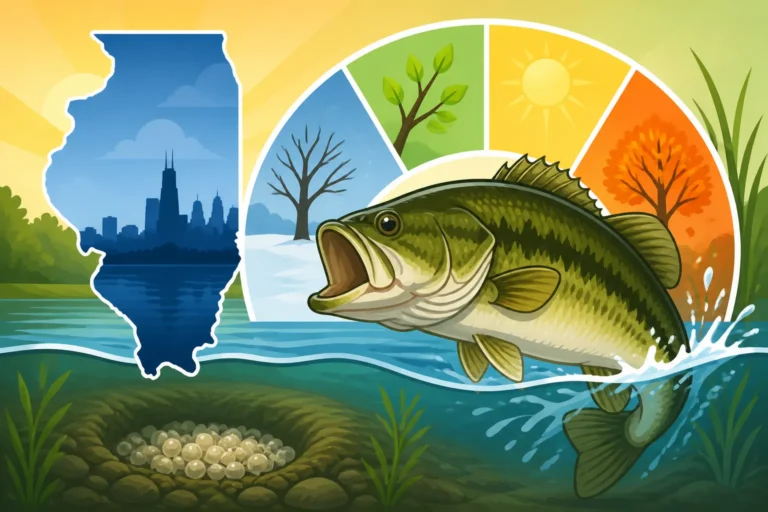
Walleye are highly migratory, and their movements are largely dictated by water temperature and spawning cycles. Understanding these seasonal shifts is crucial for bank anglers.
- Spring (Pre-Spawn and Spawn): This is often the most accessible time for bank walleye fishing. As ice thaws and water temperatures climb, walleye move into shallower waters to stage for their spawn, typically when water temperatures are in the 40s to low 50s Fahrenheit. They'll concentrate near river mouths, rocky shorelines, and feeder creeks. This is when they're most vulnerable to shore anglers, as they are actively feeding and can be found closer to the bank. After spawning, they'll often linger in these shallower areas for a bit, recovering and feeding before moving deeper.
- Summer: During the heat of summer, walleye generally retreat to deeper, cooler water during the day. This doesn't mean they're impossible to catch from shore, but it usually means focusing your efforts on very specific times and locations. Night fishing becomes incredibly effective, as walleye will move onto shallower flats, humps, and points under the cover of darkness to feed. Look for deeper access points during the day, like those found on certain public piers or dam areas.
- Fall: As water temperatures begin to drop again, walleye become very active feeders, putting on weight for the upcoming winter. They'll often return to shallower points, humps, and structure, making them more accessible from the bank, especially during overcast days or low light. This "fall bite" can be just as good, if not better, than the spring bite in many Illinois waters.
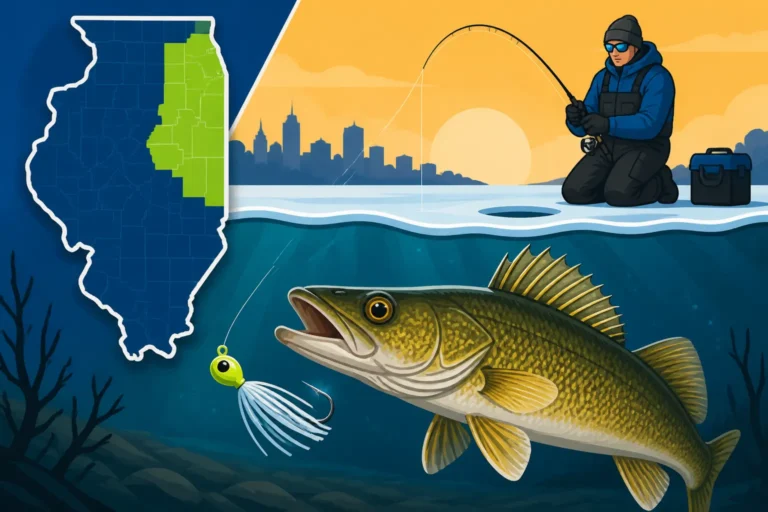
- Winter: While bank fishing typically slows down or stops in winter due to ice, it's worth noting that walleye, if still in open water, will hold in the deepest parts of lakes and rivers. If you have access to a deep-water pier or a river that remains open, very slow presentations near the bottom can sometimes entice a bite. For those looking to fish during this colder period, you might want to consider Illinois Ice Fishing Gear Basics when the conditions are right. For a more general overview of when to chase various species, check out our Illinois Fishing Seasons Guide.
Understanding these movements will help you decide when and where to cast your line from shore. Don't be afraid to experiment with different depths and retrieves depending on the season and time of day.
Essential Gear for Bank-Fishing Walleye
You don't need a boatload of expensive equipment to catch walleye from the bank, but having the right tools for the job will definitely increase your success. Think durability, sensitivity, and casting distance.
Rods, Reels, and Line for Distance and Feel
When you're confined to the bank, casting distance is often crucial, as is the ability to detect subtle walleye bites.
- Rods: I typically recommend a medium-light to medium power spinning rod, anywhere from 7 to 9 feet in length. The longer rod aids in casting farther and also helps with line management when you're fighting a fish from an elevated position like a pier. A fast action tip is critical for feeling those light walleye bites and setting the hook effectively. Graphite rods offer the best sensitivity, which is paramount for walleye fishing. You're looking for something that has enough backbone to handle a good-sized walleye but is sensitive enough to transmit every bump and tick.
- Reels: A reliable spinning reel in the 2500-4000 series size is ideal. Look for a reel with a smooth, consistent drag system, as walleye can make strong runs. Brand names like Shimano, Daiwa, or Penn are always good choices for their quality and durability, but there are many other great options out there. The key is a reel that balances well with your rod and can hold enough line for long casts.
- Line: This is where things get a little more nuanced.
- Braided Line: For your main line, 10-20 lb test braided line is an excellent choice. Braid offers superior casting distance, incredible strength for its diameter, and most importantly, zero stretch. That lack of stretch means you'll feel even the faintest tap from a walleye. It's also great for cutting through weeds and abrasive cover.
- Fluorocarbon Leader: Because braid can be highly visible in clear water, and because walleye can be line-shy, it's almost always a good idea to tie on a 6-10 lb test fluorocarbon leader, typically 3-6 feet long. Fluorocarbon is nearly invisible underwater, more abrasion-resistant than mono, and still offers decent sensitivity. You can find quality fluorocarbon leaders on Amazon or at your local tackle shop.
- Monofilament: While braid and fluorocarbon are generally preferred, a good quality 8-10 lb test monofilament line can work, especially in stained water. It offers a little more stretch, which can be forgiving with aggressive hooksets, but you'll sacrifice some sensitivity and casting distance compared to braid.
Must-Have Baits and Lures for Shore Anglers
Walleye can be finicky eaters, so having a versatile selection of baits and lures is crucial. You'll want options for both active presentation and more passive, "sit and wait" scenarios.
- Live Bait: This is often king for walleye, especially when they're not aggressively feeding.
- Minnows: Golden shiners, fatheads, or small chubs are fantastic. They can be fished under a slip bobber or on a bottom rig.
- Leeches: Often overlooked, leeches are incredibly durable, active, and walleye love them. They work well under a bobber or on a simple jig head.
- Nightcrawlers: A classic for a reason. Thread a whole or half nightcrawler onto a hook with a worm blower or a small piece of foam for buoyancy, or tip a jig with a piece.
- Lures:
- Jigs: These are perhaps the most versatile walleye lures for bank anglers.
- Bucktail Jigs: Effective for imitating baitfish. Vary weights from 1/8 oz to 1/2 oz depending on depth and current.
- Soft Plastic Jigs: Paddle tails, curly tails, and fluke-style baits rigged on a jig head. Colors like white, chartreuse, natural minnow, and purple are great starters. Consider something like the Walleye Jigging Techniques for specific approaches.
- Crankbaits:
- Diving Crankbaits: For covering water and reaching deeper fish. Look for models that dive to 5-15 feet on a retrieve.
- Lipless Crankbaits: Great for covering shallower flats or working over submerged vegetation.
- Shad Raps: A classic choice, often effective in a variety of conditions.
- Spoons: Casting spoons, especially in silver, gold, or flashy colors, can be effective for imitating injured baitfish. Great for long casts.
- Blade Baits: These vibrating metal lures are excellent for vertical presentations from a pier or jigging off the bottom, creating a lot of flash and vibration.
- Jigs: These are perhaps the most versatile walleye lures for bank anglers.
When selecting lures, always consider water clarity. Brighter, flashier colors for murky water; more natural, subtle colors for clear water. Have a variety of weights for jigs to adapt to current and depth.
Proven Techniques for Catching Walleye from Shore
Bank fishing for walleye requires a different mindset than boat fishing. You need to maximize your limited casting angles and make every presentation count.
Jigging and Retrieving from the Bank
Jigging is arguably the most effective technique for shore anglers targeting walleye. It allows you to cover different depths and mimic baitfish or crawfish.
- Cast-and-Retrieve Jigging: This is the bread and butter for many bank anglers. Cast your jig out, let it sink to the bottom (or just above), and then retrieve it with a series of hops, drags, or sweeps.
- "Lift and Drop": After your jig hits the bottom, lift your rod tip sharply a foot or two, then immediately drop it, allowing the jig to fall back on a semi-slack line. Most bites happen on the fall.
- "Dragging": Cast out, let your jig sink, and then slowly drag it along the bottom with your rod tip, pausing occasionally. This is especially effective with soft plastics that imitate crawfish or injured baitfish.
- "Swimming": With paddle tail or curly tail soft plastics, a steady, slow retrieve just above the bottom can be deadly, mimicking a swimming baitfish.
- Vertical Jigging (from Piers/Bridges): If you're fishing from a high pier, bridge, or dam where you have access to deeper water directly below, vertical jigging can be incredibly effective. Drop your jig straight down, let it hit bottom, and then subtly lift and drop, keeping it in the strike zone. This is particularly useful in areas with strong current or deep holes.
- Varying Retrieves: Don't be afraid to experiment! Walleye can be particular. Try faster retrieves, slower retrieves, longer pauses, shorter hops. Pay attention to what feels right and what gets a bite. The moment you feel a light tap or any unusual pressure, set the hook! Walleye are notorious for their soft bites.
Setting Up for Still Fishing with Live Bait
Sometimes, the walleye just want an easy meal presented to them without much fuss. This is where live bait and patience come in.
- Bottom Rigs: These are excellent for presenting live bait on the bottom, especially in rivers or deeper lake sections.
- Carolina Rig: Use a slip sinker (egg sinker or bullet sinker) above a swivel, with a 1-3 foot fluorocarbon leader and a hook (octopus or circle hook) at the end. The slip sinker allows the walleye to pick up the bait without feeling the weight, giving you a better chance to feel the bite. This rig is great for fishing over rocky or moderately snaggy bottoms.
- Slip Sinker Rig: Similar to a Carolina rig but often simpler. A walking sinker or egg sinker slides freely on your main line, tied to a hook with or without a small barrel swivel a foot or so above the hook. This is a very common and effective setup.
- Bobber Rigs: While not always associated with walleye, a slip bobber rig can be incredibly effective, especially in shallower areas or over submerged cover where you want to keep your bait just off the bottom.
- Slip Bobber: This allows you to easily adjust your fishing depth without having a fixed bobber sliding up your line. Set your bobber stop at the desired depth (e.g., a foot off the bottom). This keeps your live minnow or leech suspended, dancing tantalizingly in the current or above structure. They’re excellent for fishing around brush piles, weed edges, or rocky outcroppings.
- Fresh Bait is Key: Always use the freshest, liveliest minnows or leeches you can find. A dying bait won't attract nearly as much attention. Keep your live bait well-aerated and at a stable temperature.
Reading the Water and Adjusting Your Approach
Being a successful bank angler means being a keen observer and a flexible thinker. The water is constantly changing, and so should your strategy.
- Current: In rivers, current is everything. Walleye will position themselves in current breaks. If the current is strong, use heavier jigs or sinkers to get your bait down. If it's slow, lighter presentations are better. Learn to cast upstream and let your bait drift naturally into suspected holding areas.
- Wind: Wind can be your friend or foe. A light chop on the water surface can break up light penetration, making walleye more comfortable feeding in shallower areas, even during the day. However, strong winds can make casting difficult and create too much slack in your line, hindering bite detection. If it's windy, try casting with the wind to gain distance, or seek out sheltered coves or lee sides of structures.
- Water Clarity: This dictates your lure choice. In clear water, subtle colors (greens, browns, clear with glitter) and natural presentations are best. In stained or murky water, brighter colors (chartreuse, orange, white) and lures that create more vibration and flash are more likely to be noticed. After a heavy rain, the water might be muddy, so consider How to Fish Muddy Water After Rain impacts your approach.
- Light Conditions: Walleye are highly sensitive to light. This is why dawn, dusk, and nighttime are often the best times to fish for them. Overcast days are also excellent. On bright, sunny days, walleye will generally be in deeper, shadier areas or tight to cover.
- Patience and Persistence: Walleye fishing often isn't fast-paced. You might have to make many casts, try different retrieves, or move spots before you find them. Don't get discouraged! A persistent angler who pays attention to what the water is telling them will eventually be rewarded.
Best Times and Locations for Illinois Bank Walleye
Illinois offers a fantastic range of fishing opportunities, and with the right approach, many of these can be excellent for bank-fishing walleye. Knowing when and where to cast your line is half the battle.
Prime Times of Day and Year for Walleye Action
As mentioned before, walleye are very light-sensitive, which means certain times are inherently better for bank fishing.
- Low Light Conditions: Without a doubt, the periods around dawn and dusk are prime for walleye from the bank. As the sun rises or sets, walleye feel more comfortable moving into shallower feeding grounds. These hours are often magical for bank anglers.
- Night Fishing: This is a secret weapon for bank walleye, especially during the summer. Under the cover of darkness, walleye will move incredibly shallow, making them highly accessible to shore anglers. Focus on areas they might hold during the day, like drop-offs and structure, but expect them to cruise the adjacent shallows. Use glow-in-the-dark jigs or black crankbaits (which provide a strong silhouette against the moonlit sky) for great success. Just make sure to bring a headlamp and be mindful of your surroundings for safety.
- Overcast Days: A consistently cloudy day can extend the "prime time" throughout the entire day, as the reduced light penetration mimics dawn and dusk conditions. These are excellent days to hit the bank.
- Seasonal Peaks:
- Spring (March-May): As fish move into pre-spawn and spawning areas, they are more concentrated and shallower. Many rivers and larger lakes with accessible rocky banks can be fantastic. You can learn more about this period in Illinois Walleye Fishing: The Complete Guide.
- Fall (October-November): Walleye feed aggressively before winter, and are often shallower during low light. This is another excellent season for strong bank action.
Be sure to check Illinois Fishing Seasons Guide for broader information on when different species are most active.
Identifying High-Potential Bank Spots in Illinois
While I can't name specific honey holes, I can tell you what kinds of spots consistently produce walleye for bank anglers across Illinois.
- Rivers with Structure: The Illinois River, Kankakee River, and especially the Mississippi River (particularly the northern stretches for walleye and sauger) offer fantastic bank fishing opportunities. Look for public access points near:
- Dam Areas: Just below dams, the turbulent water creates current breaks and deep holes that walleye absolutely love. Always be aware of safety and restricted zones.
- Bridge Pilings: The pilings create current seams where walleye wait to ambush prey.
- Wing Dams and Revetments: These structures, often found on the Mississippi, redirect current and create prime ambush spots.
- Rock Piles and Outcrops: Any natural or man-made rock structure along a riverbank is worth investigating.
- Lake Points and Causeways: On larger reservoirs like Lake Shelbyville or Clinton Lake, look for prominent points that extend into the main lake or long causeways (like those found on many state park lakes) that offer deep-water access. These areas often have riprap or rocky bottoms and can be excellent walleye magnets.
- Public Piers and Docks: While often busy, public piers, especially those on deeper lakes or rivers, can be great for walleye. They often extend into deeper water and provide shelter for baitfish, which in turn attracts walleye. Try jigging straight down or casting parallel to the pier.
- Power Plant Discharge Areas: Some lakes feature warm water discharges from power plants. These areas can hold fish year-round, including walleye, as they seek warmer water in colder months or simply more active baitfish.
- Reservoir Spillways and Tailwaters: Similar to river dams, the areas below reservoir spillways can concentrate walleye, especially during periods of water release when baitfish are disoriented.
Before heading out, always consult the Illinois Fishing Regulations Overview for the specific body of water you plan to fish. Remember that Illinois Walleye Size and Catch Limits and the Illinois Walleye Minimum Size Limit of 14 Inches are statewide rules, but some waters may have different limits, such as a Illinois Walleye Six-Fish Daily Limit on Select Waters. Knowing these rules beforehand saves a lot of headaches!
By understanding walleye behavior, equipping yourself with the right gear, mastering effective techniques, and knowing where and when to target them from shore, you’ll be well on your way to adding walleye to your bank-fishing trophy list here in Illinois.
| Bait/Lure Type | Best Conditions / Walleye Mood | Pros for Bank Anglers | Cons for Bank Anglers |
|---|---|---|---|
| Live Minnows | Finicky, slow bite, clear water | Natural presentation, irresistible scent | Requires aeration, can be expensive, easily stolen |
| Live Leeches | Tough conditions, versatile | Very durable, active, long-lasting | Can be harder to find, sometimes slower bites |
| Nightcrawlers | All-around, stained water, general | Widely available, easy to rig | Less durable, can be picked apart by panfish |
| Jigs (Soft Plastic) | Active fish, searching, all depths | Versatile, cost-effective, various colors | Easy to snag, can be missed on subtle bites |
| Jigs (Bucktail) | Aggressive fish, current, structure | Durable, good vibration, classic walleye catcher | Limited color options, can be expensive |
| Diving Crankbaits | Active fish, covering water, deeper | Great for searching, reaches depths, triggers reaction | Can get snagged easily, less "feel" for bottom |
| Lipless Crankbaits | Shallow flats, aggressive fish | Covers water quickly, good vibration, loud | Prone to snagging in weeds, less depth control |
| Spoons | Long casts, aggressive fish | Excellent for distance, good flash, imitates baitfish | Can be heavy, limited action on slow retrieves |
| Blade Baits | Vertical jigging, current, deep | High vibration, compact, good for current | Best from piers or elevated banks, easy to snag |
Disclaimer
This article is for general informational purposes only and does not constitute professional advice. Laws, prices and regulations vary by location and change over time. Consult a qualified professional for guidance on your specific situation.