How to Jig for Crappie in Shallow Water
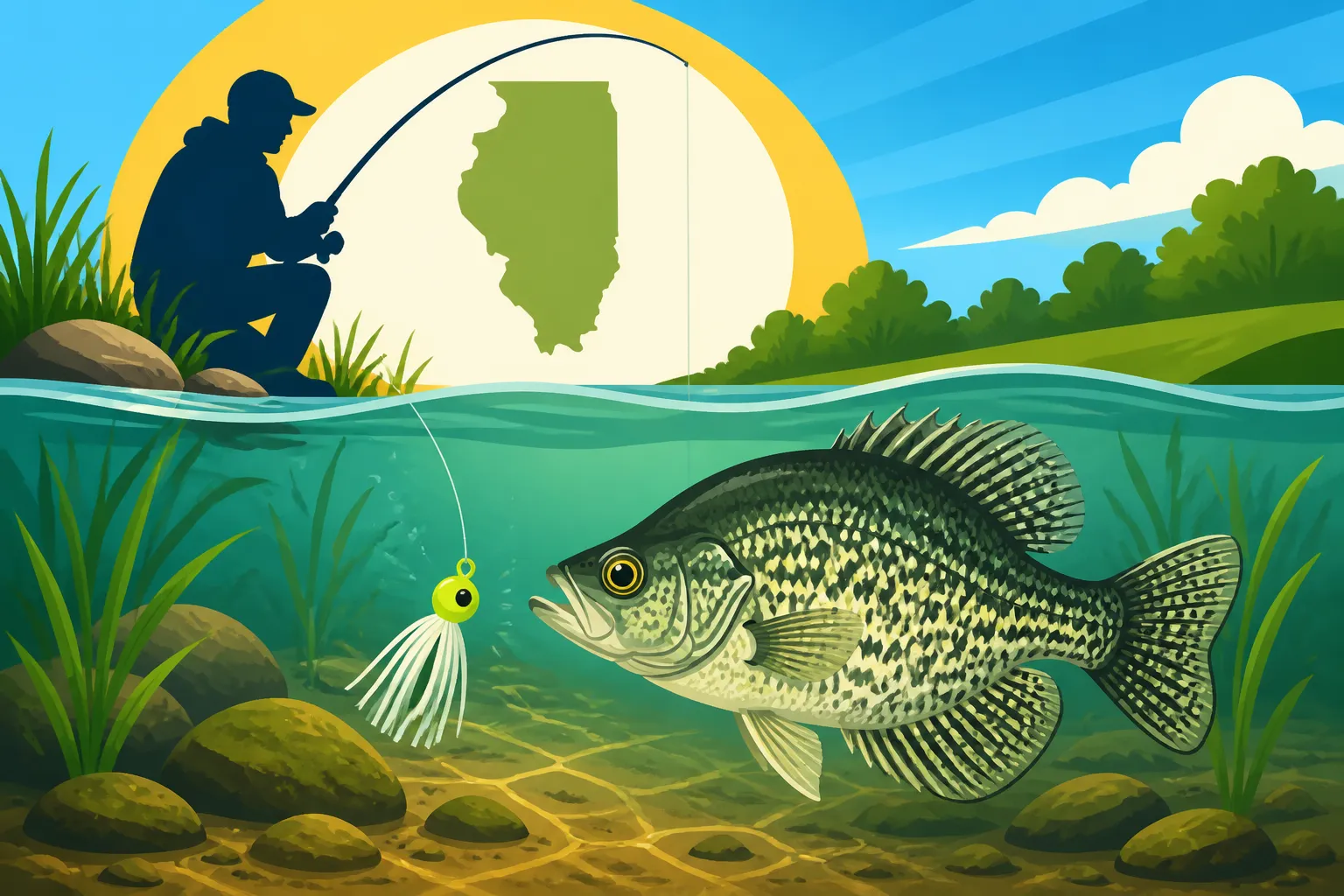
There’s nothing quite as frustrating as seeing what you know are crappie holding tight in shallow water, maybe under a dock or amidst a patch of lily pads, and just not being able to coax a bite. They seem to vanish or spook at the slightest disturbance, leaving you wondering if you're doing something wrong. This comprehensive guide will arm you with the knowledge and techniques needed to effectively jig for crappie in those tricky shallow water scenarios, turning frustration into a full cooler.
Understanding Why Crappie Move Shallow
Crappie, those speckled darlings of the panfish world, aren’t always lurking in deep brush piles. Sometimes, for very good reasons, they venture into the shallows. Understanding why they do this is your first step to unlocking consistent success.
Seasonal Triggers for Shallow Crappie Activity
One of the biggest drivers for crappie to move shallow is the annual spawn. When spring arrives and the water temperatures start to climb into the upper 50s and low 60s Fahrenheit, crappie head to the warmer, protected shallows to lay their eggs. This is prime time to find them in relatively skinny water. But it's not just the spawn. During summer, crappie might push shallow to ambush baitfish, especially during low light conditions like dawn or dusk, or after a rain when insects and nutrients wash into the water. Even in fall, as baitfish migrate to warmer, protected coves, crappie will follow, providing another shallow water opportunity. Keep an eye on our comprehensive guide to Illinois Fishing Seasons Guide to know exactly what to expect throughout the year.
Beyond the spawn, external factors also play a huge role. A sudden warming trend can bring fish up from deeper water, as can consistent sunny days that heat up the shallows. Conversely, a dramatic cold front can push them out just as quickly. Understanding these natural rhythms is crucial for predicting where the crappie will be. For more depth on how these changes affect fish, check out our guide on Water Temperature and Fish Activity Guide.
Key Indicators for Locating Shallow Crappie
Finding shallow water crappie isn't about guesswork; it's about observation. Look for visible cover like fallen trees, submerged logs, brush piles, cattails, lily pads, and even boat docks. These structures offer crappie protection from predators and provide ambush points for unsuspecting baitfish. Crappie also love shade, so areas with overhanging trees or docks are excellent targets. Pay close attention to changes in bottom structure, too – a sudden drop-off near a shallow flat, or a small rock pile, can be a magnet for these fish.
Water clarity is another huge factor. In extremely clear water, crappie can be very spooky, requiring a stealthier approach and longer casts. In stained or slightly murky water, they might be bolder, allowing you to get a bit closer. The best time of day to catch crappie in shallow water often aligns with low light conditions, such as early morning or late evening, or even on overcast days. These periods reduce the sun's glare, making crappie feel more secure in exposed shallow areas.
Essential Gear for Shallow Water Jigging
You wouldn't bring a butter knife to a steak dinner, and you shouldn't bring the wrong gear for shallow water crappie jigging. Precision and sensitivity are the names of the game here.
Choosing the Right Rod, Reel, and Line
For shallow water crappie jigging, you want a light to ultralight spinning setup. Think of a rod between 5 and 6.5 feet long, with a fast or extra-fast action. This action allows the rod tip to bend significantly with minimal pressure, which is critical for detecting those incredibly subtle crappie bites, but still provides enough backbone to set the hook. A sensitive graphite rod is preferable over fiberglass for this very reason. Many anglers find excellent options on Amazon, offering a wide range of sensitive rods perfect for this application.
Pair your sensitive rod with a small, lightweight spinning reel (like a 500 or 1000 series). The key is balance – you want a combo that feels like an extension of your arm, allowing for fatigue-free casting and quick, responsive hooksets. For line, thin is in! Two to four-pound test monofilament or fluorocarbon is ideal. Monofilament offers a bit of stretch, which can be forgiving, while fluorocarbon offers excellent sensitivity and less visibility underwater. Some anglers opt for a braid main line with a fluorocarbon leader for maximum sensitivity and strength, especially when fishing around abrasive cover.
Selecting the Perfect Jigs and Baits
The world of crappie jigs is vast, but for shallow water, you’ll want to focus on smaller profiles and lighter weights.
- Jig Heads: Stick with jig heads ranging from 1/32 to 1/16 ounce. Sometimes, even a 1/8 ounce can be too heavy and cause your bait to fall too quickly, blowing past crappie that are hesitant to move. Lead jig heads are common, but tungsten jig heads offer more sensitivity in a smaller profile, which can be an advantage when trying to feel the lightest bites.
- Soft Plastics: These are your bread and butter. Small tube jigs (1-2 inches), tiny curly tail grubs, and hair jigs are incredibly effective. Brands like Bobby Garland’s Crappie Pro series or Charlie Brewer Slider Grubs are fantastic choices. Look for plastics with subtle action—small tails or appendages that flutter with minimal movement, mimicking injured baitfish. When it comes to color, it can vary by water clarity and forage base. For clear water, natural colors like white, chartreuse, or smoke with glitter often excel. In stained or muddy water, brighter colors like chartreuse, orange, or hot pink might be more visible. We have a dedicated guide on Best Crappie Jig Colors for Stained Water if you want to dive deeper into color theory.
- Live Bait: Don't discount live bait! A small minnow or a wax worm on a 1/32 ounce jig head under a tiny bobber can be absolutely deadly, especially for finicky crappie. However, the art of jigging often involves using artificial lures, giving you more control over presentation.
| Water Clarity | Recommended Jig Head Weight | Recommended Jig Colors | Lure Type Suggestions |
|---|---|---|---|
| Clear Water | 1/32 – 1/16 oz | White, Smoke, Light Green, Blue | Micro tube jigs, tiny hair jigs, realistic minnow imitations |
| Stained Water | 1/32 – 1/8 oz | Chartreuse, Orange, Pink, Black | Curly tail grubs, large profile tube jigs |
| Muddy Water | 1/16 – 1/8 oz | Neon Chartreuse, Hot Pink, Glow | Larger soft plastics, scented baits |
| Overcast Days | 1/32 – 1/16 oz | White, Chartreuse, Silver | Shiny grubs, paddle tail plastics |
Masterful Shallow Water Jigging Techniques
Now that you have the right gear, let's talk about the techniques that will put those crappie in your net. Shallow water jigging is all about subtle presentation and feeling the lightest tap.
The Art of the Cast and Retrieve
When crappie are in shallow water, they're often tucked tight to cover. Your casts need to be accurate and quiet. Avoid splashing your jig down heavily, as this can spook fish. A gentle lob or a precise pitch is usually best. Once your jig is in the water, the retrieve is critical.
- Slow and Steady: Unlike bass fishing, crappie rarely want a fast, aggressive retrieve. Think slow, methodical movements. Cast past your target cover, allow the jig to sink slightly, and then begin a slow, consistent retrieve.
- The "Lift and Drop": This is a classic crappie jigging technique. After your cast, let the jig sink to the desired depth. Then, gently lift your rod tip a few inches, allowing the jig to rise, and then slowly drop it back down, keeping a semi-taut line to feel any bites on the fall. Most bites occur as the jig falls.
- The "Dead Stick": Sometimes, the crappie are so finicky that they want almost no action. In this case, cast your jig near cover, let it sink, and then simply hold your rod still for several seconds, or even up to a minute. The subtle currents and natural buoyancy of the jig will provide just enough movement. A light breeze can even help here, imparting a slight natural wiggle to your line and lure. This technique can be especially effective during a cold front fishing scenario.
Precision Casting and Cover Presentation
Shallow water crappie are almost always associated with some form of cover. Learning to present your jig effectively around these structures is key.
- Pitching and Flipping: For extremely tight cover, like dense brush or under docks, pitching and flipping allow for very accurate, quiet presentations. You're not making a long cast, but rather a short, controlled swing of the rod that drops the jig precisely where you want it. This reduces splash and keeps your bait in the strike zone longer.
- Skipping Docks: Docks are crappie magnets, offering both shade and structure. Learning to skip a lightweight jig under docks, similar to skipping a stone, can get your bait into areas no ordinary cast can reach. This requires practice but is incredibly effective, especially on crowded waters where crappie seek refuge in unreachable spots.
- Vertical Jigging: If you're fishing from a boat and locate a specific brush pile or stump in shallow water, vertical jigging can be highly effective. Position your boat directly over the cover and drop your jig straight down. This allows for pinpoint accuracy and keeps your bait in the fish's face for an extended period. This technique is often used when searching for crappie beds in spring.
Interpreting the Bite and Hookset
Crappie bites can be incredibly subtle, especially in cold or clear water. Don't expect a violent yank on your line.
- The "Tick": Often, you'll feel nothing more than a faint "tick" or a slight pressure on your line. Sometimes, it feels like your line just went slack when it shouldn't have, or like your jig snagged on something spongy. These are all indicators of a crappie bite.
- Visual Cues: If you're using a brightly colored line, you might see the line twitch or straighten slightly. If you're using a bobber (even a tiny one for a dead stick presentation), watch for the slightest dip or wobble.
- The Sweeping Hookset: Because crappie have papery-thin mouths, you don't need a powerful, bone-jarring hookset like you might use for a bass. Instead, a gentle, sweeping motion of the rod tip is usually sufficient. A hard hookset can tear the hook out of their mouth.
Tips for Success and Avoiding Common Mistakes
Beyond the techniques, a few strategic considerations can significantly boost your shallow water crappie success.
Stealth, Observation, and Patience
Crappie in shallow water are naturally more alert and easily spooked.
- Quiet Approach: If fishing from a boat, use your trolling motor sparingly and at low speeds. Avoid banging tackle boxes or stomping your feet. If bank fishing, move slowly and keep a low profile. Check out our guide on How to Catch Crappie From the Bank for more tips.
- Long Casts: Especially in clear water, make longer casts to avoid getting too close to the fish. Polarized sunglasses are your best friend here, helping you spot subtle movements or hidden cover underwater.
- Patience is a Virtue: Sometimes, it takes a few minutes for crappie to get comfortable with your presence or for a jig to settle into the strike zone. Don't rush your retrieve or move on too quickly. Give each spot a fair chance. It's not uncommon to fish an area for 10-15 minutes before crappie decide to bite.
Adjusting for Weather and Water Conditions
Crappie behavior in shallow water is highly dependent on environmental factors.
- Post-Rain Success: After a heavy rain, especially a warm one, crappie can become very active in the shallows as the runoff brings in new food sources. The slightly muddied water can also make them less cautious.
- Cold Front Challenges: A sudden cold front can shut down the bite completely. In these situations, fish often move deeper or become extremely lethargic. You'll need to slow down your presentation even more and focus on vertical jigging right on top of cover. Sometimes, they'll bite, but it will be a barely perceptible "thump." For more details on adapting to tough conditions, check out our insights on How to Catch Bass After a Cold Front, which often applies to crappie too.
- Windy Days: A light chop on the water can actually be beneficial, breaking up the surface and making it harder for crappie to see you, thus reducing their skittishness. However, too much wind can make it difficult to feel those subtle bites and accurately present your jig.
- Time of Day: As mentioned, early morning and late evening are often prime times. The lower light makes crappie feel safer in the shallows. On sunny days, look for deep shade under docks or overhanging trees.
Knowing Where to Go
Illinois is blessed with numerous crappie hotspots. Large reservoirs like Rend Lake, Lake Shelbyville, and Carlyle Lake are renowned for their crappie populations, with expansive shallow water areas and abundant cover. Smaller lakes and even some river backwaters also offer excellent shallow water crappie opportunities. For example, Rend Lake’s Best Spots for Early Spring Crappie are often in its shallower bays and creek arms. You can find more information in our dedicated guide on Best Crappie Fishing Lakes in Illinois.
Final Thoughts on Shallow Water Crappie Jigging
Mastering the art of jigging for crappie in shallow water takes practice, but it's incredibly rewarding. By understanding their seasonal movements, choosing the right ultra-sensitive gear, refining your presentation techniques, and paying close attention to environmental cues, you'll be well on your way to consistent success. Remember, crappie are often right under your nose in the shallows; it's just a matter of convincing them to bite. Keep these tips in mind, and your next outing for crappie will undoubtedly be a more productive one.
Disclaimer
Fishing conditions and regulations in Illinois can change. Always consult the latest Illinois Department of Natural Resources (IDNR) fishing guide before heading out. This article provides general information and recommendations, but it is your responsibility to adhere to all local, state, and federal laws and safety guidelines.