Best Bass Lures for Murky Water
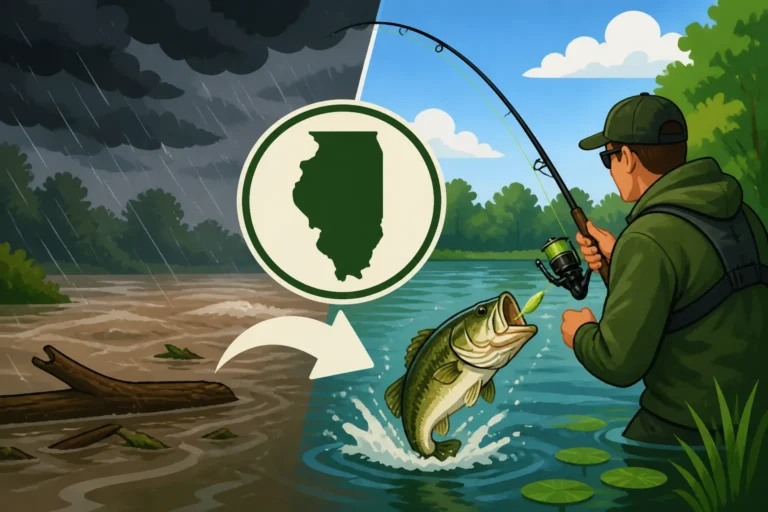
Oh, the age-old dilemma of murky water! It's enough to make any angler, myself included, want to pack up and head home. You pull up to your favorite Illinois fishing spot, all excited for a day on the water, only to find the visibility is about six inches. Frustrating, right? It feels like the bass just vanish. But don't you worry your fishing hat off! This guide is all about cutting through that soupy water and helping you pinpoint the best bass lures that truly shine when the visibility is low, giving you the confidence to fish effectively, even on the toughest days.
Understanding Murky Water Fishing Challenges
Fishing in murky water, whether it's after a heavy rainstorm has muddied up the Sangamon River or you're on a perpetually stained lake in southern Illinois, presents a unique set of obstacles. It's not just about the water looking a bit off; it fundamentally changes how bass behave and, consequently, how we need to fish for them.
Why Murky Water Changes Bass Behavior
Think about it from a bass's perspective. Their world, which relies heavily on sight for hunting prey, suddenly turns into a dimly lit room. Their keen eyesight, usually their primary tool for tracking down a shad or a bluegill, becomes far less effective. This doesn't mean they stop eating, of course, but it forces them to rely much more heavily on their other senses: their lateral line, which detects vibrations and changes in water pressure, and their sense of smell.
When the water clarity drops, bass tend to become less aggressive hunters in open water and more ambush predators, hugging tight to cover like submerged logs, rock piles, or dense weeds. They're waiting for prey to blunder close, relying on sound and vibration to pinpoint their meal before moving in for the strike. This shift in behavior means that your presentation needs to be something they can find and feel, rather than just see. They might also move shallower because light penetration is so poor, seeking out those slightly brighter, warmer zones near the surface.
Key Factors Lures Need in Stained Conditions
Given this change in bass behavior, certain lure characteristics become paramount. When visibility is poor, your lure needs to scream "I'm here!" without necessarily being seen.
First and foremost is vibration. This is huge. The stronger the vibration your lure puts out, the more easily a bass's lateral line can pick it up. This is how they sense prey moving through the water, even if they can't see it. Think about a spinnerbait blade thumping or a crankbait wobbling aggressively.
Next up is sound. Many lures are designed with rattles inside for a reason. That audible clickety-clack can draw bass in from a greater distance, acting as a dinner bell in the dark. Some anglers even add rattles to their soft plastics.
Profile and size also play a critical role. A bigger, bulkier lure creates a larger silhouette against the dim light, making it easier for a bass to visually detect from a short distance. It also displaces more water, enhancing vibration. In extremely murky conditions, a larger profile can be the difference between getting noticed and being completely ignored.
Finally, color still matters, but not in the way it does in clear water. Instead of natural, subtle hues, you're looking for colors that either create a stark contrast or absorb light well to create a definitive silhouette. We'll dive much deeper into specific color choices in a bit, but understand that in murky water, vibrant or very dark colors often outperform those meant to imitate natural baitfish.
Top Lures That Dominate in Murky Illinois Waters
Alright, let's get down to the brass tacks: what lures should you be tying on when the water looks like chocolate milk? From the backwaters of the Illinois River to a rain-swollen Lake Springfield, these are the baits that consistently produce in low visibility.
Spinnerbaits and Bladed Jigs for Vibration and Flash
If there's one lure that every Illinois angler should have tied on when the water gets cloudy, it's the spinnerbait. These things are pure vibration and flash machines. The blades create a huge thumping sensation that bass can't ignore, and the flash, even in murky water, can still catch what little light penetrates, making it briefly visible.
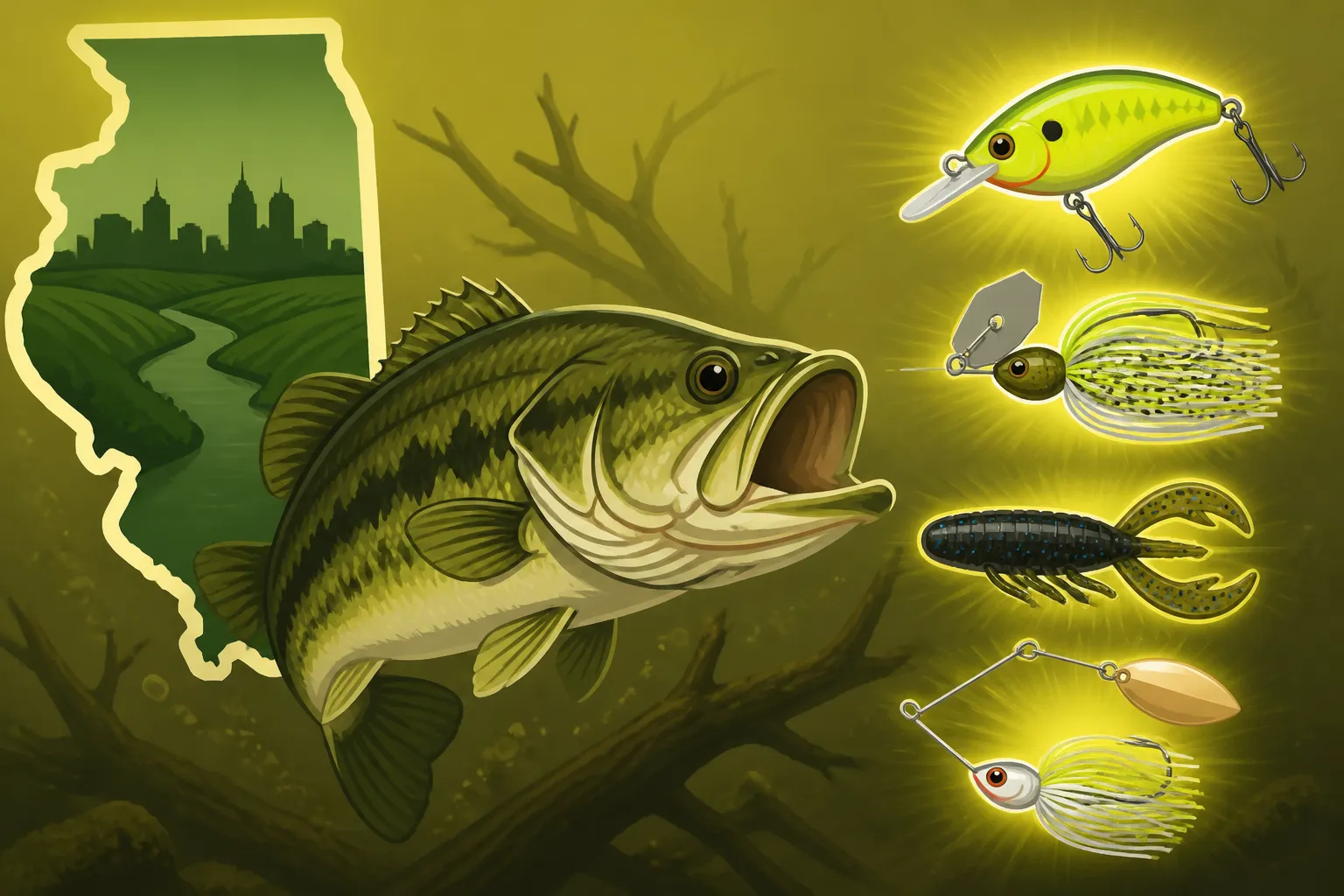
When choosing a spinnerbait for murky conditions, focus on Colorado blades or Indiana blades. Colorado blades are round and wide, creating the most vibration and a slower retrieve speed, which is often ideal. Indiana blades are a hybrid, offering good vibration but also allowing for a slightly faster retrieve. Tandem Colorado or Colorado/Willow leaf combinations work great too, offering a good balance. For colors, don't be shy. Chartreuse, white, or a combination of the two with some blue or black in the skirt are classic murky water producers. Brands like Booyah and Strike King make excellent spinnerbaits that cast well and hold up to strikes.
Bladed jigs, often called Chatterbaits (a popular Z-Man brand name), are another incredible option. That hex-shaped blade upfront gives off a frantic, erratic vibration that bass absolutely despise and attack. They combine the flash of a spinnerbait with the erratic action of a crankbait and the bulk of a jig. These are fantastic for covering water quickly and drawing reaction strikes. Work them around grass lines, flooded timber, or rocky banks. For more tips on getting those bass to bite in the spring, check out our guide on Spring Bass Fishing Patterns.
Dark-Colored Jigs and Creature Baits for Profile and Scent
When bass are tucked tight into cover, waiting to ambush, a jig with a bulky soft plastic trailer can be absolutely deadly. This is where you slow down your presentation, focusing on getting the bait right into their strike zone. The key here is presenting a substantial profile that displaces water and looks like a meal they can't afford to miss.
For jigs, stick with black and blue, junebug, or dark green pumpkin colors. These dark colors create a strong silhouette against the dim light, making them easier for bass to see up close. Pair them with a matching creature bait or a bulky chunk-style trailer. The trailer adds bulk, slows the fall, and provides extra action and vibration. Soft plastic trailers with large claws or appendages, like a Reaction Innovations Sweet Beaver or a Zoom Super Hog, are excellent choices because they move a lot of water.
The slower presentation of a jig also allows you to introduce scent. This is a game-changer in murky water. Many soft plastics come pre-scented, but you can always add a liquid or gel scent, like garlic or crawfish, to your lure. Bass in murky water will often follow a scent trail to your bait before they ever see it. Flipping and pitching jigs into heavy cover is a fantastic way to target these wary fish. If you're new to this, our article on Bass Fishing Techniques for Beginners can offer some great starting points.
Crankbaits for Aggressive Reaction Strikes
Don't count out crankbaits in murky water, especially those with a wide wobble and internal rattles. These lures excel at creating both sound and vibration, drawing strikes from bass that might not otherwise notice a more subtle presentation.
For murky conditions, look for shallow to medium diving crankbaits that have a pronounced, almost clumsy wobble. This wide action pushes a lot of water, which bass can detect with their lateral line. And those internal rattles? They're an absolute must. The louder, the better.
Color selection can be a bit more varied here. You can go with bright colors like chartreuse, firetiger, or bright orange, which stand out visually even in low light. Alternatively, dark, contrasting patterns that create a strong silhouette can also be effective. The main thing is that the lure is noisy and displaces a lot of water.
Retrieve speed is also key. Experiment with slow, steady retrieves, as well as erratic stop-and-go actions to trigger reaction bites. Bumping your crankbait off submerged logs, rocks, or other cover can often illicit a vicious strike, as it mimics a fleeing or injured baitfish. To learn more about selecting the right crankbaits for different situations, check out our guide on Best Crankbaits for Largemouth Bass.
Chatterbaits and Swim Jigs for Versatile Action
We touched on bladed jigs (Chatterbaits) earlier, but they deserve their own dedicated mention due to their versatility and effectiveness. The unique vibration of a bladed jig is truly unmatched. It's not just a thumping; it's a constant, pulsing chatter that radiates through the water, making it incredibly easy for bass to locate, even in the murkiest of conditions.
Pair a bladed jig with a paddle tail swimbait or a craw trailer for added action and bulk. The trailer enhances the lure's profile and provides extra movement that looks natural, even when the bass can't get a clear visual. Colors like black and blue, chartreuse, or even white can be fantastic. Experiment with retrieve speeds—sometimes a steady, medium retrieve is best, other times an erratic twitch-and-pause will get bites. They're also surprisingly weedless, making them great for fishing around emergent vegetation, a common feature in many murky Illinois ponds and lakes.
Swim jigs are another excellent choice for stained water. These are essentially skirted jigs with a streamlined head, designed to be retrieved like a swimbait. They offer a strong profile, especially when paired with a paddle tail swimbait trailer, and are incredibly weedless, allowing you to fish them through dense cover where bass love to hide in low visibility. The bulk and water displacement make them easy for bass to feel, and the skirt provides a subtle, lifelike undulation. Again, dark colors like black and blue or junebug are usually the way to go here. For a deeper dive into jig setups, consider reading How to Rig a Jig for Bass Fishing.
Selecting the Right Colors and Sizes for Low Visibility
Choosing the right color and size in murky water can feel like a guessing game, but there are some fundamental principles that can guide your decisions and drastically improve your success rate.
Bright and Contrasting Colors When Light Penetration is Low
When the water is truly murky, and light penetration is minimal, you want colors that create as much contrast as possible. Think about the opposite of camouflage.
- Chartreuse: This neon yellow-green color is a perennial murky water favorite. It stands out like a beacon, even in very dark water, because it reflects the limited available light quite effectively. Many anglers swear by a chartreuse head on a spinnerbait, or a chartreuse skirt on a jig.
- Bright Orange/Red: These colors can also be highly visible in low light, especially when fish are keyed in on crawfish. A red or orange crankbait, or a jig with a touch of these colors, can trigger strikes.
- White: While not as vibrant as chartreuse, white can be surprisingly effective. It creates a stark contrast against a dark background, making it visible even in stained water. Think of a white spinnerbait skirt or a white bladed jig.
The idea here isn't to perfectly imitate baitfish, but rather to present something that stands out and is easy for a bass to find visually, even if it's just a vague shape.
Dark and Silhouetted Colors for Defined Profiles
On the flip side, sometimes the best approach is to go completely dark. Black and blue is probably the most classic murky water color combination for jigs, creature baits, and even some spinnerbaits.
Why dark colors? In very low light, a dark lure creates a strong, defined silhouette against the brighter surface or whatever faint light exists. Imagine holding a dark object up against a cloudy sky – it stands out clearly. Bass looking up from beneath your lure will see that strong, dark shape, making it easy to spot and identify as a potential meal.
- Black and Blue: This combination is arguably the king of murky water jig colors. The black creates the silhouette, and the blue adds just a hint of contrast and appeal.
- Junebug: A deep purple with green flakes, junebug is another fantastic option for soft plastics. It also creates a dark, appealing silhouette.
- Dark Green Pumpkin: While typically a more natural color, a very dark green pumpkin can also create a decent silhouette and is a good choice if the water is merely stained, rather than completely muddy.
The choice between bright/contrasting and dark/silhouetted can depend on the exact water clarity and the light conditions. Many anglers carry both and experiment to see what the fish prefer on any given day.
Size and Profile Considerations
When it comes to size, generally, bigger is often better in murky water. A larger lure displaces more water, making it easier for bass to detect through their lateral line. It also presents a more substantial target, even if they can only see a vague outline. This isn't to say you should always throw your biggest swimbait, but consider upsizing slightly from what you might use in clear water.
For example, if you typically throw a 3/8 oz spinnerbait, try a 1/2 oz or 3/4 oz. If your favorite creature bait is 3 inches, try one that's 4 or 5 inches. The added bulk and water displacement can make a huge difference in drawing attention. Remember, bass are trying to find your lure, and a larger target is simply easier to locate in a low-visibility environment. Don't forget to keep an eye on the Illinois Largemouth Bass Length Limit and Daily Catch Rules for your specific fishing location.
Advanced Tactics for Murky Water Bass Fishing in Illinois
Having the right lures is only half the battle. How you present them and where you focus your efforts are equally important when fishing stained or muddy waters across Illinois.
Slowing Down and Thoroughly Working Cover
One of the biggest mistakes anglers make in murky water is fishing too fast. Remember, bass are relying on feel and sound, not sight. They need more time to locate your bait. This means slowing down your retrieve and being incredibly thorough in how you work cover.
Instead of casting randomly, focus on high-percentage areas: fallen trees, brush piles, docks, rock veins, and grass lines. Make multiple casts to each piece of cover from different angles. If you're flipping a jig, let it sit on the bottom for several seconds before slowly dragging it. When retrieving a spinnerbait or crankbait, use a slower, steady retrieve that allows the blades or body to generate maximum vibration. Bass might not chase your lure far, so you need to put it right in front of them and keep it there long enough for them to commit. This patient approach is often what separates a successful murky water angler from one who goes home empty-handed.
Incorporating Scent and Sound Attractors
As mentioned earlier, scent and sound become critical in murky water. Don't underestimate their power.
- Scent: You can buy soft plastics that are pre-impregnated with salt, garlic, or other fish attractants. For those that aren't, consider adding a liquid or gel scent to your plastics. Simply apply a generous amount to your worm, craw, or jig trailer. Bass will follow the scent trail, giving them an easier time locating your bait when visibility is low. Many popular fishing scents are readily available on Amazon, making it easy to stock up before your next trip.
- Sound: Many of the best murky water lures, like crankbaits and bladed jigs, come with built-in rattles. But you can also add rattles to your soft plastics or jig skirts. Small glass or plastic rattles can be inserted into soft plastics, or attached to jig skirts, providing that extra auditory cue that can draw a curious bass in for an investigation. Think of it as ringing a doorbell for a bass that can't see the front door.
By combining strong vibration, a prominent profile, and appealing scent and sound, you're giving the bass every possible chance to find and strike your lure, regardless of how dark the water might be. This is particularly effective in places like the Kankakee River, which can get stained after heavy rains. Our Kankakee River Fishing Guide in Illinois has more on this river's unique challenges.
Focusing on Shallow Water and Structure Edges
Bass often move shallower when the water gets murky. Why? Because the poor light penetration means that any light that does get through is concentrated closer to the surface. This can also mean warmer water, which is appealing to bass.
Focus your efforts on areas with shallow cover and along distinct structure edges.
- Shorelines with Cover: Work your way along shorelines that have fallen trees, brush, stumps, or dense weeds. Bass will be tucked tight into these areas.
- Flipping and Pitching: This is where flipping and pitching shine. Get your jig, creature bait, or bladed jig right up against and into the thickest cover you can find.
- Channel Edges and Drop-offs: While bass might be shallower, they still relate to deeper water for safety and easy access to different depths. Fish the edges of channels, drop-offs, and points where shallow water quickly transitions to deeper water. Bass will use these as highways and ambush points.
- Creek Channels and Inflows: Areas where small creeks or ditches flow into a larger lake or river can be hotspots. These often bring in fresh baitfish and can create slight clarity changes, even if the overall water is still murky. For more specific insights on river fishing, take a look at our Illinois River Fishing Guide.
By understanding how bass react to murky conditions and adjusting your lure selection and tactics accordingly, you'll find that those challenging, low-visibility days can actually turn into some of your most rewarding fishing experiences in Illinois.
| Lure Type | Key Murky Water Features | Best Conditions | Example Color/Size |
|---|---|---|---|
| Spinnerbait | High vibration (Colorado blades), flash, bulk | Covering water, around cover | Chartreuse/White (1/2 oz) |
| Bladed Jig | Erratic vibration, prominent profile | Grass lines, shallow cover, reaction | Black & Blue, Chartreuse (3/8-1/2 oz) |
| Jig w/ Trailer | Strong silhouette, bulky profile, scent | Flipping/Pitching heavy cover, slow presentations | Black & Blue, Junebug (1/2 oz) |
| Crankbait | Wide wobble, loud rattles, diving depth | Open water, searching, bumping cover | Firetiger, Chartreuse (medium diver) |
| Swim Jig | Weedless, strong profile, subtle action | Fishing dense grass, wood | Black & Blue, Green Pumpkin (3/8 oz) |
Disclaimer
The information provided in this guide is for general informational purposes only. Fishing regulations, license requirements, and local conditions can change frequently. Always consult the latest Illinois Department of Natural Resources (IDNR) regulations and local advisories before heading out on the water. Stay safe and fish responsibly.