Best Month for Catfish Fishing in Illinois
It can be incredibly frustrating to plan a fishing trip, get all your gear ready, only to hit the water when the fish aren't biting. If you're passionate about landing some hefty catfish in Illinois, knowing when they’re most active is half the battle. This guide will walk you through the prime times to chase channel, blue, and flathead catfish across our diverse Illinois waterways, helping you maximize your chances for a successful outing.
The Golden Window: When Illinois Catfish Truly Shine
If you ask seasoned Illinois anglers about the absolute best time for catfish, you'll hear a pretty consistent answer: the warm months. While you can certainly catch catfish year-round, there's a specific period when they're most aggressive, most abundant, and most willing to take your bait. This period generally aligns with the heart of summer, offering fantastic opportunities for anglers targeting all three major catfish species.
The Peak Season: Summer's Abundant Opportunities
Summer, from late May through early September, truly marks the peak season for catfish fishing across Illinois. As water temperatures climb into the comfortable 70s and even 80s Fahrenheit, the metabolism of catfish kicks into high gear. They become incredibly active, feeding voraciously to fuel their growth and recovery from the spawn. You'll find them spread out more, often moving into shallower waters at dawn and dusk, and holding in predictable deeper channels or near structure during the heat of the day. This is when you're most likely to experience consistent action, whether you're targeting numbers of eating-sized channel cats or looking for a trophy blue or flathead. The long daylight hours also mean more time on the water, which is always a plus!
Why July Takes the Crown for Consistent Action
Among the summer months, July often stands out as the undisputed champion for catfish fishing in Illinois. By this time, the chaotic flurry of the spring spawn has largely settled down, and the catfish are in a post-spawn recovery and feeding frenzy. The water temperatures are consistently warm throughout most lakes and rivers, making catfish extremely comfortable and active across a wide range of depths and locations.
During July, you’ll find channel catfish moving into tributary mouths, current seams, and even cruising shallower flats in the evenings. Blue catfish, especially in larger river systems like the Mississippi or Illinois, will be holding in deeper holes and along ledges, actively hunting. And flathead catfish, often the most elusive, will be aggressively ambushing live bait near logjams, rock piles, and other heavy cover. The stable weather patterns (compared to the unpredictable swings of spring or fall) mean less guessing and more consistent fishing days. It’s a fantastic time for both boat and bank anglers, with many excellent spots in places like the Illinois River offering prime opportunities for a rewarding catch. If you can only pick one month to dedicate to catfish, make it July.
Understanding Catfish Behavior Through the Seasons
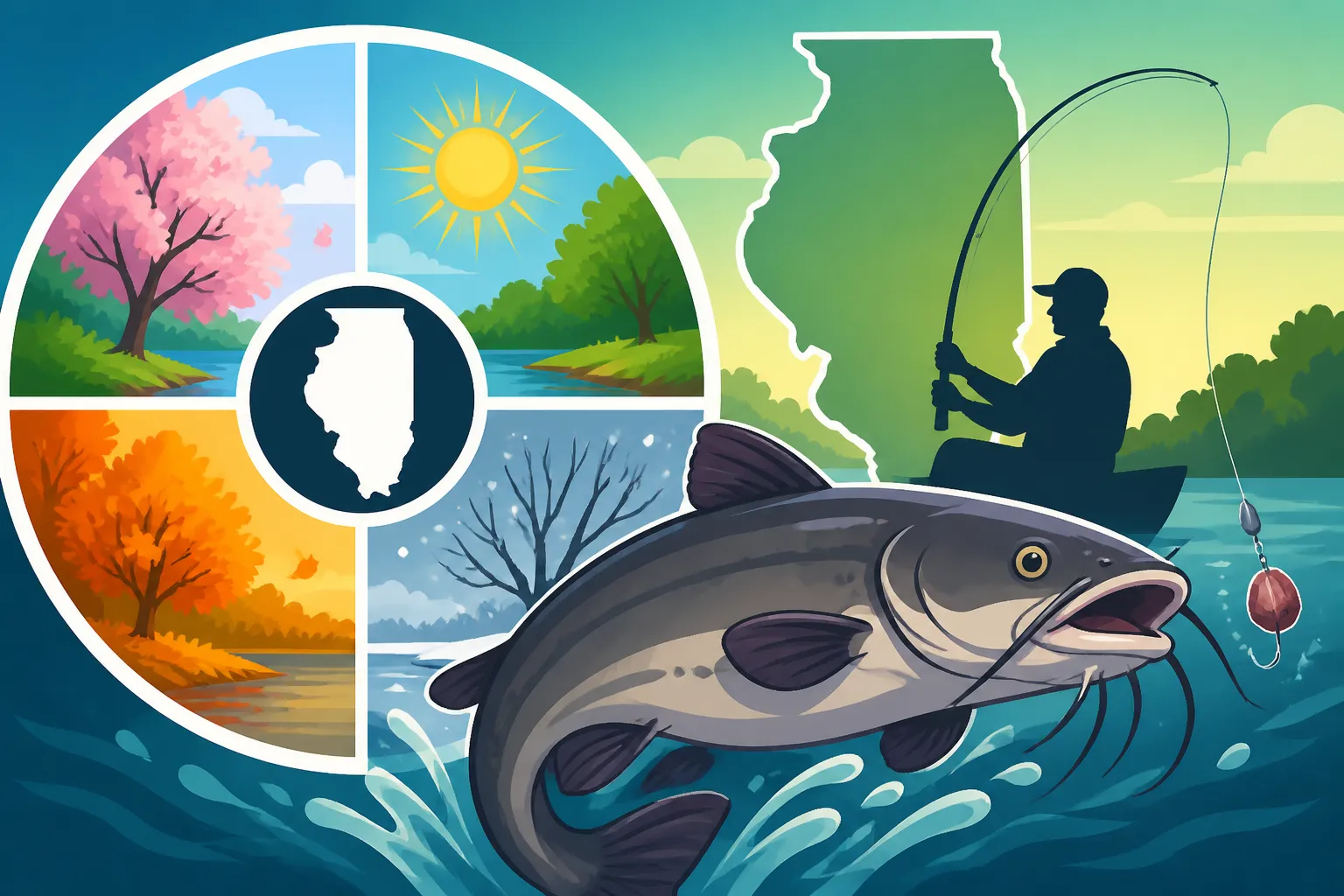
Catfish, like most fish, adapt their behavior to the changing seasons, primarily driven by water temperature and food availability. Understanding these patterns is key to knowing where and when to present your bait effectively, no matter the time of year.
Spring: Pre-Spawn Feasting and Early Action (April-May)
As the ice retreats and spring truly sets in around April and May, Illinois catfish begin to stir from their winter doldrums. This is the pre-spawn period, and it's a fantastic time to target them. As water temperatures slowly climb from the 40s into the 50s and low 60s, catfish instinctively know it’s time to bulk up before the energy-intensive spawning process. They start moving from their deeper wintering holes towards shallower feeding flats, tributary mouths, and areas with new green growth where baitfish are congregating.
During this time, you might find catfish surprisingly aggressive, hitting a variety of baits. It's an excellent opportunity to catch healthy, plump fish before they become preoccupied with spawning. Look for areas where warmer water might be entering a lake or river, as these thermal advantages will attract both baitfish and the catfish that prey on them. Don't forget to check the specific Illinois Catfish Daily Limits Explained for the waters you plan to fish, as regulations can vary.
Fall: Cooling Waters and Sustained Feeding (September-October)
While summer might be the peak, fall offers some absolutely prime catfish action as well, particularly from September through October. Just as they feed heavily in spring before the spawn, catfish become incredibly active again in the fall as they prepare for winter. They need to put on a significant amount of fat to survive the colder months, making them very eager to feed. As water temperatures begin to drop from the summer highs, catfish will often move out of the shallowest areas they frequented in summer and back into deeper holes, river channels, and along drop-offs.
You'll find them concentrated in these areas, often in large schools, making it possible to have incredibly productive days if you locate them. Fall fishing can be particularly rewarding for blue catfish and flathead catfish in major river systems. The bite can be aggressive, and the cooler weather means more comfortable fishing for anglers. Consider using a variety of baits, from cut bait to live shad, to tempt these hungry autumn cats. These patterns are well-documented in a comprehensive Illinois Fishing Seasons Guide.
Winter: Challenging but Rewarding (November-March)
Let's be honest, winter catfish fishing in Illinois isn't for the faint of heart. As water temperatures plummet below 45 degrees Fahrenheit, catfish become much more lethargic. Their metabolism slows dramatically, and they typically move to deep, stable wintering holes, often in main river channels or deep lake basins, where they conserve energy. This means they won't be actively chasing bait or feeding as aggressively.
However, if you're patient and employ the right techniques, winter can still yield some surprising catches, often of larger fish. The key is to present baits very slowly, right on the bottom, in their deep wintering areas. Think slow presentations with cut bait or pieces of shrimp. The bite will often be incredibly subtle, barely a tap. While not as productive in terms of numbers as summer, winter fishing can offer the unique thrill of landing a truly massive, sluggish blue or flathead. Safety is paramount when fishing in cold weather; always be prepared for the conditions.
Gear, Baits, and Tactics for Prime Catfish Months
To really make the most of those prime catfish months in Illinois, having the right gear and understanding effective tactics is crucial. Catfish aren't always picky, but certain presentations and baits will give you a significant edge, especially when targeting different species or dealing with specific water conditions.
Essential Summer Catfish Baits and Rigs
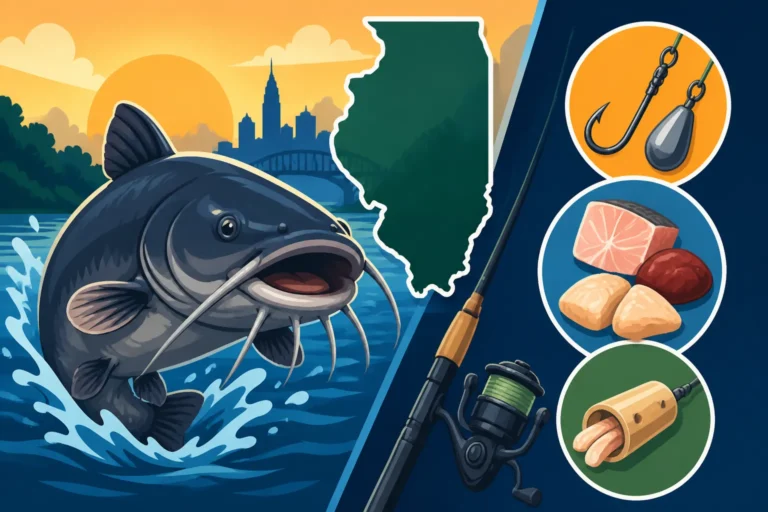
During the summer, catfish are opportunistic and actively feeding, so a wide array of baits can be effective. For the ubiquitous channel catfish, you can't go wrong with classic stink baits, chicken livers, shrimp, or even hot dogs. These baits emit strong odors that attract channel cats from a distance. If you're looking for quality stink bait or a good selection of chicken livers, local bait shops are great, but many anglers also find excellent options for preparedness on Amazon, including various dip baits and pre-made dough baits.
When it comes to rigs, a simple Carolina rig or a slip-sinker rig is incredibly versatile for bottom fishing. This setup allows the line to move freely through a sinker, preventing the fish from feeling resistance when it picks up the bait. For bigger blue and flathead catfish, you'll want to step up to fresh cut bait like shad, carp, or even small panfish. Flatheads, in particular, prefer live bait, so a frisky bluegill or creek chub fished under a slip bobber or on a three-way rig near cover can be deadly. Using sturdy circle hooks (size 5/0 to 8/0) is recommended, as they typically hook the fish in the corner of the mouth, making for easier release and less harm to the fish.
Locating Catfish During Peak Activity
Finding catfish during their peak activity months often comes down to understanding their preferred habitat and movements. In large lakes, look for channels, humps, points, and structural elements like old roadbeds or submerged timber, especially early and late in the day. During the midday heat, catfish will often retreat to deeper, cooler water.
In rivers, current is king. Catfish will hold in current seams, behind wing dams, below dams, and in scour holes where they can ambush prey without fighting the main current too much. Logjams, undercut banks, and deep bends in rivers like the Illinois River are notorious catfish hotspots. For blue catfish, focus on the deeper, faster-moving sections of large rivers. Flatheads, true ambush predators, will be tight to heavy cover like brush piles and fallen trees. Don't overlook the Mississippi River Catfish spots in Southern Illinois, which are known for producing some truly massive blues and flatheads due to their abundant food sources and diverse habitat. Mastering Catfish Bottom Fishing Techniques will be crucial here.
A portable fish finder, readily available on platforms like Amazon, can be an invaluable tool for locating these deeper structures and concentrations of fish. Remember that catfish are often more active during low-light conditions, so consider trying to How to Catch Catfish at Night during the summer months; it can be incredibly productive.
Comparing Catfish Activity by Month
To help you visualize the best times, here’s a quick overview of typical catfish activity across Illinois waters:
| Month | Primary Activity | Best Species Targeted | Key Tactics / Locations |
|---|---|---|---|
| March | Slow, but increasing activity; emerging from winter | Channel Catfish, some Blue Catfish | Deep holes, slow presentations, larger river systems. |
| April | Pre-spawn feeding frenzy; moving to shallower areas | Channel Catfish, Flathead Catfish | Tributary mouths, warmer flats, cut bait, live bait. |
| May | Pre-spawn to early spawn; very active | All three species (Channel, Blue, Flathead) | Shallow cover, current seams, live bait, cut bait. |
| June | Post-spawn feeding; high activity | All three species, especially Channel and Blue Catfish | River channels, creek mouths, ledges, stink baits, cut bait. |
| July | PEAK ACTIVITY – Consistent, aggressive feeding | All three species, excellent for trophy fish | Deep holes, current breaks, structure, diverse baits. |
| August | Sustained high activity; hot weather often pushes deeper | All three species, good for numbers | Deeper channels during day, shallows at dawn/dusk, punch baits. |
| September | Fall feeding binge; bulking up for winter | Blue Catfish, Flathead Catfish, large Channel Catfish | Deep river channels, outside bends, large cut bait. |
| October | Strong fall feeding; moving to deeper wintering areas | Blue Catfish, Flathead Catfish | Deep structure, slower presentations, live bait. |
| November | Activity slowing down; moving to wintering holes | Flathead Catfish, Blue Catfish | Very deep holes, sluggish bite, large cut bait. |
| Dec-Feb | Very low activity; wintering holes | All three species, very challenging, subtle bites | Deepest, most stable areas; very slow, small baits. |
This table provides a general guide, but remember that local conditions, specific water bodies, and annual weather patterns can always influence these timelines. Staying informed about local fishing reports and water temperatures will give you the most accurate picture for your next outing.
Disclaimer
Please be aware that fishing regulations, including license requirements, catch limits, and seasons, can change. Always consult the latest Illinois Department of Natural Resources (IDNR) fishing guide before heading out on the water. This content is for informational purposes only and does not constitute legal advice.