How the March 1 License Year Affects Early-Season Illinois Fishing
There's nothing quite like the eager anticipation of the Illinois fishing season, but many anglers get caught off guard by the state's unique license year. It’s a common frustration to think your license is good until December 31st, only to realize on a crisp March morning that you're technically fishing illegally. This comprehensive guide will clear up all the confusion surrounding the March 1st license year start, detailing how this specific date impacts your early-season fishing plans and what you need to do to ensure a smooth, legal, and enjoyable start to your angling adventures.
Understanding the Illinois Fishing License Year Cycle
Unlike many permits and passes that align with the calendar year, your Illinois fishing license operates on its own distinct schedule. This can be a bit of a head-scratcher for both seasoned locals and visitors alike, leading to missed opportunities or, worse, a citation from an Illinois Department of Natural Resources (IDNR) conservation police officer. Knowing the exact dates is crucial for staying on the right side of the law and maximizing your time on the water.
The March 1st Annual Start Date
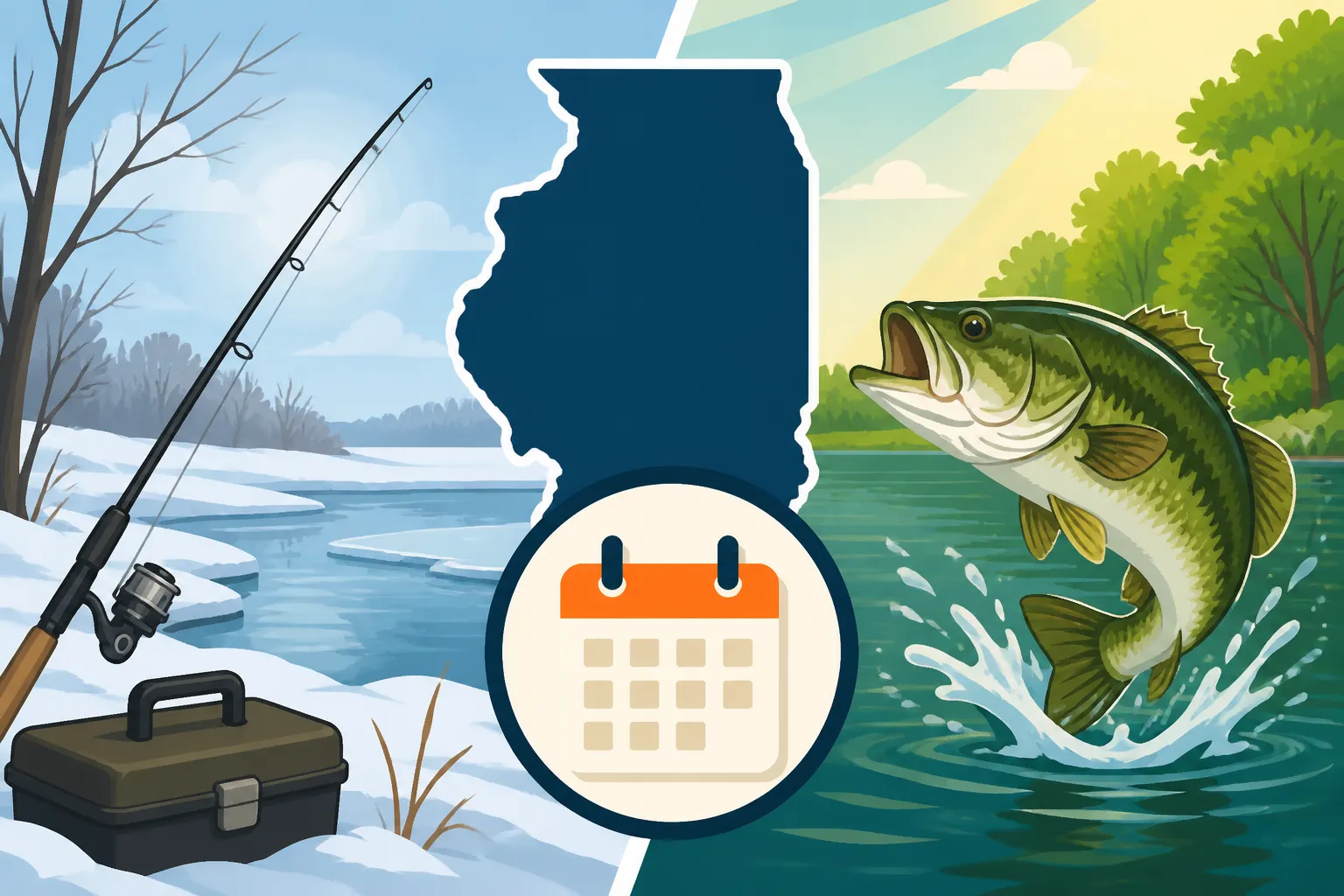
Let's cut right to the chase: the Illinois fishing license year begins on March 1st and runs through the last day of February the following year. So, if you bought a license last year, it was good until the end of February of this year, and you need a new one to fish come March 1st. This is a fundamental piece of information often overlooked, and it’s why understanding When the 2026 Illinois Fishing License Year Begins is so important.
This timing isn't arbitrary; it's often tied to the biological cycles of many freshwater fish species in Illinois. As winter ice recedes and water temperatures begin their slow climb, fish like crappie, walleye, and bass start to emerge from their deeper winter haunts, becoming more active and accessible to anglers. The March 1st date effectively signals the "official" start of the open water fishing season for many, even if ice fishing might still be an option in the northern reaches of the state. Failing to renew your license by this date means that even if the fish are biting, you're not legally allowed to drop a line. It’s a common mistake that can easily be avoided with a little forethought.
How License Expiration Impacts Your Winter and Early Spring Plans
Think about it: your license from the previous year is valid right up until February 28th or 29th, depending on the year. This means if you're an avid ice angler, you can continue to enjoy those last few weeks of hard water fishing without needing a new license. However, the moment that calendar flips to March 1st, your old license is effectively just a souvenir.
This transition period is where many anglers get tripped up. Imagine you've been ice fishing Rend Lake through February, hauling in slabs of crappie. You decide to go out one last time on March 2nd, the weather is perfect, the ice is still solid, but you haven't renewed your license. You're now fishing illegally. The same applies to those eager beavers who hit the open water at Lake Shelbyville or Carlyle Lake on the very first warm day in early March. If you're planning your first open-water trip of the year for March 1st or later, that new license needs to be in your possession. It’s a hard deadline, and there are no exceptions. Understanding How Long a Fishing License Stays Valid Before Renewal is key to avoiding these kinds of issues.
Early Season Fishing Opportunities and License Readiness
Once you’ve got that shiny new license in hand, Illinois offers a plethora of early-season opportunities that can be incredibly rewarding. The fish are often hungry after a long winter, and the waters are generally less crowded than in the peak summer months. But to take full advantage, you need to be ready, not just with your gear, but with your permits too.
Species That Become Active in Early March
As soon as March rolls around and water temperatures nudge above freezing, some of Illinois's most popular game fish start to stir. You'll find crappie beginning to move into shallower, warmer coves, looking for baitfish. Bluegill, too, will start to become more active, making them a great target for early spring panfishing. For those chasing bigger fish, walleye runs can begin on rivers like the Illinois and Mississippi, and northern pike, after their own early spawn, become aggressive feeders.
Even largemouth bass, while not typically in their full pre-spawn feeding frenzy, will move into sunny, shallow areas on warmer days, offering opportunities for anglers willing to fish slowly and precisely. These are often some of the most overlooked periods for certain species, as many anglers wait for "prime" conditions later in spring. But with the right approach, early March can be fantastic. You can get a better sense of what to target by looking at a Spring Fishing Calendar for Illinois Anglers.
Getting Your New License Before You Hit the Water
The easiest way to ensure you're compliant is to get your new license before March 1st. Many anglers treat it like an annual ritual: as February winds down, they hop online or visit their favorite sporting goods store. The Illinois Department of Natural Resources (IDNR) website is a primary portal, offering a straightforward way to purchase your license digitally. You can print it out or keep a digital copy on your phone, which is perfectly acceptable as proof.
Alternatively, you can visit local vendors, which is a great way to support small businesses that cater to anglers. Many bait shops and larger retailers, including national chains like those found by searching for "Illinois fishing license" on Amazon's outdoor recreation section, sell licenses. This allows you to pick up some fresh bait or tackle while you're there. Making this purchase a priority in late February ensures you’re not scrambling on March 1st when you really just want to be on the water. Check out How to Buy an Illinois Fishing License Online for a step-by-step guide.
Checking for Additional Stamps and Permits
Beyond your basic fishing license, Illinois has specific requirements for certain types of fishing. The most common additional permit is the Inland Trout Stamp or the Lake Michigan Salmon Stamp. If you plan to target trout in any of the state's stocked waters, or salmon and trout in Lake Michigan, you'll need the appropriate stamp. These stamps also reset with the March 1st license year, so don't assume your old one is still valid.
For example, Illinois often conducts early spring trout stockings in various lakes and ponds across the state. If you plan to participate in these popular events in March, having both your general fishing license and the Inland Trout Stamp is mandatory. Overlooking this small detail can lead to fines, even if you have your main fishing license. Make sure you understand the Illinois Trout and Salmon Stamp Requirements before you head out, especially for targeted species.
Practical Tips for a Smooth Early-Season Start
Preparing for the early season isn't just about the license; it's about getting your entire angling operation in order. A little proactive work can save you a lot of headaches and vastly improve your chances of success on those first few trips of the year.
Gear Check and Preparation
The quiet winter months leading up to March 1st are the perfect time to give all your fishing gear a thorough once-over. Inspect your rods for cracked guides, check your reels for smooth operation, and definitely replace old fishing line. Line can degrade over time, especially if exposed to sunlight, and the last thing you want is a snapped line on your first big fish of the year. Respooling with fresh line, whether monofilament, fluorocarbon, or braid, is a relatively inexpensive way to boost your confidence.
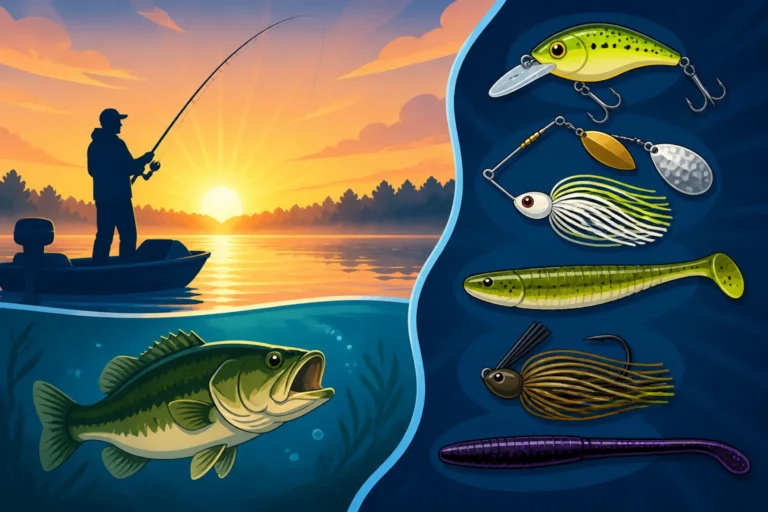
This is also a great opportunity to organize your tackle box. Cull out broken lures, sharpen hooks, and restock on essentials like hooks, sinkers, and soft plastics. Consider what lures are best for cold water presentations: slower-moving baits, jigs, and small crankbaits often outperform fast-moving presentations in early spring. Browsing current gear reviews on sites like Amazon can give you ideas for new cold-water baits or accessories that might give you an edge. For a detailed rundown, refer to our guide on Tackle Box Setup for Illinois Species.
Understanding Early Season Regulations
While the license year changes, the general fishing regulations for specific species and bodies of water remain in effect for the new license year. However, it's always wise to review the current Illinois Fishing Information Guide. The IDNR sometimes makes adjustments to size limits, daily creel limits, or specific site regulations. Even if you think you know the rules like the back of your hand, a quick refresh can prevent accidental violations.
Pay particular attention to any specific regulations for the lakes or rivers you plan to visit. Some waters might have special catch-and-release periods for bass or unique size restrictions for crappie or walleye that differ from statewide limits. For instance, the Mississippi River might have different regulations than an inland state park lake. Familiarizing yourself with the Illinois Fishing Regulations Overview will keep you informed and legal.
Planning Your First Trips
Early season fishing success often comes down to careful planning. Since water temperatures are still low, fish tend to be lethargic and will often be found in specific areas. Look for northern shorelines or shallow coves that warm up faster under direct sunlight. These areas can be magnets for crappie and bluegill. On larger lakes, focusing on structure, like submerged brush piles or rock formations, can be effective for walleye and bass as they begin to move from deeper winter haunts.
Checking local fishing reports and recent weather patterns can also give you crucial insights. A few consecutive warm, sunny days can dramatically increase fish activity, while a sudden cold front can shut down the bite. Always prioritize safety, especially on boats, as early spring water temperatures can still be dangerously cold. Our guide on Water Temperature and Fish Activity Guide provides excellent insights into how these conditions affect fish behavior.
| Task Category | Before March 1st (Old License Valid) | After March 1st (New License Required) |
|---|---|---|
| License Status | Continue fishing with last year's license if still valid. | Immediately purchase a new license to continue fishing legally. |
| Gear Check | Inspect rods, reels, line. Sharpen hooks. Organize tackle box. | Ensure all gear is ready for active use on the water. |
| Regulation Review | Review the current Illinois Fishing Information Guide for changes. | Re-check site-specific regulations for your chosen fishing spots. |
| Stamp Purchases | Determine if you need an Inland Trout or Salmon Stamp for new year. | Purchase any necessary stamps along with your main fishing license. |
| Planning Trips | Research early-season fish patterns and ideal locations. | Target species active in cold water (crappie, walleye, pike, bluegill). |
| Online Renewal | Renew your license online for convenience and immediate validity. | If not done, renew online or in-store before heading out. |
The Illinois fishing license year starting on March 1st is a crucial detail that no angler should overlook. By understanding this unique cycle and taking a few proactive steps, you can ensure you're always legal, prepared, and ready to enjoy the fantastic early-season opportunities Illinois waters have to offer. Don't let a simple date change keep you from that first big catch of the year!
Disclaimer
The information provided in this guide is for general informational purposes only and is subject to change. Anglers are responsible for consulting the most current Illinois Department of Natural Resources (IDNR) regulations and guidelines before engaging in any fishing activities. Always prioritize safety and adherence to local laws.