Seasonal Bait Selection Guide
It can be incredibly frustrating to hit the water in Illinois, full of anticipation, only to find the fish aren't biting – and you're left wondering if you’re using the wrong bait for the season. We’ve all been there, casting the same old trusty lure only to come up empty-handed while someone else nearby is reeling them in. The truth is, fish behavior changes dramatically with the seasons, heavily influenced by water temperature, available forage, and their own biological cycles. This comprehensive guide will walk you through the nuances of seasonal bait selection, ensuring you're always armed with the best options to entice those Illinois lunkers, no matter the time of year.
Decoding Springtime Bites with Strategic Bait Choices
Ah, spring! The season of renewal, and for us anglers, it’s a time of renewed hope and excitement. But spring fishing in Illinois isn't a one-size-fits-all affair. It's a dynamic period with distinct phases, each requiring a thoughtful approach to bait selection. Understanding the subtle shifts in water temperature and fish behavior is key to unlocking consistent success.
Early Spring: Cold Water and Pre-Spawn Patterns
When the ice has finally melted and the cold rains of March and early April begin, the water in Illinois lakes and rivers is still surprisingly chilly. Fish are just starting to shake off their winter lethargy. Their metabolism is slow, and they aren’t going to chase down a fast-moving meal. This is the time to think slow and deliberate.
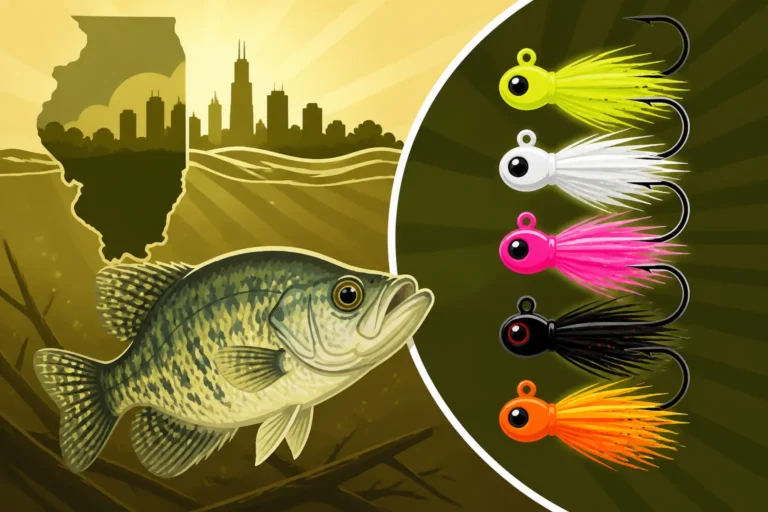
For species like bass, walleye, and crappie, they’re still hanging out in deeper staging areas, gradually making their way towards shallower spawning grounds. They're looking for an easy meal, something that doesn't require a lot of energy expenditure. This means your bait choices should reflect that sluggishness. Jigs, especially those with soft plastic trailers or hair jigs, are phenomenal because they can be worked very slowly along the bottom. Consider a ¼-ounce jig with a subtle action for bass, or a tiny 1/16-ounce jig for crappie, tipped with a minnow or a small plastic grub. Jerkbaits are another excellent choice during this period. These lures mimic a dying baitfish, darting and pausing, which can trigger an impulse strike from a reluctant fish. Blade baits, fished with a lift-and-drop retrieve, also create enticing vibrations that can draw strikes in cold water. For crappie, nothing beats a live minnow under a bobber in early spring. They're often schooling up in channels and creek arms, and a well-presented minnow is hard to resist. You can learn more about how bass behave during this crucial period by checking out our guide on Illinois Bass Pre-Spawn Fishing Patterns.
The Spawn: Excitement and Aggression
As spring progresses, and water temperatures climb into the 50s and 60s, the magical time of the spawn arrives. This is when fish move onto their beds in shallower waters to reproduce. Illinois sees a staggered spawn, with crappie often leading the charge, followed by bass and then bluegill. During this period, fish aren't necessarily feeding out of hunger; they're often striking out of aggression, protecting their nests from perceived threats.
For bass, especially largemouth, if you can locate their beds, creature baits, soft plastic worms, and tubes are incredibly effective. The idea is to present a bait that looks like an intruder, something that needs to be moved away from the nest. Drop a creature bait right on a bed, let it sit, then twitch it subtly. Often, the bass will pick it up and move it away, giving you a chance to set the hook. For crappie and bluegill, which are often found in tight schools around submerged brush piles or lily pad stems, small jigs tipped with tiny soft plastics or even just a wax worm are perfect. Focus on vertical presentations, gently dropping your bait into the cover. Understanding the nuances of the crappie spawn can greatly increase your catch rate; our detailed guide on the Illinois Crappie Spawn Season Guide is a must-read. If you're specifically targeting bass, knowing the Best Bait for Largemouth Bass Fishing in Spring can make a huge difference.
Post-Spawn Recovery and Renewed Feeding
Once the hectic business of spawning is over, fish enter a recovery phase. They might be a bit sluggish for a few days, but soon after, their focus shifts back to intense feeding to regain lost energy. This is a transitional period where fish may be found in both shallow and slightly deeper water.
As the water continues to warm, typically into the high 60s and 70s, fish become much more active and willing to chase. This is when moving baits start to shine. Spinnerbaits, especially those with tandem willow leaf blades, are excellent for covering water and triggering reaction strikes from bass moving off their beds. Shallow-running crankbaits, mimicking shad or other baitfish, are also very effective, particularly around points, ledges, and submerged grass lines. And as the post-spawn period progresses and fish become more aggressive, topwater lures can provide exhilarating strikes, especially during low light conditions. Keep an eye on the Illinois Bass Post-Spawn Fishing Patterns for more detailed insights into this productive time.
Summer Strategies: Matching Baits to Warm Water Activity
Summer fishing in Illinois can be a mixed bag. The long, hot days mean warm surface water, which often pushes fish deeper or into the densest cover. But don't despair! With the right bait choices and techniques, summer can be incredibly rewarding, especially during specific times of the day.
High Summer Heat: Deep Water and Shade
When the sun is blazing and the shallow water feels like a bath, many of Illinois's most popular sportfish, like bass and walleye, retreat to cooler, deeper water or bury themselves in thick cover. This is when you need to adjust your approach from power fishing in the shallows to precision presentations in deeper zones.
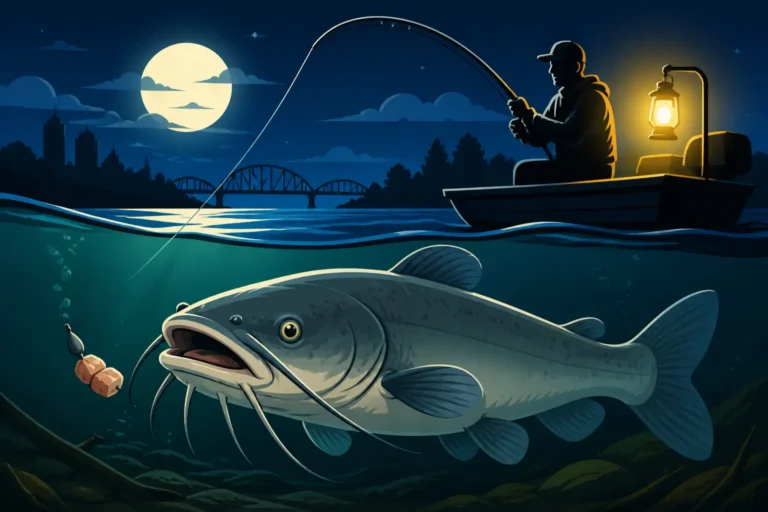
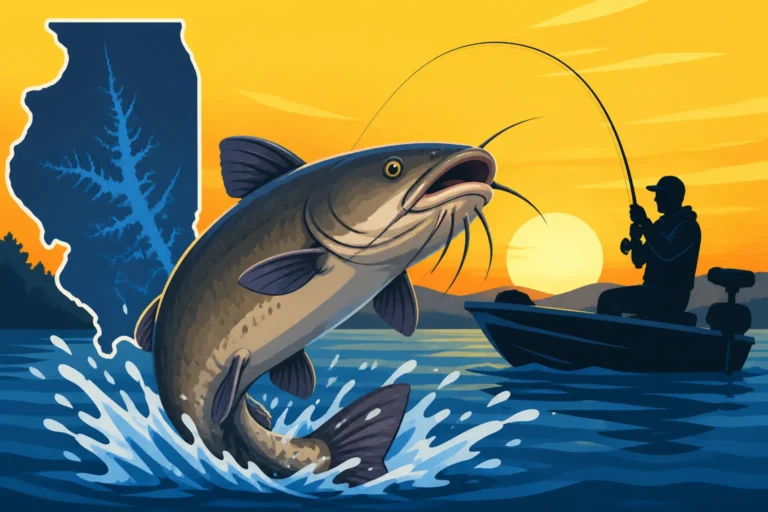
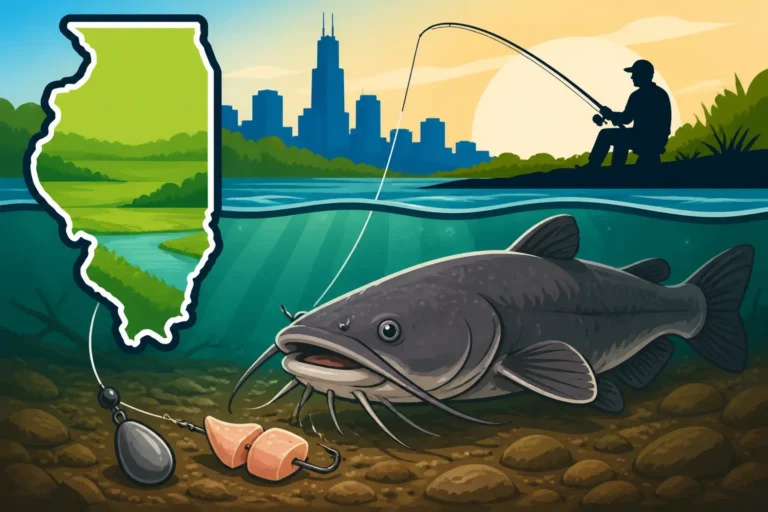
Deep-diving crankbaits are phenomenal for covering expansive areas of deep water, especially along ledges, points, and humps. Look for baits that can reach 15-20 feet or more, mimicking shad or other deep-dwelling forage. For targeting bass buried in dense vegetation or timber, Texas rigs and Carolina rigs are indispensable. A heavy Texas-rigged creature bait or a weighted worm can punch through thick mats of hydrilla or fall cleanly through a brush pile, getting right into a bass's living room. For catfish, summer is prime time, and they often relate to the deepest channels and holes in lakes and rivers. Bottom fishing techniques with cut bait, punch bait, or stink bait are highly effective. For serious catfish anglers, a good supply of punch bait or fresh cut bait, often sourced from local bait shops or even from your own catch, is critical. You might even find some excellent tackle options, like heavy-duty catfish rods and reels, on Amazon, ready for your next big haul. If you're looking for more specific guidance on targeting catfish on the bottom, our detailed article on Catfish Bottom Fishing Techniques will be incredibly helpful. And remember, during the hottest parts of the day, fish still have to eat, so understanding how to locate them is crucial – our guide on How to Find Bass in Summer Heat offers excellent advice.
Dawn and Dusk Explosions: Topwater Thrills
While midday summer fishing can be a grind, the low-light hours of dawn and dusk often bring a phenomenal topwater bite. As the sun rises or sets, the surface temperature cools slightly, and predatory fish become more confident moving into shallower water to feed on baitfish or insects.
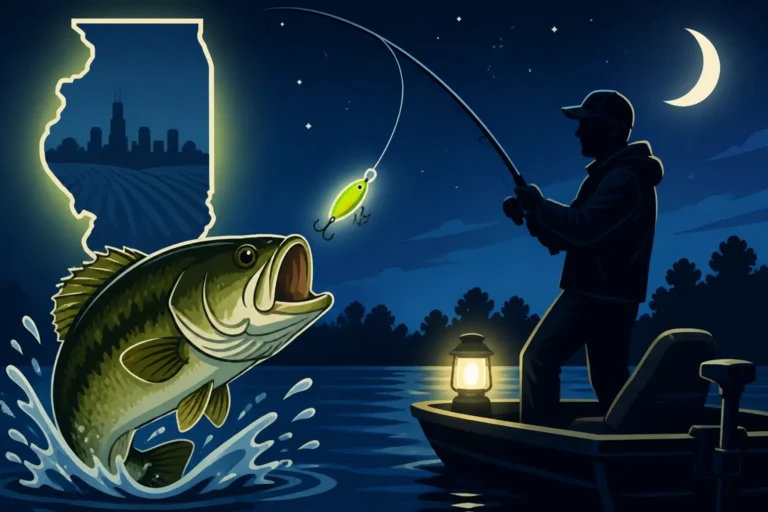
This is the perfect time for explosive topwater lures. Poppers, frogs, and buzzbaits create enticing commotion on the surface, mimicking struggling prey. For largemouth bass, throwing a frog lure over lily pads or thick grass is one of the most exciting ways to catch them. The anticipation of that surface blow-up is unmatched! Small poppers and dry flies can also draw strikes from bluegill and other panfish during these periods. The key is often patience; cast your lure, let it sit for a moment, then twitch it. Often, the strike comes on the pause. Mastering the techniques for these times of day can lead to incredible results; dive deeper into specific tactics with our guides on Dawn Fishing Techniques and Dusk Fishing Techniques.
Fall Feeding Frenzy: Capitalizing on Cooler Waters
As the crisp air of autumn descends upon Illinois, the fishing scene undergoes another significant transformation. Fall is often considered one of the best times to fish, as many species enter a "feeding frenzy" to build up reserves for the coming winter. The cooling water temperatures signal a shift in behavior, making fish incredibly active and aggressive.
Cooling Trends and Increased Metabolism
The gradual cooling of water temperatures in September and October invigorates fish. Their metabolism picks up, and they begin to gorge themselves on available forage. This means they are more willing to chase and strike a variety of baits. This is a fantastic time for covering water and targeting active, hungry fish.
For bass and walleye, this is prime time for moving baits. Crankbaits, especially those that mimic shad or perch, are highly effective as baitfish migrate from deeper summer haunts to shallower, warmer pockets. Spinnerbaits, lipless crankbaits, and swimbaits are also excellent for covering large areas, particularly around points, humps, and submerged grass lines where baitfish are congregating. The cooler water means fish can exert more energy in pursuit, so faster retrieves can often trigger violent strikes. Don't overlook jerkbaits during this time either, especially as water temperatures dip into the 50s; their stop-and-go action can be irresistible. Crappie also become highly active, often schooling up in predictable locations like creek channels and brush piles, making live minnows or small jigs excellent choices. Catfish will also be feeding heavily, so don't put away your bottom rigs just yet. For a comprehensive look at what to expect, refer to our Fall Fishing Calendar for Illinois Anglers.
Transitioning to Winter: Finesse and Patience
As late fall progresses and water temperatures continue to drop, sometimes into the low 40s, the aggressive feeding frenzy starts to slow down. Fish activity becomes more subdued, and a more patient, finesse-oriented approach becomes necessary.
During this period, fish will often move to deeper, more stable water, or relate to steep breaks and vertical structure. Small jigs, dropshots, and shaky heads become essential tools for bass anglers. These baits offer subtle presentations that can tempt sluggish fish without overstimulating them. For walleye, slow jigging with blade baits or spoons, or slowly dragging a live minnow rig, can be highly effective. The key is to slow down your retrieve significantly and pay close attention to subtle bites. Fish may just "tick" the line or add slight weight rather than deliver a strong strike. Patience is a virtue, and those who master finesse fishing in late fall will be rewarded. Our guide on Winter Bass Fishing Tips offers more detailed advice for navigating these colder conditions.
Winter Wonders: Mastering Cold-Water Bait Presentations
Winter fishing in Illinois, especially when ice covers the lakes, might seem daunting, but it offers a unique and often productive experience for those willing to brave the cold. Even in open water, understanding cold-water dynamics is crucial.
Ice Fishing Essentials: Downsizing and Subtle Movements
When the ice is thick and safe (and always check local conditions and ice thickness before venturing out!), Illinois's frozen lakes offer incredible opportunities for crappie, bluegill, perch, and even walleye. The extreme cold slows fish metabolism to a crawl, meaning your bait choices and presentation need to be incredibly subtle.
Downsizing is the name of the game. Tiny jigs, often no larger than 1/32 or 1/64 ounce, are the standard. Tip these jigs with a single wax worm, a maggot, or a piece of Berkley Gulp! Alive bait. Small spoons, jigging Rapalas, or even tiny tungsten ice jigs can also be very effective, especially for perch and walleye. The presentation must be slow and methodical. A subtle jiggle, a slight lift, and then a long pause are often what it takes to coax a bite. Fishfinders, like those found on Amazon, become invaluable tools for locating fish under the ice and understanding their depth. For those looking to get into ice fishing, a good starting point is our Illinois Ice Fishing Gear Basics guide, and for specific targets, you can look into Best Ice Fishing Species for Panfish and Walleye.
Open Water Finesse in Winter
Even in winter, some Illinois rivers and deeper lakes might remain ice-free, providing opportunities for cold-water open-water fishing. While not as common as ice fishing, this can be a productive time for dedicated anglers.
In these conditions, fish will be tightly schooled and typically found in the deepest, most stable parts of the water column, often relating to current breaks or deep holes. Similar to late fall, finesse is paramount. Slow-rolling spinnerbaits, vertically jigging blade baits or heavy spoons, or slowly dragging a finesse jig are excellent tactics. Walleye in rivers, for instance, often congregate in deep pools and will respond to a slowly presented jig tipped with a minnow. Look for areas where current breaks offer refuge, allowing fish to conserve energy. Understanding How to Catch Bass in Cold Water can greatly improve your success, and recognizing How Water Temperature Affects Fish Activity is fundamental to all winter fishing.
Species-Specific Bait Tweaks for Illinois' Diverse Waters
Illinois is home to a fantastic array of fish species, and while some general seasonal patterns apply, tailoring your bait selection to the specific species you're targeting will dramatically improve your results. Each fish has its preferred diet and hunting style, which should influence your lure choices.
Bass Bait Breakdown: Largemouth, Smallmouth, and Spotted
Illinois offers excellent opportunities for all three black bass species, but they often require different bait approaches due to their preferred habitats and feeding behaviors.
- Largemouth Bass: These are the kings of cover. They love dense weeds, lily pads, submerged timber, and brush piles. For this reason, weedless baits are paramount. Frogs, senkos, creature baits (like crawfish imitations), and jigs with brush guards are excellent. Spinnerbaits are also fantastic for covering water around cover. When they're aggressive, topwater lures in low light are thrilling. Our guide on Best Bait for Largemouth Bass Fishing in Spring provides specific tactics.
- Smallmouth Bass: Known for their fighting spirit and preference for rocky, clear water environments in rivers and northern lakes. Smallmouth often feed on crayfish and baitfish. Tubes, grub jigs, small crankbaits (especially those with a crawfish pattern), and jerkbaits are highly effective. On Amazon, you'll find a wide selection of these lures, perfect for various water conditions. Drop-shot rigs with small worms or minnow imitations can also be deadly in clearer waters. Don't miss our detailed advice on the Best Bait and Lures for Illinois Smallmouth Bass.
- Spotted Bass: While less common than largemouth or smallmouth, spotted bass can be found in some Illinois rivers, particularly the Ohio and lower Wabash. They share characteristics of both largemouth and smallmouth, often preferring slightly deeper, rockier habitats than largemouth but still associating with some cover. Finesse worms, small crankbaits, and swimbaits are good choices.
Crappie, Bluegill, and Panfish Favorites
These are the bread and butter for many Illinois anglers, offering consistent action and delicious table fare. They're also fantastic for introducing kids to fishing!
- Crappie: Whether black or white crappie, these schooling fish are often found around submerged structure like brush piles, fallen trees, and bridge pilings. Live minnows are a classic and highly effective bait, fished under a bobber or on a spider rig. Small jigs, typically 1/32 to 1/16 ounce, tipped with tiny soft plastics (like tubes or curly tail grubs) in white, chartreuse, or black, are also deadly. Spider rigging multiple rods with different depths and colors can help you find their preferred offering. To truly up your crappie game, check out our insights on Best Bait for Crappie Fishing.
- Bluegill: The ubiquitous bluegill is an excellent target for anglers of all ages. They are not picky eaters! Worms (redworms, nightcrawlers), crickets, wax worms, and mealworms are all fantastic live bait options. For artificials, tiny jigs, small spinners, and even micro poppers on a fly rod can be incredibly effective. A simple bobber and hook setup with a piece of worm is often all you need. For more targeted advice, look at Illinois Bluegill Fishing: Best Bait and Where to Go.
- Other Panfish: Don't forget other sunfish species like redear sunfish (shellcrackers) and green sunfish. They'll often hit the same baits as bluegill, with redear particularly fond of small worms and crickets presented near clam beds or hard bottom where they can "shellcrack."
Catfish and Walleye Wonders: From Bottom Rigs to Trolling
Illinois boasts incredible fishing for both catfish and walleye, two species that offer distinctly different angling experiences and bait preferences.
- Catfish: Illinois offers three main species: Channel, Blue, and Flathead.
- Channel Catfish: These scavengers are opportunistic feeders. Stink bait, punch bait, chicken livers, cut bait (like shad or carp), and even hot dogs are all excellent. They are often found in river channels and lake basins. For specific recommendations, our guide on Best Bait for Channel Catfish is a great resource.
- Blue Catfish: The biggest of the Illinois cats, blue catfish are primarily piscivores, meaning they prefer fish. Fresh cut bait (shad, herring, carp) or whole dead baitfish are your best bet. Look for them in the main channels of large rivers like the Mississippi.
- Flathead Catfish: Unlike their scavenging cousins, flatheads are ambush predators that prefer live bait. Live bluegill, sunfish, or large minnows are essential for targeting these giants. Fish them on stout bottom rigs near timber, rock piles, or current breaks.
- Walleye: These delicious cool-water predators are a prized catch in Illinois. They are primarily piscivores, feeding on baitfish.
- Jigging: Jigs tipped with live minnows, shiners, or Gulp! Minnows are incredibly effective, especially in rivers or when vertical jigging over structure.
- Trolling: Crankbaits, particularly those with a tight wobble mimicking shad or perch, are excellent for trolling in larger lakes like Lake Shelbyville or the Illinois River. Experiment with different depths and colors.
- Live Bait Rigs: Crawler harness rigs, fished slowly along the bottom, are also very productive, especially during warmer months. Our article on Walleye Trolling Techniques provides in-depth strategies for this method, and for river-specific advice, consult
Best Bait for Walleye in Rivers.
Essential Bait Storage, Presentation, and Buying Tips
Having the right bait is only half the battle; knowing how to care for it and present it effectively is equally crucial. A poorly maintained bait or a clumsy presentation can deter even the hungriest fish.
Keeping Your Bait Fresh and Effective
Live bait is, by its nature, perishable, and artificial baits also require proper care to remain effective.
- Live Bait Care: If you're using minnows, worms, or crickets, investing in an aerated minnow bucket is a game-changer. Keeping the water cool and oxygenated will significantly extend their lifespan. For worms, a worm farm or a simple cooler with peat moss will keep them lively. Crickets need proper ventilation and a food source. Never let your live bait overheat in the sun. Many local bait shops in Illinois, like those around Rend Lake or Carlyle Lake, offer excellent live bait options, ensuring you start your day with the freshest stock.
- Soft Plastic Care: Soft plastics, while durable, can warp, melt, or "bleed" colors if not stored correctly. Keep them in their original packaging, separated by color and type, to prevent discoloration and damage. Exposure to direct sunlight or extreme heat in your tackle box can quickly ruin them.
- Hard Bait Care: For crankbaits, spinnerbaits, and jerkbaits, the main focus is on hook sharpness. Check your hooks frequently and sharpen or replace dull ones. Rust can also be an issue, so ensure your lures are dry before storing them. A tackle box with good compartments, easily found on Amazon, will help keep them organized and protected.
Mastering the Art of Presentation
Even the perfect bait won't catch fish if presented poorly. Fish are incredibly sensitive to vibrations, movements, and unnatural presentations.
- Matching Forage and Water Clarity: Pay attention to what the fish are likely eating (their "forage base") and the water clarity. In clear water, natural colors and more subtle presentations are often best. In murky or stained water, brighter colors (chartreuse, orange) and baits that create more vibration can be more effective. Matching the size of your lure to the size of the baitfish in the area is also critical.
- Retrieve Speed and Cadence: This is perhaps the most overlooked aspect of artificial bait fishing. Fish metabolism dictates retrieve speed. In cold water, a slow, deliberate retrieve with plenty of pauses is often best. In warm water, a faster, more erratic retrieve can trigger aggressive strikes. Experiment until you find what the fish want. Sometimes, a subtle twitch or a sudden stop is all it takes to provoke a bite.
- Understanding Current and Structure: When fishing rivers or lakes with current, understanding how the current affects your bait is vital. Fish often position themselves in current breaks, conserving energy while waiting for food to wash by. Presenting your bait in a way that mimics natural flow can be incredibly effective. Similarly, knowing how to work your bait around submerged structure like brush piles, rock piles, or weed lines is essential, as these are prime ambush points for predatory fish.
By paying attention to these details, you'll not only select the right bait but also present it in a way that maximizes your chances of a successful catch on Illinois waters.
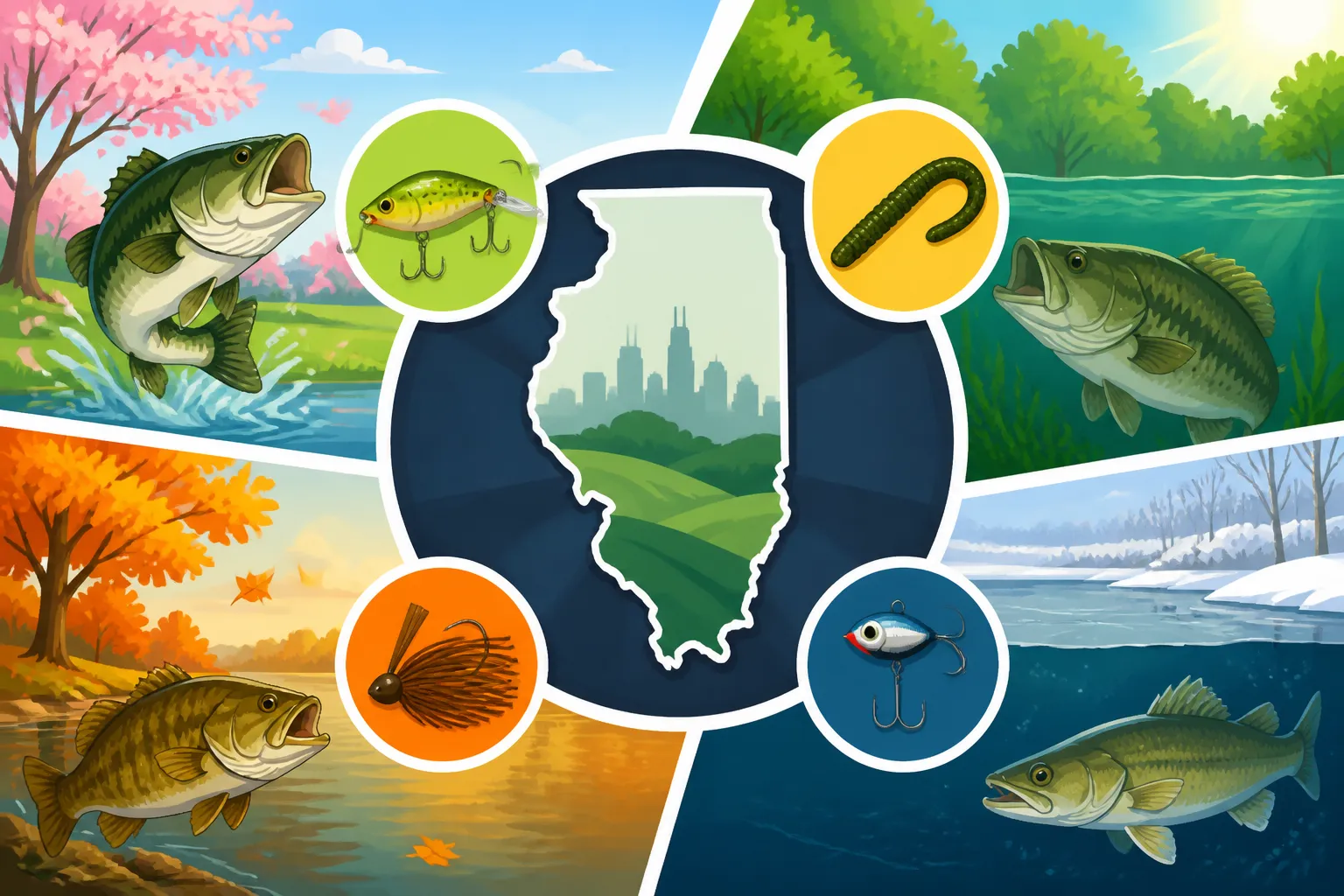
Illinois Seasonal Bait Selection Guide
Here’s a quick overview of popular bait types and their effectiveness across the seasons for common Illinois species:
| Season | Primary Species Targeted | Common Live Baits | Effective Artificial Baits | General Presentation Style |
|---|---|---|---|---|
| Spring | Bass, Crappie, Walleye, Bluegill | Minnows, Worms, Crickets | Jigs (hair/plastic), Jerkbaits, Spinnerbaits, Tubes, Shallow Crankbaits | Slow & deliberate, then aggressive |
| Summer | Bass, Catfish, Walleye, Panfish | Worms, Cut Bait, Minnows, Frogs | Deep Crankbaits, Texas Rigs, Carolina Rigs, Topwater, Spoons, Jigging Spoons | Deep & methodical, then surface/aggressive at low light |
| Fall | Bass, Walleye, Crappie, Catfish | Minnows, Worms, Cut Bait | Crankbaits (all depths), Spinnerbaits, Jerkbaits, Jigs, Swimbaits | Aggressive & covering water, then slower & finesse |
| Winter | Crappie, Bluegill, Walleye, Perch | Wax Worms, Minnows, Maggots | Tiny Jigs (tungsten), Spoons, Blade Baits, Jigging Rapalas | Extremely slow & subtle, vertical presentations |
Disclaimer
Fishing conditions and regulations in Illinois can change. Always consult the latest Illinois Department of Natural Resources (IDNR) fishing guide for up-to-date rules, regulations, and site-specific information before heading out on the water. This guide is for informational purposes only and does not supersede official regulations.