Illinois License Year Start Fishing Tips
That chilly bite in the air might still be lingering, but for us dedicated Illinois anglers, the first whispers of March bring an entirely different kind of excitement: the start of a brand-new fishing license year. It can be a real headache trying to remember when to renew, what changes might be in store, and how to best prepare your gear and game plan for those eagerly anticipated early spring bites. This comprehensive guide is designed to cut through that confusion, helping you navigate the Illinois fishing license year kickoff with confidence and get you on the water successfully.
Understanding the Illinois Fishing License Year
The Illinois fishing license year operates on a unique calendar, and understanding its rhythm is the first step to staying compliant and ready for action. It’s not about the calendar year you might expect, which can trip up even experienced anglers. This particular structure helps the Illinois Department of Natural Resources (IDNR) manage seasons and regulations more effectively, but it requires us, the fishing community, to stay on our toes.
The March 1st Commencement Date
Unlike many states or even federal tax deadlines, the Illinois fishing license year officially begins on March 1st. This means that your license from the previous year is valid through February 28th (or 29th in a leap year), and if you plan to hit the water on March 1st or any day thereafter, you'll need a current license for the new season. This date is critical for all anglers, whether you’re a resident picking up your annual permit or a non-resident planning a spring trip. It's a common oversight to assume licenses expire at the end of December, leading to potential fines if you're caught fishing without a valid one in early spring. Always double-check your license expiration date and mark your calendar for March 1st as your renewal reminder. You can find all the details on how the annual cycle operates in our comprehensive guide on How the Illinois License Year Works.
Why the Annual Renewal is Critical
Renewing your fishing license isn't just a bureaucratic hurdle; it's a vital part of supporting Illinois's fisheries and conservation efforts. The fees collected from licenses directly fund fish stocking programs, habitat restoration, research, and the salaries of the dedicated professionals who manage our lakes and rivers. Without these funds, the quality of fishing we enjoy across the state would significantly decline. Beyond the financial support, renewing ensures you're legally permitted to participate in the sport. Getting caught without a valid license can result in hefty fines, confiscation of gear, and even a temporary ban from fishing. It’s simply not worth the risk. Many anglers find it easiest to renew their Illinois Fishing License Online through the IDNR website, often setting a reminder on their phone or calendar to do so a few days before March 1st. You can also visit local sporting goods stores or bait shops to purchase a new license in person, ensuring you’re ready for the season.
Early Spring Fishing Strategies in Illinois
With the new license year kicking off, early March presents a unique set of challenges and opportunities for Illinois anglers. The fish are just beginning to shake off their winter lethargy, and understanding their behavior during this transitional period is key to a successful outing. Water temperatures are still quite cold, meaning fish are often sluggish and concentrated in specific areas.
Targeting Pre-Spawn Bass and Crappie
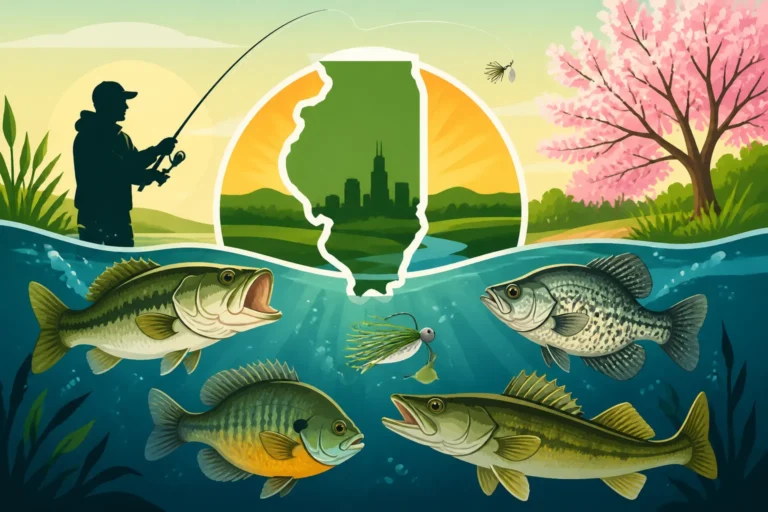
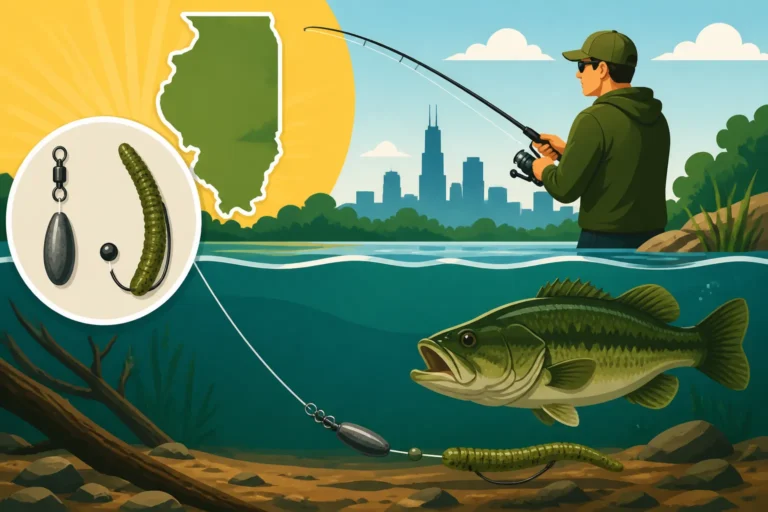
As soon as the ice melts and water temperatures slowly begin to climb into the upper 40s to low 50s Fahrenheit, many species, especially bass and crappie, enter their pre-spawn phase. This is a fantastic time to target them, as they become more active, feeding heavily to build energy for the upcoming spawn. For largemouth bass, look for them staging in deeper pockets near shallow spawning flats, especially areas with submerged timber, rock piles, or dense cover. Slow-moving baits like jerkbaits, lipless crankbaits, or jigs with a craw trailer can be incredibly effective. Consider checking out our detailed insights on Illinois Bass Pre-Spawn Fishing Patterns to refine your approach.
Crappie, on the other hand, will start to move from deep winter holes to brush piles, fallen trees, and bridge pilings in slightly shallower water. They often school up in large numbers during this pre-spawn period, making it possible to fill a cooler if you find the right spot. Small jigs (1/32 to 1/16 oz) tipped with a minnow or a soft plastic grub fished slowly under a bobber or tightlined are classic choices. Remember, presentation speed is paramount; a slow, subtle retrieve often out-fishes a fast one in cold water. You'll find more helpful guidance in our Illinois Crappie Spawn Season Guide to understand their full seasonal movements.
River Fishing Opportunities in Early March
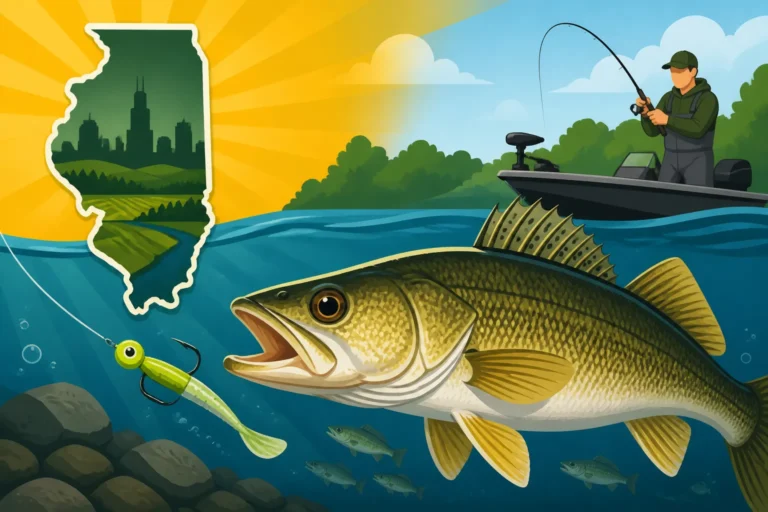
Rivers like the Illinois River, Mississippi River, and Kankakee River can be fantastic early-season options, especially if lake access is still limited by ice or severe cold. River currents often warm up faster than large, stagnant lakes, attracting active fish sooner. Walleye and sauger, in particular, begin their spawning runs in rivers during late winter and early spring. Focus on areas downstream of dams, current seams, and deeper holes where fish congregate. Jigging with live minnows or paddle-tail plastics, or slowly dragging a bottom-bouncing rig, can produce excellent results.
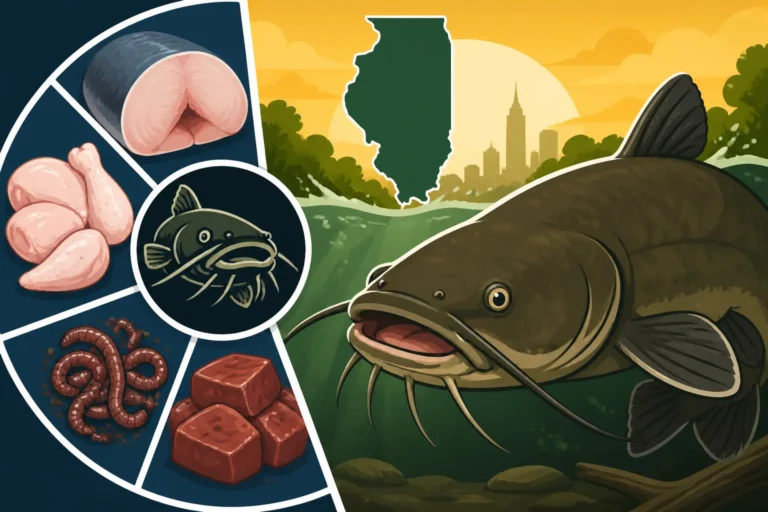
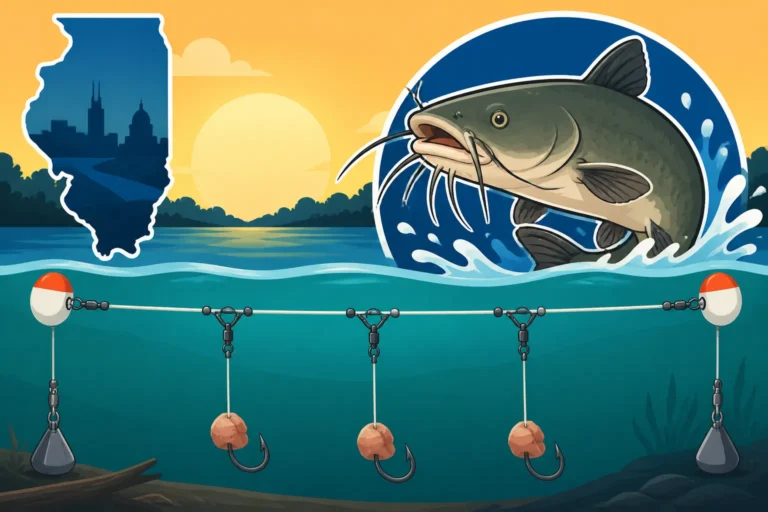
Catfish also start to become more active in river systems, moving out of their deep wintering holes into areas with moderate current and structure. Channel catfish will readily take cut bait or stink baits presented on a Carolina rig. Be prepared for potentially muddy water conditions after spring rains, and adjust your bait choices accordingly. Stronger scents are key in stained water.
Lake Michigan Coho Salmon and Trout Action
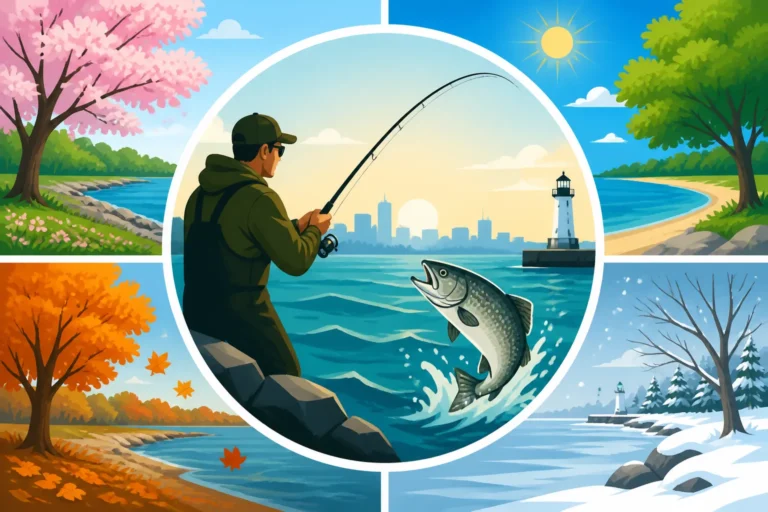
Don't overlook the incredible opportunities on Illinois's Lake Michigan shoreline in early spring. As soon as conditions allow for safe boating, Coho salmon fishing can be absolutely phenomenal. These aggressive fish move into shallower waters near the shore, chasing baitfish that are themselves drawn to the warmer water near the surface. Trolling with small spoons or shallow-diving crankbaits in the top 10-30 feet of the water column can lead to fast and furious action. Our guide on Lake Michigan Salmon Season Timing in Illinois offers a deeper dive into when and where to find these silver rockets.
Beyond Coho, brown trout and steelhead (rainbow trout) are also cruising the nearshore waters, often accessible from piers and harbors, especially after rain events that bring warmer water runoff. Casting spoons or stickbaits, or float fishing with spawn bags, can entice these powerful fighters. Remember that special stamp requirements, such as the Inland Trout Stamp and Lake Michigan Salmon Stamp, apply when targeting these species, in addition to your regular fishing license.
Essential Gear and Preparations for the New Season
The start of a new fishing year isn't just about renewing licenses and knowing where to go; it's also the perfect time to give your gear a thorough check-up and make any necessary upgrades. Taking the time to prepare now will save you headaches later and ensure you’re ready when that first perfect weather window opens.
Tackle Box Refresh and Organization
Winter is long in Illinois, and it's easy for tackle boxes to become disorganized or for lines to get old and brittle. Use the period leading up to March 1st to go through every compartment. Dispose of rusted hooks, tangled lures, and empty bait containers. Check all your fishing lines for nicks, abrasions, or sun damage. It's often a good idea to respool your reels, especially your primary setups, with fresh line. This small investment can prevent heartbreaking break-offs when you hook into that first big fish of the season.
Consider restocking on essentials like hooks, sinkers, swivels, and leader material. Early spring often calls for different bait colors or lure sizes than summer fishing, so ensure you have a selection of small jigs, minnow imitations, and subtle soft plastics. If you're looking for new storage solutions or replacement parts, you can often find excellent deals on essential gear like a quality tackle box on Amazon, where a wide range of options are available. For a deeper dive into organizing your gear, check out our insights on Best Tackle for Illinois Spring Fishing.
Boat and Kayak Pre-Season Checks
If you're a boat owner, early March is the time for your annual vessel inspection. This includes checking your boat's registration sticker to ensure it’s current (Illinois boat registration expires on September 30th, so this is separate from your fishing license but still crucial for early spring outings). Inspect your trailer tires, lights, and bearings. Test your trolling motor, electronics, and ensure all navigational lights are working.
For both boat and kayak anglers, perform a thorough safety check. Make sure all required safety gear, such as life jackets, fire extinguishers, and sound-producing devices, are on board and in good working order. Don't forget to check your PFDs (personal flotation devices) for wear and tear; Illinois law is strict about the condition of life jackets. For kayakers, inspect your hull for cracks, check paddle integrity, and ensure your anchor system is ready. Many anglers use the quieter winter months to make minor repairs or upgrades, so your early spring launch can be smooth. Our guide on Best Fishing Boats for Illinois Lakes can help you consider any major upgrades or first-time purchases.
Navigating Regulations and Staying Compliant
Every new license year brings the potential for updated fishing regulations, and staying informed is paramount. Illinois's fishing rules can vary significantly from one body of water to another, making it crucial to consult the most current information before heading out.
Checking New Season's Rule Changes
The Illinois Department of Natural Resources (IDNR) publishes an annual fishing information guide, which is usually updated around the March 1st license renewal period. This guide contains all the statewide and site-specific regulations for species limits, size limits, and special restrictions. While statewide rules (like the general bass limit) are fairly consistent, many specific lakes, rivers, or even sections of rivers will have their own unique regulations, often influenced by local fish populations or management goals.
It's a common mistake to assume last year's rules still apply. Always take the time to review the most current guide, paying close attention to any changes for your favorite fishing spots. For instance, a lake that had a 15-inch minimum size limit on bass last year might have changed to a protected slot limit this year. Ignorance of the law is not an excuse, and game wardens are out there enforcing these rules diligently. Our article on Illinois Fishing Regulations Overview provides a solid starting point, but always verify with the official IDNR guide.
Digital vs. Physical License Proof
In today’s digital age, carrying physical proof of your fishing license isn't always necessary, but knowing the rules for digital alternatives is crucial. The IDNR generally accepts digital proof of your license on a smartphone or other device. This means you can save a screenshot or a PDF of your license directly to your phone. However, it's always wise to have a backup plan. What if your phone battery dies? What if you drop it in the lake?
Many anglers choose to print a physical copy of their license and keep it in their tackle box, wallet, or boat alongside their physical ID. Some also purchase a durable, waterproof license holder to protect it. While the convenience of digital proof is undeniable, having a physical copy offers peace of mind. When purchasing your license, whether online or at a retailer like Bass Pro Shops, make sure you understand how to access and display your license information effectively to avoid any issues with law enforcement while on the water.
| Early Spring Illinois Fishing Opportunities (March-April) | Target Species | Typical Locations | Recommended Baits/Techniques |
|---|---|---|---|
| Lakes (Post-Ice Out) | Largemouth Bass | Deep pockets near spawning flats, submerged cover, rock piles | Jerkbaits, lipless crankbaits, jigs with craws |
| Crappie | Brush piles, fallen trees, bridge pilings in shallow water | Small jigs (1/32-1/16 oz) with minnows or soft plastics | |
| Rivers (Open Water) | Walleye/Sauger | Downstream of dams, current seams, deep holes | Jigging with minnows/paddle-tails, bottom-bouncers |
| Channel Catfish | Moderate current areas, deeper holes with structure | Cut bait, stink baits on Carolina rigs | |
| Lake Michigan | Coho Salmon | Nearshore waters (top 10-30 ft), harbors | Small spoons, shallow-diving crankbaits (trolling) |
| Brown Trout/Steelhead | Piers, harbors, nearshore after rain | Spoons, stickbaits, spawn bags (casting/float fishing) |
Maximizing Your Early Season Success
With your license renewed and gear checked, it's time to focus on the nuances of early spring fishing in Illinois. The transition from winter to spring is gradual, and fish behavior is highly sensitive to environmental factors like water temperature and weather patterns.
Focusing on Water Temperature and Depth
Water temperature is arguably the most critical factor influencing fish activity in early spring. Even a difference of a few degrees can dictate where fish hold and how willing they are to bite. Use a thermometer to check the surface temperature, and if possible, use your fish finder to gauge temperatures at different depths. For most warmwater species like bass and crappie, look for the warmest water available, often in shallower, darker-bottomed coves or bays that absorb sunlight more readily. These areas will warm up first and attract baitfish, drawing in predators. Our article on Water Temperature and Fish Activity Guide delves deeper into this crucial aspect of fishing.
Fish in cold water are metabolically slower and less likely to chase a fast-moving bait. Therefore, slowing down your presentation is almost always a good strategy. Instead of aggressively working a lure, try subtle twitches, long pauses, and slow retrieves. Pay close attention to subtle bites, as fish may just "mouth" the bait rather than striking aggressively. Targeting slightly deeper water adjacent to these warming flats can also be effective, as fish will move between the two areas depending on sunlight and temperature fluctuations.
The Role of Weather in Early March Fishing
Early March weather in Illinois is notoriously unpredictable. You can experience everything from snow to sunshine in a single week. Understanding how these weather patterns influence fish behavior will significantly improve your chances.
- Stable, Warming Trends: Extended periods of sunshine and gradually rising air temperatures are ideal. These conditions cause water temperatures to slowly climb, making fish more active and willing to feed. These are the days to hit the warming shallow coves for pre-spawn activity.
- Cold Fronts: A sudden drop in temperature, especially coupled with high pressure (clear skies), can shut down the bite fast. Fish will often retreat to deeper, more stable water and become lethargic. On these days, focus on slow presentations, even deeper water, and smaller, more subtle baits. Patience is key.
- Rain Events: Light rain can sometimes improve fishing, especially on rivers, as it can add fresh nutrients and slightly warmer runoff. Heavy rain, however, can muddy the water, drop temperatures, and increase current, making fishing more challenging. In muddy water, focus on baits with strong vibrations or scents, and use darker colors that silhouette well against the murky background.
Staying informed about the forecast and adapting your strategy accordingly is a hallmark of successful early spring angling. Don't be afraid to postpone a trip if a severe cold front rolls in; sometimes, waiting for more stable conditions is the best "fishing tip" of all. For a broader perspective on the entire year, be sure to check out our Illinois Fishing Seasons Guide.
Disclaimer
The information provided in this guide is for general informational purposes only and does not constitute legal advice. Fishing regulations in Illinois can change, and it is the sole responsibility of each angler to consult the most current official Illinois Department of Natural Resources (IDNR) regulations before engaging in any fishing activities. Always prioritize safety and adherence to all local and state laws.