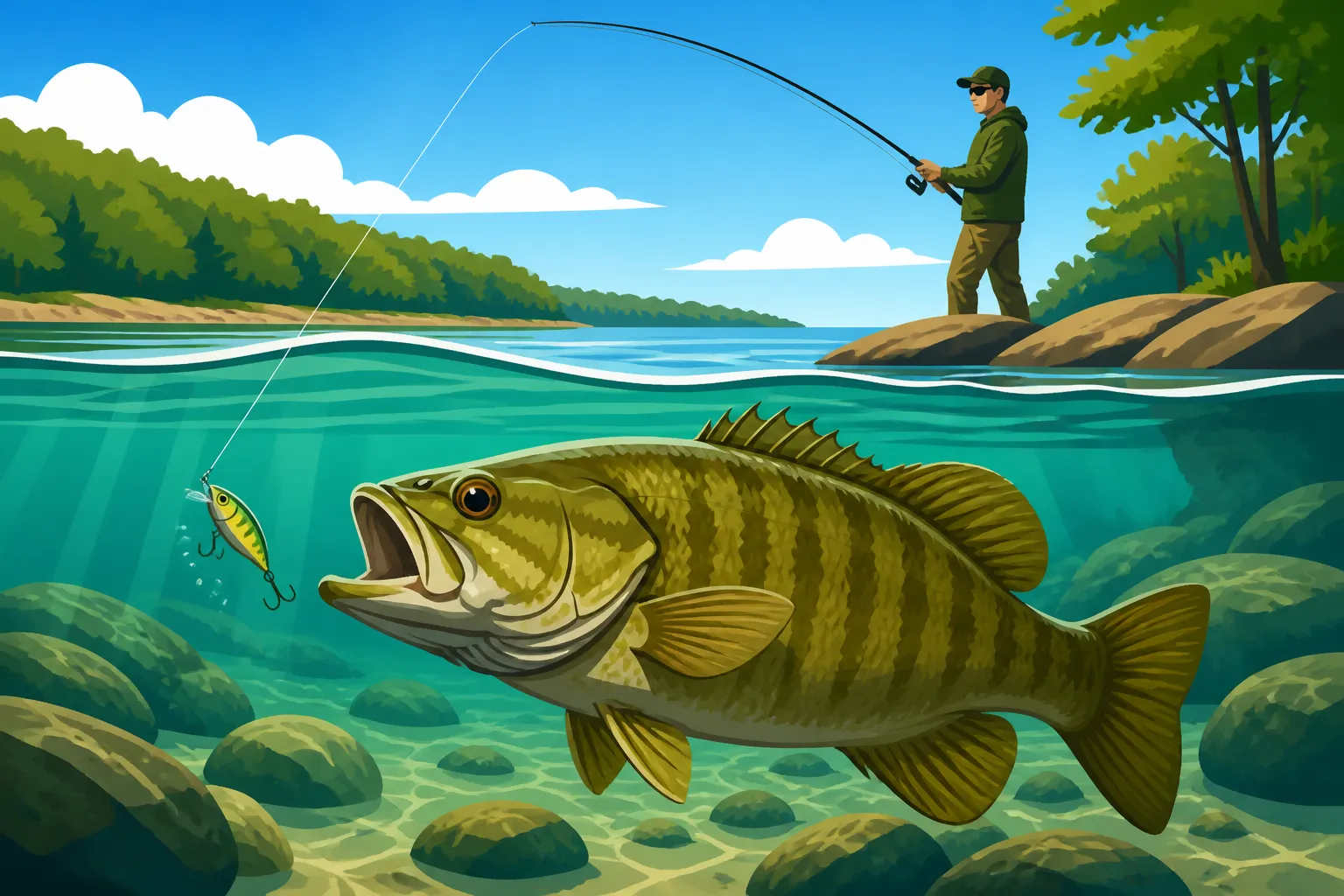
Kinkaid Lake’s Clear-Water Spots for Smallmouth Bass
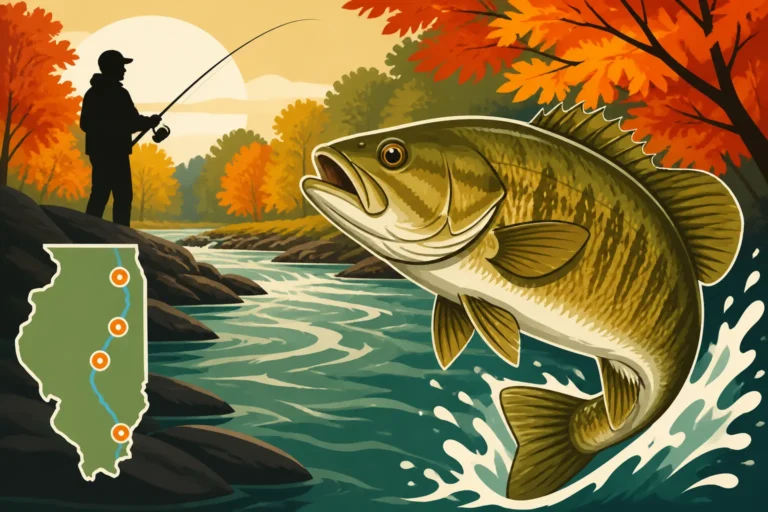
Trying to pinpoint smallmouth bass in the clear, pristine waters of Kinkaid Lake can feel like searching for a ghost – they're there, you know it, but getting them to commit can be a whole different challenge compared to the murkier lakes across Illinois. This guide is dedicated to breaking down those tricky clear-water conditions, helping you unlock the secrets to consistently finding and catching smallmouth in Kinkaid's breathtaking, yet sometimes frustrating, environment.
Understanding Kinkaid Lake's Unique Waters for Smallmouth Bass
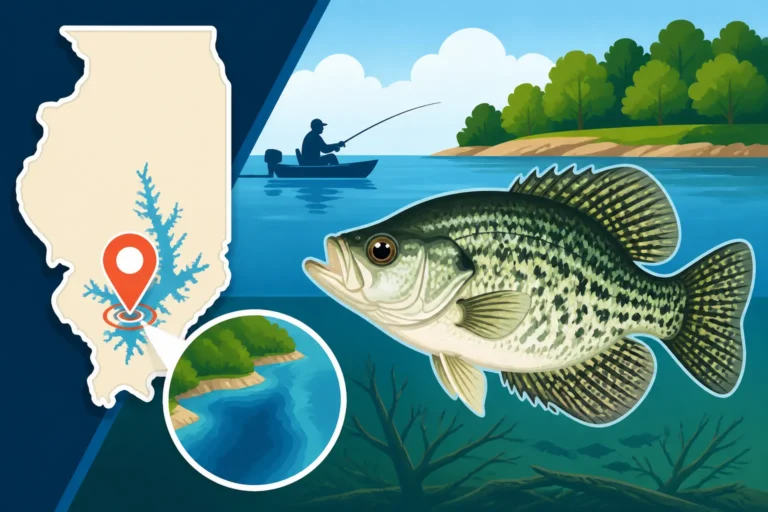
Kinkaid Lake, nestled in Jackson County, is a gem for Illinois anglers, but it certainly marches to the beat of its own drum. Unlike many of the more turbid, shallower reservoirs found throughout the state, Kinkaid boasts a characteristically clear water column and a very distinct structure that makes it an absolute magnet for smallmouth bass. However, this clarity, while beautiful, also presents a unique set of challenges that can leave many anglers scratching their heads.
Why Kinkaid Lake is a Smallmouth Haven
Kinkaid Lake isn't just another body of water; it’s practically tailor-made for smallmouth bass. Its deep, clear, and rocky structure provides the perfect habitat for these bronze beauties. The lake's irregular shoreline features numerous coves, steep rocky bluffs, and extensive submerged timber, all of which smallmouth absolutely adore. The water clarity is often exceptional, especially compared to some of the sprawling, often turbid, flatter lakes like Rend Lake or Carlyle Lake. This allows light to penetrate deeper, fostering different types of forage and vegetation, and influencing how smallmouth hunt.
The lake's forage base is also incredibly rich and diverse, offering a smorgasbord for smallmouth. You'll find plenty of shad, sunfish, and a healthy population of crayfish, which are a primary food source for larger smallmouth. The cool, oxygenated water in the deeper sections, combined with ample structure and a reliable food supply, creates an ecosystem where smallmouth not only survive but thrive, often growing to impressive sizes. It’s this combination of environmental factors that sets Kinkaid apart as one of the premier smallmouth fisheries in Illinois. If you're looking for a change from targeting largemouth, Kinkaid is definitely worth the trip.
The Challenge of Clear Water Fishing
While Kinkaid's clear water is stunning, it's also the primary reason many anglers find smallmouth fishing here particularly challenging. In highly transparent water, fish have excellent visibility. This means they can easily spot your boat, your shadow, and even your fishing line, often spooking before you even have a chance to present a bait. It can be incredibly frustrating to see fish on your sonar, only to have them vanish the moment you get close or make a cast.
This enhanced visibility forces smallmouth to be much warier and more discerning about what they strike. They have more time to inspect a lure, detecting unnatural colors, shapes, or presentation styles that might pass unnoticed in murkier conditions. The bite windows can be shorter, and the fish might hold tighter to cover, making them harder to entice into open water. Anglers who are accustomed to pitching heavy jigs or spinnerbaits in stained water often find that those tactics simply don't produce the same results here. It truly demands a different approach and a commitment to finesse.
Key Structures and Clear-Water Hotspots on Kinkaid Lake
Navigating Kinkaid Lake's clear waters successfully hinges on understanding where smallmouth position themselves relative to structure. These fish are masters of their environment, using the lake's unique features to their advantage, whether it's for ambush, protection, or simply avoiding detection. Learning to read these structures is paramount, especially when the water is crystal clear.
Rocky Points and Bluff Walls
Rocky points and bluff walls are arguably the bread and butter of Kinkaid Lake smallmouth fishing, especially in clear water. These areas offer immediate access to deep water, providing smallmouth with a quick escape route when they feel pressured. The rocks themselves absorb heat, creating microclimates, and they also provide shelter for crayfish, a primary food source. Smallmouth will often position themselves on the deeper side of points, or slightly off the face of a bluff, waiting to ambush baitfish that swim by.
When you're working these spots, pay close attention to subtle changes in depth, rock size, and any small ledges or overhangs. These are often prime ambush points. The sun's angle also plays a crucial role; smallmouth will often hug the shady side of a bluff, especially on bright, sunny days, to avoid direct sunlight and maintain their camouflage. Fan-casting across these points and along the bluff lines, focusing on where the structure meets deeper water, is a highly effective strategy.
Submerged Timber and Brush Piles
While Kinkaid is known for its rock, don't overlook the abundance of submerged timber and brush piles that litter its depths. These underwater forests offer incredible cover for smallmouth, acting as both ambush points and safe havens. In clear water, fish will often tuck tight into the densest parts of this cover, making them harder to spot and even harder to extract. Finding these hidden gems often requires good electronics, like a reliable fish finder, to pinpoint their exact location.
Smallmouth will use timber at various depths, from shallow, standing trees in flooded coves during higher water to deep, sunken logs along old creek channels. The trick is to present your lure in a way that gets right into their living room without getting snagged constantly. Finesse jigs, Texas-rigged worms, or small swimbaits that can be worked slowly through the branches are often the most productive. Remember, the clearer the water, the tighter they'll often hold to this protective cover.
Creek Channels and Transition Areas
Old creek channels winding through Kinkaid Lake serve as vital underwater highways for smallmouth, especially during seasonal migrations or when they're actively hunting. These channels, now submerged, create distinct depth changes and current breaks that smallmouth use to their advantage. Transition areas, where one type of bottom (like rock) meets another (like sand or mud), are also key, as these often concentrate forage. In clear water, these subtle changes become even more important as smallmouth rely heavily on structure and depth contours for their movements.
Fishing these areas often means targeting the edges of the channel or where the channel swings close to a rocky point or bluff. Smallmouth will patrol these deeper pathways, moving up onto shallower flats to feed during low light or when baitfish are present. Using a contour map or your boat's GPS to follow these submerged channels can be incredibly effective. Consider vertical jigging or slow-trolling crankbaits along these breaks, particularly when the fish are less active.
Mastering Clear-Water Techniques for Kinkaid Smallmouth
Catching smallmouth in Kinkaid's clear water isn't just about finding them; it's about presenting your bait in a way that fools these highly discerning fish. You need to adjust your approach significantly from techniques you might use on other Illinois lakes. The key is finesse, natural presentation, and a healthy dose of stealth.
Finesse Presentations for Spooky Fish
When smallmouth can see everything, your approach needs to be as subtle and natural as possible. This is where finesse techniques truly shine. Forget heavy line and gaudy lures; think light tackle, fluorocarbon lines, and understated presentations.
- Drop Shots: This technique allows your bait to suspend directly in the fish's strike zone, often just above the bottom, giving it a subtle, natural movement with minimal rod action. Rig a small, soft plastic minnow or worm (think 3-4 inches) on a straight-shank hook, 6-12 inches above a small sinker. Cast it to rocky points or over deep timber, letting it soak and subtly shaking the rod tip. The bait stays put while the weight rests on the bottom, a perfect setup for finicky smallmouth.
- Shaky Heads: A shaky head jig, typically a light wire hook molded with a small lead head, pairs perfectly with a straight-tail worm. The unique head design allows the worm to stand upright off the bottom, mimicking a feeding or curious creature. Cast it out, let it sink, and slowly drag it or lightly shake it on the retrieve. This works wonders on rocky bottoms and ledges where smallmouth might be rooting around for crayfish.
- Ned Rigs: The Ned rig, a super-finesse presentation, has exploded in popularity for a reason: it simply catches fish, especially in clear, pressured waters. It consists of a small mushroom-shaped jig head (1/16 to 1/8 oz) and a short, buoyant soft plastic (like a Z-Man TRD). The bait stands upright, creating an irresistible, subtle presentation that mimics a bottom-feeding or dying baitfish. The buoyancy of the plastic keeps it from laying flat, making it more visible and enticing. This is a must-try for slow days on Kinkaid.
The beauty of these techniques is their ability to mimic natural forage without alarming the fish. Light fluorocarbon line (6-8 lb test) is crucial here, as its low visibility in water can make all the difference. Remember, the slower and more subtle, the better in Kinkaid's clear waters.
Matching the Hatch with Natural Baits
In clear water, smallmouth are often highly tuned into the natural forage available. This means paying attention to what's in the water and selecting lures that closely imitate those food sources. On Kinkaid Lake, crayfish, shad, and various sunfish are primary food items.
- Crayfish Imitations: Soft plastic tubes, creature baits, and small jigs in colors like green pumpkin, brown, or black with blue flake are excellent choices. Work these slowly along the bottom, mimicking a crawling crayfish. Smallmouth have keen eyesight in clear water and will often key in on the subtle movements and antenna-like appendages of these baits. A jig-and-craw combo is a classic for a reason.
- Shad and Minnow Patterns: If you see schools of baitfish, switch to small swimbaits, jerkbaits, or even clear-colored crankbaits that mimic shad or minnows. Look for lures with natural finishes and transparent bodies. Small, slender jerkbaits in silver, white, or light blue can be deadly when twitched erratically near rocky points or over submerged timber. Consider using "Best Lures for Smallmouth Bass in Spring" for specific recommendations tailored to the season.
- Subtle Colors: In clear water, "less is more" often applies to color. Opt for natural, translucent, or muted tones over bright, opaque colors. Greens, browns, grays, and clear with glitter often outperform chartreuse or bright reds. The idea is to blend in, not stand out. Sometimes, a simple, clear plastic worm or swimbait is all it takes to get a bite when other colors fail.
The Importance of Stealth and Positioning
In clear water, every move you make, every sound, and every shadow cast can spook fish. Stealth isn't just a suggestion on Kinkaid; it's a necessity. This means a careful approach, mindful boat positioning, and smart casting.
- Maintain Distance: Avoid motoring directly over the spots you intend to fish. Approach silently using a trolling motor or even by paddling if you're in a kayak. Make long casts, especially towards shallow points or flats, to avoid letting the fish see your boat or line in the water. Longer rods (7' to 7'6") can aid in making those crucial long casts.
- Use the Wind and Sun to Your Advantage: Position your boat downwind from your target, allowing you to drift silently into casting range. When the sun is high, keep it at your back or to the side so your shadow doesn't fall directly on your fishing spot. Fishing in low light conditions, like dawn or dusk, often negates some of the challenges of clear water, as fish feel more confident moving into shallower water.
- Quiet Movement: Minimize noise in the boat. Dropping weights, clanging tackle boxes, or loud conversations can transmit through the water and send smallmouth fleeing. Think of yourself as a hunter stalking wary prey – every detail matters. Employing good "Boat Fishing Techniques" and understanding how sound travels underwater can significantly improve your success rate.
Seasonal Considerations for Kinkaid Lake Smallmouth
The clear waters of Kinkaid Lake influence smallmouth behavior throughout the year, meaning your tactics will need to evolve with the seasons. What works in the spring won't necessarily produce in the heat of summer, and vice versa. Understanding these seasonal shifts is crucial for consistent success. You might also want to check out the "Illinois Fishing Seasons Guide" for a broader perspective on fish activity year-round.
Spring Pre-Spawn and Spawn
As Kinkaid Lake's waters begin to warm in the spring, smallmouth transition from their deeper winter haunts to shallower areas for the pre-spawn and spawning period. This is often one of the most exciting times to target them. Look for fish moving onto rocky flats, gravel beds, and protected coves, particularly on the north-facing banks that receive more sunlight. Water temperatures in the low to mid-50s often trigger this movement.
During the pre-spawn, smallmouth are actively feeding to bulk up for the spawn, making them more aggressive. Jerkbaits, crankbaits that dive to medium depths, and jigs are excellent choices. As the water warms further (mid-50s to low 60s), fish will move onto their beds. At this point, focus on pitching soft plastic tubes, shaky heads, or Ned rigs to visible beds or likely spawning areas. Remember to be respectful of spawning fish and consider catch-and-release to protect the fishery.
Summer Deep Water and Low Light
When the scorching Illinois summer hits, Kinkaid's clear waters mean smallmouth often retreat to deeper, cooler, and more oxygenated sections of the lake. They'll relate tightly to deep structure like bluff walls, submerged humps, old creek channels, and dense timber where they can find relief from the heat and bright sun. Low-light conditions, such as early morning, late evening, or even night fishing, can bring them shallower to feed.
Targeting summer smallmouth often involves vertical presentations. Drop shots are incredibly effective, allowing you to present a bait precisely to fish holding tight to structure at specific depths. Deep-diving crankbaits can also be productive when trolled or cast along deep breaks. Consider using heavier jigs (1/2 oz to 3/4 oz) to get down quickly to the fish. Focus on areas with a good thermocline, as smallmouth will often hold just above or within this zone.
Fall Feeding Frenzy
As temperatures begin to drop in the autumn, smallmouth on Kinkaid Lake enter a "feeding frenzy" phase, aggressively gorging themselves in preparation for winter. This is a fantastic time for active fishing, as fish often become more predictable and willing to chase. They'll start to move back to shallower points and flats, following schools of baitfish that are also moving into accessible areas.
Spinnerbaits, lipless crankbaits, and swimbaits are excellent choices for covering water and locating these active, schooling fish. Topwater lures can also produce explosive strikes, especially on calm, overcast days or during the early morning hours. Focus on major points, creek channel bends, and areas where baitfish are congregating. The clear water means they'll be able to see your lures from a distance, so vibrant, natural colors can often draw strikes. The cooler water temperatures make for some of the best fishing of the year.
Kinkaid Lake Smallmouth Fishing Tactics Summary
| Season | Primary Location | Key Structure Types | Recommended Techniques | Lure Types/Colors |
|---|---|---|---|---|
| Spring | Rocky flats, gravel beds, protected coves, north banks | Points, ledges, gradual slopes, submerged wood | Jerkbaits, jigs, shaky heads, Ned rigs | Shad patterns, natural minnows, green pumpkin, brown |
| Summer | Deep water, thermocline level, shady areas | Bluff walls, deep humps, creek channels, timber | Drop shot, deep crankbaits, heavy jigs | Natural minnow, crayfish, clear/silver, dark colors |
| Fall | Main lake points, creek mouths, baitfish schools | Secondary points, channel edges, rock piles | Spinnerbaits, lipless cranks, swimbaits, topwater | Shad/perch patterns, crawfish, chartreuse/white, silver |
Disclaimer
Fishing conditions and regulations in Illinois can change. Always consult the latest Illinois Department of Natural Resources (IDNR) fishing guide and local regulations before heading out on the water. This article is for informational purposes only and does not constitute official legal or safety advice.