Lake Shelbyville Shore Access for Bank Anglers
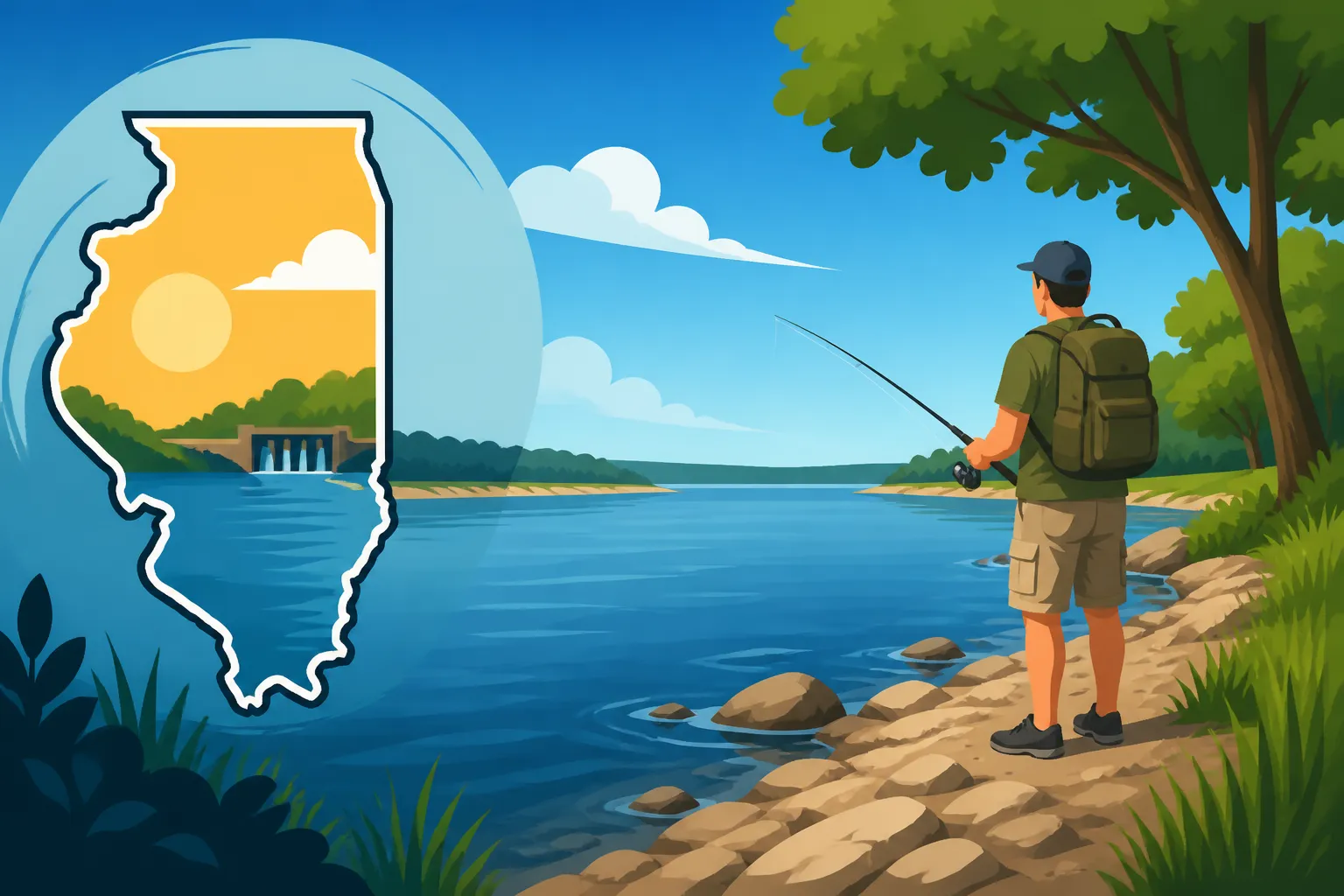
Trying to find a great fishing spot on a massive lake like Lake Shelbyville without a boat can feel like searching for a needle in a haystack. Many anglers get frustrated, driving around, only to encounter private property signs or thick, impassable brush, leaving them wondering where they can actually wet a line from shore. This comprehensive guide is designed to cut through that confusion, showing you exactly where to access Lake Shelbyville's abundant waters from the bank, what to expect, and how to make the most of your shore fishing adventure.
The Challenges of Bank Fishing on Large Lakes
It's a common misconception that all lakes offer easy bank access. For a reservoir as vast and sprawling as Lake Shelbyville, with its 11,100 acres of water and over 250 miles of shoreline, the reality can be quite different. You might imagine strolling up to the water's edge anywhere you please, but the truth is, much of that shoreline is either privately owned, dense with vegetation, or simply too steep and rugged to fish safely or effectively. This can be incredibly disheartening, especially if you’ve traveled a good distance with high hopes.
Navigating Expansive Shorelines and Private Property
One of the biggest hurdles bank anglers face on a lake of this scale is simply identifying where public access points truly begin and end. The lines between public land managed by the U.S. Army Corps of Engineers and private residences can be blurry, and you definitely don't want to trespass. It’s not just about avoiding legal trouble; it’s about respecting local landowners and ensuring you're fishing where you're allowed. Many parts of the lake are lined with vacation homes, cabins, and private docks, making it tough to find a stretch of open bank. Without a clear understanding of the designated access points, you can waste a lot of precious fishing time just driving around, peering through trees, and feeling more frustrated than excited.
Then there's the sheer physical challenge. Even on public land, the shoreline can be heavily wooded, marshy, or have a steep drop-off that makes casting or even reaching the water difficult. You might find what looks like a promising spot on a map, only to arrive and discover a jungle of briars or a muddy bank that swallows your boots. These aren't just minor annoyances; they can make or break a fishing trip, especially for families or those with limited mobility.
Finding Productive Spots Without a Boat
Another significant challenge is figuring out where the fish are hiding when you're restricted to the bank. Boat anglers have the luxury of exploring countless coves, points, and deep-water structures. As a shore angler, you're relying on the fish coming to you, or at least being within casting distance of where you can stand. This means you need to be strategic about your location. Simply finding a spot where you can cast isn't enough; you need to find a spot where fish are likely to be present and actively feeding.
Many of the most popular species in Lake Shelbyville, such as crappie, walleye, and larger bass, often relate to submerged structures, old creek channels, or deeper ledges that are typically out of reach for the bank angler. It takes a bit more local knowledge and a keen eye for subtle shoreline features that might indicate a productive area. Without that insight, you might find yourself casting endlessly into barren water, wondering why you're not getting any bites while boaters nearby are reeling them in. It's a common frustration, but with the right approach, bank fishing on Lake Shelbyville can absolutely be rewarding.
Prime Shore Access Points on Lake Shelbyville
Despite the challenges, Lake Shelbyville offers several fantastic public access points that are perfect for bank anglers. These areas are managed by either the U.S. Army Corps of Engineers or the Illinois Department of Natural Resources (IDNR), ensuring they are open to the public and often well-maintained. Knowing these spots can save you a ton of time and vastly improve your fishing experience. Many local anglers rely on these specific locations for consistent action, and they’re often well-known for producing good catches.
State Parks and Recreation Areas
Lake Shelbyville is surrounded by several excellent state parks and recreation areas that provide ample shoreline access, often with amenities like parking, restrooms, and even picnic areas. These are usually the easiest and safest places to start your bank fishing journey.
- Wolf Creek State Park: Located on the east side of the lake, Wolf Creek State Park is a perennial favorite for many reasons. It boasts extensive shoreline access, particularly around the day-use areas and campgrounds. You'll find numerous points and coves accessible by foot. Anglers here often target crappie in the spring, bass throughout the warmer months, and even catfish closer to the main lake points. The park's varied shoreline, with both rocky stretches and gradual slopes, provides diverse fishing opportunities. If you're looking for a spot that's generally well-maintained and offers good parking, Wolf Creek is a solid choice. This is also a fantastic place to introduce new anglers, as the facilities make it a comfortable outing.
- Eagle Creek State Park: On the west side, Eagle Creek State Park provides similar benefits. The park offers shoreline access along various sections, including areas near the boat ramps and camping loops. Like Wolf Creek, it's known for bass, crappie, and bluegill. The public areas within Eagle Creek are typically easy to navigate, with trails and open grassy banks leading down to the water. Anglers often find success fishing around submerged timber near the shoreline or casting out to deeper water off points. Both Wolf Creek and Eagle Creek are excellent starting points for anyone looking for Best Bank Fishing Spots in Illinois on Lake Shelbyville.
Managed Public Access Sites
Beyond the state parks, the U.S. Army Corps of Engineers manages numerous smaller recreation areas and access points scattered around the lake. These might not have the same extensive amenities as state parks, but they often provide excellent, less crowded fishing opportunities.
- Dam West Recreation Area: This area, located near the dam itself, offers prime access to deeper water. The rip-rap along the dam face and nearby shorelines can hold a variety of species, including walleye, catfish, and white bass, especially during their seasonal runs. The rocky structure provides cover and attracts baitfish. It's a popular spot, so you might share the bank with other anglers, but the fishing can be exceptionally good. Just be mindful of safety around the dam area and respect any restricted zones.
- Lithia Springs Recreation Area: Situated on the lower end of the lake, Lithia Springs offers several spots for bank fishing, particularly around its campground and picnic areas. The shoreline here features a mix of rocky points and shallower coves, making it versatile for targeting different species. Crappie and bass are commonly caught here, and it’s a great option for those looking for Lake Shelbyville's Best Spots for First-Time Anglers due to its accessibility and varied fishing opportunities.
- Opossum Creek Recreation Area: Another Corps of Engineers site, Opossum Creek, provides more secluded bank access, particularly good for those seeking a bit more solitude. The coves and points here can be excellent for bass and panfish. These managed sites are often less developed than the main state parks but provide that crucial access to productive waters. When planning a trip, consider checking out available options through platforms like FishingBooker, which sometimes list guides or local insights for these areas, even if you’re fishing from shore.
Lesser-Known Bank Fishing Nooks
For the adventurous angler, there are also numerous smaller, less obvious spots around Lake Shelbyville that can produce excellent fishing. These often require a bit more exploration, but the reward can be less crowded waters and untouched fish.
- Roadside Pull-offs and Bridge Crossings: Throughout the area, many secondary roads cross coves or run very close to the lake. While you need to be extremely cautious of private property and traffic, some of these spots offer narrow strips of public land or road right-of-ways that allow for a few casts. Bridges, in particular, can be fish magnets, as the pilings provide structure and current breaks. Always exercise extreme caution with traffic and ensure you're not blocking access or trespassing.
- Undeveloped Corps of Engineers Land: The Corps of Engineers manages vast tracts of undeveloped land around Lake Shelbyville. While these areas lack amenities and maintained trails, if you're willing to hike a bit, you can often find fantastic, secluded fishing spots. Use a good mapping app (like onX Hunt or even Google Maps satellite view) to identify public land and look for accessible stretches of shoreline. These spots might require bushwhacking, but they offer true solitude and often productive, undisturbed waters. These aren’t listed on typical guides, but they are often where locals truly fish for big catches, giving a taste of Lake Shelbyville, Illinois: Where Locals Actually Fish.
Essential Gear and Tips for Lake Shelbyville Bank Anglers
Bank fishing on Lake Shelbyville requires a bit of preparation and the right gear to maximize your chances of success. You won't have the convenience of a boat's rod lockers or tackle storage, so being efficient and smart with what you carry is key.
Recommended Rods, Reels, and Tackle
When you're hoofing it to a spot, portability is paramount. You don't want to be lugging around five different rod and reel combos.
- Versatile Rod and Reel Setup: A medium-light to medium power spinning rod, typically 6'6" to 7' in length, is a fantastic all-around choice. Pair it with a 2500 or 3000 series spinning reel spooled with 8-10 pound test monofilament or fluorocarbon, or even braided line with a fluorocarbon leader. This setup is light enough for panfish and crappie, yet robust enough to handle decent-sized bass or channel catfish. It offers good casting distance, which is crucial for bank anglers. For species like bass, a medium-heavy baitcasting setup might also be useful if you're throwing heavier lures. If you're looking for specialized advice, many resources on Best Rods for Illinois Largemouth Bass or Ultralight Tackle for Panfish Fishing can provide deeper insights.
- Essential Terminal Tackle: Keep your tackle box streamlined. You'll want a good selection of hooks (sizes 1/0 to 6 for catfish and bass, smaller sizes 4-8 for crappie and bluegill), an assortment of sinkers (split shot, bullet weights, egg sinkers), and bobbers (slip bobbers are versatile). Don't forget swivels and snaps.
- Lures and Baits: Pack a variety that covers different situations. For bass, consider creature baits, jigs, spinnerbaits, and a few crankbaits. For crappie and panfish, small jigs, minnows, and wax worms are killers. Catfish anglers will want punch baits, cut bait, or nightcrawlers. Check out a guide to Seasonal Bait Selection Guide for more in-depth advice on what's biting when.
Here's a quick reference table for a versatile bank fishing setup:
| Category | Recommended Item | Notes |
|---|---|---|
| Rod | 6'6" – 7' Medium to Medium-Light Spinning Rod | Good all-around sensitivity and casting power. |
| Reel | 2500 – 3000 Series Spinning Reel | Balanced with rod, sufficient line capacity. |
| Line | 8-10 lb Monofilament or Fluorocarbon (or Braid w/ leader) | Versatile for various species and lure types. |
| Hooks | Assorted J-hooks (sizes 1/0-6), Treble Hooks (size 4-6) | Cover panfish to catfish. |
| Sinkers | Split Shot, Bullet Weights, Egg Sinkers (1/8 oz – 1 oz) | Adapt to depth and current. |
| Bobbers | Slip Bobbers | Adjustable for different depths, crucial for crappie and panfish. |
| Lures | Jigs (1/16 – 1/4 oz), Soft Plastics, Spinnerbaits, Small Crankbaits | Cover bass, crappie, and panfish. |
| Live Bait | Minnows, Worms, Cut Bait | Often outperform artificials, especially for panfish and catfish. |
| Pliers/Snips | Essential for hook removal and line cutting. | Safety and efficiency. |
| Net | Collapsible Landing Net | Saves fish and makes landing easier, especially for bigger catches. |
Reading the Water from Shore
Being able to "read the water" is an invaluable skill for any angler, but especially for those fishing from the bank. Since you can't move around as freely as a boater, identifying productive zones from your fixed position is critical.
- Look for Structure: Anything that provides cover or ambush points for fish is a potential hot spot. This includes submerged logs, fallen trees (laydowns), rock piles, weed lines, and even changes in bottom contour. On Lake Shelbyville, many shorelines will have visible timber or brush.
- Observe Current and Eddies: If you're near a creek arm or the dam, pay attention to water movement. Eddies (calm spots behind obstructions) can be prime resting and feeding areas for fish, especially walleye and white bass.
- Identify Depth Changes: While hard to see directly, you can often infer depth changes. A steep bank above water often indicates a steep drop-off below, perfect for deeper-dwelling fish. Points that extend into the lake are also excellent because they act as fish highways and offer varied depths.
- Watch for Baitfish and Surface Activity: Seeing schools of baitfish flickering on the surface or larger fish busting them is a dead giveaway that predators are nearby. Heron, osprey, or even other anglers catching fish can indicate activity.
Safety and Etiquette for Bank Fishing
Bank fishing is generally very safe, but being on foot, especially in potentially remote areas, means you need to take some precautions.
- Be Aware of Your Surroundings: Watch for uneven terrain, poison ivy, snakes, and other wildlife. Let someone know where you're going and when you expect to be back, especially if you're exploring less-traveled areas.
- Respect Private Property: Always double-check signage and maps to ensure you’re on public land. When in doubt, don't fish there. A bad interaction can spoil the day for everyone.
- Leave No Trace: Pack out everything you pack in, and if possible, pick up any litter you find. We all want to enjoy clean, healthy waterways. This includes discarded fishing line, which can be deadly to wildlife.
- Be Mindful of Others: If an area is crowded, try to give other anglers space. Don't cast over their lines or walk directly in front of them if they are actively fishing. A little courtesy goes a long way, and you might even pick up some local tips. Many resources like Bank Fishing Tips for Beginners will reiterate these critical points for a pleasant experience.
Maximizing Your Catch from Lake Shelbyville's Banks
Catching fish consistently from the bank on a large lake like Shelbyville requires more than just showing up and casting. It's about understanding fish behavior, adapting to the conditions, and employing effective techniques.
Seasonal Strategies for Different Species
Fish behavior changes dramatically with the seasons, and understanding these patterns is crucial for bank anglers.
- Spring (Pre-Spawn and Spawn): This is arguably the best time for bank anglers, especially for crappie, bluegill, and bass. As water temperatures rise, these fish move into shallower water to spawn, making them highly accessible from shore. Look for warmer, protected coves and shallow flats. Crappie will often be found around submerged brush, while bass might be on gravel beds or rocky points. For more detailed information on when bass start their ritual, check out Illinois Bass Spawn Timing Guide.
- Summer: Fish tend to move deeper to escape the heat and bright sunlight during summer. This can make bank fishing tougher, but not impossible. Focus on early mornings, late evenings, or even night fishing. Target areas with deeper water access from shore, like drop-offs near the dam or points that extend into the main lake. Catfish become very active in summer and are often catchable from the bank using stink baits or cut bait.
- Fall: As water temperatures cool, fish become more active again, feeding heavily to prepare for winter. They often move shallower, similar to spring, making them accessible. Look for bass and crappie near dying weed lines or along rocky shorelines. Walleye can also be caught from the banks, especially around rocky areas near creek channels.
- Winter (Ice Fishing – if applicable): While not strictly "bank fishing," ice fishing offers excellent access to parts of the lake from what was once the shoreline. Lake Shelbyville does offer ice fishing opportunities in certain areas when the ice is safe. Target coves and protected bays for panfish and even walleye. Always prioritize ice safety.
Best Baits and Lures for Shore Angling
Choosing the right bait or lure for your target species and the conditions is paramount.
- Crappie and Panfish: For these schooling fish, consistency is key. Small jigs (1/16 to 1/8 oz) tipped with a minnow or a small plastic grub are deadly. Suspend them under a slip bobber near submerged brush or structure. For a deeper dive into techniques, refer to Crappie Fishing Techniques for Spring. Live minnows are incredibly effective, especially in spring. Don't overlook wax worms or red worms for bluegill; they're almost irresistible. You can get more specifics by reading about Bluegill Fishing Techniques for Beginners.
- Largemouth and Smallmouth Bass: Bank anglers can have great success with bass using a variety of lures. Spinnerbaits and chatterbaits are excellent for covering water and triggering reaction strikes. Soft plastic baits (worms, creature baits) rigged Texas or Carolina style are great for fishing around cover. Topwater lures can be thrilling during low light conditions. Crankbaits that mimic baitfish are also very effective, especially shallow divers. Many local guides on FishingBooker can attest to the effectiveness of these baits in the region.
- Catfish: Lake Shelbyville is renowned for its catfish, and they are incredibly accessible from the bank. The best baits are often smelly and natural. Cut bait (shad, skipjack herring), nightcrawlers, chicken livers, and various prepared stink baits or punch baits are top choices. Use a simple bottom rig with an egg sinker above a swivel and an 18-24 inch leader to a large circle hook. Learn more about Catfish Bottom Fishing Techniques for detailed instructions.
- Walleye: While often associated with boat fishing, walleye can be caught from the bank, particularly during low light or at night, especially around rocky points or rip-rap. Jigs tipped with a minnow or a soft plastic, deep-diving crankbaits, or even live nightcrawlers on a bottom rig can entice them.
Remember, the best lure or bait can change daily, so it's always wise to have a small assortment to experiment with. Pay attention to what the fish are telling you – if one presentation isn't working, try something different.
Disclaimer
The information provided in this guide is for general informational purposes only. Fishing regulations, license requirements, and local access rules can change. Always consult the latest Illinois Department of Natural Resources (IDNR) fishing regulations and local signage before fishing. Be aware of private property boundaries and exercise caution and good judgment when exploring new areas. Fishing and outdoor activities inherently carry risks; please prioritize your safety and the safety of those with you.