Best Boat Ramps on Carlyle Lake
Finding the perfect boat ramp on a massive body of water like Carlyle Lake can feel like an overwhelming task, especially when you're eager to get your lines wet and not waste precious fishing time searching for decent access. Many anglers experience the frustration of crowded launches, shallow water, or ramps ill-suited for their vessel, which is why this comprehensive guide will walk you through the best boat ramps on Carlyle Lake, ensuring your next Illinois fishing adventure starts smooth and stress-free.
The Challenge of Launching on a Big Lake Like Carlyle
Carlyle Lake isn't just any fishing hole; it's the largest man-made lake in Illinois, sprawling over 26,000 acres. This vastness, while fantastic for diverse fishing opportunities, can also present quite a logistical challenge when it comes to simply getting your boat in the water. You can't just pick any spot and expect a smooth launch, especially if you're unfamiliar with the area or if the lake levels are fluctuating. Anglers often face issues with ramp conditions, parking availability, and proximity to their desired fishing grounds, making a well-chosen launch point crucial for a successful day.
Why Carlyle Lake Demands Good Ramp Knowledge
Imagine driving for hours, boat in tow, only to arrive at a ramp that’s either too steep for your trailer, too shallow for your keel, or completely swamped due to recent rains. It’s a disheartening scenario that can easily sour a highly anticipated fishing trip. Carlyle Lake's size means that different sections of the lake offer access to varying depths and types of fishing. If you're targeting the stump fields for bass in the upper reaches, you'll want a ramp that gets you there efficiently. If you're chasing crappie in the deeper timber, a different launch point might be ideal. Knowing which ramp serves your specific needs is paramount to maximizing your time on the water.
Moreover, Carlyle Lake is popular not just with anglers, but with recreational boaters, campers, and general outdoor enthusiasts. This popularity, particularly during peak seasons and weekends, means that ramps can become incredibly busy. A well-informed choice can help you avoid long waits and crowded parking lots, giving you a better start to your day. It’s not just about getting in the water; it’s about getting in efficiently and safely.
Common Frustrations with Public Ramps
We’ve all been there: pulling into a boat ramp parking lot only to find it overflowing, or worse, having to back your boat down a ramp covered in slippery algae. These are common headaches that can plague public boat ramps everywhere, and Carlyle Lake is no exception. Some ramps might lack adequate lighting for early morning or late-night launches, while others might not have sufficient dock space for tying up while you park your trailer. Another frustration can be the lack of amenities, like nearby restrooms or bait shops, which can add extra travel time to your already busy morning.
Then there's the challenge of water levels. Carlyle Lake is a flood control reservoir managed by the U.S. Army Corps of Engineers, which means water levels can fluctuate significantly. A ramp that was perfectly usable last month might be a muddy mess or an inaccessible cliff face today. Relying on outdated information can lead to major disappointment. That's why having up-to-date information on ramp conditions is just as important as knowing their location and features.
Top-Tier Boat Ramps on Carlyle Lake for Every Angler
When it comes to getting your boat on Carlyle Lake, you're looking for reliability, convenience, and functionality. Thankfully, Carlyle Lake boasts several excellent boat ramps, many maintained by the U.S. Army Corps of Engineers and the Illinois Department of Natural Resources (IDNR), designed to accommodate various types of boats and angler preferences. The best ramps are typically those that offer multiple lanes, ample parking, security lighting, and a well-maintained surface that extends far enough into the water to be usable even during lower lake levels.
Key Features of High-Quality Ramps
What truly distinguishes a top-tier boat ramp from a mediocre one? First and foremost, sufficient concrete or paved ramp length. This ensures that even with fluctuating water levels, you can still get your boat in and out without dunking your trailer hubs too deep or scraping your keel on submerged obstacles. A good ramp also features robust, easy-to-access courtesy docks, allowing you to tie off your boat safely while you park your vehicle and trailer.
Ample parking is another non-negotiable feature. There's nothing worse than launching your boat only to realize there's no space for your truck and trailer, forcing you to go on a scavenger hunt in unfamiliar territory. Top ramps have designated boat trailer parking, often clearly marked, to prevent congestion and make the experience smoother for everyone. Lastly, consider amenities like nearby restrooms, fish cleaning stations, and perhaps even a local bait and tackle shop. These small conveniences can make a big difference in the overall enjoyment and efficiency of your trip.
Deep-Water Ramps for Larger Boats and Tournament Anglers
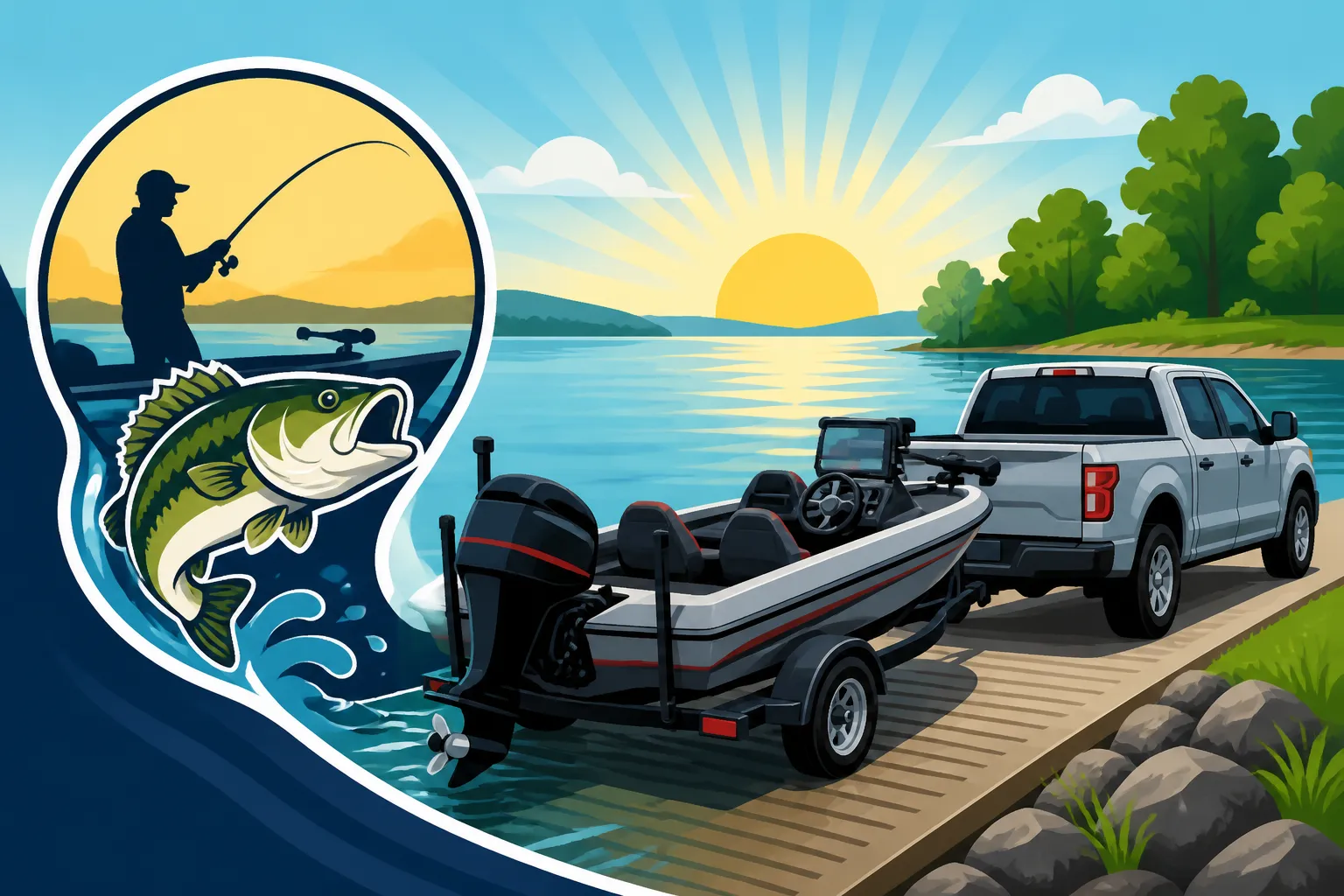
For those with larger bass boats, walleye rigs, or even modest cabin cruisers, shallow ramps are a nightmare. You need a ramp that offers consistent deep water access, even when the lake levels dip. This is especially true for tournament anglers who often launch before dawn and retrieve their boats after dark, requiring maximum efficiency and minimal risk of damage. Ramps like Dam West and Keyesport are renowned for their deeper water access, making them favorites for those running larger vessels or boats with deeper drafts.
These ramps are typically designed with multiple lanes, allowing several boats to launch or retrieve simultaneously, which is crucial during high-traffic events like fishing tournaments. The surrounding infrastructure, including wide turning radii and well-maintained access roads, also contributes to their appeal for larger rigs. If you're participating in a competitive event or simply prefer the comfort and safety of a larger boat, prioritizing these deeper, more robust ramps will save you a lot of grief. For a more general overview of where to fish, check out our guide on Best Boat Ramps on Lake Shelbyville as well for comparisons.
Exploring Specific Carlyle Lake Boat Ramps and Their Unique Benefits
Carlyle Lake is ringed with various access points, each offering its own set of advantages depending on where you plan to fish and what kind of experience you’re looking for. Understanding the specifics of each major ramp can significantly enhance your trip planning, whether you're targeting specific fish species or simply seeking a less crowded launch.
Dam West and Allen Branch: Ease and Accessibility
Dam West Access Area
Dam West is arguably the most popular and well-equipped boat ramp on Carlyle Lake, situated near the dam on the western side. It's often considered the flagship launch point for many reasons:
- Multiple Lanes and Docks: With several wide concrete ramps and extensive courtesy docks, Dam West can handle a large volume of traffic, making it a favorite for weekend warriors and tournament organizers alike. The docks are sturdy and well-maintained, providing ample space to tie up while you get your vehicle.
- Deep Water Access: Even during lower lake levels, Dam West typically offers sufficient water depth for most boats, from small jon boats to larger bass rigs and pontoon boats. This consistency is a huge relief for anglers who worry about getting stuck.
- Amenities Galore: You’ll find paved parking, modern restrooms, a fish cleaning station, and plenty of picnic areas. There's also easy access to the Carlyle Lake Visitor Center, which can provide valuable information about current lake conditions, fishing reports, and regulations. Its proximity to the town of Carlyle also means bait, tackle, and fuel are just a short drive away.
- Fishing Opportunities: From Dam West, you have quick access to the deeper, main lake areas, which are excellent for catfish, particularly around the dam structure, and walleye. It's also a good starting point for exploring the southern part of the lake. This spot is definitely one of the Best Fishing Spots in Illinois.
Allen Branch Recreation Area
Just a bit north of Dam West, Allen Branch offers a slightly less crowded alternative with excellent facilities:
- Good for Smaller to Mid-Sized Boats: While not as deep as Dam West, Allen Branch provides solid access for most recreational fishing boats. It typically has several lanes and docks, though perhaps not as expansive as its neighbor.
- Proximity to North Fork: This ramp is a great choice if your fishing plans involve the North Fork arm of Carlyle Lake, known for its crappie and bass fishing, especially during the spring spawn. It saves you travel time across the main lake.
- Camping and Recreation: Allen Branch is also a popular campground, so if you're planning a multi-day trip where you want to camp right by your boat, this is an ideal location. The camp hosts often have up-to-date local information.
Boulder and Coles Creek: Northern Lake Access
Boulder Recreation Area
Moving to the northern part of Carlyle Lake, Boulder is a key access point that offers distinct advantages:
- Access to Shallow Backwaters: Boulder is strategically located to provide quick entry to the shallower, more timber-filled northern sections of Carlyle Lake. This area is a hotspot for crappie, especially in spring, and provides excellent habitat for largemouth bass. If you're looking for Where to Find Crappie on Carlyle Lake, this is a prime starting point.
- Good Facilities: You’ll find a solid concrete ramp, ample parking, and often a fish cleaning station. While it might not have as many lanes as Dam West, it’s usually less congested.
- Less Main Lake Exposure: If conditions on the main lake are windy and choppy, launching from Boulder can give you a quicker route to more protected waters in the northern arms of the lake.
Coles Creek Recreation Area
East of Boulder, Coles Creek is another northern lake option, particularly good for those coming from the eastern side of the region:
- Similar to Boulder: Coles Creek offers similar access to the northern shallow areas and backwaters, making it great for crappie and bass. It’s a good alternative if Boulder is crowded or if it’s simply more convenient for your travel route.
- Camping and Lodging: Coles Creek also features camping facilities and cabins, providing a comfortable base for an extended fishing trip. This can be particularly appealing if you want to be close to the action without constantly trailering your boat.
Keyesport and Hazlet: Southern Lake and Recreation
Keyesport Recreation Area
Keyesport is located on the eastern side of the lake, providing direct access to the main body and its southern reaches:
- Excellent Main Lake Access: If your target species are out in the deeper, open waters, or you’re trolling for walleye, Keyesport is an outstanding choice. It provides quick access to the central and southern basins of the lake.
- Large, Well-Maintained Ramp: Similar to Dam West, Keyesport typically offers several wide ramps and substantial courtesy docks, making it suitable for larger boats and busier times. It’s well-known among tournament anglers for good reason.
- Town Amenities: The nearby town of Keyesport offers bait shops, fuel, and dining options, which are always a welcome convenience after a long day on the water.
Hazlet State Park Access Area
Hazlet State Park is another strong option on the eastern shore, combining top-notch ramps with extensive park amenities:
- Integrated with a State Park: Being part of Hazlet State Park means you have access to a wealth of facilities beyond just the boat ramp. This includes a marina, camping, hiking trails, and playgrounds, making it a fantastic choice for family fishing trips. You might even find it listed in a guide for Illinois State Park Fishing Spots.
- Good for All Boat Sizes: The ramps are well-maintained and typically offer good depth, accommodating everything from canoes to larger fishing boats.
- Diverse Fishing Grounds: From Hazlet, you can easily access the central and eastern portions of the lake, offering opportunities for bass, crappie, and catfish. The marina area itself can also hold fish.
Comparison of Key Carlyle Lake Boat Ramps
To help visualize the differences, here's a handy table summarizing some of the key boat ramps on Carlyle Lake:
| Ramp Name | Location | Typical Depth Access | Primary Benefits | Ideal For | Amenities |
|---|---|---|---|---|---|
| Dam West | West/South | Deep | Most popular, highest capacity, consistent depth, close to town. | All boat sizes, tournaments, diverse fishing, convenience. | Multiple lanes, docks, restrooms, fish cleaning, picnic, visitor center. |
| Allen Branch | West/Central | Moderate-Deep | Good capacity, less crowded than Dam West, access to North Fork. | Mid-sized boats, crappie/bass fishing, camping. | Multiple lanes, docks, restrooms, camping. |
| Boulder | North/West | Moderate-Shallow | Quick access to northern backwaters, good for crappie/bass. | Smaller boats, targeting shallow cover, avoiding main lake chop. | Multiple lanes, docks, restrooms, fish cleaning. |
| Coles Creek | North/East | Moderate-Shallow | Similar to Boulder, good for eastern access to northern lake. | Smaller boats, crappie/bass fishing, camping from east side. | Multiple lanes, docks, restrooms, camping, cabins. |
| Keyesport | East/Central | Deep | Excellent main lake access, large ramp, direct access to town services. | Larger boats, tournaments, walleye/catfish, convenience. | Multiple lanes, docks, restrooms, nearby town services. |
| Hazlet State Park | East/South | Moderate-Deep | State park amenities, diverse recreation, reliable ramp. | All boat sizes, family trips, camping, varied fishing. | Multiple lanes, docks, restrooms, fish cleaning, camping, marina, trails. |
Navigating Carlyle Lake: What to Expect on the Water
Once your boat is successfully launched, the adventure truly begins! However, Carlyle Lake, like any large body of water, has its own unique characteristics that anglers and boaters should be aware of. From fluctuating water levels to strong winds and busy traffic, understanding the dynamics of the lake will contribute significantly to a safe and enjoyable experience. Using resources like FishingBooker can give you insights into local guides and their preferred spots and techniques, often including details about lake conditions.
Understanding Lake Levels and Ramp Conditions
As mentioned earlier, Carlyle Lake is a flood control reservoir, meaning its water levels are actively managed. This can lead to noticeable changes in conditions at boat ramps and even how fish behave. Before heading out, it's always wise to check the current lake level data, often available on the U.S. Army Corps of Engineers website for Carlyle Lake. A high lake level might mean certain ramps are partially submerged, while a low level could expose hazards or make launching difficult for deeper-draft boats.
Beyond just the ramps, lake levels impact fishing. Higher water often floods new vegetation, creating new cover for bass and crappie, while lower water concentrates fish in existing channels and structure. Being aware of these changes will not only help you choose the right ramp but also adjust your fishing strategy accordingly. Keep an eye on local forecasts too; strong winds can quickly whip up choppy conditions on such a large lake, making certain areas difficult to navigate or fish comfortably.
Essential Boating Safety and Etiquette on Carlyle
Safety should always be your top priority on the water. Because Carlyle Lake sees a lot of recreational traffic, especially on weekends, practicing good boating safety and etiquette is crucial. This includes always wearing your life jacket, especially if you're alone or in smaller craft, and making sure everyone on board has access to a properly fitted Personal Flotation Device (PFD). Remember to review the Illinois Life Jacket and PFD Rules before heading out.
When navigating, maintain safe speeds and be mindful of no-wake zones, typically found near ramps, marinas, and designated swimming areas. Give plenty of space to other boats, especially smaller fishing vessels or kayakers. If you're passing another boat, do so respectfully and at a safe distance to avoid creating excessive wake that could be dangerous or disruptive. At the boat ramp, practice patience. Get your boat ready before backing down the ramp, and once launched, move swiftly to the courtesy dock to allow others to use the ramp. It’s all about courtesy and common sense to ensure everyone has a great time.
Preparing Your Boat and Gear for a Carlyle Lake Adventure
A successful day of fishing or boating on Carlyle Lake starts long before you even leave your driveway. Proper preparation of your boat, trailer, and fishing gear can prevent headaches at the ramp and maximize your enjoyment on the water. Neglecting simple checks can lead to frustrating delays or even safety hazards.
Pre-Trip Checklist for Smooth Launching
Before you even hitch up your trailer, run through a quick checklist. Are your boat registration and permits current? Ensure your Illinois Boat Registration Requirements Explained are met. Is your trailer roadworthy, with functional lights and properly inflated tires? Check your boat's battery charge, fuel level, and the condition of your engine (trolling motor included!). Make sure all required safety gear – PFDs, fire extinguisher, horn/whistle, distress signals – are on board and easily accessible. A quick check of your fishing rods, reels, and tackle will confirm you haven't forgotten that favorite lure.
Packing a small emergency kit with basic tools, a first-aid kit, and a waterproof phone case is also a smart move. And don't forget essentials like water, snacks, sunscreen, and appropriate clothing for changing weather conditions. Being prepared for anything will allow you to focus on the fishing, not on potential problems.
Ensuring Compliance with Illinois Boating Regulations
Illinois has specific regulations governing boat operation, safety equipment, and licensing that all boaters on Carlyle Lake must adhere to. Beyond just having your boat registered, if you were born on or after January 1, 1998, you are required to possess a valid Illinois Boating Safety Certificate to operate a motorboat with a 10 horsepower or greater engine. If you're unsure, it's worth checking out the Illinois Boater Education Card Requirements.
Regularly review the Illinois Fishing Information Guide (available from the IDNR) for updates on boating laws and fishing regulations. This guide covers everything from length limits on bass to daily creel limits on crappie and catfish, which are popular species in Carlyle Lake. Understanding these rules is not only about avoiding penalties but also about ensuring the sustainability of the fishery for future generations.
Making the Most of Your Fishing Trip on Carlyle Lake
Carlyle Lake is a genuine multi-species fishery, offering fantastic opportunities for anglers targeting everything from panfish to large catfish. Knowing which species are active and where to find them, coupled with effective techniques, will undoubtedly lead to a more fruitful and memorable fishing trip.
Targeting Popular Species from Key Access Points
Carlyle Lake is renowned for its excellent populations of crappie, white bass, catfish, and largemouth bass.
- Crappie: In spring, the shallower, timber-rich northern arms accessible from Boulder and Coles Creek are crappie magnets. As the water warms, crappie often move to deeper brush piles and stake beds in the main lake, accessible from Dam West or Keyesport. Light jigs tipped with minnows or soft plastics are often irresistible. For an in-depth look, see our article on Where to Find Crappie on Carlyle Lake.
- Catfish: Carlyle Lake is part of Illinois's "Big Three" catfish lakes. Channel catfish are abundant throughout the lake, often found near creek channels, riprap, and timber. Blue catfish, which can grow quite large, prefer the deeper main lake basins and river channels. Flathead catfish often lurk around heavy cover. Ramps like Dam West and Keyesport offer great access to prime catfishing grounds, especially near the dam. Consider baits like cut shad, chicken liver, or live bluegill. For specific insights, check out Carlyle Lake's Best Catfish Spots Along the Dam.
- Largemouth Bass: Bass can be found throughout the lake, from the shallow stump fields in the northern arms to the riprap banks near the dam. Pre-spawn bass are often found staging in transition areas, while summer bass seek deeper cover or move to main lake points. Ramps like Allen Branch and Hazlet provide good access to diverse bass habitats. Spinnerbaits, crankbaits, jigs, and soft plastics are all effective.
- White Bass: Carlyle Lake is famous for its white bass runs, especially in spring, when they school up in large numbers in the upper lake arms and creek mouths, often creating exciting topwater action. They can be found chasing shad throughout the open water during summer. Any ramp offering access to the main lake or larger creek arms will put you in position for white bass. Small spoons, inline spinners, or jigging spoons are very productive.
Planning Your Trip with Local Resources
To truly make the most of your time on Carlyle Lake, tap into local knowledge. Before you go, check online forums or local tackle shop websites for recent fishing reports. The U.S. Army Corps of Engineers and Illinois DNR websites often provide updates on lake conditions, fish stockings, and special regulations.
Consider hiring a local fishing guide, especially if it's your first time on the lake or if you're targeting a specific species. Guides often have years of experience and intimate knowledge of where the fish are biting, saving you countless hours of searching. Platforms like FishingBooker can connect you with experienced Carlyle Lake guides who can provide invaluable insights and put you on the fish. They can show you techniques, help you understand the lake's structure, and even provide the right gear for the conditions. Don't forget to pack a good map of the lake or use a reliable GPS unit on your boat; understanding the contours, old creek channels, and submerged structure will be key to finding fish. For general tips, our main Carlyle Lake Fishing Guide is also a great resource.
Disclaimer
The information provided in this guide is for general informational purposes only and is subject to change. Always consult the official regulations from the Illinois Department of Natural Resources (IDNR) and the U.S. Army Corps of Engineers for the most current and accurate information regarding fishing licenses, boating regulations, lake levels, and site-specific rules before planning your trip to Carlyle Lake. Fishing conditions and accessibility can vary.