Illinois Catfish Daily Limits Explained
One of the most common frustrations anglers face in Illinois isn't just finding the fish, but understanding the tangled web of rules about how many of them you can actually keep. This is especially true for catfish, a beloved species that draws countless folks to our rivers and lakes. This guide is here to untangle the daily limits for channel, blue, and flathead catfish across the state, explaining not just the numbers but why these regulations are in place and how to stay on the right side of them.
Understanding Illinois Catfish Regulations
Let's be real: deciphering fishing regulations can sometimes feel like trying to read a legal document written in another language. You just want to enjoy a peaceful day on the water, maybe bring home a few delicious catfish, but suddenly you're bogged down in paragraphs of "possess," "take," and "aggregate." It's enough to make you scratch your head and wonder if it's all worth it. But trust me, understanding these rules, especially for a popular catch like catfish, is crucial for both you and the future of our fisheries.
The Purpose Behind Daily Limits
You might ask why the state needs to tell you how many fish you can take home. It's not about spoiling your fun, I promise! Daily limits are a cornerstone of responsible fisheries management. Imagine if everyone could take as many fish as they wanted, whenever they wanted. Our lakes and rivers would be stripped bare in no time, and future generations wouldn't have the same opportunities we do. These limits are set to prevent overharvesting, allowing fish populations to sustain themselves, reproduce, and grow. They ensure that there's enough food and habitat for all the fish, and that trophy-sized specimens can still be found. It’s a delicate balance, and those numbers are backed by scientific research on fish biology, population dynamics, and environmental factors.
How the IDNR Sets Regulations
The Illinois Department of Natural Resources (IDNR) doesn't just pull these numbers out of thin air. They employ a team of fisheries biologists who spend countless hours studying our waterways. They conduct surveys, analyze catch data, monitor spawning success, and assess the overall health of fish populations in specific lakes and rivers. When they see a particular species thriving, or perhaps struggling in certain waters, they adjust the regulations accordingly. This is why you'll often find that while there are statewide rules, many lakes and rivers have their own unique sets of regulations. It's a dynamic system, constantly reviewed and updated to protect our natural resources. You can often find detailed explanations in the annual fishing guide, which you can usually pick up at bait shops or even order online from places like Amazon.
Specific Catfish Species and Their Limits
Illinois is home to some fantastic catfish species, each offering a unique challenge and a tasty reward. But, just like with bass or crappie, the rules aren't always a one-size-fits-all situation. Knowing your channel from your blue, and your blue from your flathead, is the first step to staying legal and ensuring a healthy fishery.
Channel Catfish Daily Limit
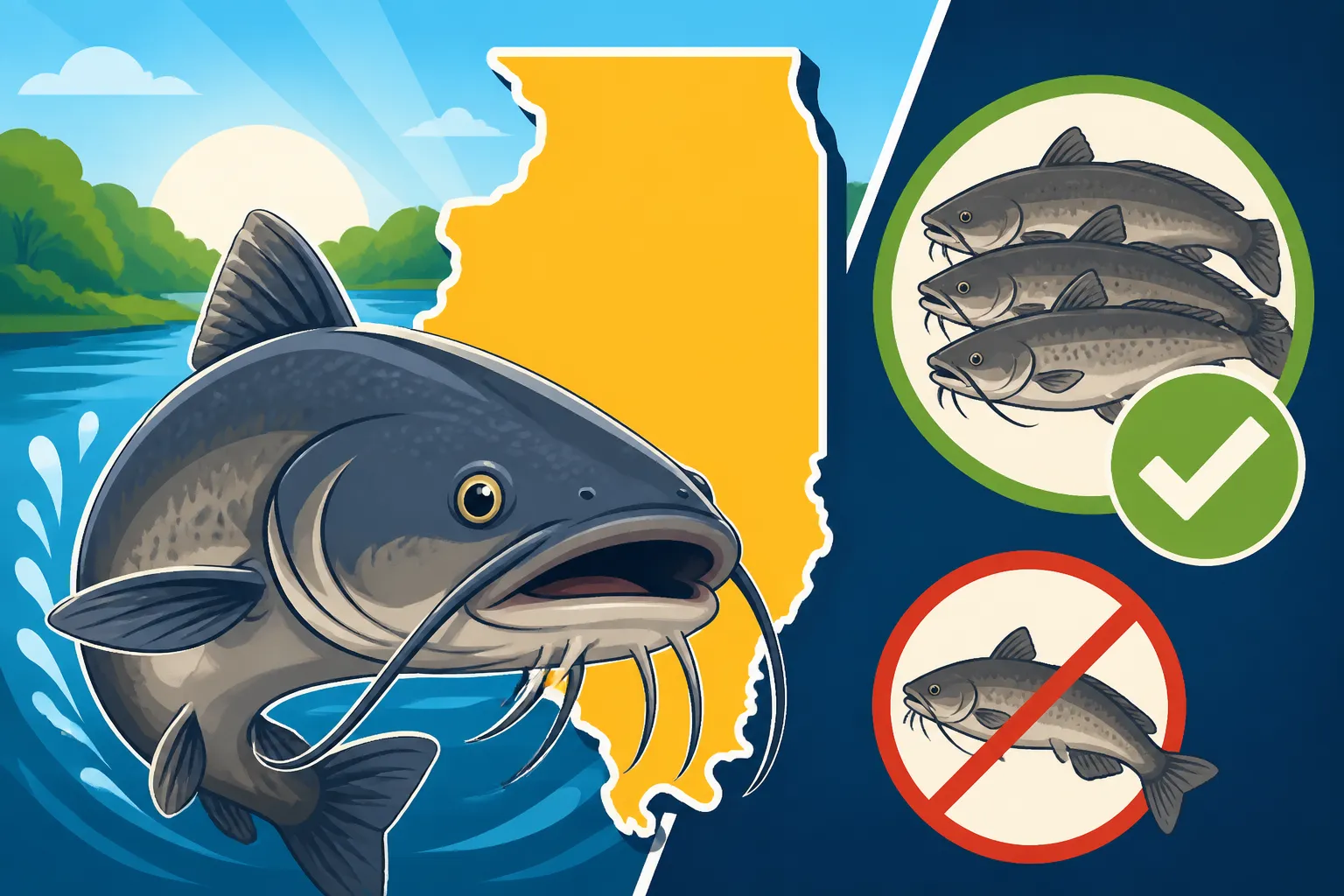
Ah, the channel cat! This is probably the most common catfish you'll encounter in Illinois, found in almost every river, lake, and pond across the state. They're a blast to catch and excellent table fare. For channel catfish, the statewide daily limit is 20 fish. This means you can keep up to 20 channel catfish in a 24-hour period. It’s a generous limit, reflecting their widespread abundance and strong populations. Whether you're targeting them with stink bait from the bank of a local pond or drifting cut bait in a river, 20 fish is usually more than enough for a fantastic fish fry. Just be mindful that this is the daily limit, not a possession limit over multiple days unless you're actively consuming them. You can learn more about specific rules in the "Illinois Channel Catfish Daily Limit of 20 Fish" guide.
Blue Catfish Daily Limit
Blue catfish are the giants of the Illinois catfishing world. While not as widespread as channel cats, they are present in significant numbers in larger river systems, especially the Mississippi and Illinois Rivers. These behemoths can grow to incredible sizes, offering a truly epic fight. The statewide daily limit for blue catfish is also 20 fish. However, because these fish can get so big, many specific water bodies, particularly those renowned for trophy blues, might have more restrictive rules. Always double-check those site-specific regulations before you head out, especially if you're aiming for a monster blue. These powerful fish are a prized catch, and managing their populations carefully ensures that the chance to hook a lunker continues for all of us. Check out the "Illinois Blue Catfish Rules and Daily Limits" for deeper insights.
Flathead Catfish Daily Limit
Now, flathead catfish are a different beast entirely. Known for their solitary nature, predatory habits, and incredible strength, flatheads are often sought after by serious catfishermen. They prefer live bait and tend to hang out in heavy cover like log jams and undercut banks. Because of their slower growth rates and specific habitat requirements, flatheads generally have stricter limits than channel or blue catfish. The statewide daily limit for flathead catfish is 10 fish. This lower limit helps protect their populations and ensures that these impressive fish continue to be a challenging and rewarding target for anglers across the state. Just like the blues, some specific waters may have even tighter restrictions on flatheads, so always verify before your trip. For more specific details, refer to the "Illinois Flathead Catfish Limit of 10 Fish Per Day".
Are There Size Limits on Catfish?
This is where it gets a little tricky, and often leads to confusion. Generally speaking, for the vast majority of Illinois waters, there are no statewide minimum size limits for channel, blue, or flathead catfish. You can keep a legal number of any size you catch. However, and this is a big however, some specific lakes or river segments do have size limits, especially for blue and flathead catfish, often in an effort to promote trophy fisheries. For example, a particular lake might have a slot limit for flatheads, meaning you can only keep fish under a certain size or over another, with a protected "slot" in between. It's truly vital to check the specific regulations for the body of water you plan to fish, because assuming there are no size limits when there actually are could lead to a citation. The "Is There a Size Limit on Catfish in Illinois?" article provides more nuanced information.
Here’s a quick overview of the statewide daily limits for Illinois catfish:
| Catfish Species | Statewide Daily Limit | Statewide Size Limit | Notes |
|---|---|---|---|
| Channel Catfish | 20 fish | None | Most common; abundant across Illinois. |
| Blue Catfish | 20 fish | None | Found in larger rivers; potential for very large fish. |
| Flathead Catfish | 10 fish | None | Predatory, slower-growing; often site-specific restrictions. |
Note: Always check site-specific regulations for the body of water you are fishing, as these can supersede statewide rules.
Statewide vs. Site-Specific Catfish Limits
One of the biggest sources of confusion for Illinois anglers is the difference between statewide regulations and those that apply only to a specific lake, river, or even a section of a river. You can be fishing a public lake with one set of rules, and then move to a private pond or a different state park lake just a few miles away, and suddenly the rules have completely changed. It’s enough to make your head spin, but it's essential knowledge if you want to fish responsibly.
Statewide Catfish Rules: The Baseline
The statewide limits, as we’ve just discussed, are the default. These are the general rules that apply unless otherwise stated. So, if you're fishing a small farm pond, a stream, or a section of a river not specifically listed in the IDNR guide, you'd typically adhere to the 20 channel catfish, 20 blue catfish, and 10 flathead catfish daily limits, with no minimum size. Think of these as the foundational "Illinois Fishing Regulations Overview" that applies broadly. However, very few popular fishing destinations are only under statewide rules. Most significant bodies of water have tailored regulations.
When and Where Rules Change
The rules change when fisheries biologists determine that a particular body of water requires special management to maintain its fish population. This could be due to:
- Heavy Fishing Pressure: Popular lakes near urban areas often see more restrictive limits to spread the catch among more anglers and prevent rapid depletion.
- Unique Fish Populations: Waters known for producing trophy-sized fish, like Kinkaid Lake for muskies or certain river stretches for giant flatheads, might have tighter slot limits or lower daily limits to protect those larger breeding fish.
- Stocking Programs: Lakes that receive regular stockings of certain species might have specific rules to manage the take and ensure the program's success.
- Ecological Factors: Water quality issues, invasive species, or habitat changes can also lead to adjusted regulations.
This is precisely "Why Fishing Rules Vary by Lake and River". For instance, while the Mississippi River generally follows state guidelines, certain stretches might have specific rules for combined species or unique zones.
Checking Site-Specific Rules Before Fishing an Illinois Lake
This cannot be stressed enough: always, always, always check the specific regulations for the body of water you intend to fish before you wet a line. The most reliable way to do this is to consult the latest Illinois Fishing Information Guide. This comprehensive guide, which covers the period from April 2026 through March 2027, is available online on the IDNR website, or in print at most bait and tackle shops, Illinois Department of Natural Resources offices, and some sporting goods stores like those found on Amazon.
When you look up a specific lake or river, you'll find a section dedicated to that particular water body. It will list any exceptions or additional rules that apply. For example, if you're heading to Rend Lake, you'll want to specifically look up Rend Lake in the guide. It’s also a good idea to chat with local bait shop owners or experienced anglers in the area; they often have the most up-to-date local knowledge. Ignoring these site-specific rules is one of the quickest ways to find yourself facing "Penalties for Fishing Without a License in Illinois" or for violating catch limits.
Common Mistakes Anglers Make with Catfish Limits
Even experienced anglers can sometimes fall into traps when it comes to understanding and adhering to fishing limits. It's not always about intentionally breaking the rules; often, it's a simple misunderstanding or an oversight. Let's look at some common pitfalls and how to avoid them.
Misidentifying Catfish Species
This is a big one, especially with blue and channel catfish, or distinguishing a smaller flathead from a large channel cat. While the statewide daily limit for both channel and blue catfish is 20, if you're in a specific lake that has, say, a 5-fish limit on blue catfish, but you mistakenly identify them as channel cats and keep 10, you're in violation.
- Channel Catfish typically have a deeply forked tail, scattered black spots (especially when young), and a rounded anal fin with 24-29 rays.
- Blue Catfish also have a deeply forked tail, but their bodies are typically unspotted, they have a noticeable "hump" on their back just behind the head (more pronounced in larger fish), and a long, straight-edged anal fin with 30-36 rays.
- Flathead Catfish are easy to distinguish: they have a flat, wide head, a lower jaw that protrudes past the upper jaw, and a square or slightly notched tail fin. They are usually yellowish-brown to mottled olive green.
Spend some time studying the identification guides, or even consider carrying a laminated fish ID chart with you, easily found on Amazon, to avoid mistakes. Proper identification is key to adhering to the correct limits, particularly if you're exploring some of the "Best Catfish Fishing Spots in Illinois" where multiple species thrive.
Exceeding the Possession Limit
The daily limit refers to the number of fish you can take in one calendar day (from midnight to midnight). The possession limit, on the other hand, refers to the maximum number of fish you can have in your possession at any one time, whether they're fresh, frozen, or stored. For most species in Illinois, the possession limit is twice the daily limit. So, for channel catfish, your possession limit would generally be 40 fish.
The common mistake comes when anglers go on a multi-day trip. If you catch your daily limit of 20 channel cats on Monday, and then go out Tuesday and catch another 20, you now have 40 fish. If you plan to fish a third day without consuming or processing any of the first two days' catches, you cannot legally catch and keep any more fish until you've reduced your possession. This is a common point of confusion, and enforcement officers do check coolers and freezers, especially if they know anglers are staying in cabins or camping at a lake for an extended period. It’s not just about what you caught today, but what you have. Getting caught with more than the legal possession limit can lead to "Penalties for Exceeding Your Daily Catch Limit".
Forgetting About Combined Species Limits
While Illinois typically has separate daily limits for different catfish species (20 channel, 20 blue, 10 flathead), some specific water bodies might have an "aggregate" limit for all catfish species combined. This means that, for example, a lake might state a daily limit of 20 catfish total, regardless of species. So, if you catch 15 channel cats and 6 flatheads, you would be over the 20-fish aggregate limit even if you were within the individual species limits. Always scan for phrases like "aggregate daily limit" or "catfish (all species combined)" when reviewing site-specific regulations. These combined limits are rarer for catfish than for some other species like sunfish, but they do exist and are crucial to recognize.
Why Catfish Limits Matter for Conservation
Fishing limits aren't just arbitrary rules designed to make your life harder; they are a vital tool in the ongoing effort to conserve our natural resources. Understanding the "why" behind these regulations can help foster a greater appreciation for their importance and encourage more responsible angling practices.
Protecting Catfish Populations
Catfish, particularly the larger flatheads and blue cats, can take several years to reach sexual maturity and reproduce. If too many of the larger, older, and more reproductively active fish are removed from a population too quickly, it can have a devastating impact on their ability to rebound. Daily limits, especially those with lower numbers or size restrictions on specific waters, help to protect these important breeding stocks. They ensure that enough fish survive to spawn each year, contributing to the next generation of catfish.
Without these limits, even a moderately popular fishing spot could quickly see its catfish population collapse, impacting the entire aquatic ecosystem. Catfish play an important role as scavengers and predators in their environments, and a healthy population contributes to the overall health and balance of a lake or river. These conservation efforts are part of a broader commitment to ensuring that fish species thrive, as detailed in the comprehensive "Illinois Fishing Regulations Overview".
Ensuring Future Fishing Opportunities
Beyond the ecological necessity, limits are also about ensuring that you and your kids and their kids can continue to enjoy fishing for catfish in Illinois. It's about sustainability. No one wants to fish in a depleted lake where catches are scarce and fish are small. By managing harvest, the IDNR aims to maintain robust fish populations that can support consistent and enjoyable fishing opportunities for all. This includes ensuring a good balance of fish sizes, so there are not just plenty of small fish, but also a decent chance to hook a larger, more challenging specimen.
Think of it as an investment in the future of Illinois fishing. Every time you adhere to a limit, you're contributing to the health of the fishery, making sure that those delicious channel cats, massive blues, and powerful flatheads are still swimming strong for years to come. It’s a shared responsibility, and every angler plays a part.
Staying Informed About Illinois Fishing Rules
Navigating Illinois fishing regulations might seem daunting at times, but with the right resources, staying informed is much easier than you think. The key is knowing where to look and making it a habit before each trip. Don't let uncertainty keep you from a great day on the water, especially when you're using techniques like "Catfish Bottom Fishing Techniques" which can yield multiple species.
The Illinois Fishing Information Guide
Your absolute best friend for staying current on Illinois fishing regulations is the official Illinois Fishing Information Guide. This annually updated booklet is the authoritative source for all things related to fishing rules, limits, and license requirements in the state. As mentioned earlier, the guide typically covers a full year, such as the "Illinois Fishing Information Guide Covers April 2026 Through March 2027".
Inside, you'll find:
- Statewide general regulations
- Detailed site-specific regulations for hundreds of lakes, ponds, and river segments
- Information on fish identification
- Licensing requirements, including details on the "Illinois Fishing License Guide for 2026"
- Special programs, like free fishing days
Make it a habit to download the digital version to your phone or tablet, or pick up a physical copy at a local IDNR office or bait shop. It's a resource you should always have access to, whether digitally or in print.
Online Resources and Apps
In today's digital age, information is often just a tap away. The IDNR website is an excellent online resource where you can find the current fishing guide, press releases about regulation changes, and other relevant information. Many third-party fishing apps also aggregate regulation data, but always double-check against the official IDNR source to ensure accuracy, as app updates might lag slightly behind official changes.
Another great way to stay informed is through reputable fishing forums and social media groups dedicated to Illinois fishing. While these aren't official sources, they can be great places to hear about recent changes or to ask specific questions, often answered by experienced local anglers who are well-versed in the regulations. Just remember to verify any critical information with the official guide.
Talking to Local Bait Shops
Never underestimate the power of local knowledge. The folks who run your local bait and tackle shop are often treasure troves of information. They live and breathe fishing, they know the local waters, and they're usually the first to hear about any regulation changes or enforcement trends. Before you head out, especially if it's to a new body of water, stop in, buy some bait (they appreciate the business!), and ask about the current limits and any specific quirks of the lake or river. They can often provide insights that might not be explicitly written in the guide, like common areas where wardens patrol or subtle nuances in how rules are applied. It's a fantastic way to connect with the local angling community and ensure you're fishing by the book.
Disclaimer
The information provided in this guide is for general informational purposes only and is not intended as legal advice. Fishing regulations are subject to change, and while we strive to provide accurate and up-to-date information, it is the angler's sole responsibility to consult the most current official Illinois Department of Natural Resources (IDNR) Fishing Information Guide and any local ordinances before engaging in fishing activities. Failure to comply with regulations can result in fines and penalties.