Best Catfish Bait for Summer River Fishing
Summer river fishing for catfish can be one of the most rewarding experiences in Illinois, but it also comes with its unique set of challenges. Many anglers find themselves frustrated when their usual go-to baits that worked in spring suddenly stop producing bites when the scorching summer sun hits the water. This guide will dive deep into understanding why summer conditions change catfish behavior and, more importantly, equip you with the knowledge of the best baits and techniques to keep those lines tight and coolers full during the warmest months on Illinois's rivers.
The Summer Catfish Challenge on Illinois Rivers
When the calendar flips to summer, the rivers of Illinois transform. What was a cool, flowing haven in spring can become a warmer, sometimes slower-moving environment, and these changes have a profound impact on catfish. Anglers who stick to the same strategies all year often scratch their heads when the bite slows down, not realizing that the fish themselves have shifted their habits and preferences.
Why Summer River Catfishing is Different
Think about it: as ambient temperatures rise, so does the water temperature in our rivers. This isn't just a minor detail; it's a game-changer. Warmer water holds less oxygen, which can make fish less active or push them to deeper, cooler areas, or even into oxygenated current breaks. The increased warmth also speeds up the metabolism of fish, making them hungry, but perhaps for different types of forage. They might be less inclined to chase a fast-moving bait in sluggish, warm water, preferring something easy to find and digest. Furthermore, the baitfish population explodes in summer, providing catfish with an abundance of natural food. This means your bait needs to stand out and offer an irresistible appeal.
Another factor is increased river traffic. Summer often means more pleasure boaters, jet skiers, and other recreational users, especially on popular stretches of the Illinois River or the Mississippi River. This added disturbance can make catfish more wary or push them into quieter, harder-to-reach pockets, requiring anglers to be more subtle in their approach and more strategic with their bait choices. Understanding these environmental shifts is the first step to successful summer catfishing.
Understanding a Catfish's Summer Diet
In the spring, catfish might be gorging on emerging insects, crawfish, or sluggish baitfish as they shake off winter dormancy. But come summer, their natural larder is overflowing. Shad, skipjack herring, various minnows, and smaller panfish are abundant. Frogs and even small mammals or birds that fall into the water become opportunistic meals. This means that a catfish’s diet diversifies, and their olfactory senses become even more important as they cruise for easy meals. They are looking for high-protein, easily accessible food sources.
For channel catfish especially, their diet in rivers is incredibly varied, including insects, crustaceans, mollusks, and fish. Flathead catfish, on the other hand, are almost exclusively piscivorous, meaning they prefer live fish. Blue catfish, often found in the larger river systems like the Mississippi, will eat a wide range of prey, from fish to mussels and crawfish. Knowing what they naturally eat helps us choose baits that mimic these food sources or present an even more enticing alternative. The goal isn't just to put bait in the water, but to offer them exactly what they crave in the current conditions.
The Tried-and-True: Natural Baits for Illinois River Catfish
When it comes to tempting summer river catfish, nothing beats the effectiveness of natural baits. These are the food sources that catfish encounter daily, making them inherently appealing. The key is to present them effectively and ensure they are fresh and potent.
Live and Cut Bait Superstars
Shad: If you're fishing for blue catfish or larger channel cats on the Mississippi or Illinois Rivers, shad is king. Whether live or cut into chunks, shad releases a potent oil slick that catfish simply can't ignore. For cut bait, fresh shad is always best. Cut a larger shad into 1-inch to 2-inch chunks, making sure to include some belly meat or entrails for maximum scent dispersion. For flatheads, a live shad of 4-8 inches, hooked through the lips or back, is often the ultimate offering. You can often net shad in the same waters you're fishing, ensuring peak freshness.
Bluegill and Other Panfish: Small bluegill, green sunfish, or even carp are fantastic live baits for flathead catfish. These feisty panfish, when hooked correctly through the back (above the lateral line but avoiding the spine), will swim naturally and attract the attention of hungry flatheads lurking in submerged timber or rock piles. Be sure to check your Illinois Fishing Season and Catch Limit Rules to ensure you're legally using these as bait, as size limits can apply even to baitfish in some cases. Smaller bluegill cut into strips or chunks are also effective for channel and blue catfish, offering a tough, scent-rich bait that stays on the hook well.
Worms: While often associated with panfish, a big wad of nightcrawlers can be surprisingly effective for channel catfish in rivers, especially after a rain when worms get washed into the water. The wiggling action and natural scent are appealing. For even more attraction, you can try threading several nightcrawlers onto a single hook. These are readily available at most bait shops and even large retailers like Bass Pro Shops. They might not catch the trophy flathead, but they're a consistent producer for respectable channel cats.
Minnows/Small Suckers: A handful of lively minnows, especially larger shiners or chubs, can be excellent for channel catfish and even smaller blue cats. Hook them lightly through the lips or dorsal fin. Small suckers are particularly robust and can withstand strong currents, making them a great choice for live bait in flowing river sections, targeting medium to larger catfish.
The Stinky Truth: Prepared Baits and Stink Baits
Catfish are renowned for their incredible sense of smell, and prepared baits leverage this to the fullest. These baits are designed to release powerful odors that travel through the water, drawing catfish from a distance.
Punch Baits: These are thick, dough-like baits that are "punched" onto a treble hook, creating a compact, super-stinky glob. They typically have a strong cheese or blood base. Brands like Sonny's Super Sticky or CJ's Catfish Punch Bait are very popular. The beauty of punch bait is its staying power on the hook and its intense scent trail. It's often most effective for channel catfish but can sometimes entice smaller blues. You'll find a wide selection of these at local bait shops or online through Amazon.
Dip Baits: Similar in concept to punch baits but with a different consistency, dip baits are usually softer and designed to be "dipped" onto a worm-like plastic bait holder that has ribs or pores to hold the gooey, smelly concoction. The bait holder is then cast out. Brands like Secret 7 or Junnie's Scent are common. They are incredibly stinky and very messy but undeniably effective for channel catfish. Be prepared for the smell to linger on your hands and gear!
Homemade Concoctions: For the adventurous angler, creating your own stink bait can be a fun and rewarding process. Common ingredients include cheese, garlic, chicken livers, rotten meat, and various oils and flavorings. The goal is to create a putrid, scent-bomb that mimics decaying organic matter. While specific recipes vary wildly, the principle remains the same: create a strong, lasting odor that catfish can't resist. Just be sure to prepare it far from your house, as the smell can be overpowering!
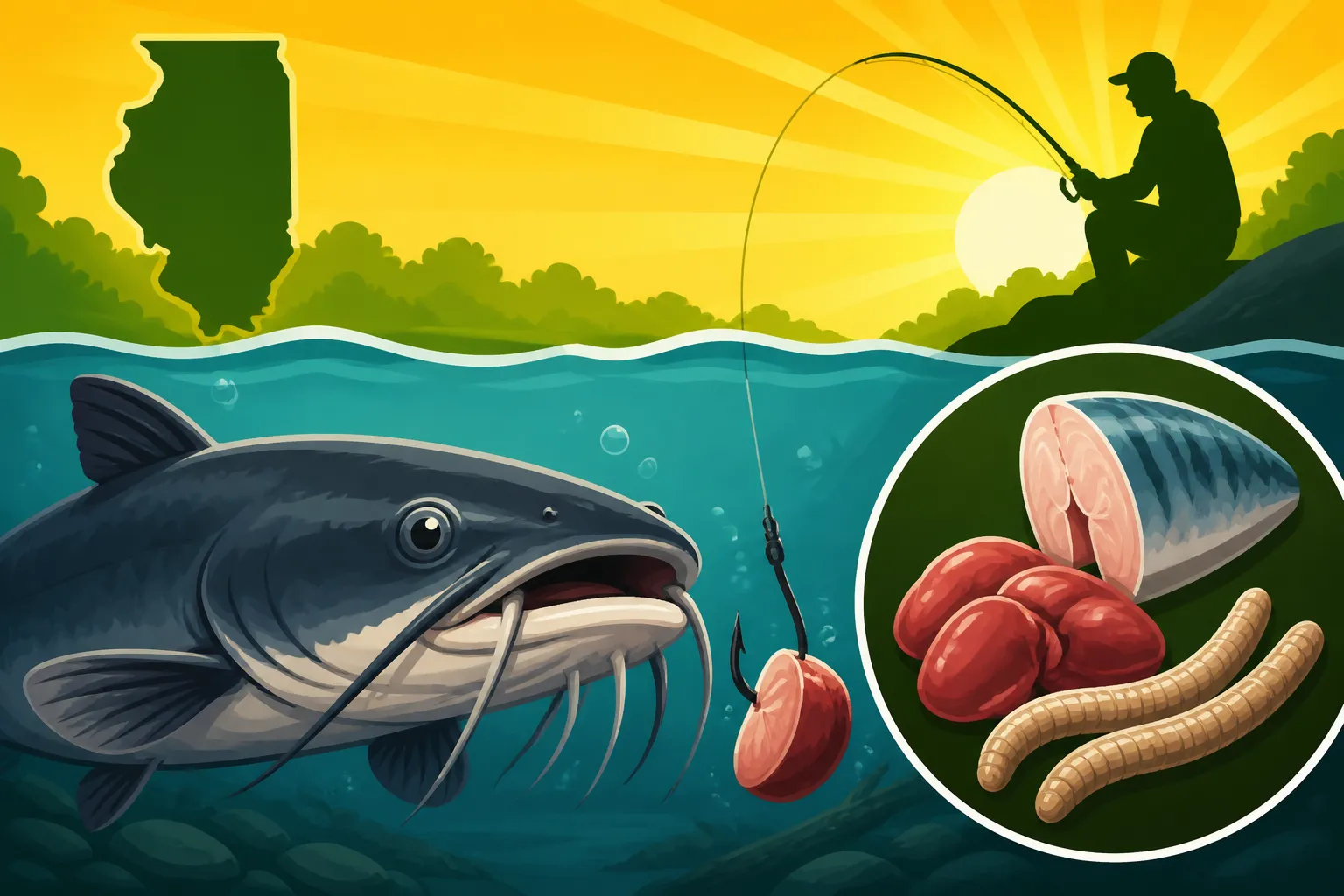
Chicken Livers: A classic for a reason, fresh chicken livers are cheap, readily available, and incredibly effective for channel catfish. Their soft texture means they don't stay on the hook well, so many anglers opt for a small treble hook or wrap them with a piece of pantyhose or fine mesh to keep them secure. The blood and scent dispersal are excellent. They can also work for smaller blue catfish.
Matching Bait to Conditions and Catfish Species
Not all catfish are created equal, and neither are all fishing situations. The best bait for a channel catfish in a quiet backwater might be entirely different from what a trophy flathead in a strong current prefers. Understanding these nuances is key to consistent success.
Channel Catfish Favorites
Channel cats are the most abundant and widespread catfish species in Illinois rivers. They are opportunistic feeders with a diverse diet. For summer river fishing, strong-smelling baits tend to be the most effective.
- Prepared Baits: Punch baits and dip baits are absolutely deadly for channel cats. Their strong, lingering scent attracts fish from a distance, making them ideal for covering water or fishing a stationary spot.
- Cut Bait: Fresh cut shad, particularly the belly portions, or even pieces of carp or drum, work exceptionally well. The oily scent is a major draw. For a general guide on what they like, check out Best Bait for Channel Catfish.
- Chicken Livers: Still a summer staple. They bleed profusely, creating an excellent scent trail. Use a small treble hook or bait spring to keep them on.
- Nightcrawlers: A large clump of nightcrawlers can also be very effective, especially if the river has recently risen or become a bit turbid, as the worms provide both scent and appealing action.
Flathead Catfish Go-Tos
Flathead catfish are the apex predators of the Illinois river system when it comes to catfish. Unlike their omnivorous cousins, flatheads are almost exclusively piscivorous, meaning they prefer live bait. Trying to catch a big flathead on stink bait is usually a fruitless endeavor.
- Live Bait: This is non-negotiable for serious flathead anglers. Live shad, bluegill, green sunfish, or even small bullheads are the absolute best. The bait should be healthy and active, hooked to allow maximum movement. A 4-inch to 8-inch live baitfish is ideal for attracting trophy-sized flatheads. For more on what they like, see Best Live Bait for Flathead Catfish.
- Placement is Key: Flatheads are ambush predators, often found holding tight to submerged logjams, rock piles, bridge pilings, or deep holes where they can dart out and snatch prey. Presenting your live bait right into their lair is crucial.
Blue Catfish Preferences
Blue catfish, particularly prominent in the Mississippi River, can grow to enormous sizes and share some dietary habits with both channel and flathead cats, especially as they get larger.
- Cut Bait: Large chunks of fresh cut shad, skipjack herring, or even carp are incredibly effective. Blue cats are drawn to the oily scent and substantial meal.
- Live Bait: Similar to flatheads, larger blue cats will readily take live baitfish like shad or bluegill, especially bigger ones.
- Prepared Baits: While less effective for truly trophy-sized blues, prepared baits can still catch smaller blue cats, particularly in areas where their diet overlaps more with channel catfish. To understand the different species, you might find Catfish Species Comparison: Channel vs Blue vs Flathead Size and Taste helpful.
Adjusting Bait for River Flow and Depth
River conditions are constantly changing, and your bait choice and presentation should adapt.
- Strong Current: In areas with heavy flow, you want baits that stay on the hook well and won't wash away easily. Tougher cut baits, like strips of carp or larger chunks of shad, are good. Punch baits, when applied correctly, can also withstand current. For live bait, robust fish like suckers or hardy bluegill are best. You'll need heavier weights to keep your bait in the strike zone. Consider trying a three-way swivel rig to keep your bait anchored while allowing it to flutter naturally.
- Slack Water/Backwaters: In calmer sections, like eddies behind Wing dams or quiet backwater sloughs, scent dispersal is still important, but the bait doesn't need to be as robust. Chicken livers, punch baits, or smaller pieces of cut bait can shine here. Lighter weights and more subtle presentations can be effective, allowing your bait to drift naturally. You might even find some good spots in the Mississippi River Backwater Fishing for Crappie and Bass, Illinois where catfish also lurk.
- Depth: Catfish will often seek deeper, cooler water in the heat of summer. Ensure your bait is getting down to where the fish are holding. This might mean using heavier sinkers or a drift fishing technique to cover various depths. If you're targeting big catfish in deep holes on the Mississippi, specialized gear for Heavy Tackle for Mississippi River Catfish in Illinois might be necessary.
| Bait Type | Target Species (Primary) | Ideal River Conditions | Pros | Cons |
|---|---|---|---|---|
| Live Shad | Flathead, Large Blue | Moderate to Strong Flow | Natural action, irresistible to predators | Hard to keep alive, can be expensive |
| Cut Shad | Blue, Channel | All Flows | Potent scent, good hook retention | Can be messy, requires fresh sourcing |
| Live Bluegill | Flathead | Moderate to Strong Flow | Very effective for trophy fish | Legal restrictions, hard to keep alive |
| Chicken Livers | Channel, Small Blue | Slack to Moderate Flow | Strong scent, cheap, readily available | Falls off hook easily, very messy |
| Punch Bait | Channel | Slack to Moderate Flow | Super strong scent, stays on hook | Very stinky, specialized application |
| Dip Bait | Channel | Slack to Moderate Flow | Intense scent, attracts from distance | Very messy, requires special bait holder |
| Nightcrawlers | Channel, Small Blue | Slack Water | Universal appeal, easy to find | Less selective for larger fish |
Bait Presentation and Rigging Tips for River Success
Having the best bait in the world won't matter if it's not presented properly. River fishing introduces dynamics like current and snags that require specific rigging techniques to maximize your chances of a bite.
Essential Rigs for River Catfishing
When fishing rivers for catfish, your rigging needs to be robust and designed to keep your bait in the strike zone while minimizing snags.
The Carolina Rig (Slip Sinker Rig): This is a universal favorite and incredibly versatile. It consists of a bullet or egg sinker threaded onto your main line, followed by a bead (to protect the knot), and then a swivel. A leader line (typically 12-24 inches) is tied from the swivel to your hook. The beauty of this rig is that the line slips freely through the sinker, allowing a biting fish to pick up the bait without feeling the weight immediately, which can lead to more solid hooksets. It's fantastic for both cut bait and live bait when fishing the bottom. For a more general approach to bottom fishing, you can check out How to Bottom Fish for Catfish.
The Santee Cooper Rig: This is a variation of the Carolina rig, but with a slight twist that makes a big difference in current or over snaggy bottoms. A small float (often a peg float or a cigar-shaped foam float) is added to the leader, usually a few inches above the hook. This float lifts the bait slightly off the bottom, preventing it from getting lost in debris or snags, and allows it to drift tantalizingly in the current. This rig is particularly deadly with cut bait or larger pieces of chicken liver, keeping the scent high in the water column where catfish can easily find it.
The Three-Way Swivel Rig: When you need to hold your bait firmly in place in strong current, or want to present multiple baits at different depths, the three-way swivel rig is your friend. Your main line ties to one eye of the swivel. A short leader (6-12 inches) with a sinker (often a bell sinker or pyramid sinker) ties to a second eye, keeping your weight on the bottom. Your bait leader (12-36 inches, with a hook) ties to the third eye. This setup allows your bait to flutter freely just above the bottom, away from your main line and sinker, providing excellent action and minimizing snags on the bottom itself. It's a great choice for live bait or large cut baits in deeper channels.
Maximizing Scent and Appeal
Catfish rely heavily on their sense of smell, so making your bait as appealing as possible is paramount.
- Freshness is King: Always use the freshest bait possible. Whether it's live shad or cut bluegill, fresh bait has the most natural scent and oils, which dissipate quickly once it starts to degrade. If you're using cut bait, ensure it's kept on ice until ready to use.
- Expose More Surface Area: For cut bait, make sure your cuts are clean and expose plenty of flesh and entrails. This allows more scent to leach into the water. Some anglers even score the skin of larger cut baits with a knife.
- Additives and Enhancers: While many prepared baits are already potent, you can sometimes enhance natural baits with scents. Sprays or dips infused with garlic, anise, or specific fish oils can be applied to cut bait or even worms. Just be careful not to overdo it; a little often goes a long way.
- Motion and Current: Use the river's current to your advantage. A properly rigged bait will flutter and disperse scent downstream, creating an irresistible trail for hungry catfish to follow. Don't be afraid to occasionally lift and drop your rod tip to make your bait "dance" and release more scent.
- Changing Baits Regularly: If you're not getting bites, don't be afraid to switch up your bait. Catfish can be picky, and what they preferred an hour ago might not be what they want now. Have a variety of options ready, from chicken livers to fresh cut bait and various prepared baits, to see what's working on a particular day.
Ultimately, successful summer river catfishing in Illinois comes down to understanding the environment, knowing the species you're targeting, and offering them a bait they simply can't resist, presented in a way that minimizes snags and maximizes appeal. With these tips and a little patience, you'll be well on your way to a fantastic summer season on the water!
Disclaimer
This article is for general informational purposes only and does not constitute professional advice. Laws, prices and regulations vary by location and change over time. Consult a qualified professional for guidance on your specific situation.