Aluminum vs Fiberglass Boats for Lake Fishing
Choosing the right fishing boat for Illinois lakes is a huge decision, and for many anglers, it boils down to the classic debate: aluminum or fiberglass? It’s a common frustration, poring over specs and trying to imagine how a boat will truly perform when you’re out on Rend Lake battling a stiff wind, or navigating the shallow backwaters of the Mississippi. This guide aims to cut through the noise, helping you understand the real-world pros and cons of aluminum versus fiberglass boats, so you can make an informed choice that suits your Illinois fishing adventures perfectly.
Understanding the Core Differences Between Aluminum and Fiberglass Boats
When you're staring at a shiny new boat, whether it's at a local dealership or browsing models online, the material it's built from is one of the first things you notice – and it makes a world of difference. Aluminum and fiberglass boats represent two fundamentally different approaches to boat building, each with its own set of characteristics that directly impact your fishing experience on Illinois waters. It's not just about aesthetics; it's about performance, durability, and what kind of angler you are.
Material Composition and Construction Methods
Let's break down what these boats are actually made of. Aluminum boats are typically constructed from marine-grade aluminum alloys, which are chosen for their corrosion resistance and strength-to-weight ratio. These boats are often built by welding sheets of aluminum together, creating a hull that is relatively lightweight yet incredibly robust against impact. You'll find different construction styles, from riveted jon boats to fully welded deep-V hulls, each offering varying levels of structural integrity and ride quality. The simplicity of aluminum construction often translates to lower manufacturing costs, which can then be passed on to you, the consumer.
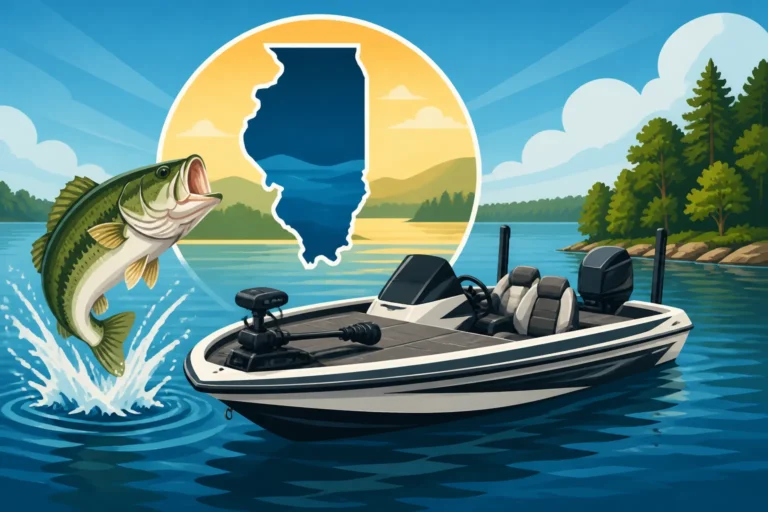
Fiberglass boats, on the other hand, are crafted from layers of fiberglass mat or woven fabric saturated with resin, typically polyester or vinylester. These layers are molded into a hull shape, often with a gel coat finish on the exterior for protection and shine. The molding process allows for much more complex and hydrodynamic hull designs, which can be tailored for specific performance characteristics. Think about the sleek lines of a bass boat or the deep-V of an offshore fishing machine – these shapes are much easier to achieve with fiberglass. This intricate, multi-layered construction, while offering incredible strength and a smooth finish, usually involves a more labor-intensive manufacturing process, contributing to a higher initial price tag.
Initial Cost and Resale Value Considerations
Ah, the bottom line. For many anglers, the initial cost is a major deciding factor. Generally speaking, aluminum boats tend to be less expensive upfront than their fiberglass counterparts, especially when comparing similar sizes and feature sets. This difference in price can be substantial, making aluminum boats a more accessible option for new anglers or those on a tighter budget. You might be looking at a basic aluminum jon boat for fishing smaller ponds and rivers, which will be significantly less than a fully rigged fiberglass bass boat.
However, it's not just about what you pay initially. Resale value is another piece of the puzzle. Fiberglass boats, particularly well-maintained ones from reputable brands, often hold their value quite well. Their durability, aesthetic appeal, and perceived quality can command a strong price in the used boat market. Aluminum boats also hold their value, especially popular utility models, but their resale might be more tied to their functional condition rather than their "showroom" appeal. A dented aluminum hull, even if structurally sound, might look less appealing than a fiberglass boat with a few minor gel coat scratches.
For instance, if you're looking at entry-level options, you might find an aluminum fishing boat at Bass Pro Shops that fits your budget perfectly, allowing you to get out on the water sooner. But if you're investing in a top-tier bass rig, you might find that a high-end fiberglass model, while pricier, retains its value better over years of use on major tournament lakes.
Performance and Handling on Illinois Waters
The type of boat material drastically impacts how your vessel performs and handles, especially when you consider the diverse fishing environments Illinois offers. From the vast, open waters of Lake Michigan to the sprawling reservoirs like Rend Lake and Lake Shelbyville, down to the winding currents of the Mississippi and Illinois Rivers, your boat's material will either enhance or hinder your experience.
Ride Quality and Speed in Different Conditions
This is where the rubber meets the road, or rather, the hull meets the water. Fiberglass boats are renowned for their smooth, quiet ride, especially in choppy conditions. Their heavier construction and often deeper V-hulls cut through waves rather than bouncing over them. If you're planning on fishing the often-turbulent waters of Lake Michigan for salmon and trout, or crossing a large, wind-swept body like Carlyle Lake Fishing Guide, a fiberglass boat will provide a much more comfortable and drier ride. The additional weight of fiberglass also helps absorb impact, reducing the jarring sensation that can make a long day on the water exhausting. This translates to less fatigue for you and your crew, and a more enjoyable trip overall, especially when you’re pushing the throttle to get to your favorite fishing spot.
Aluminum boats, being lighter, tend to ride on the water rather than through it. This can lead to a bouncier, sometimes wetter ride in rough conditions. You'll feel every chop more acutely, and spray can be more prevalent. However, this lighter weight also contributes to better fuel efficiency and often higher top speeds with equivalent horsepower, especially on calm waters. For those fishing smaller, calmer lakes, or traversing long stretches of the Illinois River where speed and efficiency are key, an aluminum boat can be a fantastic choice. The trade-off is often a louder ride, as the aluminum hull can transmit noise from waves and impacts more readily.
Shallow Water Access and Maneuverability
Illinois has an incredible network of rivers, backwaters, and smaller lakes where shallow water access is paramount. This is where aluminum boats truly shine. Their lighter weight and typically shallower draft mean you can navigate skinny water with greater ease, getting into those hard-to-reach pockets where fish often hide. Think about those hidden coves for crappie on Rend Lake's Best Spots for Early Spring Crappie or chasing bass in Mississippi River backwater sloughs – an aluminum jon boat or modified V-hull can get you there without scraping bottom. They're also often more forgiving if you accidentally hit an unseen submerged log or sandbar.
Fiberglass boats, due to their heavier build and often deeper V-hulls, require more water depth. While many modern fiberglass bass boats are designed with relatively shallow drafts for quick planing, they still won't offer the same peace of mind in extremely shallow environments as an aluminum boat. Maneuverability can also be a factor; lighter aluminum boats can sometimes be more responsive in tight quarters, though this can vary greatly depending on hull design and engine setup. If your fishing style involves exploring numerous shallow areas and navigating tight channels, an aluminum boat will likely be your preferred vessel. This ease of access can make a real difference in reaching prime fishing grounds that other boats simply can't touch.
Durability and Maintenance Over Time
Owning a boat isn't just about the initial purchase; it's a long-term relationship that involves upkeep, repairs, and protecting your investment. Both aluminum and fiberglass boats have their own quirks when it comes to durability and what it takes to keep them in top shape over the years of active use on Illinois waters.
Impact Resistance and Repair Complexity
This is a critical area where the two materials differ significantly. Aluminum is known for its incredible strength and flexibility. It can take a considerable impact – say, from hitting a submerged stump on the Kankakee River Fishing Guide – and often only suffer a dent. While dents aren't pretty, they usually don't compromise the structural integrity of the hull. Major damage, like a puncture, can often be repaired by welding, which many specialized marine repair shops can handle. The key here is that aluminum bends and dents before it breaks, offering a kind of resilient toughness.
Fiberglass, while also very strong, behaves differently under impact. Instead of denting, it's more prone to cracking or gouging, especially the gel coat layer. Hitting that same submerged stump could result in a spiderweb crack or a chunk of gel coat flying off. While aesthetically more damaging, these cracks, if superficial, might not immediately compromise the hull. However, deeper cracks or punctures in fiberglass require a more specialized repair process involving sanding, laying new fiberglass and resin, and then matching the gel coat. This process can be more time-consuming and often more expensive than a simple weld repair on an aluminum boat. However, a properly repaired fiberglass hull can be restored to near-original condition, often making the damage almost invisible.
Long-Term Upkeep and Corrosion Concerns
Maintaining the appearance and integrity of your boat is essential. For fiberglass boats, the primary long-term upkeep involves maintaining the gel coat. This means regular washing, waxing to protect the finish from UV damage and oxidation (which can lead to "chalking"), and promptly addressing any minor scratches or chips. If left unmaintained, the gel coat can dull, requiring more intensive restoration work like compounding and polishing. For severe issues, a new gel coat might be needed, which is a significant undertaking. While fiberglass itself doesn't rust, osmotic blistering can occur if water penetrates the gel coat, though this is less common with modern construction.
Aluminum boats, particularly those used in freshwater, require less cosmetic upkeep. They don't need waxing in the same way fiberglass does. However, aluminum is susceptible to corrosion, particularly galvanic corrosion if dissimilar metals are in contact with the hull (e.g., steel bolts without proper isolation). Proper maintenance includes ensuring sacrificial anodes (zincs) are in good condition, especially if the boat is moored for extended periods, and regularly cleaning the hull to prevent dirt and grime from trapping moisture. While aluminum won't "rust" in the traditional sense, it can oxidize, forming a dull white powdery layer. Anodized or painted aluminum boats offer better protection against this. If you plan to fish brackish water or take your boat to Lake Michigan, where saltwater species are a concern, understanding aluminum's corrosion properties becomes even more crucial. You might find specialty cleaning products for aluminum boats on sites like Amazon to help with this.
Cost of Ownership Beyond the Sticker Price
The price tag you see at the dealership or online is just the beginning of your boat ownership journey. There are many other expenses that come with being a boat owner, and the choice between aluminum and fiberglass can influence these ongoing costs significantly. It's smart to think about the entire lifecycle cost before committing, especially when budgeting for years of fishing across Illinois.
Fuel Efficiency and Towing Considerations
This is where the weight difference between aluminum and fiberglass really makes an impact. Aluminum boats, being lighter, generally require less horsepower to achieve similar performance to a heavier fiberglass boat. This can translate to better fuel efficiency both on the water and on the road. A lighter boat means your tow vehicle works less, consuming less gas for every trip to Lake of Egypt Fishing Guide or the Mississippi River. If you're frequently trailering your boat long distances across Illinois, the cumulative fuel savings can add up over time.
Fiberglass boats, while offering that smoother ride, are heavier. This means they often require more powerful engines to get up on plane and maintain speed, leading to higher fuel consumption on the water. Additionally, towing a heavier fiberglass boat necessitates a more capable tow vehicle, which might have its own higher fuel economy and maintenance costs. If you already have a robust truck, this might not be a huge issue, but it's definitely something to factor into your overall budget. For someone with a smaller SUV, the lighter weight of an aluminum boat might make towing much more feasible and less stressful.
Insurance, Storage, and Accessory Costs
Just like your car, your boat needs insurance. The cost of boat insurance can vary based on the boat's value, size, horsepower, and even the material. Generally, higher-value fiberglass boats might incur slightly higher insurance premiums than comparable aluminum models, simply due to their greater replacement cost. It's always wise to get quotes for both types of boats before making a final decision.
Storage is another factor. Do you have space to store your boat at home, or will you need to pay for dry storage or a slip at a marina? Smaller aluminum boats, particularly jon boats or utility models, are often easier to store due as they take up less space. Many can even fit in a standard garage. Larger fiberglass boats, especially those designed for big lakes, often require more substantial storage solutions.
Finally, think about accessories. While many accessories are universal, some are tailored to specific boat types. For example, some specialized trolling motors or electronics might have different mounting considerations for aluminum versus fiberglass hulls. The overall investment in things like fish finders, rod holders, and safety gear like those found at Bass Pro Shops or on Amazon can also add up, and while not directly tied to the hull material, the overall budget for your boat might influence how much you allocate to these extras. Don't forget, Illinois Boat Registration Requirements Explained and Illinois Boat Registration Fees by Boat Class are also recurring costs regardless of your boat type.
Deciding Which Boat is Right for Your Illinois Fishing Adventures
Ultimately, there's no single "best" boat. The ideal choice between aluminum and fiberglass truly depends on your individual fishing style, the types of waters you frequent in Illinois, your budget, and your priorities as an angler. It's about finding the boat that will bring you the most joy and success on the water, without breaking the bank or causing unnecessary headaches.
Matching Your Boat to Your Preferred Illinois Fishing Waters
Consider where you'll be spending most of your time. If you’re a dedicated Lake Michigan salmon and trout angler, frequently battling wind and waves, a fiberglass deep-V boat will offer the superior ride comfort and stability you need. These boats are built to handle big water, giving you confidence when the conditions get rough. For these trips, you’ll also want to review resources like Lake Michigan Salmon and Trout Fishing in Illinois to ensure you're fully prepared.
However, if your passion lies in exploring the shallow backwaters of the Mississippi River for catfish or crappie, or quietly sneaking into hidden coves on smaller central Illinois lakes, an aluminum boat might be your best friend. Its lighter weight and shallower draft allow for unparalleled access to skinny water, opening up fishing opportunities that heavier boats simply can't reach. For those who frequently fish rivers, an aluminum boat's resilience against bumps and scrapes from rocks and logs is a huge advantage. Mississippi River Catfish Fishing in Southern Illinois details many areas where an aluminum boat would be highly advantageous.
If you’re a versatile angler who likes to hit a bit of everything – maybe a big lake one weekend and a small river the next – you'll need to weigh which type of fishing takes precedence. Some anglers even opt for two boats, a small aluminum jon boat for rivers and a larger fiberglass boat for reservoirs, though that's a luxury not everyone can afford.
Lifestyle, Maintenance Commitment, and Budget Realities
Beyond the fishing grounds, think about your lifestyle. How much time and effort are you willing to put into maintenance? If you enjoy meticulously cleaning and waxing your boat, and are prepared for more specialized repairs, a fiberglass boat might suit you. If you prefer a more "wash and go" approach, where a few dents are seen as battle scars rather than flaws, then an aluminum boat might be more up your alley.
Your budget, of course, is a non-negotiable reality. Consider not just the purchase price, but the full cost of ownership we discussed: insurance, fuel, potential repairs, and storage. An aluminum boat often offers a lower barrier to entry and lower ongoing costs, making it a fantastic option for many Illinois anglers. For those ready to invest more, a fiberglass boat can provide a premium experience with a higher level of comfort and aesthetic appeal. Don't forget to factor in necessary Illinois Boating Safety Gear Checklist items for any boat purchase.
No matter which material you lean towards, remember that the best boat is the one that gets you out on the water, doing what you love. Both aluminum and fiberglass boats have proven their worth countless times over, providing anglers with memories and fish for a lifetime.
| Feature | Aluminum Boats | Fiberglass Boats |
|---|---|---|
| Initial Cost | Generally Lower | Generally Higher |
| Weight | Lighter | Heavier |
| Ride Quality | Bouncier, often louder in chop | Smoother, quieter, cuts through waves |
| Durability | Dents before breaking, resilient to impacts | Cracks/gouges, requires specialized repair for aesthetics |
| Shallow Water Access | Excellent, shallower draft, forgiving for impacts | Good, but requires more depth, less forgiving for impacts |
| Fuel Efficiency | Generally better (lighter weight) | Generally lower (heavier weight, more HP needed) |
| Maintenance | Less cosmetic upkeep, watch for galvanic corrosion | Requires waxing/gel coat maintenance, sun protection |
| Resale Value | Good, often based on function and condition | Strong, often based on aesthetics and brand |
| Best Use Cases | Rivers, shallow lakes, backwaters, budget-conscious | Large lakes, rough water, speed, comfort-focused |
Disclaimer
This article is for general informational purposes only and does not constitute professional advice. Laws, prices and regulations vary by location and change over time. Consult a qualified professional for guidance on your specific situation.