Best Boat for Fishing the Mississippi River in Illinois
Navigating the vast and often challenging waters of the Mississippi River in Illinois for a successful fishing trip is an endeavor that requires more than just good bait and a sharp hook. The right boat, specifically chosen for the river's unique characteristics, can make all the difference between a frustrating day and a memorable catch. Many anglers struggle to pinpoint which vessel will truly handle the powerful currents, unexpected debris, and diverse fishing opportunities the Mississippi presents. This guide is here to cut through the confusion and help you select the ideal boat to conquer the mighty Mississippi and enhance your Illinois fishing adventures.
Understanding the Mississippi River's Unique Demands
The Mississippi River isn't just one body of water; it's a dynamic system with distinct characteristics that demand a specific kind of boating prowess. Before you even think about boat types, you need to grasp what you're up against. It's far different from a calm inland lake, and choosing a boat without considering these factors is like bringing a spoon to a knife fight.
The River's Varied Conditions and Water Levels
Anyone who's spent time on the Mississippi knows that its moods can change in an instant. You might start your day with calm, glassy water, only to be met by unexpected swells from passing commercial traffic or a sudden change in wind direction. The currents can be incredibly strong, especially in the main channel, requiring adequate horsepower to navigate safely and effectively. Moreover, the river's depth changes constantly. Seasonal rains, upstream dam operations, and even prolonged dry spells can drastically alter water levels. This means sandbars can appear out of nowhere, wing dams can become barely submerged hazards, and your favorite fishing spot might suddenly be too shallow to access. You need a boat that can handle these depth variations without getting you stuck or damaging your prop, especially when exploring backwaters and sloughs where the best fishing often lies.
Debris is another constant companion on the Mississippi. Logs, branches, and even larger objects float downstream, particularly after heavy rains. A robust hull is not just a luxury; it's a necessity to withstand potential impacts. Think about the hull's material and construction – will it stand up to an accidental bump against a submerged tree limb or an unexpected sandbar? These are real-world challenges that a Mississippi River boat faces every time it leaves the ramp.
Navigating Commercial Traffic and Open Water
The Mississippi River is a major commercial artery, and as an angler, you'll be sharing the water with towboats pushing enormous strings of barges. These behemoths create incredibly powerful wakes that can easily swamp a smaller, less stable boat or send your gear flying. It's not uncommon to see waves that resemble ocean swells rolling through the main channel, even on an otherwise calm day. Your chosen boat needs to be stable enough to handle these large wakes, providing a secure and comfortable platform for you and your gear. High sides can offer an extra layer of protection, keeping water out of the boat and ensuring you feel safe rather than constantly worried about capsizing.
Visibility is also paramount. Large commercial vessels have huge blind spots, and you need to be seen. While boat features are important, remember that proper navigation lights and a keen eye are your best friends here. When you're out on these waters, you're not just fishing; you're operating a vessel in a busy waterway, and your boat needs to be up to the task of keeping you safe.
Accessing Different Fishing Zones Main Channel vs. Backwaters
The beauty of Mississippi River fishing lies in its diversity. One minute you might be jigging for walleye in the swift current of the main channel, the next you're creeping through a shallow backwater slough hunting for crappie or largemouth bass. This incredible variety means your boat needs to be versatile. A deep-V hull might handle the main channel chop like a dream, but it'll draw too much water to get into those prime, shallow backwater spots. Conversely, a flat-bottomed jon boat can sneak into almost any skinny water, but it will get tossed around uncomfortably in the main channel's rougher conditions.
Many anglers find themselves making a trade-off or even owning multiple boats to cover all bases. However, for most, the goal is a single vessel that can perform adequately in both worlds. Consider what kind of fishing you'll do most often. If it's mainly exploring quiet coves and flooded timber, a shallow-draft boat is key. If you're primarily targeting big catfish in the deep holes of the main channel or running miles upstream for walleye, then a boat designed for speed and stability in open water will be more suitable. Remember, the Mississippi isn't a "one-size-fits-all" fishery, and neither are its boats.
Top Boat Types for Mississippi River Fishing
With the river's demands in mind, let's dive into the types of boats that most effectively meet these challenges. Each has its strengths and weaknesses, so think about your personal fishing style and where on the Mississippi you plan to spend most of your time.
Jon Boats: The Shallow-Water Workhorses
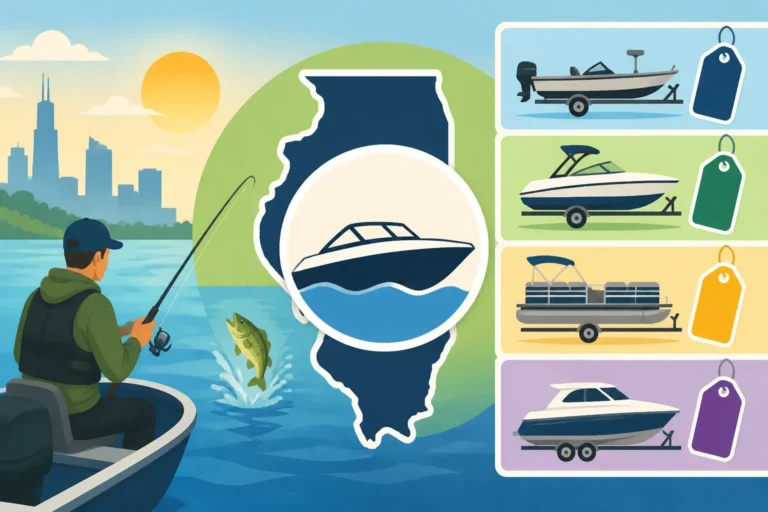
Jon boats are perhaps the most quintessential river fishing vessel, especially for those who frequent the smaller tributaries and vast backwater systems of the Mississippi. These flat-bottomed aluminum boats are incredibly popular for a good reason. Their primary advantage is their shallow draft, allowing them to glide over incredibly thin water where other boats would quickly get stuck. This makes them perfect for accessing flooded timber, hidden sloughs, and shallow flats where many species, especially panfish and bass, love to hide. They're also relatively affordable and easy to launch and retrieve, making them a great entry point for new river anglers. Many experienced river rats will spend hours customizing their jon boat, adding casting decks, rod holders, and even sophisticated electronics to create a true fishing machine.
However, their flat bottom, while great for shallow water, is also their biggest drawback in choppy conditions. When a barge wake rolls through the main channel, a jon boat will slap and pound, making for a very wet and uncomfortable ride. They also tend to be less stable for stand-up casting in rougher water compared to wider, heavier boats. If your primary goal is to stick to the protected backwaters and quieter stretches of the river, a jon boat, perhaps a larger, wider model, can be an excellent, cost-effective choice.
Aluminum V-Hull Boats: Versatility on a Budget
Stepping up from the basic jon boat, aluminum V-hull boats offer a fantastic blend of durability and versatility for the Mississippi River angler. Their V-shaped hull cuts through chop much more effectively than a flat-bottom, providing a smoother, drier ride when dealing with barge wakes or windy conditions on larger pools. Made from robust aluminum, they can take a beating from submerged debris and minor impacts without the concern of cracking that fiberglass might present. They're still relatively lightweight compared to fiberglass options, making them easier to trailer and launch.
These boats are often described as "multi-purpose" because they can comfortably transition from main channel walleye fishing to exploring slightly deeper backwater channels for bass. While they won't get into skinny water quite as easily as a jon boat, they offer a much better experience in open water. You'll find models with various configurations, from simple utility boats to more refined fishing packages with casting decks, livewells, and ample storage. For many Illinois anglers looking for a single boat to handle a broad spectrum of Mississippi River conditions and species, an aluminum V-hull strikes a near-perfect balance. These are often great choices for those who enjoy Mississippi River Walleye and Pike Fishing in Northern Illinois or tackling big cats on Mississippi River Catfish Fishing in Southern Illinois.
Bass Boats: Speed and Comfort for Serious Anglers
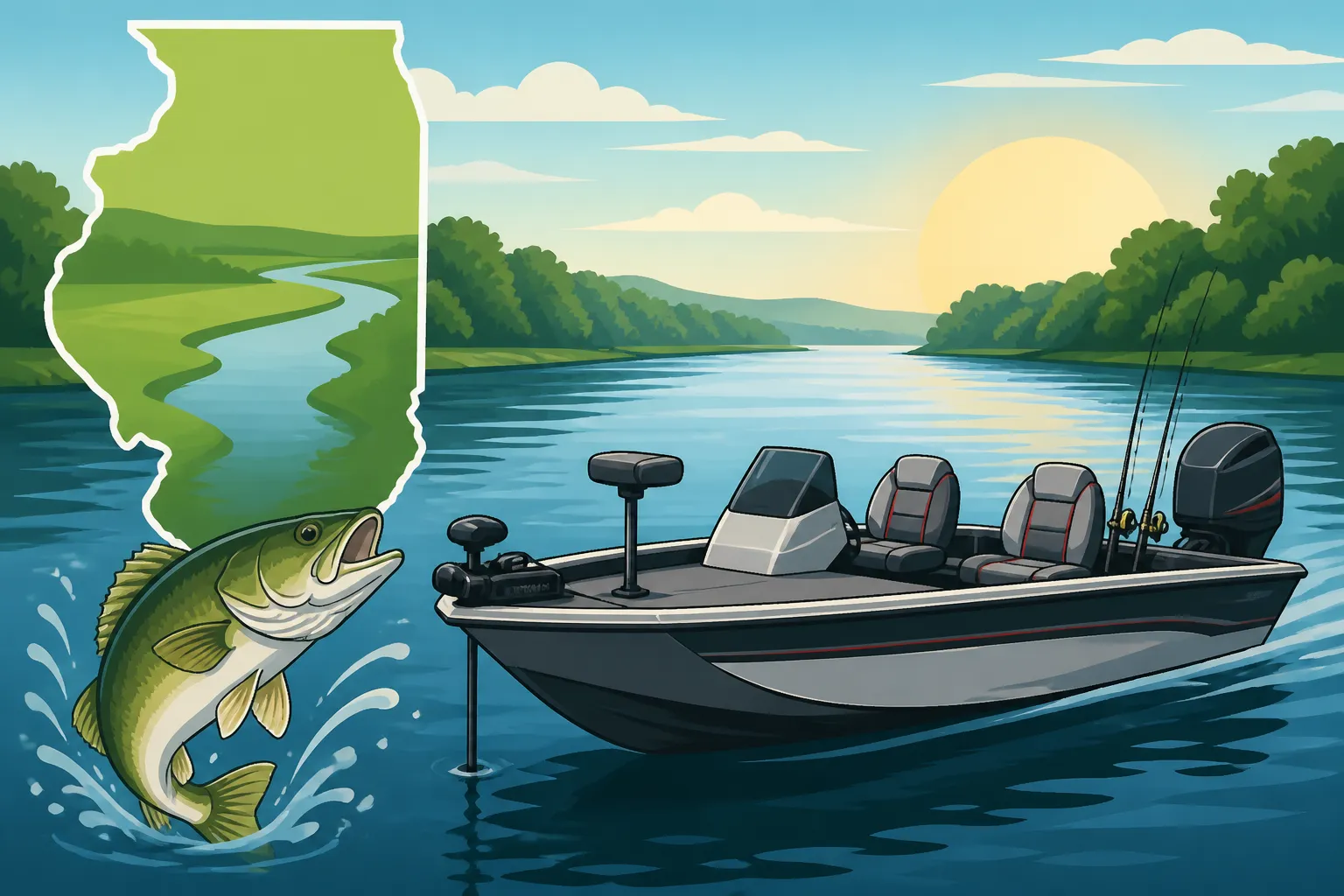
For the angler whose heart beats for largemouth or smallmouth bass, especially in a tournament setting, a dedicated bass boat can be an undeniable thrill. These boats are designed for speed, allowing you to cover vast distances on the Mississippi River quickly to reach your prime spots before the competition. Their wide, stable casting platforms are perfect for standing and working lures with precision, and they come packed with specialized features like huge aerated livewells to keep your catch healthy, abundant rod storage, and powerful trolling motors for precise boat control. The low profile of a bass boat can also be an advantage when casting under overhanging cover.
However, bass boats come with significant trade-offs on the Mississippi. Their deep draft means they are severely limited in shallow backwater areas, often unable to navigate where a jon boat would effortlessly glide. The low freeboard (distance from the water to the top of the boat's side) can make them susceptible to taking on water in very large, rolling barge wakes, demanding careful navigation. They are also among the more expensive options, both to purchase and to operate. If your focus is exclusively on bass fishing in the main river channels or larger, deeper pools, and you're prepared for the limitations and cost, a bass boat delivers unparalleled performance for its specific niche.
Multi-Species Boats/Deep V Boats: All-Around River Performers
When you need a boat that can truly handle everything the Mississippi River throws at it, from relentless currents to monster barge wakes, a multi-species or deep-V boat often stands out. These boats, typically made from heavy-gauge aluminum or fiberglass, feature a pronounced V-shaped hull that slices through rough water, providing an incredibly smooth and dry ride. Their high sides offer exceptional safety and comfort, especially when fishing in less-than-ideal conditions or with family. They are designed to accommodate a wide range of fishing styles and species, hence the "multi-species" moniker. You can comfortably troll for walleye, jig for sauger, or anchor up for giant flathead catfish, all from the same stable platform.
While they may not be as fast as a bass boat or as shallow-drafting as a jon boat, they offer the best overall compromise for serious river anglers who tackle diverse fisheries. They are generally equipped with robust outboards, plenty of storage, and are built to withstand heavy use. Brands like Lund, Alumacraft, Ranger, and Skeeter all offer excellent multi-species options that thrive on big rivers. For those looking for the ultimate workhorse that prioritizes safety, stability, and versatility on the Mississippi, a deep-V is a superb choice, even if it means a higher initial investment. If you're comparing Best Fishing Boats for Illinois Rivers, these often come out on top for overall capability.
| Boat Type | Pros | Cons | Ideal Mississippi River Use |
|---|---|---|---|
| Jon Boat | Very shallow draft, affordable, easy to launch, customizable, lightweight | Rough ride in chop, less stable in open water, limited amenities | Backwater sloughs, flooded timber, shallow creeks, panfish, light tackle bass and catfish |
| Aluminum V-Hull | Durable, handles chop well, versatile, lighter than fiberglass, good value | Not as stable as wider boats, can still get wet in large wakes | Main channel, larger backwaters, bass, walleye, crappie, catfish, all-around river fishing |
| Bass Boat | Very fast, stable casting platform, ample storage, specialized features | Deep draft, limited shallow water access, low freeboard, expensive | Bass tournaments, covering large areas quickly, main channel bass fishing |
| Multi-Species/Deep V | Excellent rough water handling, very stable, high sides, highly versatile | Heavier, more expensive, some limits on very shallow backwater access | Main channel, large open pools, all-weather fishing, diverse species (walleye, muskie, cats) |
Key Features to Prioritize for Mississippi River Angling
Once you've narrowed down the type of boat, it's time to dig into the specific features that will truly make your Mississippi River fishing experience exceptional and safe.
Hull Design and Material Considerations
The hull is the foundation of your boat, and its design directly impacts performance, stability, and durability. For the Mississippi, an aluminum hull is often favored due to its resilience. It can take impacts from floating debris or bumps against rocky shorelines better than fiberglass without the risk of major structural cracks. Aluminum boats are also generally lighter, which translates to easier trailering and better fuel efficiency, a significant factor when covering long distances on the river. However, fiberglass multi-species boats offer superior dampening in rough water, providing an even smoother and quieter ride, albeit at a higher cost and weight.
Regarding hull shape, a modified V-hull or a true deep-V is highly recommended for most Mississippi River applications. While a flat-bottom jon boat has its niche, the added V in the hull helps cut through waves instead of slapping over them, significantly improving comfort and reducing the chance of taking on water from barge wakes. A deeper V also typically contributes to better tracking in strong currents. The trade-off is often a slightly deeper draft, so consider how much true skinny water fishing you plan to do.
Engine Power and Trolling Motor Essentials
The Mississippi River's currents are no joke, and you absolutely need adequate horsepower to navigate them safely and efficiently, especially when running upstream against a strong flow. Don't skimp on engine size; having enough power allows you to respond quickly to changing conditions, reach distant fishing spots in a reasonable time, and maintain control in challenging situations. Always check the boat's maximum horsepower rating and aim for an engine near that upper limit if your budget allows.
Beyond the main outboard, an electric trolling motor is an absolute game-changer for Mississippi River fishing. Whether you're holding position against a current while jigging a wing dam, sneaking silently into a backwater slough, or slowly drifting a brush pile, a reliable trolling motor provides the precision control you need. Look for models with ample thrust (measured in pounds) to counteract currents and consider features like GPS-based spot-lock technology. This incredible feature can hold your boat precisely in place, even in wind or current, freeing you up to focus entirely on fishing. You'll find many excellent options for trolling motors at retailers like Bass Pro Shops or online at Amazon, though always double-check compatibility with your boat.
Storage, Livewells, and Electronics
Effective fishing on a big river means carrying a lot of gear, so ample and well-designed storage is crucial. You'll need space for multiple rods (perhaps even a dedicated Heavy Tackle for Mississippi River Catfish in Illinois setup), tackle boxes brimming with lures for different species, safety equipment, coolers for food and drink, and extra clothing. Look for dry storage compartments that keep your gear safe from spray and rain.
If you plan to keep your catch, especially if you're participating in tournaments or want to bring home fresh fish, a good aerated livewell is essential. A well-designed livewell keeps fish healthy and stress-free until you're ready to weigh them in or head for the cleaning station. Look for adequate capacity and a robust aeration system.
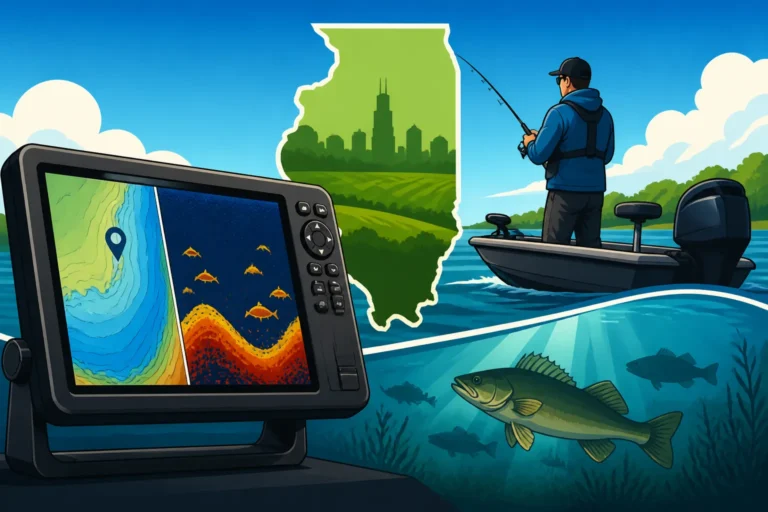
Finally, electronics can elevate your Mississippi River fishing exponentially. A quality fish finder with GPS capabilities is practically a necessity. GPS helps you navigate the complex river system, mark productive spots, and safely return to the ramp, especially if you're fishing a new area or after dark. Down imaging and side imaging sonar can reveal subtle structures like sunken barges, rock piles, or current breaks where fish congregate. These tools help you locate fish and understand the underwater terrain, which is vital on a river where the bottom changes constantly. Don't forget to check out our Fish Finder Buying Guide for Beginners for more in-depth advice on selecting the right unit.
Practical Considerations and Buying Tips
Finding the perfect boat for the Mississippi River isn't just about the vessel itself; it's also about understanding the logistics and ensuring you're prepared for ownership.
Budgeting for Your Mississippi River Fishing Boat
Let's be realistic: boats are an investment. When budgeting for your Mississippi River fishing boat, think beyond the sticker price of the boat and motor. Consider the cost of a reliable trailer—one that can handle rough roads and potential long hauls. Factor in essential safety gear, which is not only smart but often legally required. You'll need items like life jackets (check out Illinois Life Jacket and PFD Rules for specifics), a throwable PFD, a fire extinguisher, and a horn or whistle. Don't forget recurring costs like fuel, insurance, maintenance, and Illinois Boat Registration Requirements Explained fees.
Whether you buy new or used will significantly impact your budget. A used boat can offer tremendous value, allowing you to get a larger or more feature-rich vessel for your money. However, a used boat also requires a thorough inspection by a qualified mechanic to avoid unexpected repair costs down the line. When looking for accessories or even parts, online retailers like Amazon offer a wide selection, and dedicated marine stores or outdoor specialty stores such as Bass Pro Shops can provide expert advice and specific equipment for river conditions.
Essential Safety Gear and Accessories
Safety on the Mississippi River cannot be overstated. The river's powerful currents, commercial traffic, and constantly changing conditions demand that you are well-prepared. Your boat should be equipped with a comprehensive set of safety gear. This includes a sufficient number of Coast Guard-approved life jackets for everyone on board, readily accessible. For boats 16 feet or longer, you'll also need a Type IV throwable flotation device. A fully charged fire extinguisher, an audible signaling device (like a horn or whistle), and proper navigation lights for low-light conditions are also mandatory. Always carry extra rope, a first-aid kit, and a basic tool kit for minor repairs.
Beyond the mandatory items, consider a heavy-duty anchor with plenty of line to hold your boat securely in a strong current. A good paddle or push pole can be invaluable for silently navigating shallow backwaters or pushing off submerged obstacles. These accessories are just as important as your fishing rods and reels for a safe and successful trip. For a full rundown, refer to our Illinois Boating Safety Equipment Checklist. Remember, it’s not just about meeting regulations; it’s about being truly ready for anything the river might present.
Testing Your Boat on the River
Before making a final commitment, especially with a used boat, a test run on the Mississippi River itself (or a similar large river) is highly recommended. This isn't just about ensuring the engine runs well; it's about experiencing how the boat handles in real-world conditions. Pay close attention to its stability when crossing wakes, its responsiveness in current, and its overall ride comfort. Does it feel safe and secure? Can you comfortably fish from it?
Also, consider how easy it is to launch and retrieve the boat at a typical river ramp. Some ramps on the Mississippi can be steep or have strong currents, so a boat and trailer combination that's manageable is a huge plus. Think about your specific fishing style: if you primarily stand and cast, is the boat stable enough for that? If you're going to be constantly moving and re-positioning with a trolling motor, how well does it track? The test run is your chance to confirm that the boat truly aligns with your expectations and the unique demands of fishing the Mississippi River in Illinois. It's an investment in countless future fishing trips, so take the time to get it right!
Disclaimer
This article is for general informational purposes only and does not constitute professional advice. Laws, prices and regulations vary by location and change over time. Consult a qualified professional for guidance on your specific situation.