Tackle Box Setup for Illinois Species
There’s nothing quite as frustrating as heading out for a peaceful day of fishing on an Illinois lake or river, only to realize you’ve brought the wrong gear, or worse, forgotten a crucial piece of tackle. You stand there, looking at your bobber floating aimlessly, while anglers around you are reeling in fish, and you can’t help but think, "What am I missing?" This guide is here to walk you through building and organizing your tackle box specifically for the diverse species and conditions you'll encounter across the great state of Illinois, ensuring you're ready for whatever bites.
The Foundation: Building Your Universal Illinois Tackle Box
Before we dive into the specific needs of bass or walleye, let's talk about the absolute must-haves that form the backbone of any serious angler's tackle box in Illinois. Think of these as your everyday carry items, the gear you'll likely use no matter what you're targeting or where you're fishing. Having these basics dialed in will save you countless headaches and ensure you're always prepared for the unexpected.
Rods, Reels, and Line: Your Primary Connection
Choosing the right rod, reel, and line combination is often where new anglers feel the most overwhelmed, and for good reason! There are so many options, so many ratings, and it all feels a bit like a foreign language. But in Illinois, for general purpose fishing, you can simplify things a lot. A medium-action spinning rod, typically in the 6'6" to 7' range, paired with a 2500 or 3000 series spinning reel, is incredibly versatile. This setup handles everything from panfish on light line to respectable bass and even smaller catfish. It's user-friendly, casts well, and offers a good balance of power and sensitivity. For more detailed insights, check out our guide on Best Rods and Reels for Illinois Anglers.
When it comes to line, a good quality monofilament or braided line around 8-10 pound test is a fantastic all-around choice. Monofilament is forgiving, stretches a bit, and is easier to tie knots with, making it great for beginners. Braided line offers superior strength-to-diameter ratio and incredible sensitivity, which can be a game-changer when you're trying to feel those subtle bites in deeper water or heavy cover. Many anglers opt for braid with a fluorocarbon leader for stealth, especially in clear Illinois waters. You might even consider having a second, slightly heavier outfit, perhaps a medium-heavy baitcasting combo, if you plan to throw larger lures for bass or target bigger catfish frequently.
The key here is versatility. You're not trying to be a specialist with your foundational setup, but rather a generalist who can adapt. Think about where you fish most often – small ponds, larger lakes like Rend Lake or Lake Shelbyville, or maybe a river like the Illinois River. While a medium-action spinning setup covers most bases, if you know you'll be throwing huge muskie baits, you'll need a much different, much heavier rod and reel. However, for the average weekend angler, starting simple and effective is always the best route.
Essential Terminal Tackle for Any Water
Terminal tackle refers to all the bits and bobs at the end of your fishing line: hooks, weights, swivels, and bobbers. These are the unsung heroes of your tackle box, the items that actually connect you to the fish. Skimping here can lead to lost fish and endless frustration, so invest in quality. For hooks, a good assortment of Aberdeen (thin wire for panfish), Octopus (versatile for live bait), and Wide Gap (for soft plastics) in sizes ranging from #8 to 1/0 will cover most scenarios.
Weights are crucial for getting your bait down to where the fish are. Stock up on split shot (for light rigging), bullet weights (for Texas rigging bass lures), and egg sinkers or no-roll sinkers (for bottom fishing with live bait or cut bait). Having a variety of sizes, from 1/16 oz up to 1/2 oz or even 1 oz for current, will ensure you can adjust to different depths and conditions. Swivels, both barrel and snap swivels, help prevent line twist and make changing lures easier.
Finally, don't forget bobbers! Slip bobbers are incredibly versatile, allowing you to present your bait at any depth, which is perfect for crappie or bluegill suspended over structure. Fixed bobbers are simpler and great for shallow water or when teaching kids. A tackle box brimming with these small but mighty components means you won't be caught off guard when the fish are biting in a specific zone or demanding a particular presentation. Having a selection of these readily available in your Tackle Box Organization for Panfish Trips is paramount.
Tools and Accessories Every Angler Needs
Beyond the rods and reels, and the terminal tackle, there’s a whole host of smaller tools and accessories that make your fishing life infinitely easier and safer. First up, needle-nose pliers or a multi-tool. These are indispensable for removing hooks safely, bending wires, or simply cutting line. A good pair of line cutters or small scissors is also a must-have, as trying to bite through braided line is a recipe for a bad day (and sore teeth).
A small scale and a tape measure are fantastic for checking if your catch meets the legal size and length limits in Illinois, helping you stay compliant with regulations. Don’t forget a small first-aid kit, especially if you’re prone to hook accidents or cuts – it happens to the best of us! Sunscreen, insect repellent, and a good hat and polarized sunglasses are also non-negotiable for comfort and eye protection on bright days. These items might not directly catch fish, but they significantly enhance your experience and safety, allowing you to focus on what matters most: enjoying your time on the water. Many of these essential tools can be found readily at stores like Bass Pro Shops or through online retailers like Amazon.
Tailoring Your Tackle for Illinois' Favorite Game Fish
Illinois boasts a fantastic variety of freshwater fishing opportunities, from the sprawling lakes like Lake Shelbyville to the winding rivers and countless smaller ponds. Each species, however, often requires a slightly different approach and specific tackle to maximize your success. This section breaks down what you'll want to pack when you're specifically targeting some of Illinois's most popular game fish.
Largemouth and Smallmouth Bass Tackle Strategies
Ah, bass fishing! It’s practically a religion for many Illinois anglers. Whether you're chasing largemouth in lily pads or smallmouth in rocky river stretches, your tackle box needs to be well-stocked. For largemouth, think weedless presentations and reaction baits. Soft plastics are king: Texas-rigged worms, creature baits, and jigs with trailers are indispensable for probing cover. Don't forget crankbaits that dive to different depths, spinnerbaits for searching vast areas, and topwater lures for those thrilling surface strikes, especially in warmer months. A medium-heavy baitcasting rod is often preferred for these heavier lures and for muscling fish out of thick cover. Check out our dedicated guide Tackle Box Setup for Illinois Bass Anglers for an even deeper dive.
Smallmouth bass, often found in clearer, rockier waters like parts of the Kankakee River or Lake Michigan, respond well to finesse techniques. Drop shots, Ned rigs, tube jigs, and small crankbaits are highly effective. You'll often want a lighter rod, perhaps a medium-light spinning rod, and a fast-action tip to detect those subtle bites. Fluorocarbon line for its invisibility and sensitivity is also a favorite among smallmouth enthusiasts. When assembling your bass arsenal, consider the types of water you typically fish. Are you pounding heavy cover with a jig, or are you finessing a drop shot over a rocky point? Your lure selection should reflect that. For soft plastics, having a variety of colors that mimic local forage, like green pumpkin, junebug, or natural crawfish patterns, is always a smart move. When choosing Best Crankbaits for Largemouth Bass, consider the dive depth and retrieve speed.
Crappie and Panfish: Light Tackle for Abundant Catches
Crappie, bluegill, and other sunfish are the bread and butter of Illinois fishing, offering fast action and delicious table fare. The key here is light tackle for maximum enjoyment and sensitivity. An ultralight or light-action spinning rod, typically 5' to 6' long, paired with a small 1000 or 2000 series reel, is perfect. Spool it with 4-6 pound monofilament or braid. This delicate setup allows for excellent casting of small baits and makes even a modest bluegill feel like a monster. For an in-depth look at this setup, consider our article on Ultralight Tackle for Panfish Fishing.
For crappie, small jigs (1/32 to 1/16 oz) in various colors (chartreuse, pink, white, black/chartreuse) are incredibly effective, either tipped with a minnow or fished alone. Small soft plastic crappie tubes or curly-tail grubs are also top producers. Live minnows, fished under a slip bobber, are almost always a winner. For bluegill and other panfish, tiny jigs, small hooks (#8 to #12) with bits of worm, wax worms, or crickets, fished under a small bobber, will keep the action hot. Having a selection of different sized bobbers is crucial, as is a variety of small lead-free split shot to balance them. These fish are often found near structure like brush piles, docks, or weed edges, so bringing along some weedless tiny jigs can also be beneficial to avoid snags.
Catfish: Heavy-Duty Gear for Bottom Dwellers
Illinois is a fantastic state for catfish, whether you're chasing channel cats, blue cats, or flatheads in our big three lakes (Rend, Shelbyville, Carlyle) or the vast Mississippi River. Unlike panfish, catfish require heavier gear to handle their size and strength. A medium-heavy to heavy-action rod, 7' to 9' long, paired with a stout baitcasting or spinning reel, spooled with 15-30 pound monofilament or braided line, is your starting point. You'll want a strong mainline because you're often fishing in current or around snags, and you need to turn these powerful fish. For specific gear recommendations, consult our guide on Tackle Box Essentials for Catfish Trips.
Terminal tackle for catfish needs to be robust. Circle hooks (2/0 to 8/0) are highly recommended, not only for their effectiveness in hooking fish in the corner of the mouth (which is better for the fish if you plan to release it), but also because they set themselves. Heavy egg sinkers, no-roll sinkers, or pyramid sinkers (1 oz to 4 oz, depending on current) are essential for keeping your bait on the bottom. Three-way swivels and heavy-duty barrel swivels are also good to have for creating various rigs. As for bait, it's all about scent! Cut bait (shad, skipjack), stink baits, chicken livers, and nightcrawlers are classic choices. Having a good bait cooler is almost as important as your tackle box when targeting these whiskered warriors. For Illinois Channel Catfish Daily Limit Explained, you'll want to be sure you know the regulations before you head out.
Walleye: Precision and Presentation for a Prized Catch
Walleye are revered for their delicious taste and challenging nature. Catching them in Illinois often demands a mix of specific techniques and lures. For general walleye fishing, a medium-light to medium-action spinning rod, 6'6" to 7' long, with a sensitive tip, paired with a 2500 or 3000 series reel, is ideal. Spool it with 6-10 pound braid and use a fluorocarbon leader for invisibility. When it comes to reels, you can find excellent options suitable for walleye fishing at Bass Pro Shops or online via Amazon. If you're looking for recommendations, our article on Best Reels for Illinois Walleye Fishing can help.
Lure choices for walleye are very diverse. Jigs (1/8 to 1/2 oz) tipped with a minnow, leeches, or soft plastics are incredibly effective, especially when jigged along breaks or structure. Crankbaits that mimic baitfish and dive to the right depth are also vital, particularly when trolling or casting across flats. Trolling spinners with a worm harness, or blade baits, can be deadly in the right conditions. Walleye often hug the bottom, especially in deeper water, so having a good selection of bottom-bouncing rigs and heavier jigs is important. Think about different color patterns too – natural baitfish colors for clear water, and brighter colors like chartreuse or orange for stained or murky conditions. If you're on the Mississippi River, understanding How to Jig for Walleye in current is a game-changer.
| Species | Rod Action/Length (General) | Reel Size (Spinning) | Line (Main/Leader) | Key Lures/Baits | Essential Terminal Tackle |
|---|---|---|---|---|---|
| Largemouth Bass | Medium-Heavy, 6'6"-7' | 3000-4000 | 12-20lb Mono/Braid | Soft Plastics, Jigs, Crankbaits, Spinnerbaits, Topwater | Bullet Weights, Wide Gap Hooks, Swivels |
| Smallmouth Bass | Medium-Light/Medium, 6'6"-7' | 2500-3000 | 8-10lb Braid/Fluorocarbon Leader | Drop Shots, Ned Rigs, Tubes, Small Crankbaits | Drop Shot Hooks, Small Jigs, Split Shot |
| Crappie/Panfish | Ultralight/Light, 5'-6' | 1000-2000 | 4-6lb Mono/Braid | Small Jigs, Minnows, Worms, Wax Worms | Small Hooks (#8-12), Split Shot, Slip Bobbers |
| Catfish | Medium-Heavy/Heavy, 7'-9' | 4000-6000 | 15-30lb Mono/Braid | Cut Bait, Stink Baits, Worms, Liver | Circle Hooks (2/0-8/0), Egg Sinkers, No-Roll Sinkers |
| Walleye | Medium-Light/Medium, 6'6"-7' | 2500-3000 | 6-10lb Braid/Fluorocarbon Leader | Jigs, Crankbaits, Worm Harnesses, Live Minnows | Jig Heads, Swivels, Bottom Bouncers |
Organizing Your Tackle Box for Peak Performance
Having all the right gear is one thing; being able to find it quickly and efficiently when you're on the water is another entirely. A disorganized tackle box can lead to wasted time, missed bites, and endless frustration as you dig through a tangled mess of hooks and lures. Imagine that moment when the fish are schooling, and you're fumbling for the right jig! Effective organization isn't just about neatness; it's about maximizing your time and enjoyment on the water.
Compartmentalization and Storage Solutions
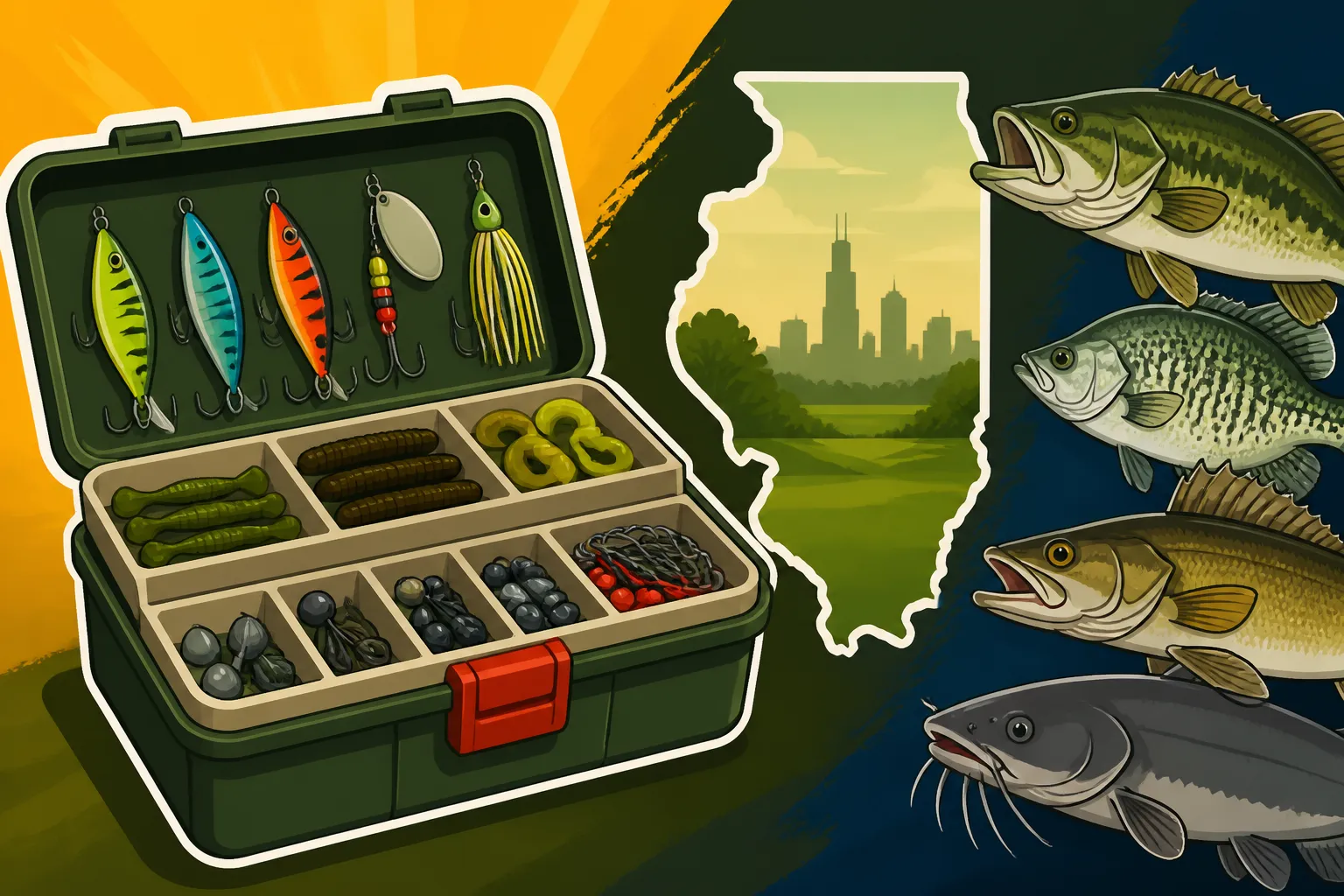
The cornerstone of an organized tackle box is smart compartmentalization. Most modern tackle boxes, whether they're classic hard-sided boxes or soft-sided bags, come with adjustable dividers. Use them! Dedicate specific compartments or small plastic boxes to different lure types (crankbaits, jigs, topwaters), terminal tackle (hooks, weights, swivels), and soft plastics. For example, all your bass hooks might go in one small container, while your crappie jigs get another. This prevents tangles and makes it incredibly easy to grab exactly what you need in a hurry. You can find a huge variety of these organizational solutions at any sporting goods store or through online retailers.
For soft plastics, consider using specialized binder-style bags or original packaging to keep them separated by color and style. This prevents different plastic compounds from melting or reacting with each other, which can happen in humid conditions. Keep your most frequently used items (like your go-to worm color or common jig head sizes) in easily accessible compartments near the top or front of your box. Less frequently used, seasonal, or specialty items can go in deeper storage. This system, if followed diligently, will transform your fishing experience, turning moments of fumbling into moments of swift action. Our Tackle Box Organization for Panfish Trips article goes into even more depth on this topic.
Creating Species-Specific Kits
While a universal tackle box is great for general outings, many dedicated anglers find it incredibly helpful to create smaller, species-specific kits or "mini-boxes." This approach is a game-changer if you often switch between targeting different fish on different trips. For example, you might have a dedicated "Bass Kit" with all your favorite bass jigs, worms, and crankbaits. Similarly, a "Crappie Kit" would contain your small jigs, bobbers, and minnow hooks.
The beauty of these kits is that you can grab just the kit you need for a particular day. Heading out for an afternoon of panfishing? Grab your panfish kit and a basic tool kit. Planning a serious bass tournament? Bring your main bass box and maybe a separate soft plastics binder. This eliminates the need to haul your entire, heavy tackle collection every time you hit the water, and significantly reduces clutter. Many anglers use small, clear utility boxes for these kits, which allows for quick visual identification of contents.
The "Go-Bag" Approach for Spontaneous Trips
Sometimes, the fishing bug bites unexpectedly, and you find yourself with an hour or two to hit a local pond or river after work. For these spontaneous trips, a "go-bag" or a small, pre-packed tackle bag can be a lifesaver. This bag should contain a bare minimum of versatile tackle that can catch a variety of common Illinois species. Think a few different sized hooks, some split shot, a few jigs, a couple of proven soft plastics, and maybe a small crankbait or spinner. Don't forget those essential tools like pliers and line cutters.
The goal of the go-bag is convenience and readiness. It should be light enough to grab quickly and contain enough diversity to catch something without requiring a full tackle box overhaul. This might also include a small container of live bait if you happen to pick some up on the way. Imagine driving by a great looking fishing spot and being able to pull over and fish without a second thought. That's the power of the go-bag, ensuring you never miss an opportunity to wet a line.
Seasonal Adjustments and Ongoing Tackle Maintenance
The rhythm of fishing in Illinois changes dramatically with the seasons, and so too should your tackle box. What works wonderfully for a summer evening bite might be completely ineffective in the chill of early spring or late fall. Beyond adapting your tackle, proper care and maintenance of your gear are essential to ensure longevity and reliable performance year after year. Neglecting your tackle can lead to rust, corrosion, and ultimately, gear failure at the worst possible moment.
Adapting Your Tackle for Spring, Summer, Fall, and Winter
- Spring: As water temperatures rise, fish become more active and move from deeper wintering holes to shallower spawning areas. Your tackle box should reflect this. For bass, think about Spring Fishing Patterns for Multiple Species: spinnerbaits and lipless crankbaits for pre-spawn, then jigs and soft plastics for beds. Crappie will be shallow, so small jigs under bobbers are key. Catfish start to wake up, responding to cut bait. This is a time for variety, as conditions can change rapidly.
- Summer: High heat often means fish move to deeper, cooler water or become more active during low-light periods. For bass, switch to deeper diving crankbaits, Carolina rigs, and topwater lures early and late in the day. Walleye will be found on main lake humps and points, often requiring trolling or jigging. Catfish are very active, and live or cut bait fished on the bottom dominates. Don't forget about panfish in shaded areas or deep brush piles.
- Fall: This is a fantastic time to fish in Illinois as fish feed heavily before winter. For bass, crankbaits, spinnerbaits, and jigs are excellent as they follow baitfish schools. Walleye can be found shallow again, hitting jigs and crankbaits. Crappie are often schooling up in deeper water, making them a prime target for vertical jigging. Consider warmer clothes and a wider array of baitfish-imitating lures.
- Winter: Ice fishing becomes the main game for many. Your tackle box will shrink considerably, focusing on small ice jigs, spoons, and live bait (minnows, wax worms). Targeting panfish, walleye, and even pike through the ice requires specialized, smaller tackle designed for vertical presentation. Even for open water, if you can find it, slower presentations and subtle lures are key when fish are sluggish. If you're wondering How to Catch Bass in Cold Water, your tackle choice will certainly be different than in summer.
Keeping Your Gear in Top Condition
Proper maintenance extends the life of your expensive fishing gear and prevents frustrating failures on the water. After every trip, especially if you've been in saltwater or brackish water (like Lake Michigan), rinse your lures and tackle box with fresh water. Allow everything to air dry completely before sealing it back up to prevent rust and mildew. Store your rods in a cool, dry place, ideally upright or in rod socks to protect the blanks and guides.
Regularly check your fishing line for nicks, abrasions, and wear, especially the first few feet near your lure. Re-spool your reels with fresh line at least once a season, more often if you fish frequently. Lubricate your reels according to the manufacturer's instructions to keep them running smoothly. Check hooks for sharpness and rust; replace dull or rusty hooks promptly. A small hook sharpener is a great tool to keep in your box. Taking a few minutes after each outing to clean and inspect your gear will pay dividends in terms of performance and reliability, ensuring your tackle box is always ready for the next great Illinois fishing adventure.
Disclaimer
This article is for general informational purposes only and does not constitute professional advice. Laws, prices and regulations vary by location and change over time. Consult a qualified professional for guidance on your specific situation.