Illinois Boat Registration Fees by Boat Class
The thrill of getting out on Illinois waters, whether it's a calm morning on Rend Lake or an adventurous afternoon on Lake Michigan, is undeniable. But before you cast a line or set sail, there's often a confusing hurdle: understanding Illinois boat registration fees. It can feel like deciphering a secret code just to figure out how much you owe and why, leading to frustration and delays. This comprehensive guide is here to demystify the entire process, breaking down everything you need to know about registering your vessel in the Prairie State, class by class.
Understanding Illinois Boat Registration Requirements
Let's face it, nobody wants to get a ticket or deal with bureaucratic headaches when all they want to do is enjoy a peaceful day on the water. The first step to avoiding those woes is truly understanding what kind of boat needs to be registered in Illinois and what doesn't. It's not always as straightforward as it seems, and sometimes a small modification to your vessel can change its registration status entirely.
Who Needs to Register a Boat in Illinois?
The Illinois Department of Natural Resources (IDNR) is pretty clear on this, but it’s easy to get lost in the details. Generally speaking, any watercraft that uses a motor, regardless of its size, needs to be registered. This means if you've got a little fishing boat with an outboard motor, even if it's just a tiny 5-horsepower kicker, it's going to need registration. This also extends to sailboats if they are over 12 feet in length. So, if you just purchased a used bass boat for hitting Lake Shelbyville, or even a small aluminum jon boat that you've fitted with an electric trolling motor for those quiet crappie coves, you're squarely in the "must register" camp.
Think about it this way: if it has an engine, electric or gas, or if it's a larger sailboat, the state wants to know about it. This system helps with identification in case of an accident, theft, or even if you just need assistance out on the water. It’s not just about collecting fees; it’s about maintaining a record of vessels operating within Illinois waters for safety and enforcement purposes. For a deeper dive into these requirements, you might want to check out Illinois Boat Registration Requirements Explained.
Let's consider a common scenario: you bought a new kayak, intending to paddle it. But then you realize that adding a small electric trolling motor would really help you cover more water and extend your fishing range. That moment you attach that motor, your kayak, previously exempt, now falls under the registration umbrella. It's a small change with a significant regulatory impact. The same goes for larger sailboats; if your graceful sailboat measures 13 feet from bow to stern, it's no longer just a wind-powered toy in the eyes of the law; it's a vessel requiring registration and proper documentation.
What Doesn't Need to Be Registered?
Now, for the good news! Not every floating device needs to go through the registration process. If your watercraft is powered solely by human effort, such as canoes, paddleboards, rowboats, and most kayaks without a motor, you are typically exempt. So, if your idea of a perfect day is a serene paddle on a local creek or a vigorous workout on a stand-up paddleboard, you're likely in the clear when it comes to registration.
Additionally, non-motorized sailboats under 12 feet in length don't require registration. This covers many smaller recreational sailing dinghies and catamarans that are often used for learning or casual outings. It’s also worth noting that boats exclusively operated on private ponds or lakes that are completely enclosed and not connected to any public waterways are usually exempt. This means that little johnboat you keep at your cabin on a private pond, never touching a public lake or river, probably doesn't need to be registered.
It's about the interaction with public waterways and the potential for a motor. If you have a small canoe that you only use on a secluded pond on your property, far from any river or reservoir, the IDNR generally doesn't require registration. However, if you decide to take that same canoe to the Kankakee River, and you decide to put a tiny electric trolling motor on it to help fight the current, you'd then need to register it. The key takeaway here is 'motorized' and 'public water.' Always double-check if you're unsure, especially if you're planning to use your vessel in a new way or on different waters.
Why Do We Even Have These Fees?
It's easy to grumble about fees, but these registration costs serve vital purposes beyond just taxing boaters. The funds generated from boat registration fees in Illinois directly contribute to a number of important programs and services. Firstly, they help fund boating safety enforcement. Those friendly (but serious!) conservation police officers you see on the water are supported by these funds, ensuring everyone adheres to safety regulations and helping those in distress. This keeps our waterways safer for all users, from kayakers to pontoon boaters.
Secondly, a significant portion of the fees goes towards waterway access and maintenance. This includes things like maintaining public boat ramps, dredging channels, and ensuring navigation aids are in place. Without these funds, many of our favorite fishing spots and boating areas would become inaccessible or unsafe. Imagine trying to launch your boat on a ramp riddled with potholes, or navigating a river without proper markers; these fees prevent such scenarios.
Finally, these fees play a crucial role in conservation efforts. The IDNR uses these resources for fish stocking programs, habitat restoration, and other initiatives that directly benefit the aquatic ecosystems we all enjoy. So, when you pay your registration fee, you're not just paying for a sticker; you're investing in the future of Illinois fishing and boating. It's a collective contribution to ensure that the beautiful lakes and rivers we cherish remain healthy and accessible for generations to come. This commitment to the environment means more thriving fish populations, better water quality, and ultimately, more successful and enjoyable fishing trips for everyone.
Breaking Down Illinois Boat Registration Fee Classes
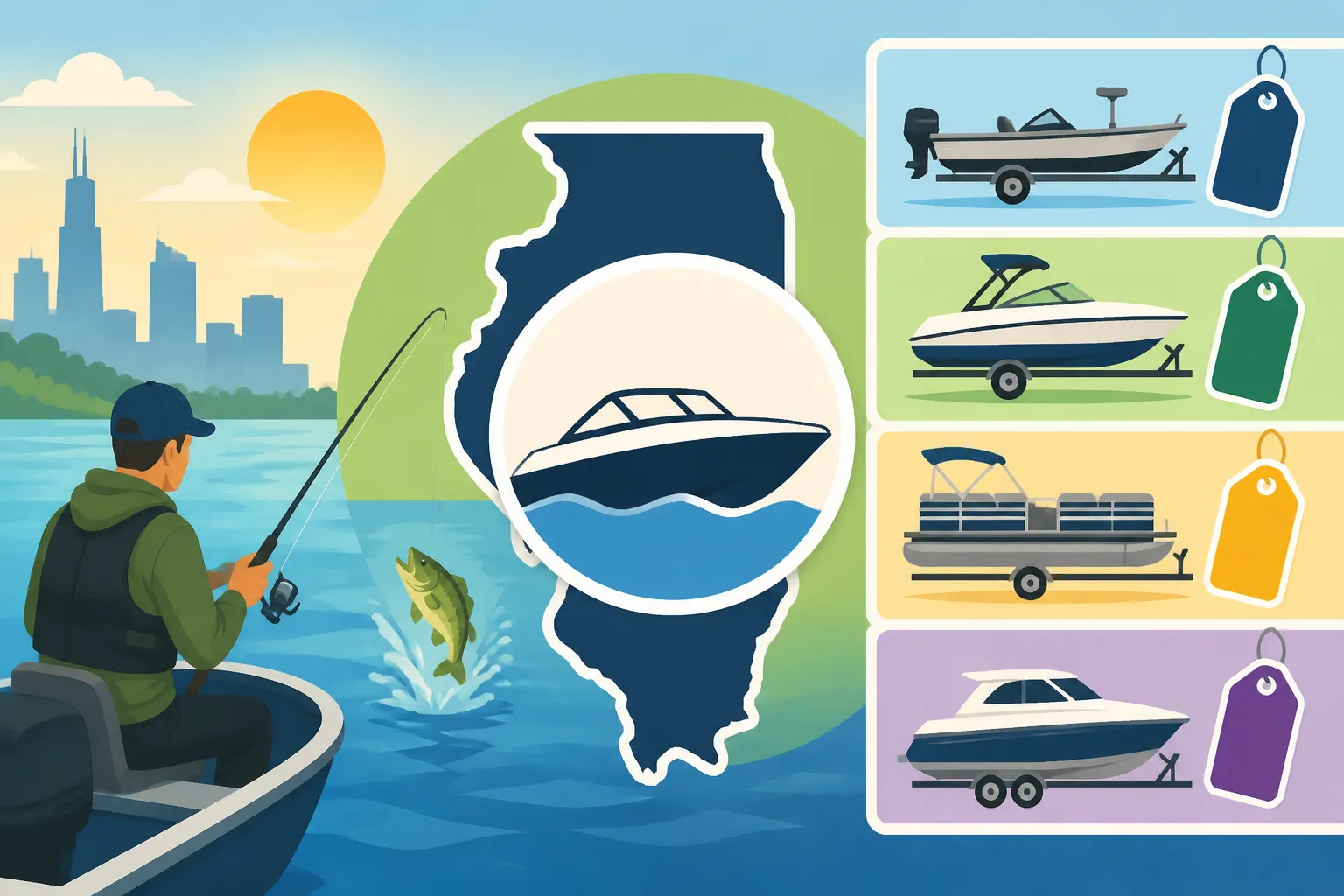
One of the biggest sources of confusion for boaters is understanding the different boat classes and how they impact registration fees. It's not a flat fee for all boats; instead, Illinois uses a tiered system based primarily on the length of your vessel. This system ensures that larger boats, which often require more resources for patrolling, infrastructure, and potential search and rescue operations, contribute proportionally more to the state's boating programs.
The Different Boat Classes Based on Length
Illinois categorizes boats into five distinct classes, each with its own fee structure. This classification is solely based on the overall length of your vessel, measured from the bow to the stern. It's important to measure accurately, as miscategorizing your boat could lead to incorrect fees or even compliance issues.
- Class 1: This category includes boats less than 16 feet in length. Think of your smaller fishing boats, aluminum jon boats, personal watercraft (jet skis), and dinghies with motors. These are often the most common boats found on smaller lakes and rivers, perfect for a solo angler or a small family outing. For instance, a 14-foot fishing boat you might pick up at Bass Pro Shops for a weekend on Clinton Lake would fall into this class.
- Class 2: These are vessels measuring 16 feet but less than 26 feet. This class covers a broad range of popular boats, including many bass boats, runabouts, pontoon boats, and smaller cruisers. A 20-foot pontoon boat, ideal for taking the grandkids out on Carlyle Lake, would fit perfectly here. This is a very popular category for family recreation and serious fishing alike.
- Class 3: Moving up in size, Class 3 boats are 26 feet but less than 40 feet in length. You'll typically find larger cruisers, some houseboats, and bigger fishing vessels in this class. These are the boats often seen on larger bodies of water like Lake Michigan or the expansive stretches of the Mississippi River, designed for longer trips or more intensive use.
- Class 4: This class encompasses boats 40 feet but less than 65 feet. These are substantial vessels, often custom-built or larger yachts, that require significant investment and are used for serious cruising or even as live-aboards. While less common than smaller fishing boats, they represent a significant presence on certain waterways.
- Class 5: Finally, Class 5 is for the true giants of the water: boats 65 feet or more in length. These are typically commercial vessels, large yachts, or specialized barges that operate on major rivers or Lake Michigan. The registration for these behemoths reflects their scale and impact on the waterways.
Understanding your boat's length is the absolute first step in figuring out your registration costs. Make sure to use a tape measure and get an accurate reading from the furthest point of the bow to the furthest point of the stern, excluding any detachable accessories like swim platforms or bowsprits. For more detailed information on specific classes, you can refer to Boat Registration Cost by Class in Illinois.
How Length Impacts Your Registration Cost
It's a pretty straightforward principle: the longer your boat, the higher your registration fee. This graduated fee structure is common across many states and makes a lot of sense when you consider the resources involved. Larger boats generally require more robust infrastructure, contribute to more wear and tear on ramps and docks, and may have a larger environmental footprint. They also often operate in busier waters, increasing the need for safety patrols and emergency services.
Here's a simplified look at how the fees escalate (remember, exact figures are not provided here, but the pattern holds true):
| Boat Class | Length Range | Typical Fee Shape (Conceptual) | Example Boat Type |
|---|---|---|---|
| Class 1 | Less than 16 feet | Lowest | 14-foot Jon boat, Personal Watercraft |
| Class 2 | 16 feet but less than 26 feet | Moderate | 20-foot Pontoon, 18-foot Bass Boat |
| Class 3 | 26 feet but less than 40 feet | Higher | 30-foot Cabin Cruiser, Large Offshore Fishing Boat |
| Class 4 | 40 feet but less than 65 feet | Significantly Higher | 50-foot Yacht, Commercial Fishing Vessel |
| Class 5 | 65 feet or more | Highest | Large Commercial Barge, Luxury Mega-Yacht |
As you can see, the jump in fees between classes can be quite substantial. For instance, registering a Class 1 boat, like a small fishing boat you might buy for under a hundred dollars, will naturally cost far less than registering a Class 3 cruiser. This isn't just about the size of the boat, but also the complexity and scope of its operation. A small boat might primarily stay on one small lake, while a larger vessel could be traversing multiple rivers or even Lake Michigan, requiring more resources and oversight. If you're curious about specific examples, How Much Does Illinois Boat Registration Cost for a Class 1 Boat and Boat Registration Fees Ranging From $28 to $210 Explained can give you a better idea of the conceptual cost differences.
It also means that when you're considering upgrading your vessel, you shouldn't just think about the purchase price, but also the ongoing operational costs, with registration being one of the first and most predictable. That 15-foot fishing boat that fits Class 1 might be very appealing, but stepping up to an 18-foot bass boat puts you in Class 2, which comes with a higher registration fee. It’s all part of the joys (and costs!) of boat ownership.
What About Sailboats and Commercial Vessels?
While the length-based classification applies broadly, there are a few nuances for specific types of vessels, particularly sailboats and commercial operations. As we touched on earlier, sailboats over 12 feet in length are treated like motorized vessels when it comes to registration in Illinois. This means they fall into the same length-based classes and incur the corresponding fees. Even though they don't have an engine (or might only have a small auxiliary motor for emergencies), their size warrants inclusion in the registration system for identification and safety purposes on public waters.
For instance, if you own a 28-foot keelboat that you sail on Lake Michigan, it would be registered as a Class 3 vessel, just like a 28-foot powerboat. The state's interest is in tracking all larger vessels on its waterways, regardless of their primary propulsion method. This ensures that emergency services can identify and locate boats, and that all vessels comply with general boating safety regulations.
Commercial vessels, on the other hand, have additional layers of regulation and may involve different types of permits or licenses beyond basic recreational boat registration, especially if they are involved in transport, charter services, or commercial fishing. While the base vessel itself will still be registered according to its length class, the operation of a commercial vessel often requires specific state or federal certifications and inspections.
For example, a charter fishing boat operating out of Waukegan Harbor on Lake Michigan would definitely be registered with the state based on its length, but the captain would also need appropriate U.S. Coast Guard licensing, and the vessel would be subject to more rigorous safety inspections because it carries paying passengers. These distinctions are crucial for those involved in commercial operations to ensure full compliance with all applicable laws. While this guide focuses on recreational registration, it's important to be aware of these additional requirements for commercial use.
Navigating the Initial Registration Process and Costs
Okay, so you’ve got your eye on a new boat, or perhaps you just closed the deal on a fantastic used one. Congratulations! Now comes the part where you make it officially yours in the eyes of the state: initial registration. This process can feel a bit like a scavenger hunt for documents, but once you know what you need and where to go, it's pretty manageable. Skipping steps or forgetting a crucial piece of paperwork will only lead to delays, keeping you off the water longer, which is the last thing any angler wants.
First-Time Registration: What Documents You'll Need
When you're ready to register your boat for the very first time in Illinois, gather these documents before you start. Having them all in one place will save you a ton of hassle and a potential extra trip.
- Application for Illinois Boat/Snowmobile/ATV Registration & Title (Form IL 532-0016): This is your main form, available from the IDNR website. You’ll need to fill out all sections accurately, including your personal information, detailed boat information (make, model, HIN, length, motor details), and how you acquired the vessel. Don't leave any blanks!
- Manufacturer’s Statement of Origin (MSO) or Certificate of Origin (MCO): If your boat is brand new, this document comes from the manufacturer and proves the boat's initial ownership and specifications. It’s like a birth certificate for your boat.
- Bill of Sale: For a used boat, a clear, dated, and signed bill of sale is critical. This document needs to include the buyer's and seller's names and addresses, the purchase price, the boat’s Hull Identification Number (HIN), and a description of the vessel. If you're buying from a private party, make sure this is as thorough as possible to avoid any future disputes.
- Previous Owner's Illinois Certificate of Title (if applicable): If the boat was previously titled in Illinois, the seller must sign over the existing title to you. This is crucial for transferring ownership. If the previous owner never titled it (which can happen with older boats or those below a certain length), you'll rely more heavily on the bill of sale and possibly a "Statement of Fact" form explaining the titling history.
- Proof of Payment of Illinois Sales Tax: You'll need to show that you've paid the necessary sales tax on your boat purchase. If you bought it from a dealer, they typically handle this. If it was a private sale, you’re responsible for remitting the Use Tax, usually within 30 days of purchase, via a separate form (Form RUT-75, Use Tax Transaction Return). Don't forget this step, as it's a common oversight!
Imagine you've just bought that dream bass boat from a private seller you found online. You show up to register, full of excitement, only to find out your bill of sale is missing the seller's address and the HIN. Or perhaps you forgot to pay the Use Tax. These small omissions can turn a quick trip into a frustrating ordeal. Always double-check your paperwork against the IDNR checklist to ensure a smooth process. Having everything organized will get you your registration and title much faster, putting you on the water sooner. Illinois Boat Registration Basics for First-Time Owners provides more tips on getting started.
Beyond the Basic Fee: Potential Additional Costs
While the registration fee itself is the most significant cost, it's important to be aware that there are usually a few other charges that come along with it. These aren't hidden fees; they are standard administrative costs associated with processing your paperwork and establishing legal ownership.
- Title Fee: In Illinois, most motorized boats and sailboats over 12 feet also require a Certificate of Title. This is a separate document from your registration and serves as legal proof of ownership, much like a title for a car. There’s a distinct fee for obtaining this title, and it’s a one-time cost for as long as you own the boat. It’s usually a nominal fee, but it's an important one to factor in, especially for your initial budgeting.
- Lien Fee (if applicable): If you financed your boat purchase through a bank or credit union, the lender will typically record a lien on your boat's title. This indicates that they have a financial interest in the vessel until your loan is paid off. There's a small fee associated with recording this lien on the title. Your lender will usually handle this paperwork as part of the loan process, but it's good to be aware that it's an additional cost involved.
- Late Fees: This is the cost no one wants to pay! If you purchase a new or used boat and fail to register it within a specific timeframe (typically 15 days from the date of purchase), you could incur a late fee. The IDNR sets these fees to encourage timely registration. So, don’t drag your feet after you’ve bought that new vessel; get the paperwork done promptly to avoid unnecessary expenses.
- Sales/Use Tax: As mentioned previously, this isn't a "registration fee" per se, but it's a significant cost associated with acquiring a boat. If you buy from a dealer, the tax is usually included in the purchase price. If you buy from a private seller, it's your responsibility to report and pay the Illinois Use Tax. The rate is the same as the state sales tax. This is often the largest "additional" cost beyond the actual registration and title fees, and it’s critical not to overlook it.
Always factor these potential extra costs into your budget when purchasing a boat. A common mistake is just looking at the registration sticker price and forgetting about the title, lien, or sales tax. Being prepared financially for all these components will make the registration process much smoother and prevent any unwelcome surprises.
Where to Register Your Boat in Illinois
Once you have all your documents in order and understand the associated fees, it's time to submit your application. Illinois offers a few convenient ways to get your boat registered and titled, catering to different preferences.
- Online: For many, the quickest and easiest method is to register online through the IDNR's website. This option is particularly convenient for renewals or simpler transactions where all your information is already in the system. However, for initial registrations, especially for first-time boat owners or complex transfers, online submission might not be possible, as original documents often need to be reviewed. Always check the specific requirements on the IDNR site. This method is great for busy anglers who want to handle things from the comfort of their home.
- Mail: You can print out the necessary forms from the IDNR website, fill them out, attach copies of your supporting documents (and original title if transferring ownership), and mail everything to the address provided by the IDNR. This is a good option if you prefer to take your time filling out forms and don't mind waiting a few weeks for processing. Make sure to send it via certified mail with a return receipt requested for your peace of mind, especially when sending important original documents.
- IDNR Offices: For those who prefer in-person service or have complex situations that require clarification, visiting a regional IDNR office or the main Springfield office is an option. While this might involve a drive for some, it allows you to speak directly with an agent who can guide you through the process and ensure all your paperwork is correct. It’s also often the fastest way to get your registration and title processed if you arrive with all the correct documents. This can be especially helpful if you’re unsure about certain aspects of your boat’s history or titling requirements.
It’s worth noting that while you can purchase fishing licenses at many sporting goods stores like Bass Pro Shops or local bait shops, boat registration is a more specialized process handled directly by the IDNR. Make sure you're heading to the right place or using the correct online portal. The IDNR website is your definitive source for forms, addresses, and up-to-date instructions. No matter which method you choose, the goal is the same: to get your official Illinois registration number and decal so you can legally and safely enjoy the state's beautiful waterways.
Renewing Your Illinois Boat Registration: Staying Legal
Once you've gone through the initial registration song and dance, the good news is that renewals are usually much simpler. However, it's crucial to understand the renewal cycle and deadlines to avoid penalties and ensure you stay legal on the water. Missing a renewal can be an unwelcome surprise, especially if a conservation officer checks your paperwork during a casual fishing trip.
Understanding the Renewal Cycle and Deadlines
In Illinois, boat registrations are typically valid for a three-year period. This isn't like an annual fishing license that expires on a specific date each year. Instead, your boat registration will have an expiration date tied to a three-year cycle. However, there's a specific date that most Illinois boaters need to keep in mind: September 30th.
Regardless of when you initially registered your boat within the three-year cycle, the renewal period often aligns with this September 30th date. If your registration is set to expire in the current year, it will do so on September 30th. This means that by October 1st, your old registration is no longer valid, and you could face penalties if you’re caught operating your boat without current documentation.
The IDNR usually sends out renewal notices well in advance of the expiration date, often a few months prior. These notices will include all the necessary information, including your registration number, the expiration date, and instructions on how to renew. Think of it like your car's license plate sticker renewal; you get a reminder, and then you've got a window to get it done. It's really helpful to mark this date on your calendar, especially if you plan to extend your boating season into the late fall. For more information on this critical date, check out Illinois Boat Registration Expiration and the September 30 Deadline.
For example, if you registered your boat in June, your three-year registration might expire on September 30th of the third year. You'd receive a notice in the summer, giving you ample time to renew before the fall deadline. Don't let those beautiful October fishing days be ruined by an expired sticker!
Renewal Fees vs. Initial Registration Costs
One common question is whether renewal fees are different from the initial registration fees. For the most part, they are identical for the same boat class. The fee structure based on length (Class 1, Class 2, etc.) remains consistent, whether you're registering for the first time or renewing an existing registration. So, if your 20-foot pontoon boat was a Class 2 vessel with a certain fee when you first registered it, it will be the same fee for its three-year renewal.
There are usually no additional "renewal processing fees" on top of the base registration fee, unless you're late. The state aims to keep the renewal process as straightforward as possible to encourage compliance. The cost is essentially for the continued privilege of operating your registered vessel on Illinois public waters for another three-year term.
The only potential cost difference you might see is if you happened to have a one-time title fee or a lien fee associated with your initial registration. These are not recurring costs. Title fees are paid once when you establish ownership, and lien fees are paid only if you initially finance the boat. Renewals simply cover the registration itself. This consistency in pricing makes budgeting for your boat's ongoing operational costs much simpler. You'll know exactly what to expect every three years when that renewal notice arrives. You can delve into more detail about the entire process with Illinois Boat Registration Renewal Process.
Consequences of Missing the Renewal Deadline
Ignoring that renewal notice, or simply forgetting about it, can lead to some inconvenient and costly consequences. The IDNR takes boat registration seriously for safety and record-keeping purposes, and operating an unregistered or expired vessel is against the law.
- Late Fees: The most immediate consequence of missing the September 30th deadline is typically a late fee. This is an additional charge tacked onto your regular renewal fee, increasing the overall cost of getting back into compliance. These fees are designed to incentivize timely renewals and can add a frustrating amount to your bill for something that could have been avoided.
- Citations and Fines: If you are caught operating your boat with an expired registration by a conservation police officer, you could receive a citation and be subject to a fine. This isn't just a slap on the wrist; fines can be significant, and nobody wants their fishing trip interrupted by a ticket. Officers routinely check registration decals and conduct spot checks on the water, so it's not a risk worth taking.
- Inconvenience and Delays: Beyond monetary penalties, an expired registration can simply be a huge headache. You might be pulled over and delayed during an outing, or you might find yourself unable to launch your boat at certain ramps if they require proof of current registration. If you're trying to quickly renew online after the deadline, there might be a delay in getting your new decals, leaving you in limbo for a period.
- No New Decal: When you renew, you'll receive a new registration card and new decals to affix to your boat. These decals prominently display the current expiration year. An expired decal is a clear sign to law enforcement that your registration isn't current, making you an easy target for a check.
The best approach is to renew your registration as soon as you receive the notice. Many online portals make it incredibly easy, taking just a few minutes of your time. This small proactive step ensures you can enjoy Illinois's beautiful waterways without any worries about legal compliance. For those who've found themselves in this predicament, Renewing an Expired Illinois Boat Registration offers guidance.
Special Circumstances and Exemptions for Boat Registration
While the general rules for boat registration in Illinois cover most situations, there are always a few special cases or exemptions that can cause confusion. Knowing these nuances can save you time, money, and potential headaches, especially if you travel with your boat or engage in specific types of boating activities. It’s not just about what your boat needs, but also how other boats interact with Illinois regulations.
Out-of-State Boats Operating in Illinois
What if you're visiting Illinois from a neighboring state like Wisconsin or Missouri, bringing your registered boat with you for a fishing vacation on the Mississippi River or a weekend on Lake Michigan? Generally, Illinois offers reciprocity for out-of-state registered boats. This means if your boat is properly registered and displaying current decals from your home state, you typically won't need to register it in Illinois as well.
However, there are usually limits to this reciprocity. Most states allow out-of-state registered vessels to operate for a certain number of consecutive days or for a cumulative total per year (e.g., 60 or 90 days) before requiring Illinois registration. If you plan to keep your boat in Illinois for an extended period, or if you become an Illinois resident, then you would be required to obtain Illinois registration.
This reciprocity is designed to make recreational boating easier for tourists and those who live near state borders. Imagine the chaos if every boater had to register in every state they visited! So, if you're from Indiana and bringing your boat to fish the Wabash River, your Indiana registration should be sufficient for a typical vacation. Always carry your home state's registration card with you, as conservation officers may ask to see it. It's always a good idea to quickly check the most current IDNR guidelines for specific reciprocity agreements if you plan an extended stay, but for short recreational trips, your home state registration usually suffices.
Dealer and Manufacturer Registration Plates
You’ve probably seen boats on the water, perhaps at a boat show or being test-driven, that don't have a standard registration number but instead display a special plate or decal. These are typically "dealer" or "manufacturer" registration plates. These are specialized registrations issued to businesses that deal in boats – manufacturers, distributors, and dealers.
The purpose of these plates is to allow a dealer to legally operate multiple boats for demonstration, testing, transport, or for sale purposes without having to register each individual vessel under a standard recreational registration. For example, a boat dealership in Springfield might take a variety of new bass boats out to Lake Springfield for test drives with potential buyers. Instead of each boat having its own registration, they would display the dealership's special dealer plate.
These plates are tied to the business, not a specific vessel. They are temporary in nature for the individual boat, allowing it to be used until it is sold to a private owner, at which point the new owner would then complete the initial registration process we discussed earlier. If you're buying a boat from a dealer, make sure you understand when their plate comes off and when your responsibility to register begins. They should guide you through the process, but it's important to be aware of the distinction. You'll typically receive a temporary operating permit from the dealer until your permanent registration and decals arrive from the IDNR.
Special Licenses for Fishing Tournaments or Charters
While this guide focuses on boat registration, it's worth a quick mention that certain activities like participating in fishing tournaments or operating a fishing charter can involve additional permits or licenses beyond your standard boat registration. These are separate requirements that apply to the activity or commercial operation, rather than just the vessel itself.
For example, if you plan to participate in a bass fishing tournament on Lake of Egypt, your boat needs to be registered, but the tournament itself might require a special permit from the IDNR, and you, as an angler, would need a valid Illinois fishing license. The tournament organizers are typically responsible for securing the necessary permits for the event, but anglers are always responsible for their own personal fishing licenses and boat registration. Illinois Tournament Angler License Rules can provide more specific details on this.
Similarly, as briefly mentioned earlier, if you intend to use your boat for commercial purposes, such as taking paying customers on fishing charters, you'll have additional state and potentially federal requirements, including specific commercial licenses, liability insurance, and more stringent safety equipment inspections. Your boat's basic registration is just the first step; the nature of your activity dictates further compliance needs. Always check with the IDNR and, if applicable, the U.S. Coast Guard for all necessary permits and licenses before engaging in any commercial boating or fishing activity.
Practical Tips for Budgeting and Compliance
Owning a boat in Illinois is a fantastic way to enjoy the great outdoors, but it comes with responsibilities. Beyond the initial purchase, there are ongoing costs and regulatory requirements to keep in mind. Being proactive and organized about these aspects will ensure that your time on the water is spent fishing, not worrying about administrative details or unexpected expenses. It's all part of being a responsible boat owner and angler.
Estimating Your Total Cost of Ownership
When you’re dreaming of that new fishing boat, it's easy to focus solely on the sticker price or the monthly payment. However, savvy boat owners know that the purchase price is just the beginning. To truly budget for your boat, you need to consider the full "cost of ownership." This realistic outlook prevents financial surprises and helps you plan for long-term enjoyment.
- Fuel Costs: This is often the biggest variable. Whether you have a small trolling motor or a powerful outboard, fuel (or battery charging) adds up. Factor in how often you plan to use your boat and the current fuel prices. A full day of bass fishing on the Illinois River can burn a fair amount of gas, especially if you're covering a lot of water.
- Maintenance and Repairs: Boats are mechanical marvels, and like any machine, they require regular maintenance. This includes routine engine servicing (oil changes, spark plugs, winterization), hull cleaning, trailer maintenance (tires, bearings, lights), and general upkeep. Be prepared for occasional repairs, which can range from fixing a small electrical issue to more significant engine work. You might find spare parts or specific cleaning supplies for your boat on Amazon or at Bass Pro Shops.
- Insurance: Just like with your car, boat insurance is highly recommended, and sometimes required by marinas or lenders. It protects your investment against damage, theft, and liability in case of an accident. The cost will vary based on your boat's value, type, and your boating history.
- Storage: Where will you keep your boat when you're not using it? Options include storing it on your property, renting a spot at a marina (wet slip or dry stack), or using a storage facility. These costs can be substantial, especially for larger boats or prime marina locations.
- Safety Equipment: While you buy most of this once, you might need to replace items over time. Life jackets, fire extinguishers, flares, and first-aid kits are essential. Make sure to regularly check expiry dates on items like flares. Illinois Boating Safety Gear Checklist can help you determine what you need.
- Fishing Gear & Accessories: This is the fun part, but it still impacts your budget! Rods, reels, lures, tackle boxes, electronics like fish finders, and even things like anchor systems all add up. While you might already have some gear, upgrading or adding specialized equipment is an ongoing expense for many anglers.
By considering all these factors, you'll have a much clearer picture of what it truly costs to own and operate your boat in Illinois. This helps you make informed decisions and ensures that your boating adventures remain stress-free and enjoyable, rather than a source of financial strain.
Keeping Your Registration Up-to-Date
Staying compliant with your boat registration doesn't have to be a chore. With a few simple habits, you can ensure your paperwork is always current and avoid any last-minute scrambles or penalties. Remember, an expired registration can quickly turn a fun day into a frustrating one.
- Mark Your Calendar: The moment you receive your new registration card, make a note of the expiration date on your personal calendar, digital calendar, or even set a reminder on your phone. Since Illinois boat registrations are typically valid for three years, a recurring reminder is a smart move. Setting it for a month or two before the September 30th expiration date gives you plenty of lead time.
- Utilize Online Reminders: The IDNR often sends out email or mail reminders, but sometimes these can get lost or overlooked. Consider signing up for any optional email reminders offered by the state, or even third-party apps that help track renewals for various licenses and registrations.
- Keep Documents Accessible: Always keep your current boat registration card on board your vessel when you are operating it. While you don't need to carry your title, the registration card is your proof of current legality. Store it in a waterproof bag or compartment to protect it from the elements. A digital copy on your phone can be a good backup, but official paper documentation is often preferred by law enforcement.
- Affix Decals Properly: Once you receive your new decals after renewal, promptly remove the old ones and affix the new ones in the designated location on your boat's bow. These decals are visible indicators of your current registration status, and having expired or missing decals is an open invitation for a conservation officer to stop you.
By making these small organizational efforts, you'll ensure that staying legal is an effortless part of your boating routine. This allows you to focus on what truly matters: enjoying the beauty of Illinois's lakes and rivers and, hopefully, catching some fantastic fish!
Understanding the Broader Boating Safety Regulations
Boat registration is just one piece of the puzzle when it comes to responsible boating in Illinois. Beyond the paperwork, there are crucial safety regulations designed to protect everyone on the water. A truly compliant boater isn't just registered; they're also safety-conscious and educated.
- Life Jacket (PFD) Requirements: Illinois has strict rules regarding personal flotation devices (PFDs), commonly known as life jackets. All vessels must have at least one wearable PFD for each person on board, and they must be readily accessible and in good condition. Furthermore, children under the age of 13 are required to wear a PFD while on any watercraft under 26 feet in length, unless they are below deck in an enclosed cabin. This rule is non-negotiable and incredibly important for child safety. Always ensure you have the correct type and size for everyone on board. For a full breakdown, see Illinois Life Jacket and PFD Rules.
- Boater Education: Depending on your age and the horsepower of your boat's motor, you might be required to complete an approved boater education course and carry a Boater Education Card. This course covers essential topics like navigation rules, emergency procedures, environmental regulations, and safe operation. It's a fantastic resource for new boaters, equipping them with the knowledge to navigate safely and confidently. Even if not required, taking a course is a highly recommended step for any serious boater. You can learn more here: Illinois Boater Education Card Requirements.
- Required Safety Equipment: Beyond life jackets, your boat needs other essential safety gear. This typically includes a fire extinguisher, a sound-producing device (like a horn or whistle), navigation lights (if operating after sunset or in restricted visibility), and a first-aid kit. The exact requirements can vary slightly depending on the size and type of your vessel, so always consult the Illinois Boating Act and relevant IDNR guidelines. A quick check of Illinois Boating Safety Gear Checklist can help ensure you're fully equipped.
- Operating Under the Influence: Just like driving a car, operating a boat under the influence of alcohol or drugs (Boating Under the Influence or BUI) is illegal, extremely dangerous, and carries severe penalties. Always designate a sober operator if alcohol is consumed on board.
By embracing these broader safety regulations, you're not only staying compliant but also ensuring the safety of yourself, your passengers, and everyone else enjoying the beautiful Illinois waterways. Happy boating and tight lines!
Disclaimer
This article is for general informational purposes only and does not constitute professional advice. Laws, prices and regulations vary by location and change over time. Consult a qualified professional for guidance on your specific situation.