Illinois Bowfin Fishing: An Underrated Catch
If you've ever spent time fishing the backwaters and sloughs of Illinois, you might have stumbled upon a fish that looks like it swam straight out of the Jurassic period. Often mistaken for something else or simply overlooked, the bowfin is a truly unique and incredibly hard-fighting species that deserves a lot more attention from anglers. This guide is all about shining a spotlight on this magnificent, misunderstood fish and showing you why targeting bowfin in Illinois can be one of the most exciting experiences on the water.
What Exactly is a Bowfin and Why Are They Misunderstood?
Let's be honest, the bowfin isn't exactly a beauty queen in the traditional sense, but what it lacks in conventional good looks, it makes up for in pure, unadulterated power and ancient charm. Many anglers, unfortunately, don't know much about them, or worse, have heard outdated tales that label them as a "trash fish." It’s time to set the record straight on this incredible native species.
Identifying the Bowfin: A Living Fossil
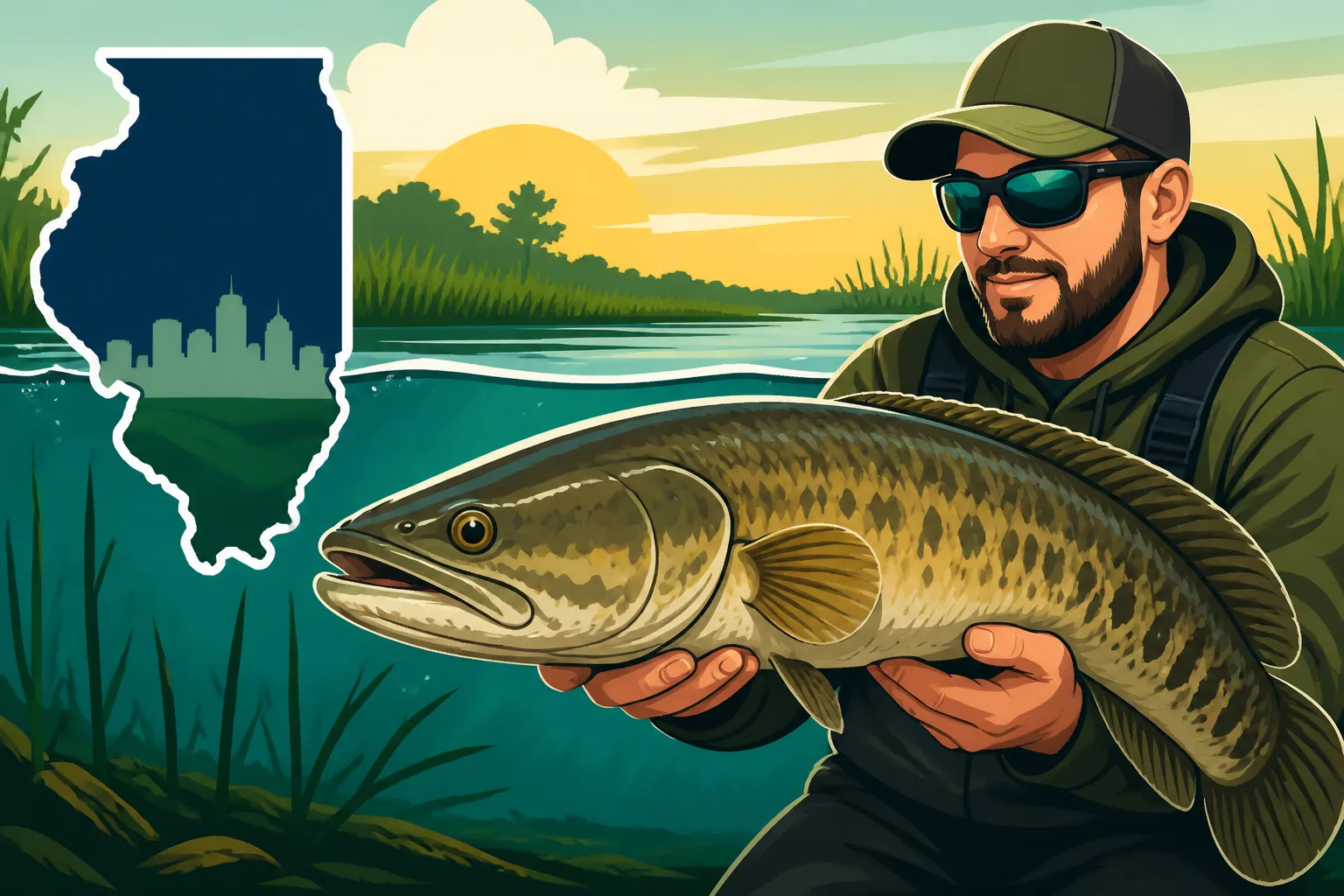
When you pull a bowfin from the water, the first thing that often strikes you is its prehistoric appearance. With a long, tubular body, a powerful tail, and a distinctly flattened head, they truly look like a relic from another era. One of the most defining characteristics is their incredibly long dorsal fin that runs almost the entire length of their back, often undulating like a wavy flag as they swim. They also possess a distinctive gular plate, a bony plate found on the underside of their lower jaw, which is unique among North American freshwater fish. This feature immediately distinguishes them from species like pike or muskie.
Another key identifier, especially for males, is the prominent black spot, often rimmed with an orange or yellow halo, at the base of their caudal (tail) fin. While gar also have a long, slender body, their bony, tooth-filled snout is quite different from the bowfin's more rounded mouth. If you're trying to figure out "how to identify a spotted gar," for instance, comparing that snout to the bowfin's mouth is a dead giveaway. Bowfin are also covered in smooth, cycloid scales, unlike the hard, ganoid scales of gar. They are truly one-of-a-kind, often called "living fossils" because their lineage dates back millions of years, with very little change to their physical form.
The Bowfin's Fierce Reputation and Why It's Undeserved
For far too long, bowfin have been saddled with an unfair reputation. Some old-timers might call them a "dogfish" or suggest they're detrimental to game fish populations. I’ve heard plenty of stories of anglers catching one, only to immediately dispatch it, believing they were doing the lake a favor. This couldn't be further from the truth. Bowfin are a native predator, an integral part of our aquatic ecosystems in Illinois. They primarily prey on small fish, crustaceans, and insects, helping to keep populations balanced, much like a bass or pike would.
The "fierce" part of their reputation, however, isn't entirely unfounded when it comes to their fighting ability. These fish are absolute tanks! Once hooked, they fight with incredible power, making strong runs, violent headshakes, and often acrobatic jumps. They possess incredibly strong jaws and sharp teeth, so you need to be careful when unhooking them. Anglers who do target them quickly learn to respect their strength and the challenge they present. Forget about finesse; bowfin fishing is about brute force and holding on for dear life! It's an experience that leaves your arms sore and a smile on your face, often turning skeptics into devoted fans of this underrated catch.
Where to Find Bowfin in Illinois Waters
So, you're convinced and ready to tangle with one of these freshwater powerhouses? Great! The first step is knowing where to look. Bowfin aren't found in every crystal-clear lake or swift river current. They have very specific tastes when it comes to their living arrangements.
Preferred Habitats: Shallow, Vegetated Backwaters
Bowfin are true connoisseurs of thick cover and sluggish waters. Think of those hard-to-reach spots that most anglers speed past: shallow, heavily vegetated backwaters, oxbow lakes, stagnant sloughs, and marshy areas with plenty of submerged weeds, lily pads, or fallen timber. They love dense aquatic vegetation because it provides ambush points for their prey and protection for themselves. These areas often have muddy bottoms and lower oxygen levels than open water, but the bowfin's unique ability to gulp air at the surface (thanks to its modified swim bladder that acts like a primitive lung) allows it to thrive where other fish might struggle. You'll often see them "gulping" air, creating a small disturbance on the surface, which is a tell-tale sign of their presence.
Look for areas where the main river channel gives way to calmer, shallower pools. Ditches that connect to larger bodies of water, flooded timber, or even farm ponds with abundant weeds can hold impressive numbers of bowfin. They are incredibly resilient and can survive in conditions that would send other game fish packing. Don't be afraid to explore those overgrown, seemingly unproductive areas – that's often where the bowfin are hiding, waiting for a meal to swim by.
Key Illinois Regions for Bowfin Encounters
While bowfin can be found throughout Illinois, certain regions and river systems are particularly productive. The vast backwater complexes of the Mississippi River Fishing in Illinois: Which Species Live Where are prime bowfin territory. From the northern reaches down to the southern tip of the state, the sloughs, bays, and oxbows connected to the Mississippi offer endless opportunities. The Illinois River system, especially its slower-moving backwaters and tributaries, also holds a healthy population.
In Southern Illinois, you might find them in the shallower, marshier sections of lakes like Carlyle or Rend Lake, although they're usually tucked away in the thickest cover, not out in the open water. Other smaller river systems that feed into the larger ones, particularly those with a lot of natural floodplains and wetland areas, are also worth exploring. These are often the same places where you might find "where to catch bowfin and spotted gar together in river backwaters," as these species share similar habitat preferences for dense cover and slower currents. Pay attention to satellite maps or old topographic maps that show flooded timber or old creek channels that are now isolated backwater ponds – these are gold mines for bowfin.
Tackle and Techniques for Targeting Illinois Bowfin
Now for the fun part: how do you actually catch these powerful fish? Because of their aggressive nature and incredible fighting ability, you can't go after them with ultralight panfish gear. You need to be prepared for a serious battle.
Recommended Gear for a Hard Fight
When targeting bowfin, think strong, durable, and reliable. A medium-heavy to heavy action spinning or baitcasting rod, about 6.5 to 7.5 feet long, is ideal. You'll want a rod with plenty of backbone to muscle these fish out of heavy cover, but also enough tip flexibility to cast accurately. Pair that with a robust reel loaded with strong line. Braided line, in the 30-50 pound test range, is highly recommended due to its incredible strength, abrasion resistance (crucial around heavy cover), and lack of stretch, which helps with solid hooksets through their bony mouths. You can often find great deals on these robust setups and high-quality braid on platforms like Amazon, making it easy to get what you need delivered right to your door.
For terminal tackle, use strong, sharp hooks. Wide gap hooks are excellent for soft plastics and live bait, and sturdy treble hooks on lures are a must. A heavy-duty leader, such as fluorocarbon or even a light wire leader, can prevent bite-offs, as their sharp teeth can easily fray lighter lines. Don't forget a good pair of long-nosed pliers or a fish gripper for safe unhooking, which we'll discuss more later. You don't want to get your fingers too close to those jaws! Having the right Best Rods and Reels for Illinois Anglers is crucial, but for bowfin, "best" means robust and ready for a war.
Effective Baits and Lures for Bowfin
Bowfin are opportunistic predators and aren't overly picky, which is great news for anglers. Their aggressive nature means they'll often strike at anything that looks like an easy meal.
- Live Bait: This is often the most effective. Large minnows, shiners, or even small bluegill or worms presented under a bobber or on a bottom rig are irresistible to a hungry bowfin. They'll inhale live bait with gusto.
- Cut Bait: Fresh cut bait, especially oily fish like shad or carp, can also be very effective, particularly if you're targeting them on the bottom in slightly deeper backwater areas.
- Artificial Lures: If you prefer casting lures, go with something that creates a lot of commotion. Spinnerbaits with large blades, buzzbaits gurgling across the surface, and chatterbaits are all excellent choices. For subsurface action, consider soft plastics rigged weedless, especially those with vibrating tails or claws, fished slowly through the weeds. Larger jigs tipped with plastic trailers can also entice a strike. Many anglers have success finding durable, weedless lure options for these conditions on Amazon.
- Topwater: Don't underestimate the thrill of a topwater strike! During warmer months, a frog, rat, or popping plug worked over lily pads can draw explosive strikes from bowfin.
Presenting Your Lure: Patience and Persistence
Fishing for bowfin often requires a different mindset than, say, bass fishing. While bass might hit a lure quickly, bowfin can sometimes be a bit more deliberate. When fishing artificials, make sure you're working them slowly enough through the cover. Remember, they are ambush predators, often lurking motionless in the weeds, waiting. A slow, steady retrieve with occasional pauses can be very effective.
When using live or cut bait, allow the fish to take the bait fully before setting the hook. Bowfin have bony mouths, so a powerful hookset is essential to bury that hook properly. Once you feel that distinct thump or watch your bobber disappear, give it a moment, then lean into it with authority. Be ready for that initial powerful run; they'll often try to dive back into the heaviest cover, so keep your rod tip up and your drag set appropriately. You'll want to review Illinois Fishing Season and Catch Limit Rules if you plan to keep any fish, though most bowfin anglers practice catch and release for these incredible fighters.
Handling and Conservation: Respecting This Unique Fish
Bringing a bowfin to the boat or bank is an exciting moment, but it's crucial to handle them safely and respectfully, especially if you plan to release them.
Safe Handling Practices for Bowfin
These fish have incredibly powerful jaws and a mouth full of sharp teeth, similar to a muskie or pike. Never stick your fingers into a bowfin's mouth. When you land one, immediately reach for your long-nosed pliers. If you have a lip gripper, that can also be a valuable tool to control the head safely. If you don't have a gripper, carefully grab the fish behind the head, being mindful of the gill plates, which can also be sharp.
Try to keep the fish in the water as much as possible, especially during warmer weather, to minimize stress. If you need to bring it aboard for a quick photo, do so gently, supporting its body horizontally. Unhook the fish quickly and efficiently, then release it gently back into the water, allowing it to swim off on its own power. These are tough fish, but proper handling increases their survival rate.
Bowfin's Role in the Ecosystem and Conservation
Bowfin are often unfairly categorized, but they are a native and valuable component of Illinois's aquatic ecosystems. They are not an invasive species and play an important role as a predator, helping to maintain balance in the food chain. Their ability to thrive in challenging conditions also speaks to their resilience and adaptability.
For these reasons, most dedicated bowfin anglers practice catch and release. While they are technically edible, their meat can be tough and has a strong flavor, often described as "muddy" if not prepared correctly. Their true value lies in the sporting challenge they offer. By releasing them, we ensure that these incredible "living fossils" continue to thrive and provide exciting battles for future generations of anglers. There are no specific "catch-and-release only periods on some waters" specifically for bowfin, but it's a practice widely encouraged for this species. Let's make sure these underrated fighters get the recognition and respect they deserve.
Here's a quick comparison of bowfin with some other freshwater fish they are sometimes confused with:
| Feature | Bowfin (Amia calva) | Spotted Gar (Lepisosteus oculatus) | Northern Pike (Esox lucius) |
|---|---|---|---|
| Dorsal Fin | Very long, continuous, spans most of back | Short, set far back, near tail | Short, set far back, near tail |
| Snout/Head | Rounded, blunt head; bony gular plate underneath | Long, slender, duck-bill shaped snout with many teeth | Duck-bill shaped, flattened snout; fewer, larger teeth |
| Tail Spot | Prominent black spot, often with orange/yellow halo (especially males) | Variable spots on body, but no distinct tail spot | No distinct tail spot |
| Scales | Smooth, cycloid scales | Hard, diamond-shaped, ganoid scales (armor-like) | Cycloid scales |
| Air Breathing | Yes, gulps air at surface | Yes, gulps air at surface (primitive lung) | No |
| Body Shape | Cylindrical, powerful | Long, slender, almost eel-like | Elongated, torpedo-shaped |
| Native to IL | Yes | Yes | Yes |
Disclaimer
This article is for general informational purposes only and does not constitute professional advice. Laws, prices and regulations vary by location and change over time. Consult a qualified professional for guidance on your specific situation.