Illinois Fishing License Rules for Kids and Seniors
It can be incredibly confusing trying to navigate the myriad of fishing license requirements in Illinois, especially when you're planning a trip with younger family members or if you're an experienced angler who's reached those golden years. Many folks get frustrated trying to figure out who needs what, when, and where, leading to anxieties about being legal on the water. This comprehensive guide is here to untangle all those rules, specifically focusing on Illinois fishing license rules for kids and seniors, ensuring you spend less time worrying and more time enjoying the water.
Understanding Illinois Fishing Licenses
Before we dive into the specifics for our younger and more experienced anglers, it’s helpful to get a foundational understanding of how Illinois approaches fishing licenses in general. It’s not just a piece of paper; it’s part of a larger system that supports the very ecosystems we love to fish. Knowing the basics will make the specific exemptions and discounts much clearer.
General Requirements and Exemptions
In Illinois, the general rule of thumb is that if you're 16 years old or older, and you intend to harvest aquatic life, you need a valid fishing license. This isn't just for catching a trophy bass; it applies to pulling a stringer of bluegill for a fish fry or even trying your hand at catching some tasty catfish. The Illinois Department of Natural Resources (IDNR) uses these licenses to fund critical conservation efforts, fish stocking programs, and habitat restoration, which ultimately benefits everyone who enjoys the outdoors.
However, like most rules, there are some important exceptions. For instance, if you're a legal resident of Illinois and you’re fishing on waters that are entirely on land where you reside, you might be exempt. This usually applies to private ponds on your own property, not public lakes or rivers that happen to border your land. It's vital to remember that these exemptions are very specific, and when in doubt, it’s always safest to assume you need a license. It’s better to be over-prepared than to face an unexpected interaction with a conservation officer who finds you fishing without the proper credentials.
Beyond age and residency, there are also special situations. For example, individuals who are legally blind or profoundly disabled, and certain veterans with specific disability ratings, may also qualify for exemptions or special licenses. These are designed to ensure that everyone, regardless of physical challenges, can enjoy the therapeutic benefits of fishing. Always check the official IDNR guidelines or contact them directly if you believe you might qualify for one of these less common exemptions, as documentation is almost always required.
The Illinois License Year Explained
One common point of confusion for both new and seasoned anglers is understanding when the Illinois fishing license year actually begins and ends. Unlike a calendar year, the Illinois license year operates on a different cycle, and knowing this is crucial for planning your purchases and renewals. You don't want to show up at your favorite fishing spot in March only to realize your license from last year expired!
The Illinois fishing license year officially kicks off on March 1st and runs through the end of February of the following year. So, for example, a license purchased on March 1, 2026, will be valid until February 28, 2027. This consistent cycle means that regardless of when you buy your license during that 12-month period, it will still expire on the same date. This is particularly important for those who might only fish a few times a year. If you buy a full annual license in, say, November, you're only getting a few months of use out of it before it expires on February 28th. For more details on this, you can check out information on How the Illinois License Year Works.
This staggered year is designed to align with the typical fishing seasons, particularly as the weather begins to warm up and fish become more active in early spring. It’s also important because it means renewals often happen when anglers are just starting to think about getting back out on the water after the winter chill. Many experienced anglers make it a habit to renew their license right at the start of March to avoid any last-minute scramble or accidental oversight. Setting a reminder on your phone or marking your calendar is a great way to ensure you're always covered when the urge to fish strikes.
Fishing License Rules for Children in Illinois
Taking kids fishing is one of life’s great joys, a chance to pass down traditions, teach patience, and create lasting memories. But even with all the excitement, it’s easy to get caught up in the details of whether the little ones need a license. Illinois has specific, very sensible rules for children that are designed to encourage youth participation without adding unnecessary barriers.
Age-Specific Requirements for Young Anglers
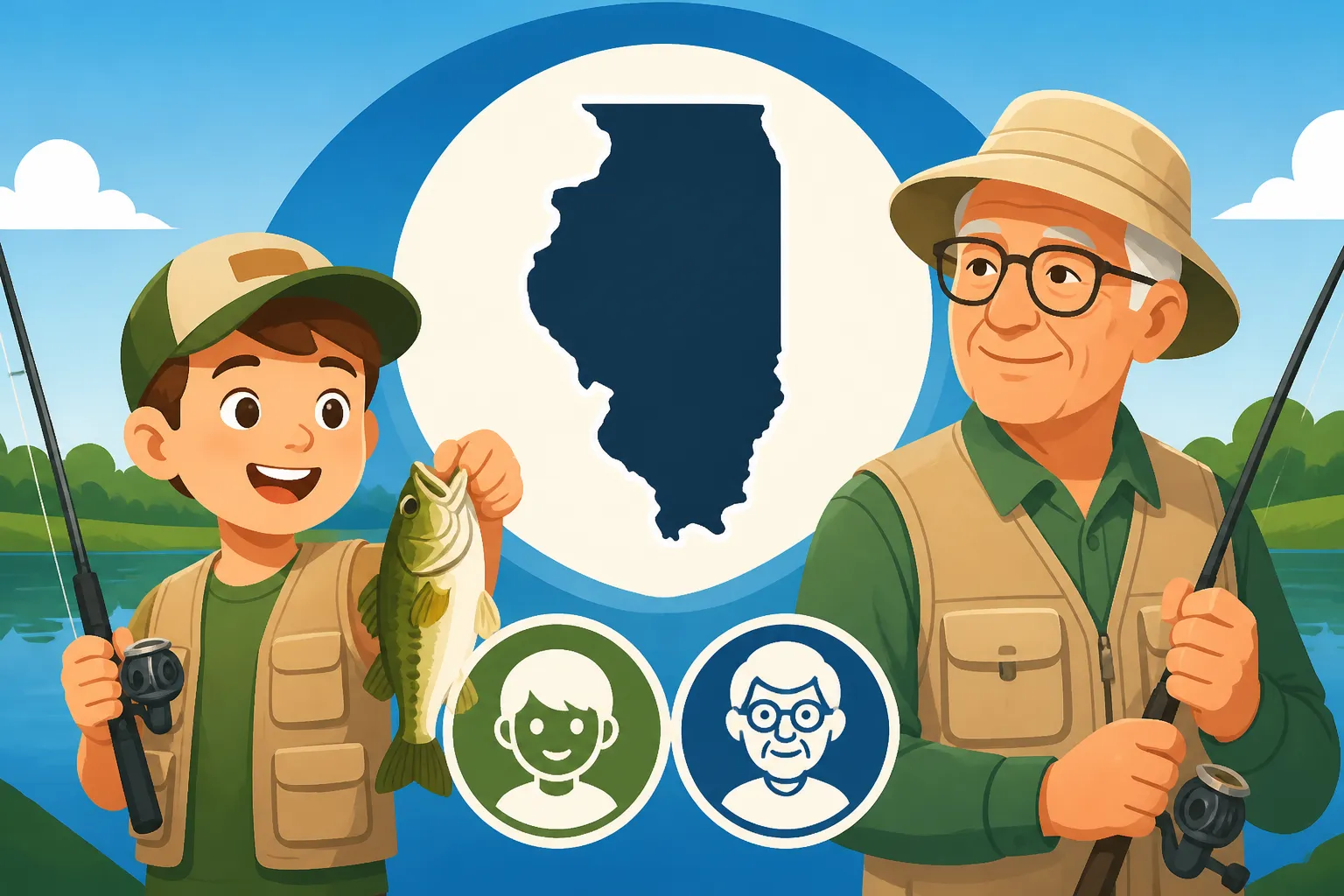
In Illinois, the rules for children are quite straightforward: generally, kids under the age of 16 do not need a fishing license. This is fantastic news for families, as it removes a significant hurdle and cost, making it much easier to introduce youngsters to the sport. So, if you're planning a weekend outing to a local lake or a small stream with your 10-year-old, you won't need to worry about purchasing a separate license for them. They can fish freely under the watchful eye of a licensed adult or simply enjoy the experience of casting a line.
This age cutoff means that a child who is 15 years old can fish without a license, but on their 16th birthday, the requirement kicks in. It's a clear line in the sand, and it's something parents or guardians should be aware of as their children approach that milestone. It might even be a fun rite of passage to help them purchase their first official fishing license when they turn 16. For a deeper dive into these specifics, consider reading our guide on Illinois Fishing License Rules for Children.
It's also worth noting that while they don't need a license, they are still expected to abide by all other Illinois fishing regulations, such as size limits, catch limits, and specific rules for certain bodies of water. The license exemption doesn't mean a free pass on the rules that protect our fish populations. Teaching kids about these regulations early on is an invaluable part of responsible angling and helps them understand the importance of conservation.
Encouraging Youth Participation through Exemptions
The decision to exempt anglers under 16 from needing a license is a deliberate effort by the IDNR to encourage youth participation in fishing. It recognizes that introducing children to outdoor activities is crucial for their development and for fostering a lifelong appreciation for nature. By removing the financial barrier of a license, more families are likely to take their kids out, creating positive experiences that can counteract the pull of indoor activities.
This exemption is particularly beneficial for impromptu fishing trips or for families who are just trying fishing for the first time. Imagine you’re at a state park, and there’s a small pond. If your child expresses an interest in trying to catch a fish, you don't have to scramble to buy a license on the spot. You can simply hand them a rod, bait a hook, and let them experience the thrill of a tug on the line. This ease of access can spark a passion that might otherwise never ignite.
Beyond just the license exemption, many communities and organizations in Illinois host special youth fishing events, often aligning with the statewide free fishing days. These events often provide loaner rods, bait, and experienced volunteers to help teach kids the ropes. It’s a wonderful way to take advantage of these encouraging rules and get kids hooked on fishing, quite literally! These programs often emphasize safety, ethical angling, and environmental stewardship, building a strong foundation for future generations of anglers.
Planning a Family Fishing Trip
Planning a successful family fishing trip in Illinois involves more than just packing snacks and sunscreen. With varying license requirements for different age groups, a little foresight can prevent headaches down the line. First, always make sure that any adults (16 and over) accompanying the children have their valid Illinois fishing licenses. If you're a non-resident visiting, you'll need the appropriate Illinois Nonresident Fishing License Guide. This ensures that even if the kids don't need a license, someone in the group is legally compliant for supervising the activity and for any fish caught that fall under the adult's possession limits.
Consider the location. Many state parks and conservation areas in Illinois are incredibly family-friendly, offering easy bank access, picnic areas, and sometimes even specific fishing piers designed for accessibility. Spots like Rend Lake or Carlyle Lake are popular, but even smaller local ponds can be perfect for a quick outing with kids. Before you go, a quick check of the site-specific rules for that particular body of water is always a good idea, as some locations might have special regulations for youth fishing tournaments or unique catch-and-release rules.
Finally, think about the gear. For kids, simple cane poles or spin-casting combos with bobbers and worms are usually the most effective and easiest to manage. You don't need fancy equipment; the goal is to make it fun and accessible. You can often find beginner-friendly fishing kits on platforms like Amazon that include everything a child needs to get started, from a basic rod and reel to a small tackle box with hooks and bobbers. Remember, the focus should be on the experience of being outdoors and learning, not necessarily on catching the biggest fish.
Illinois Fishing License Rules for Seniors
Our senior anglers have dedicated years, sometimes decades, to enjoying Illinois's waters, and the state recognizes their contributions and continued passion for fishing. Illinois provides thoughtful discounts and special considerations for its senior residents, making it more affordable and accessible for them to continue pursuing their favorite pastime.
Eligibility for Senior Resident Discounts 65-74
For Illinois residents aged 65 to 74, there's a fantastic discount available on their annual fishing license. This isn't just a small token; it significantly reduces the cost of the standard annual license, making it much more affordable to stay licensed year after year. To qualify, you simply need to be a legal resident of Illinois and be within that 65-74 age bracket. The discounted senior license still functions exactly like a regular annual license, allowing you to fish across the state's public waters for an entire license year.
The discounted price for residents aged 65-74 is a real benefit, recognizing that many seniors live on fixed incomes. It means they can continue to enjoy the mental and physical health benefits of fishing without it becoming a financial burden. This senior license discount applies to the standard annual fishing license, but it's important to remember that it generally doesn't cover additional stamps like the Inland Trout Stamp or Lake Michigan Salmon Stamp, which would still need to be purchased separately if you plan on targeting those specific species. Information on Illinois Senior Fishing License Discounts for Ages 65 to 74 provides more specific details.
When purchasing this license, whether online or in person, you will typically need to verify your age and residency. This usually involves presenting a valid Illinois driver's license or state ID. The process is designed to be straightforward, ensuring that qualifying seniors can easily obtain their discounted license and get back to what they love doing most – fishing.
The Super Senior License for Anglers 75 and Up
Illinois goes a step further for its most experienced anglers, offering a truly remarkable "Super Senior" license for residents aged 75 and above. This license is either free or comes at an incredibly nominal fee, making fishing virtually free for these cherished members of the angling community. It's a wonderful gesture that honors their longevity and dedication to the sport.
This "Super Senior" category is a recognition of a lifetime of angling and often a way to give back to those who have contributed to the state's fishing heritage. Imagine being able to fish year-round in Illinois without the recurring annual cost of a license – it’s a tremendous perk! Just like with the 65-74 age group, all other fishing regulations still apply, including catch and size limits, as well as the need for any additional stamps. Our detailed guide on the Illinois Super Senior Fishing License for Ages 75 and Up can give you all the specifics on how to apply and what to expect.
Even though the cost is minimal or free, you still need to "purchase" or acquire this license annually. It's not a one-and-done deal for life, as the state needs to track who is fishing for statistical and management purposes. The process is usually quick and painless, ensuring minimal hassle for these valued anglers. It's always a good idea to keep your IDNR customer number handy, as it streamlines the renewal process considerably.
Required Documentation for Senior Licenses
Whether you're applying for the standard senior discount (ages 65-74) or the Super Senior license (ages 75 and up), you'll need to provide documentation to prove your eligibility. The most common and widely accepted forms of identification are a valid Illinois driver's license or an Illinois State ID card. These documents readily display your age and confirm your residency, which are the two primary criteria for these specialized licenses.
It's important that the address on your ID matches your current Illinois residency. If you've recently moved or your ID is outdated, it's best to update it before attempting to purchase your senior fishing license to avoid any potential delays or complications. While purchasing online, you'll typically enter your ID number, and the system will verify your information with state records. If you choose to purchase in person at a licensed vendor, you'll need to physically present your ID.
In some rare cases, if you don't have a current Illinois driver's license or state ID, other forms of proof of age and residency might be accepted, but it's always best to check with the IDNR directly to confirm. This could include birth certificates in combination with other residency proofs, but this is less common and often requires a manual review. To make things as smooth as possible, having your current, valid Illinois ID ready is the easiest path to securing your senior fishing license and getting out on the water.
Why These Rules Matter: Beyond Just Legalities
Sometimes, fishing license rules can feel like just another bureaucratic hurdle. But understanding why these regulations are in place can shift your perspective from a chore to a contribution. For kids and seniors, these rules, or the exemptions and discounts within them, are critical for fostering enjoyment and supporting the very environment they appreciate.
Conservation and Funding for Fisheries
Every time someone purchases an Illinois fishing license, whether it's a full-price annual license, a short-term option, or a discounted senior license, a portion of that revenue goes directly into funding Illinois's conservation programs. This isn't just theory; it's how the IDNR maintains healthy fish populations, manages aquatic habitats, and ensures sustainable fishing for future generations. These funds support crucial activities like fish stocking, habitat restoration projects in rivers and lakes, water quality monitoring, and scientific research into fish populations.
Think about the efforts to stock various species in Illinois waters, from walleye in the Mississippi River to trout in specific inland lakes. These programs rely heavily on license sales. Without this steady stream of income, the ability to maintain and enhance fishing opportunities would diminish significantly. So, when you buy a license for yourself or assist a senior in getting theirs, you're not just buying a right to fish; you're actively investing in the future of fishing in Illinois. This is a testament to the idea that anglers are often the best conservationists, directly contributing to the health of the resources they use.
Beyond direct financial contributions, the data collected from license sales (like residency, age, and license type) helps the IDNR understand angler demographics and participation rates. This information is vital for making informed decisions about where to focus conservation efforts, how to manage specific species, and what educational programs are most needed. It’s a holistic approach where every license holder, even those with exemptions, plays a part in the larger conservation picture.
Avoiding Penalties and Fines
While the purpose of licenses is largely conservation, the state also enforces these rules, and fishing without a valid license (if one is required for your age/circumstance) can lead to penalties and fines. Nobody wants their peaceful day on the water interrupted by a conservation officer issuing a citation. The consequences for fishing without a license in Illinois can range from a monetary fine to, in more severe or repeated cases, confiscation of fishing gear or even court appearances. These penalties are in place to deter non-compliance and protect the state's natural resources.
It's important to remember that ignorance of the law is generally not considered a valid excuse. This is why understanding the rules, especially for children approaching 16 or seniors who might be unsure of their specific eligibility, is so important. A simple mistake could turn a relaxing day into a costly one. This also applies to having the correct stamps for specific species like trout or salmon; without them, you could face additional fines even if you have a general fishing license. You can find more details on Penalties for Fishing Without a License in Illinois.
The best way to avoid these unpleasant situations is simply to be prepared. Before heading out, double-check that everyone who needs a license has one, and that it's easily accessible (either physically or digitally on a smartphone). A quick review of the current year's fishing guide, available from the IDNR or online, can also ensure you're up-to-date on all regulations, preventing accidental violations of size or catch limits. Being responsible means being informed.
Reciprocity Agreements for Border Waters
Illinois shares borders with several states, and some of these borders are defined by major rivers like the Mississippi, Wabash, and Ohio. This creates unique situations where anglers might be fishing in waters that literally span two states. To simplify things and avoid requiring two licenses for one body of water, Illinois has established reciprocity agreements with some neighboring states.
These agreements mean that if you hold a valid fishing license from a neighboring state with which Illinois has a reciprocity agreement, you might be able to fish in the shared border waters without needing an Illinois license, as long as you stay within the agreed-upon boundaries. For example, if you're fishing the Mississippi River, an Iowa or Missouri license might be valid on the Illinois side of the main channel, and vice-versa. However, these agreements are often very specific. They typically only apply to the main channel of the river and might not extend into backwaters, tributaries, or oxbow lakes that are clearly within one state's jurisdiction.
It's absolutely crucial to understand the precise details of these agreements before relying on them. A Kentucky license might cover the Ohio River, or an Indiana license the Wabash, but the exact zones and conditions can vary. Always consult the most current fishing regulations guide from both states involved or specifically look up resources like Illinois Fishing License Reciprocity With Iowa or Illinois Fishing License Reciprocity With Missouri. Misunderstanding these agreements could lead to fishing without a valid license, even with good intentions, resulting in the same penalties mentioned earlier. When in doubt, it’s always safest to purchase a license for the state whose waters you plan to fish, especially if you venture away from the main channel.
How to Acquire an Illinois Fishing License
Getting your Illinois fishing license, whether for yourself, a child turning 16, or a qualifying senior, is a straightforward process thanks to several convenient options. The IDNR has made it relatively easy to ensure you're legal before you hit the water, accommodating different preferences for purchasing.
Online Purchase Process
For many, the easiest and most convenient way to obtain an Illinois fishing license is through the IDNR's online licensing system. This digital portal is available 24/7, meaning you can purchase your license from the comfort of your home at any time, day or night. The process is typically user-friendly: you'll navigate to the IDNR's website, select the type of license you need (annual, 24-hour, senior, etc.), fill in your personal details (name, address, date of birth, driver's license/state ID number), and complete the payment using a credit or debit card.
One of the biggest advantages of purchasing online is the immediate access to your license. Once your transaction is complete, you can usually print a temporary copy of your license right away. More importantly, your license information is immediately entered into the IDNR's database, meaning conservation officers can verify your license digitally in the field using your ID. You'll also often receive a digital copy via email, which you can store on your smartphone. This eliminates the worry of misplacing a physical card, and it’s a modern convenience that many anglers appreciate. For a step-by-step guide, you can refer to How to Buy an Illinois Fishing License Online.
Before you finalize your online purchase, double-check all the information you've entered, especially your date of birth and residency, to ensure you qualify for any specific discounts like the senior licenses. While the system is designed to catch most errors, ensuring accuracy on your part prevents any future headaches. It’s also a good idea to create an account with the IDNR if you don't already have one, as this makes future renewals and managing your license history much simpler.
In-Person Options: Bait Shops and Retailers
If you prefer a more traditional approach or need to ask specific questions, Illinois also offers numerous in-person locations where you can purchase your fishing license. These authorized vendors are typically local bait and tackle shops, sporting goods stores, and even some large retail chains. These outlets are often staffed by knowledgeable individuals who can help you choose the right license, answer basic questions about local regulations, and sometimes even offer advice on where the fish are biting!
Purchasing in person allows you to receive a physical copy of your license immediately. This can be reassuring for those who prefer a tangible card in their wallet. When visiting one of these locations, be sure to bring a valid form of identification, such as your Illinois driver's license or state ID, especially if you're applying for a senior discount. The vendor will need this information to process your license correctly and verify your eligibility.
Local bait shops, in particular, offer a great community resource. Not only can you get your license, but you can also pick up bait, tackle, and get firsthand reports on local fishing conditions. Stores like those found on Amazon might offer a wide range of fishing gear to complement your trip, but for local expertise and an in-person license, a neighborhood tackle shop is often your best bet. Always call ahead to confirm store hours and that they are indeed an authorized license vendor.
Digital vs. Physical License Proof
In today's digital age, carrying physical copies of everything can feel a bit old-fashioned, and thankfully, the IDNR recognizes this. While you'll always have the option to print a physical copy of your license or receive one from an in-person vendor, Illinois regulations generally permit you to carry digital proof of your fishing license on your smartphone or other electronic device.
This means if a conservation officer checks your license, you can simply pull up the digital copy on your phone. This is incredibly convenient, as most people carry their phones everywhere, reducing the chance of forgetting or losing your license. However, there are a few considerations: always ensure your phone is charged, and that you can access the digital file even without cell service, as many prime fishing spots are in remote areas with limited connectivity. Saving a screenshot or downloading the PDF to your device is often the best practice.
Ultimately, the choice between digital and physical proof is yours. Some anglers prefer the peace of mind of having a laminated card, while others embrace the convenience of a digital version. Regardless of your preference, the key is to ensure that whatever form your license takes, it is valid, accessible, and easily presented upon request. This flexible approach aims to make compliance as easy as possible for all anglers.
Important Considerations and Additional Stamps
Beyond the general fishing license, Illinois has specific requirements for certain types of fishing, species, or combined activities. These "additional stamps" or combined license options are crucial to understand, especially if you plan to target specific fish or enjoy multiple outdoor pursuits.
Inland Trout and Lake Michigan Salmon Stamps
If you dream of catching vibrant rainbow or brown trout in Illinois's regularly stocked inland lakes and streams, or battling a powerful Chinook or Coho salmon in the vast expanse of Lake Michigan, your general fishing license isn't enough. You'll need to purchase additional stamps specific to these fisheries.
The Inland Trout Stamp is required for anyone wishing to take trout from waters that are specifically stocked with trout by the IDNR. These waters are often identified with special regulations and stocking schedules. This stamp helps fund the expensive stocking programs that bring these popular game fish to various locations across the state. Without this stamp, even if you have a valid fishing license, possessing an inland trout could lead to a fine. You'll find specific details on Illinois Inland Trout Stamp Requirements.
Similarly, if your angling adventures take you to Lake Michigan with the goal of catching salmon or trout (which are also present in the lake), you'll need the Lake Michigan Salmon Stamp. This separate stamp contributes to the management and stocking programs vital for maintaining this world-class fishery. Anglers often come from far and wide to experience the thrill of Lake Michigan salmon fishing, and this stamp ensures that those opportunities remain robust. For more on this, check out Lake Michigan Salmon Stamp Requirements for Anglers. These stamps are typically available at the same places you purchase your general fishing license – online, at bait shops, or sporting goods stores. Always assess your fishing plans before heading out to ensure you have all the necessary credentials.
Combined Hunting and Fishing License Options
For the avid outdoors enthusiast who enjoys both casting a line and pursuing game, Illinois offers convenient combined hunting and fishing license options. Instead of purchasing two separate annual licenses, you can often buy a single license that covers both activities. This can sometimes be more cost-effective and is certainly more convenient for record-keeping.
These combined licenses are a great way to streamline your outdoor pursuits. For example, if you love to duck hunt in the fall and then spend your spring fishing for bass, a combined license means one less piece of paper to worry about. The eligibility requirements for combined licenses are the same as for individual licenses; you'll need to meet the residency and age requirements for both hunting and fishing privileges. This means a child turning 16 would need to meet the requirements for both, and a senior would qualify for their respective discounts if applicable to the combined license.
It's important to note that while the combined license covers the general hunting and fishing privileges, it generally does not include the additional stamps or permits required for specific species or hunting seasons (like deer permits, turkey permits, or the aforementioned trout/salmon stamps). You would still need to purchase those specific stamps or permits separately. Our article on Combined Fishing and Hunting License Options in Illinois offers a comprehensive overview of how these licenses work and what they cover, helping you make an informed decision for your multi-sport outdoor adventures.
Free Fishing Days: A Special Opportunity
Every year, Illinois offers a special opportunity for everyone, residents and non-residents alike, to experience fishing without the need for a license. These are designated "Free Fishing Days" or "License-Free Weekends," and they are truly a gift to the angling community, especially for families and those looking to try fishing for the very first time.
These days are specifically designed to introduce people to the joys of fishing without the initial barrier of purchasing a license. It's a fantastic chance to take kids out, or for seniors who might be hesitant to get back into the sport, to simply cast a line and reconnect with nature. During these periods, all Illinois fishing license requirements are temporarily waived for public waters. This includes lakes, rivers, and streams across the state. However, all other fishing regulations, such as daily catch limits, size restrictions, and species-specific rules, still apply. It's an important distinction to remember. You can learn more about these special opportunities by reading Illinois Free Fishing Days and License-Free Weekends.
Typically, these free fishing days are held in June, often coinciding with Father's Day weekend, making it a perfect family activity. The exact dates are announced by the IDNR each year, so it's a good idea to check their official website as spring approaches. Mark these dates on your calendar! It's a prime opportunity to grab some basic gear (maybe a simple starter kit from Amazon if you don't have one), pack a picnic, and head to your nearest lake or river to enjoy some stress-free fishing. It's a wonderful way to create new memories and potentially spark a lifelong love for angling without any financial commitment upfront.
Practical Tips for Anglers of All Ages
Whether you're a seasoned pro or just starting out, a little preparation and knowledge can significantly enhance your fishing experience. These practical tips are designed to help anglers of all ages, from the youngest to the most senior, make the most of their time on Illinois's beautiful waters.
Resources for Learning and Staying Updated
The world of fishing, with its ever-evolving regulations, techniques, and environmental factors, means there's always something new to learn. Staying updated is key to both compliance and success. The primary and most authoritative source for all Illinois fishing information is the Illinois Department of Natural Resources (IDNR) website. They publish an annual fishing information guide, which is a comprehensive resource detailing all regulations, catch limits, license requirements, and sometimes even hot spots. This guide is usually available online as a PDF and in physical copies at license vendors.
Beyond the official guide, there's a wealth of knowledge available through local fishing clubs, online forums, and social media groups dedicated to Illinois fishing. These communities are often brimming with experienced anglers willing to share tips on specific lakes, current biting patterns, and effective techniques. Joining a local club can also be a fantastic way for seniors to stay connected to the angling community and for kids to learn from mentors. Don't be afraid to ask questions; most anglers love to talk about their passion.
Finally, consider investing in a good fishing app or a regional fishing map. Apps can provide real-time weather, water temperatures, and even moon phase data, all of which can influence fish activity. Regional maps, especially waterproof ones, can highlight access points, boat ramps, and common fish habitats. While a digital map from Amazon might get you there, a physical map can be a lifesaver when cell service is spotty. Continual learning not only keeps you compliant but also makes you a more effective and adaptable angler.
Essential Gear for a Successful Outing
Having the right gear doesn't mean you need to break the bank, but it does mean being prepared for your specific fishing adventure. For kids and beginners, simplicity is key. A basic spinning rod and reel combo, some bobbers, hooks, and a container of worms or crickets are usually all it takes to get started. Focus on ease of use and safety. For seniors, comfort and accessibility are paramount. Lightweight rods, easy-to-handle reels, and a comfortable chair can make a world of difference.
No matter the age, a few items are universally essential:
- Life Jackets (PFDs): Especially crucial for kids and anyone on a boat. Illinois has specific Illinois Life Jacket and PFD Rules for children under 13. Safety first, always!
- Tackle Box: Even a small one to hold hooks, sinkers, extra line, and a few basic lures.
- Pliers/Forceps: Essential for removing hooks safely, especially from toothy fish.
- Sun Protection: Hat, sunglasses, and sunscreen are a must, even on cloudy days.
- Water/Snacks: Staying hydrated and energized is important for long hours on the water.
- First-Aid Kit: Small cuts and scrapes are common; be prepared.
- Cooler: For keeping any legal catch fresh, and for your drinks/snacks.
For more specialized fishing, like Lake Michigan salmon or big river catfish, your gear will naturally become more specific, involving heavier rods, specialized reels, and different baits or lures. You can find almost any piece of fishing equipment you could imagine, from beginner kits to advanced electronics, on online marketplaces like Amazon, often with reviews that can help guide your choices.
Planning Your Next Fishing Adventure
With your licenses sorted and your gear ready, it's time to plan where you'll cast your line next. Illinois boasts an incredible diversity of fishing opportunities, from the massive reservoirs like Rend Lake, Lake Shelbyville, and Carlyle Lake, to the mighty Mississippi River, numerous smaller lakes and ponds, and even the unique urban fishery of Lake Michigan near Chicago.
Consider what kind of experience you're looking for. For a quiet day with the grandkids, a smaller, stocked community pond might be perfect for catching bluegill or small bass. If you're an experienced senior angler looking for a challenge, perhaps targeting walleye on the Illinois River or chasing muskie in a dedicated muskie lake would be more your speed. Researching specific fishing spots, like checking out "Best Fishing Spots in Illinois" or "Top Illinois Lakes for Fishing," can help narrow down your options based on target species and accessibility.
Always check the local forecast before heading out, paying attention to temperature, wind, and potential storms. Let someone know your fishing plans, especially if you're going to a remote area. Most importantly, remember that fishing is about more than just the catch; it's about the peacefulness of nature, the thrill of the chase, and the memories created with family and friends. Embrace the entire experience, and you're guaranteed to have a great time on Illinois's waters.
| License Type | Age Group | Residency Required | Key Details |
|---|---|---|---|
| Youth Exemption | Under 16 | No | No license required for fishing. Must adhere to all other fishing regulations (catch limits, size limits, etc.). |
| Annual Resident Fishing | 16 – 64 | Yes | Standard annual license. Required for most resident anglers. |
| Senior Resident Discount | 65 – 74 | Yes | Significantly reduced annual license fee for Illinois residents. Must show proof of age and residency. |
| Super Senior License | 75 and Up | Yes | Free or nominal fee annual license for Illinois residents. Still requires annual acquisition and proof of age/residency. |
| Annual Non-Resident Fishing | 16 and Up | No | Required for non-Illinois residents. Higher cost than resident licenses. |
| 24-Hour Fishing License | 16 and Up | No | Short-term option for residents and non-residents. Valid for 24 hours from purchase time. |
| 3-Day Non-Resident Fishing | 16 and Up | No | Good for a long weekend trip for visitors. |
Disclaimer
The information provided in this guide is intended for general informational purposes only and may not reflect the most current regulations. Fishing rules and license requirements in Illinois can change. Always consult the official Illinois Department of Natural Resources (IDNR) website or their most recent fishing guide for the most accurate and up-to-date information before engaging in any fishing activities. Compliance with all state and local laws is the responsibility of the individual angler.