Illinois Sauger Fishing on the Mississippi River
For anglers in Illinois, the Mississippi River offers a truly incredible experience, but chasing sauger on its vast, dynamic waters can sometimes feel like trying to find a needle in a haystack. Many folks get frustrated because sauger are not always where the bass are, and they demand a different approach. This guide is here to demystify sauger fishing on the Mississippi, helping you understand their habits, pinpoint their favorite hangouts, and master the techniques that put these hard-fighting, delicious fish in your cooler.
Understanding Sauger on the Mighty Mississippi
The Mississippi River is a world unto itself, and its unique conditions — from powerful currents to varied bottom structures — heavily influence where and how sauger live. These fish are true river dwellers, and getting to know their preferences is the first step toward consistent success.
Identifying Sauger: What Makes Them Unique?
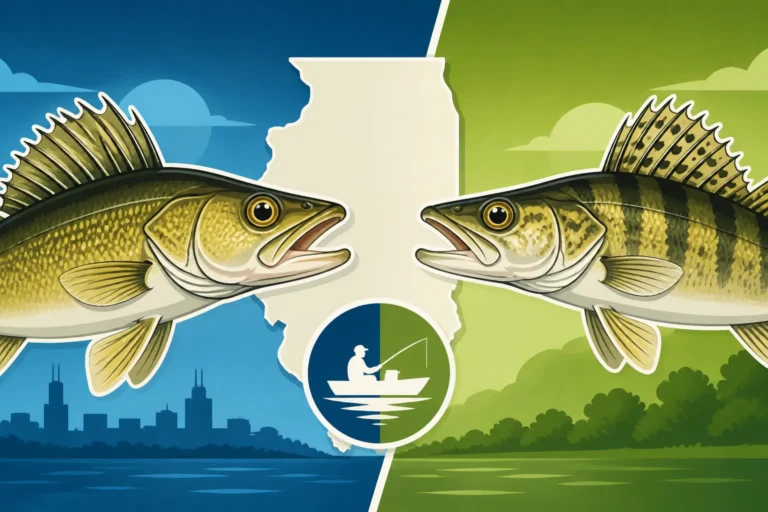
Before we dive deep, let's make sure we're all on the same page about what a sauger actually is! They often get confused with their larger cousins, the walleye, and sometimes even the hybrid saugeye. Sauger are typically smaller than walleye, rarely exceeding five pounds, but they make up for it with their scrappy fight and fantastic table fare. The easiest way to tell a sauger apart from a walleye is by looking at its dorsal fin. A sauger will have distinct black spots on its spiny dorsal fin, forming neat rows, and it completely lacks the prominent white tip on the lower lobe of its caudal (tail) fin that is characteristic of a walleye.
Another key identifier is their overall coloration and body shape. Sauger tend to be more slender and cylindrical, with a brassy or brownish-green color mottled with dark blotches or saddle patterns along their sides. This camouflage helps them blend into the turbid, often silty waters of the Mississippi. They also have rougher, more pronounced scales compared to the smoother feel of a walleye. Understanding these subtle differences is crucial, especially when you're checking Illinois Walleye vs Sauger vs Saugeye: Key Differences to ensure you're complying with regulations for the species you’ve caught.
Sauger Behavior and Habitat in Riverine Environments: How the Mississippi Current Shapes Their Lives
Sauger are true current-loving fish. Unlike largemouth bass that often hide in slack water, sauger thrive where there's a steady flow. They prefer deeper water, typically congregating in main channels, scour holes, and along the edges of current breaks where they can ambush prey without expending too much energy fighting the main current. The Mississippi River, with its extensive system of dams, wing dams, and navigation channels, creates countless such opportunities.
Think of it like this: the current delivers their food right to them. They'll position themselves just out of the strongest flow, in a "seam" or an eddy, waiting for baitfish, crayfish, or insect larvae to drift by. Their eyes, adapted for low light, give them an advantage in the often murky river water, allowing them to hunt effectively even in deeper, darker conditions or during cloudy days. During colder months, they tend to move even deeper into thermal refuges, but they'll still be associated with current. Understanding this relationship with current and depth is paramount to finding them.
Prime Locations for Sauger Fishing on the Illinois Side of the Mississippi River
The Mississippi River's Illinois border stretches for hundreds of miles, offering a diverse array of sauger habitats. Knowing where to focus your efforts can save you a lot of time and fuel. It's not just about finding water; it's about finding the right water.
Navigating the River's Hotspots: From Dams to Deep Holes
When you're looking for sauger on the Mississippi, your eyes should be peeled for areas of significant current disruption and changes in depth. Dams are absolute magnets. The turbulent water below a dam, along with the deep scour holes created by the rushing water, provides ideal sauger habitat. They'll stage in these deep pockets and current seams, especially during spawning runs. For anglers in northern Illinois, pools like those near Rock Island or Alton are well-known sauger producers. While dams are great, always be mindful of safety regulations and exclusion zones.
Another prime location type is wing dams. These rock structures extend out from the bank into the river channel, designed to direct current and maintain channel depth. They create fantastic current breaks on their downstream side, forming eddies and scour holes where sauger lurk. Fishing the "washout" area just below a wing dam can be incredibly productive. Focus on the main channel edges as well. The deep, defined channels of the Mississippi are essentially sauger highways, particularly during migration periods. Tributary mouths, where smaller rivers or creeks flow into the Mississippi, also create unique current dynamics and often wash in additional food sources, making them worth exploring. These are key areas to explore, as mentioned in Mississippi River Walleye and Sauger: Illinois' Northern Stretch Explained.
Reading the River: Key Structures and Current Breaks
Successfully fishing the Mississippi for sauger requires a keen eye for subtle signs and an understanding of underwater topography. It's not enough to know that sauger like current; you need to understand how they use it.
Current Seams: These are invisible lines where two different current speeds meet, or where current meets slack water. Sauger will often position themselves right on these seams, facing upstream, letting the current bring food to them. You might find these seams along the edges of the main channel, behind bridge pilings, or adjacent to submerged rock piles.
Scour Holes: The relentless flow of the Mississippi creates deep depressions in the riverbed, especially below dams, around bridge supports, or on the downstream side of wing dams. These scour holes offer deeper, often calmer water with plenty of overhead cover from the current, making them ideal resting and feeding areas. Your sonar is invaluable for locating these.
Rip-Rap and Rock Piles: Any artificial or natural rock structure along the bank or submerged in the river will create current breaks and attract baitfish, which in turn attract sauger. These areas can be surprisingly productive, especially during periods of higher water when fish might move shallower to feed.
Using your boat's electronics to identify depth changes, humps, holes, and structure is crucial. Look for baitfish schools on your sonar, as sauger won't be far behind. Often, where you find one sauger, you'll find many, as they tend to school up in these preferred locations.
Essential Techniques and Tackle for Mississippi River Sauger
Sauger fishing on the Mississippi is a game of precision and adaptation. What works one day might not the next, depending on current, water temperature, and fish mood. Having a few proven techniques in your arsenal is key.
Mastering the Vertical Jig: The Go-To Method for River Sauger
If there's one technique synonymous with river sauger fishing, it's vertical jigging. This method allows you to precisely present your bait in the strike zone, which is often very narrow. The goal is to keep your jig just above the bottom, bouncing or dragging it along.
You'll need a sensitive medium-light to medium-heavy spinning or baitcasting rod, typically 6 to 7 feet long, paired with a reel spooled with 8-10 pound test braided line. The braid offers excellent sensitivity, crucial for feeling those subtle sauger bites in current. A 2-3 foot fluorocarbon leader (6-8 pound test) at the end of your braid is recommended for abrasion resistance and invisibility.
Jig weights will vary significantly based on current strength and depth, but common sizes range from 3/8 ounce up to 1 ounce or even more in heavy current. Color can be important; chartreuse, orange, white, and dark patterns like black/blue are popular. Tipping your jig with a live minnow, a piece of nightcrawler, or even a small plastic grub can drastically increase your success. The key is to maintain vertical contact with the bottom as much as possible. Drift slowly with the current or use your trolling motor to hold your position, making small lifts and drops with the jig. An Amazon search for "river sauger jigs" will show you the variety available.
Trolling for Sauger in the Current: Covering Water Effectively
While vertical jigging is excellent for pinpointing fish on specific structures, trolling allows you to cover more water and find those scattered schools. This is particularly effective when fish are spread out or when you're exploring new areas.
Trolling typically involves pulling crankbaits or three-way rigs with jigs or live bait. For crankbaits, choose models designed to dive to the desired depth, matching the color to the forage in the river. Shad or perch patterns are often reliable. When trolling, pay close attention to your speed and the direction of the current. Trolling upstream against the current or slightly across it will give your lures more action and allow them to dive deeper. Using a GPS-enabled fish finder can help you track your speed over ground and pinpoint productive depth contours.
Three-way rigs are also highly effective for trolling. This setup uses a three-way swivel, with one eye tied to your main line, another to a short leader (6-12 inches) with a heavy sinker to get your rig to the bottom, and the third to a longer leader (2-4 feet) with a jig or live bait. This allows you to present your bait at a precise depth just above the bottom while keeping your sinker in contact with it. Illinois Walleye Fishing Season on the Mississippi River can offer additional insights into trolling techniques that are also applicable to sauger.
Bait Choices and Presentation: What Sauger Can't Resist
Sauger are predatory, and their diet primarily consists of smaller baitfish. Mimicking this natural forage is crucial.
Live Bait: Without a doubt, live minnows are king for sauger. Fathead minnows, shiners, or small chubs are all excellent choices. You can hook them through the lips or just behind the dorsal fin on a jig or a snelled hook beneath a bottom-bouncer rig. The natural movement and scent of live bait are often irresistible. A well-stocked bait shop is your best friend here.
Artificial Lures: Small crankbaits, swimbaits, and grubs paired with jigs can be incredibly effective. Look for lures that provide a good vibration or erratic action in the current.
- Jig and Plastic Combos: A simple leadhead jig tipped with a soft plastic curly tail grub, paddle tail swimbait, or even a minnow-profile plastic can be deadly. Experiment with color, but natural baitfish colors or bright "firetiger" patterns often work.
- Blade Baits: These vibrating metal lures are excellent for vertical jigging. Their flash and vibration can trigger aggressive strikes, especially in colder water. Many anglers swear by them for sauger. You can find a good selection of blade baits on Amazon suitable for river fishing.
- Crankbaits: Small, deep-diving crankbaits are fantastic for trolling or casting in current seams. Look for models that mimic shad or minnows.
When presenting your bait, remember that sauger are often hugging the bottom. Your lure needs to be down there with them, or just slightly above. Keeping your presentation slow and controlled, allowing the current to do some of the work, often leads to more bites.
Seasonal Strategies for Consistent Sauger Success
Just like any other fish, sauger behavior changes with the seasons. Understanding these shifts can help you target them more effectively throughout the year on the Mississippi.
Early Spring and Late Fall: The Best Times for Big Sauger
Many veteran Mississippi River anglers will tell you that the bookends of the open-water season – early spring and late fall – offer the best opportunities for catching good numbers of sauger, often including some of the largest individuals.
Early Spring (Pre-Spawn/Spawn): As ice melts and water temperatures begin to climb into the 40s and low 50s, sauger start their spawning migration. They'll move upstream, often congregating below dams, near tributary mouths, and in deep holes with gravel or rocky bottoms. This is a fantastic time for vertical jigging with live minnows or small jigs tipped with plastic. The fish are often schooled tightly, making for fast action once you locate them. Don't be afraid to fish in stained or murky water during this period; sauger are well-adapted to it. Keep an eye on the water temperature; slight increases can trigger aggressive feeding. This is often when you'll find them near areas discussed in How to Find Walleye in Current, as their habitats overlap.
Late Fall (Pre-Winter Feeding Frenzy): As water temperatures drop again in late fall, sauger enter a period of aggressive feeding to build up reserves for winter. They'll often school in deeper sections of the main channel, scour holes, and around wing dams. Vertical jigging, trolling crankbaits, and using bottom-bouncer rigs with minnows are all highly effective. This period, before the river freezes over (if it does), can provide some of the most productive sauger fishing of the year. The cooler water makes them less sluggish, and they'll strike hard. Consider using brighter jig colors in stained water, or more natural hues in clearer conditions.
Summer and Winter Approaches: Adapting to the Extremes
While spring and fall are prime, you can absolutely catch sauger during the warmer and colder extremes, you just need to adjust your tactics.
Summer Strategies: When the Mississippi warms up, sauger tend to move to deeper, cooler water. Look for them in the deepest parts of the main channel, below navigation dams, and in large scour holes where the current provides oxygen and cooler temperatures. Night fishing can be particularly effective in summer, as sauger, with their excellent low-light vision, become more active hunters when the sun goes down. Trolling deep-diving crankbaits or using heavy jigs with live bait near the bottom are good tactics. The fish may be more dispersed, so covering water is key. An Amazon search for "deep diving crankbaits" might yield some good options for summer trolling.
Winter/Ice Fishing Strategies: In areas where the Mississippi River develops safe ice (primarily backwaters and less-current areas, always check local ice conditions and never assume safety on a flowing river), sauger can be caught through the ice. They'll relate to deep holes and channel edges, often in slower current areas adjacent to the main flow. Small jigs tipped with minnows or wax worms, fished vertically, are the go-to. If you're on a boat during winter, focus on extremely deep holes and below dams where current keeps the water from freezing. The fish will be lethargic, so a slow, subtle presentation is essential. Don't overlook the importance of a good fish finder, even a portable one, to locate these deeper fish. Consider a portable fish finder on Amazon for ease of use in diverse conditions.
| Season | Best Locations | Primary Techniques | Key Baits/Lures | Notes |
|---|---|---|---|---|
| Early Spring | Below dams, deep channels, tributary mouths | Vertical jigging | Live minnows, plastics, blade baits | Pre-spawn movement, often schooled tightly, good numbers. |
| Late Spring | Channel edges, wing dams, scour holes | Vertical jigging, trolling | Minnows, small crankbaits, plastics | Post-spawn feeding, active. |
| Summer | Deepest channels, large scour holes, shaded areas | Deep trolling, night fishing | Deep-diving crankbaits, live minnows | Seek cooler, oxygenated water; night bite can be strong. |
| Early Fall | Wing dams, channel edges, current seams | Vertical jigging, trolling | Live minnows, crankbaits, plastics | Feeding aggressively before winter, good size fish. |
| Late Fall | Deep holes, below dams, major current breaks | Vertical jigging, trolling | Live minnows, blade baits, jigs | Pre-winter feeding frenzy, often best time for trophy sauger. |
| Winter (Open) | Deep scour holes below dams, main channel deeps | Vertical jigging | Small jigs with minnows, blade baits | Lethargic fish, slow presentation, focus on temperature breaks. |
| Winter (Ice) | Backwaters, protected deep holes (safe ice!) | Vertical jigging | Small jigs with minnows/wax worms | Extremely slow presentations, focus on structure in slower current. |
The Mississippi River offers a rewarding challenge for sauger anglers, and by understanding their habitat preferences, effective techniques, and seasonal movements, you can significantly improve your chances of success. It's a fantastic fish to catch and a truly delicious one to take home. So gear up, study those river maps, and get out there to experience some prime Illinois Sauger Fishing: What Anglers Need to Know for yourself!
Disclaimer
This article is for general informational purposes only and does not constitute professional advice. Laws, prices and regulations vary by location and change over time. Consult a qualified professional for guidance on your specific situation.