What to Fish for During Illinois Free Fishing Days
Trying out fishing can feel like a big commitment, especially when you're not sure if it's for you, or if you're just looking for a fun, low-pressure day out with family. The thought of navigating license requirements and figuring out what to even try to catch can be a real roadblock. This guide is all about simplifying that experience by exploring exactly what fish species are most accessible and enjoyable to target during Illinois's special Free Fishing Days, making it perfect for beginners and seasoned anglers alike who want to try something new without the usual hoops.
Understanding Illinois Free Fishing Days
Illinois's Free Fishing Days are a fantastic opportunity for anyone curious about fishing to dip their toes in the water, quite literally, without needing to purchase an Illinois fishing license. It’s a period, usually a long weekend in June, designed to encourage people to get out and experience the joys of angling. For many, it removes that initial hurdle of understanding all the permits and costs, allowing them to focus purely on the experience.
What Exactly Are Free Fishing Days?
These designated days are a gift from the Illinois Department of Natural Resources (IDNR), offering residents and non-residents alike a chance to fish Illinois waters completely license-free. This isn't just for kids; adults of all ages can take advantage. It's often planned around Father's Day weekend, making it a perfect family outing. Imagine having a beautiful day by the water, reeling in fish, and not having to worry about if your license is current or if you need to buy a new one for a quick trip. The exact dates can shift slightly each year, so it's always smart to double-check the official IDNR calendar, but for 2026, the dates are set from June 19 through 22, doubling as Illinois's Free Fishing Days 2026 Dates and Rules. This window allows ample time to enjoy the sport.
It's important to remember that while the license requirement is waived, all other fishing regulations still apply. This means you still need to adhere to statewide bass fishing limits, walleye size and catch limits, and catfish daily limits. You also can't use restricted gear or fish in waters specifically closed to fishing. The spirit of these days is about access, not anarchy. It's about breaking down barriers to entry, giving everyone a chance to cast a line, feel that tug, and maybe even get hooked on a new hobby.
Who Can Participate and Where?
Everyone can participate! Whether you're a lifelong Illinois resident, visiting from a neighboring state like Missouri or Wisconsin, or just passing through, you can fish without a license during these days. This inclusivity is what makes the Free Fishing Days so special. It's truly for anyone who wants to try it.
As for where, nearly all public waters in Illinois are fair game. This includes most state parks, IDNR-managed lakes, community ponds, and major rivers like the Illinois River and the Mississippi River. The beauty is that you don't need to hunt down special "free fishing zones"; the freedom extends almost everywhere. Think about all those local ponds in your community or the beautiful lakes in state parks like Shabbona Lake or Starved Rock State Park – they are all open for you. Many local parks even host special events during this period, often geared towards families and children, providing loaner equipment and basic instruction. It's a fantastic way to introduce kids to fishing, letting them experience the thrill of a catch without any upfront cost for a license. Understanding Illinois Fishing License Rules for Children might be something you'd look into if you plan on fishing outside of these specific free days.
Top Fish Species to Target During Free Fishing Days
When you’re fishing for free, especially as a beginner or with kids, the goal is often less about landing a trophy and more about getting bites and having fun. You want species that are abundant, relatively easy to catch, and provide consistent action. Thankfully, Illinois waters are teeming with perfect candidates for just this kind of outing.
Bluegill and Other Panfish: The Beginner's Best Friend
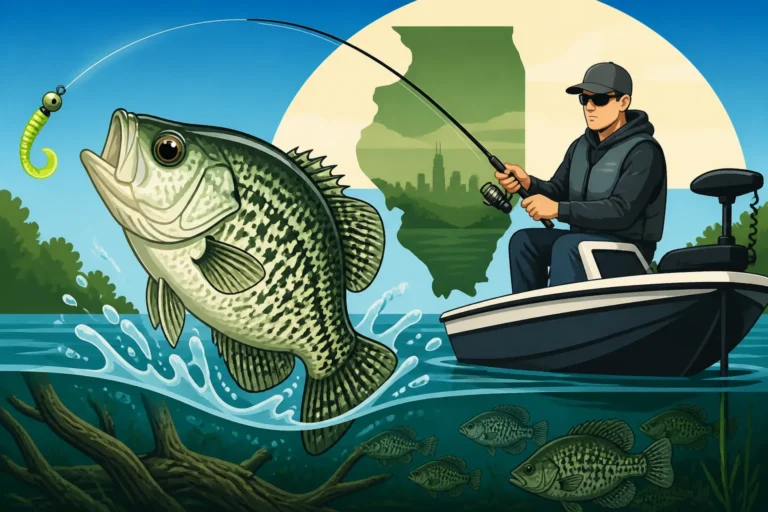
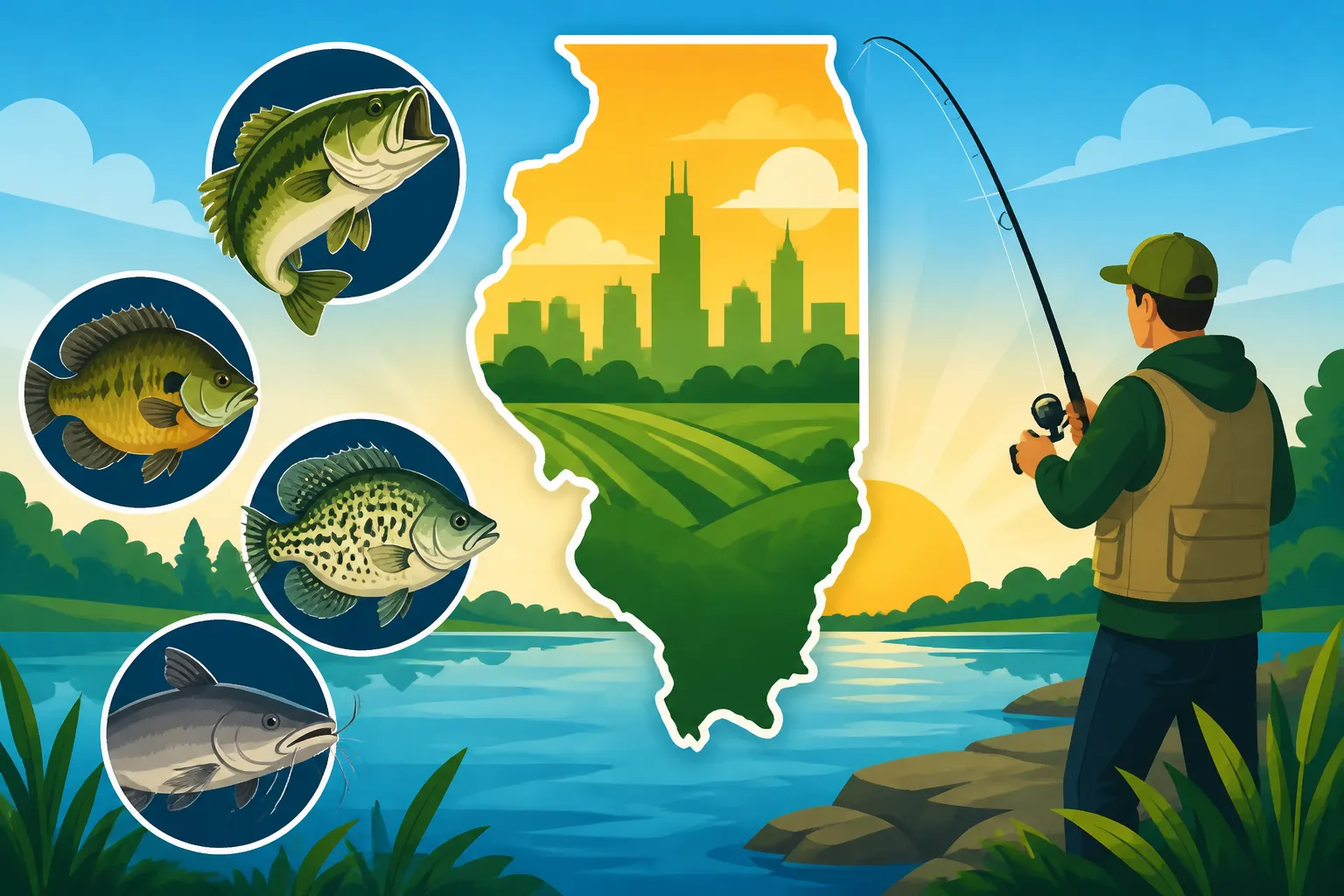
If there’s one group of fish that consistently delivers for beginners, it’s panfish. This includes bluegill, crappie, and various sunfish. They are prolific in almost every pond, lake, and slow-moving river in Illinois, making them incredibly accessible. They bite readily, don't require fancy gear, and their eager tug on the line is enough to get anyone excited, especially a first-timer. For many, catching a bluegill is their first experience with Easiest Fish to Catch for Beginners, and for good reason!
Imagine a warm summer afternoon at a local park pond. You've got a simple cane pole or a light spinning rod, a bobber, and a tiny hook baited with a piece of worm. Within minutes, that bobber starts to dance, then dips, and you're reeling in a feisty bluegill with its vibrant colors. It’s an instant confidence booster. These fish are generally smaller, but what they lack in size, they make up for in sheer numbers and willingness to bite. They're also quite tasty if you decide to keep a few for a pan fry! Many local fishing spots in Illinois are stocked with these species, ensuring a good chance of success. If you're specifically thinking about getting youngsters involved, exploring Best Beginner-Friendly Fish Species for Kids Fishing in Illinois could provide even more tailored advice.
Channel Catfish: Easy to Find, Fun to Fight
Channel catfish are another fantastic target for Free Fishing Days, especially if you're looking for something a bit bigger with a stronger fight. These whiskered beauties are widespread across Illinois, inhabiting lakes, rivers, and even many larger ponds. They’re less particular about bait than some other species and tend to be active throughout the day, though dawn and dusk can be prime times.
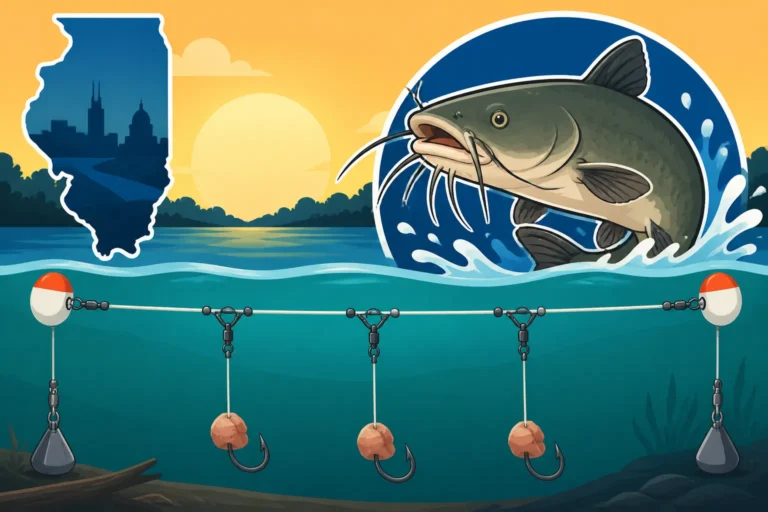
The appeal of channel catfish for beginners is their straightforward nature. You don't need intricate lures or complex retrieval techniques. A simple bottom-fishing rig with some stink bait, cut bait, or even a hot dog will often do the trick. You cast it out, let it sit on the bottom, and wait for that distinctive, heavy pull. When you hook into a decent-sized channel cat, you'll know it! They put up a respectable fight, pulling hard and often making runs that will test your drag. For families, setting up a few rods with different baits and seeing which one gets hit first can be an exciting game. You might find great success targeting them in warmer, murkier waters, common in many Illinois rivers and reservoir areas like Rend Lake. If you plan to specifically target these, you might find more specialized tips by reading up on Best Bait for Channel Catfish.
Largemouth Bass: A More Challenging Option
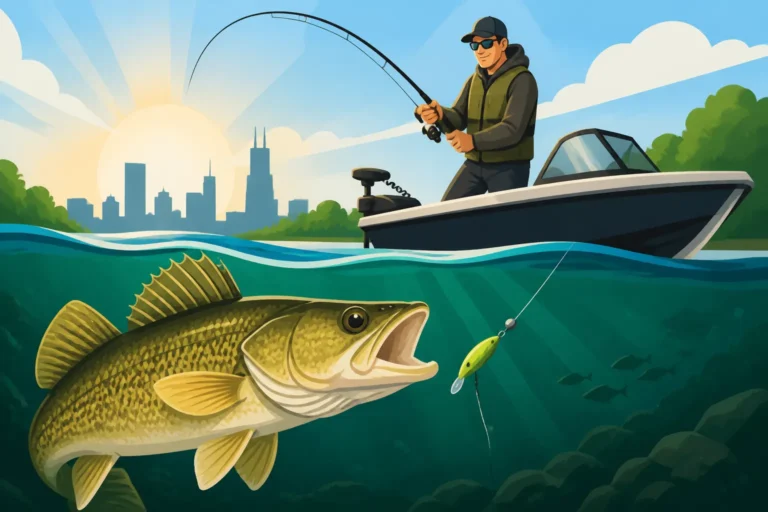
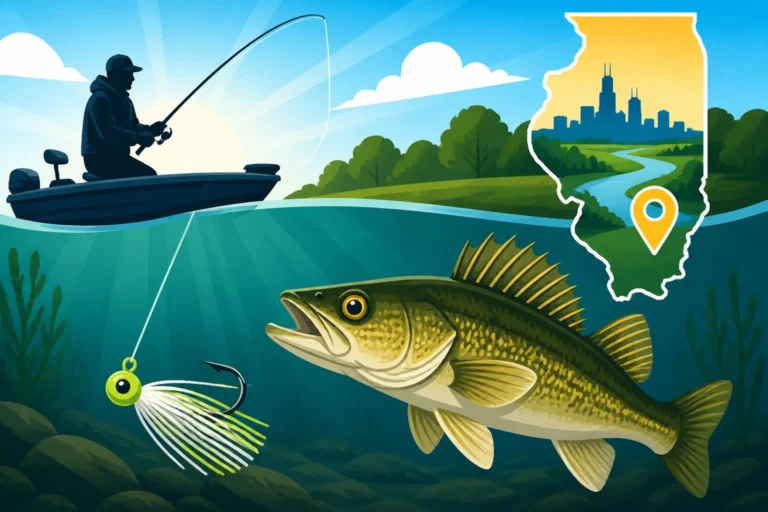
For those who feel a bit more adventurous or have some prior fishing experience, largemouth bass can be a thrilling target during Free Fishing Days. While they might not be as easy to catch as bluegill or catfish, the reward of landing a chunky largemouth is immense. These are Illinois's most popular game fish, known for their aggressive strikes and powerful fights.
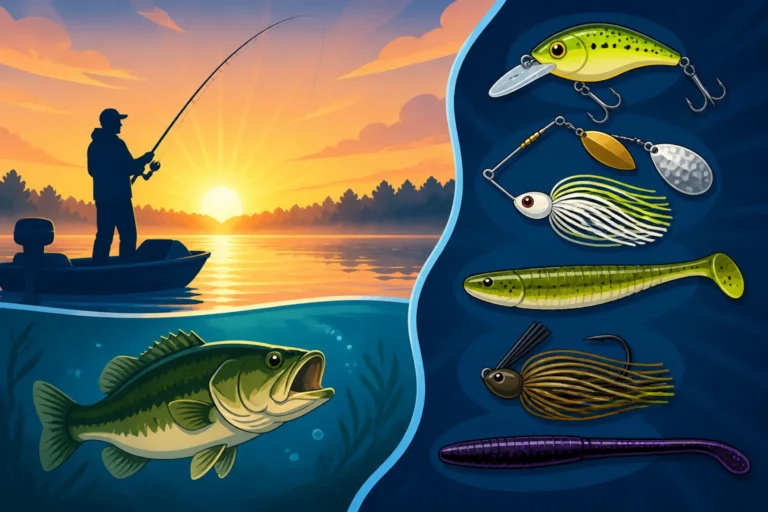
Largemouth bass prefer areas with structure, like submerged logs, weed beds, docks, or rocky points. They’re ambush predators, so presenting your bait or lure in these areas is key. For beginners, using simple lures like a Texas-rigged plastic worm or a spinnerbait can be effective. The bite can be subtle sometimes, or a violent strike that nearly pulls the rod from your hands. There's a certain satisfaction that comes from outsmarting a largemouth bass, and if you’re fishing a lake known for them, like Lake Shelbyville or Kinkaid Lake, Free Fishing Days could be your chance to experience that without the usual license requirement. Keep in mind that specific catch limits for Largemouth Bass Fishing in Illinois: The Complete Guide still apply, even during free fishing days, so always consult the Illinois Fishing Information Guide for the waterbody you're fishing.
Recommended Gear and Techniques for Beginners
One of the great things about targeting these common Illinois species, especially during Free Fishing Days, is that you don't need to break the bank on high-end equipment. Simplicity and reliability are key for a positive first experience.
Simple Rod and Reel Setups
For most of the species we’ve talked about – bluegill, catfish, and even smaller bass – a basic spinning rod and reel combo is perfect. You can find decent beginner combos at sporting goods stores or on Amazon for a very reasonable price, often under $50. Look for a light to medium-light action rod, about 5.5 to 6.5 feet long, paired with a small spinning reel spooled with 6-10 pound test monofilament line.
This setup is versatile enough for almost any beginner fishing scenario. It’s easy to cast, relatively forgiving if you make a mistake, and sensitive enough to feel those gentle nibbles from panfish or the heavy thumps of a catfish. For bluegill, an even simpler approach is a cane pole or a short kids' fishing rod. These are incredibly user-friendly and eliminate the complexities of a reel, letting kids focus purely on watching the bobber and reeling in their catch. If you’re unsure, opting for a Best Beginner Bluegill Fishing Setup often involves just such simple gear. Many tackle shops, like those associated with Bass Pro Shops or Cabela's, can also help you pick out a suitable, budget-friendly starter kit.
Basic Baits and Lures
Forget the tackle box full of hundreds of different lures. For Free Fishing Days, keep it simple and effective.
- Live Bait: This is almost always the most reliable choice for panfish and catfish.
- Worms: Redworms and nightcrawlers are universal fish candy. A small piece on a hook under a bobber is irresistible to bluegill and other sunfish. For catfish, a larger chunk of a nightcrawler works wonders.
- Minnows: Small minnows, live or preserved, can be very effective for crappie and occasionally attract a hungry bass.
- Corn or Dough Balls: Believe it or not, corn on a small hook can be a surprisingly effective bait for panfish and even carp.
- Prepared Baits: For channel catfish, prepared baits are king. Stink baits, either commercially made or homemade, are specifically designed to attract catfish with their strong odors. Chicken livers are another classic catfish bait that works incredibly well.
- Simple Lures: If you want to try lures for bass, start with:
- Spinnerbaits: Easy to cast and retrieve, the flashing blades and vibrating skirt attract bass.
- Plastic Worms: Rigged weedless, these can be worked through cover where bass hide. A 4-inch green pumpkin or black worm is a great starting point.
When rigging for bluegill, you can't go wrong learning How to Rig a Wax Worm Under a Bobber for Bluegill, a classic and effective method. You'll find a wide selection of these essential baits and lures readily available on Amazon, often at competitive prices, making it easy to stock up before your free fishing adventure.
Beginner-Friendly Techniques
Success in fishing often comes down to matching your technique to the fish and the conditions. For Free Fishing Days, we're focusing on methods that are easy to learn and don't require years of practice.
- Bobber Fishing (Float Fishing): This is the quintessential beginner technique. Attach a bobber a foot or two above a small hook, bait it with a worm, and cast it out. The bobber floats, signaling a bite when it dips or moves. This is perfect for panfish in shallow water, especially when fishing with kids. It teaches patience and bite recognition without much complexity.
- Bottom Fishing: Ideal for catfish and sometimes larger panfish. Use a heavier sinker to get your bait to the bottom. You can either use a bobber that’s heavy enough to keep the bait submerged or fish without a bobber, watching the tip of your rod for movement. This works well in deeper holes, river currents, or anywhere fish are feeding on the bottom. It's a key part of Catfish Bottom Fishing Techniques.
- Simple Casting and Retrieving: For bass with lures, the technique is as simple as it sounds. Cast your lure out and reel it back in slowly and steadily. Varying your retrieve speed or adding small twitches can make the lure more enticing. The goal is to make the lure look like an injured baitfish, provoking an attack from a hungry bass. Don't feel pressured to have perfect casting form; focus on getting the lure near cover and keeping it moving.
Finding the Best Spots for Free Fishing Days
One of the greatest things about Illinois Free Fishing Days is that it opens up so many accessible waters. You don't need a fancy boat or a secret fishing hole. Many of the best spots are right in plain sight or just a short drive away.
Accessible Ponds and Lakes
Illinois is dotted with countless ponds and smaller lakes that are perfect for a relaxing day of free fishing. These often include community park ponds, retention ponds (where fishing is permitted), and smaller municipal lakes. They are generally well-stocked with bluegill, bass, and channel catfish, specifically to provide accessible fishing opportunities. The best part is that many of these spots have easy bank access, making them ideal for anglers without a boat.
For example, many local park districts in suburban areas around Chicago or Springfield maintain small lakes with fishing piers or plenty of shoreline access. These are often family-friendly, with amenities like restrooms and picnic areas. Just remember to check local regulations, as some park ponds might have specific catch-and-release rules or different limits. A quick search for "Illinois fishing spots near me" or checking your local park district's website can reveal hidden gems. These smaller, calmer waters are perfect for practicing your casting and enjoying a peaceful day. If you’re looking for a low-cost rod and reel combo for these smaller waters, you'll find plenty of options online on platforms like Amazon.
Local Parks and State Recreation Areas
Illinois State Parks and other IDNR-managed recreation areas are often prime locations for Free Fishing Days. Places like Shabbona Lake State Park, Gebhard Woods State Park, and even sections of the Illinois and Michigan Canal offer excellent opportunities. These locations are usually well-maintained, offer ample parking, and often have designated fishing areas, docks, or even boat rentals (though you'll still need to pay for the rental).
Many of these larger state-managed waters hold a wider variety of fish, including larger bass, walleye, and even crappie, alongside the ever-present panfish and catfish. The staff at these parks are typically very knowledgeable and can offer current fishing reports or point you to the best spots on the lake. Don't be shy about asking for advice – they're there to help you have a great experience. Getting out to these Illinois State Park Fishing Spots is a fantastic way to enjoy nature and the thrill of fishing simultaneously. Remember, even during Free Fishing Days, it’s a good idea to bring a valid ID, especially if you plan on driving or interacting with park staff, just to confirm your identity if needed.
Consider this table for a quick overview of what to target:
| Fish Species | Primary Bait Recommendations | Typical Location Types | Ideal Technique | Beginner-Friendly Rating |
|---|---|---|---|---|
| Bluegill/Panfish | Worms, small minnows, corn | Ponds, shallow lake coves, river backwaters | Bobber fishing | 5/5 |
| Channel Catfish | Stink bait, cut bait, chicken liver | Lakes, rivers (bottom), deep holes in ponds | Bottom fishing | 4/5 |
| Largemouth Bass | Plastic worms, spinnerbaits, live minnows | Near submerged structure (weeds, logs, docks) | Simple cast & retrieve | 3/5 |
| Crappie | Small minnows, tiny jigs | Brush piles, fallen trees, deep creek channels | Bobber fishing, jigging | 4/5 |
These are just general guidelines, of course. Fish can be finicky! But sticking to these basics will give you the best shot at success. For more specific location details, especially if you're fishing with kids, exploring Best Fishing Spots for a Kid's First Fish in Illinois can provide excellent tailored suggestions. Just pack a small cooler with drinks and snacks, grab your basic gear, and you're all set for a memorable day on the water.
Disclaimer
The information provided in this guide is for general informational purposes only and is not intended as legal advice. Fishing regulations, license requirements, and free fishing day dates can change. Always consult the official Illinois Department of Natural Resources (IDNR) website or their current fishing guide for the most accurate and up-to-date information before heading out on the water. Following all state and local regulations is the responsibility of the angler.