How to Fish Muddy Water After Rain
There's nothing quite as frustrating as planning a fishing trip, only to have a heavy rain shower turn your favorite clear-water spot into a muddy mess. It feels like all your carefully laid plans, your go-to lures, and your secret spots suddenly become useless. But don't throw in the towel just yet! Muddy water doesn't mean the fish stop biting; it just means you need to adjust your strategy. This guide is here to help you understand why rain muddies the water, how fish react to these changes, and the actionable techniques and gear you can use to catch fish even when the water looks like chocolate milk.
Understanding Muddy Water and Its Effects on Fish
When the skies open up and the rain comes pouring down, it's not just adding water to the lake or river. It's kicking up a whole chain reaction that completely changes the underwater environment, and with it, the behavior of the fish we're trying to catch.
Why Rain Makes Water Muddy
The primary reason water turns muddy after a rain is runoff. Think about it: all that water hitting the land doesn't just sink in instantly. It flows over fields, roads, and exposed soil, picking up loose dirt, silt, and other sediment along the way. This runoff then empties into our lakes, rivers, and ponds, carrying all that suspended particulate matter with it.
If you're fishing a lake with lots of agricultural land around it, or a river that runs through heavily eroded banks, you're going to see more severe muddiness. Urban areas also contribute significantly, as rainwater washes pollutants and sediment from streets and construction sites directly into waterways. This influx of sediment drastically reduces visibility underwater. Where you might normally see your lure a few feet down in clear water, now you might struggle to see it just a few inches below the surface. This change in light penetration impacts everything, from a fish's ability to see its prey to its comfort level in certain areas. It's a fundamental shift in their world.
How Fish React to Murky Conditions
Fish are incredibly adaptable creatures, and they don't just shut down because the water's murky. Instead, they shift their sensory reliance. In clear water, sight is king for many predatory fish like bass and walleye. But in muddy water, their lateral line system and sense of smell become paramount.
The lateral line is a sensory organ that runs along the side of a fish, allowing it to detect vibrations and pressure changes in the water. This is like a built-in sonar system, helping them navigate and find prey even when they can't see a thing. Their sense of smell also becomes incredibly important, guiding them to food sources that they might not visually detect.
Beyond sensory changes, their movement patterns often shift. Fish might move shallower, seeking areas where the muddy water might be slightly warmer or where there's less current to stir up even more sediment. They'll often hug cover tighter – think submerged logs, rock piles, or dock pilings – because these structures offer ambush points where they can wait for prey to swim by. This also gives them a sense of security when visibility is low. You'll often find baitfish pushed up against these same structures, and where the bait goes, the predators will follow. This is especially true if rain creates new inflow points, washing food into the main body of water.
Essential Gear and Bait for Muddy Water Fishing
Fishing in muddy water demands a different approach when it comes to your tackle box. What works wonderfully in clear conditions might be completely ignored when visibility drops. The key is to appeal to the fish's heightened senses of vibration and smell, making your presentation as detectable as possible.
Lure Color and Vibration: Making Them Stand Out
When fish can't see your lure from a distance, you need to make sure it's loud and proud, both visually and audibly. This means gravitating towards colors that provide a strong contrast and generate a lot of vibration.
Bright, fluorescent colors like chartreuse, neon orange, and hot pink really shine (or glow, rather) in murky water. These colors offer a stark contrast against the dark, muddy background, making them easier for fish to pick out. Another fantastic combination is black and blue. While it might seem counterintuitive to use dark colors, black offers a strong silhouette against the slightly lighter sky overhead, and the blue adds just enough pop. Think about how a dark object stands out against a dimly lit background – it's the same principle underwater. You can often find a great selection of these specific color patterns, whether in soft plastics, crankbaits, or spinnerbaits, by browsing online retailers like Amazon.
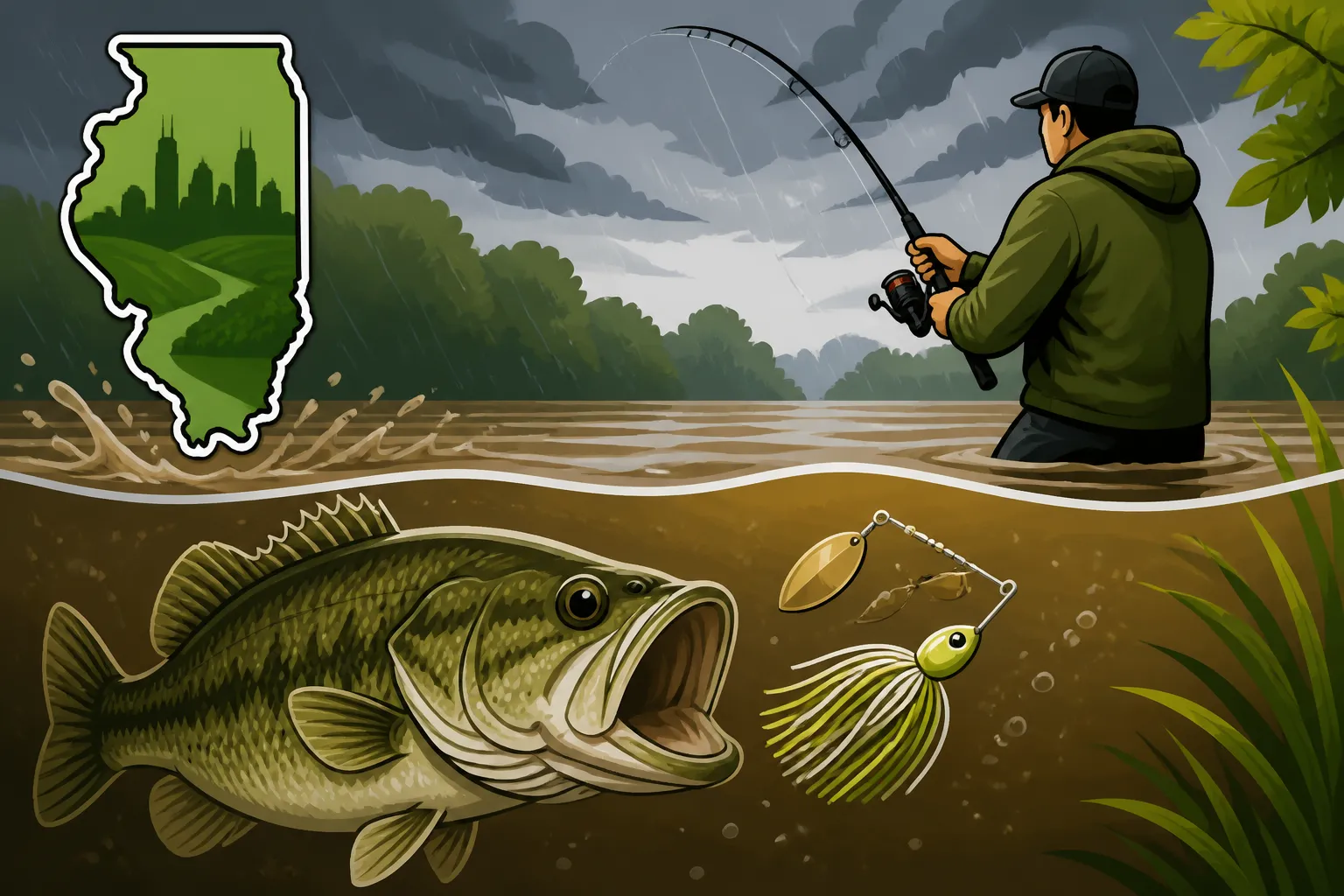
Beyond color, vibration is your best friend. Lures that displace a lot of water or have built-in rattles create those crucial pressure waves that fish detect with their lateral line. Spinnerbaits, with their thumping blades, are absolute muddy water legends. Large bladed models, like those with Colorado blades, produce maximum thump. Lipless crankbaits, especially those with loud internal rattles, are another excellent choice, as they vibrate intensely and can be retrieved at various depths. Bladed jigs, often called ChatterBaits, are also incredibly effective due combining both flash and a unique vibration that fish find irresistible. These lures literally scream "I'm here!" to fish that are struggling to see. You can learn more about specific presentations in articles like How to Fish a Spinnerbait for Bass.
Scent and Noise: Appealing to Other Senses
Since sight is compromised, we have to lean heavily on the fish's other highly developed senses: smell and hearing. Incorporating scent and noise into your presentation can be the difference between a frustrating day and a successful one.
Scented baits are non-negotiable in muddy water. Many soft plastics come pre-impregnated with fish attractants like garlic, anise, or other "fishy" scents. If your favorite plastics aren't scented, you can always add a liquid or gel attractant to them. Just smear it on, and the scent trail will help fish track your lure even if they can't see it. This is particularly effective for slower presentations where the bait spends more time in one area, allowing the scent to disperse. For species like crappie, a scented jig can be incredibly productive, especially when paired with a bright color. Check out Best Crappie Jig Colors for Stained Water for more ideas.
Noise, as mentioned before, plays a huge role. Lures with rattles, such as certain crankbaits, jigs, or even soft plastic worms designed to accommodate rattle inserts, become much more effective. The rattling sound mimics struggling prey or other fish, drawing attention. For live bait, which often has its own natural scent, the struggling action it provides can also generate subtle vibrations that predators pick up on. Worms, minnows, or even cut bait for species like catfish release natural odors that can travel a good distance in murky water, making them irresistible. Live bait presentations, like a juicy nightcrawler on a bottom rig, are incredibly effective because they combine natural scent, movement, and often a bit of natural noise. For catfish, in particular, using baits with strong odors, such as stink baits or cut bait, is a time-honored tradition in muddy conditions. See Best Bait for Channel Catfish From the Bank for more details on this.
Here's a quick reference for choosing your muddy water gear:
| Gear Type | Key Characteristics for Muddy Water | Example Lure/Bait | Target Species |
|---|---|---|---|
| High Vibration | Thumping blades, strong water displacement | Spinnerbaits (Colorado blades), Lipless Crankbaits | Bass, Walleye |
| Loud Rattles | Internal BBs, chambered designs | Rattle Traps, Jig Rattles | Bass, Walleye |
| Bright Colors | Fluorescent, high contrast, dark silhouettes | Chartreuse, Orange, Black/Blue Jigs/Worms/Crankbaits | Bass, Crappie |
| Scented Baits | Pre-impregnated, liquid attractant added | Scented Worms, Tubes, Jigs, Dough Baits | Bass, Catfish |
| Live Baits | Natural scent, subtle movement, vulnerability | Worms, Minnows, Cut Bait | Catfish, Panfish, Bass |
You can often find all these essential gear items on Amazon, allowing you to quickly stock up before your next rainy-day adventure.
Strategies for Locating Fish in Muddy Water
Knowing what lures to use is only half the battle; you also need to know where to present them. Fish behavior changes dramatically when the water muddies, and understanding these shifts will help you pinpoint their likely hiding spots.
Focusing on Shallow Water and Cover
When heavy rains hit, the incoming water is often cooler than the standing water, and it carries a lot of sediment. Fish, being cold-blooded, will often seek out the warmest, most comfortable water available. Often, this means shallower areas. These shallower zones tend to warm up faster, even if the air temperature is cool, and can offer a refuge from the main current of muddy inflow. Additionally, the oxygen content might be slightly better in some shallow, less turbulent areas. Remember, How Water Temperature Affects Fish Activity is always a crucial factor in fish location.
Along with shallow water, focus intensely on any type of cover. In clear water, fish might suspend or cruise open areas, but in muddy water, they tend to hug structure tightly. This could be submerged brush piles, fallen trees, rock veins, docks, bridge pilings, or even dense weed lines that stand tall enough to offer some visual break. These structures give them a sense of security and provide ambush points where they can wait for prey without having to actively chase it in low visibility. When you're fishing these areas, make sure to work your lure very slowly and thoroughly, making multiple casts from different angles to ensure you cover every inch of potential hiding spots.
Slowing Down Your Presentation
This is one of the most critical adjustments you can make when fishing muddy water: slow down, way down. When visibility is limited, fish don't have the luxury of spotting your bait from a distance and chasing it down. They need more time to locate it using their lateral line and sense of smell.
This means putting away your fast-moving reaction baits (unless they're highly vibrating and you're covering specific small areas). Instead, pick up baits that allow for a slower, more methodical retrieve. Jigs, whether dressed with plastic trailers or living rubber skirts, are fantastic for this. You can hop them along the bottom, swim them slowly through cover, or let them sit for extended periods. Texas-rigged or Carolina-rigged soft plastics also excel, allowing you to crawl them through structure at a snail's pace. Even a weighted wacky rig can be deadly.
The idea is to keep your bait in the strike zone longer, giving sluggish or sight-impaired fish ample opportunity to find it and decide to strike. Don't be afraid to pause your retrieve, let the lure sit on the bottom for a few seconds, or shake it gently in place. These subtle movements can be just enough to trigger a bite from a curious fish. When fishing for species like walleye in murky river conditions, a slow-trolled crankbait or a jig dragged slowly along the bottom can be incredibly effective, allowing the fish time to hone in on the vibration and scent.
Targeting Inflow Areas and Current Seams
Rainfall, especially heavy rain, often means increased water flow into lakes and rivers. These inflow areas – where creeks, culverts, or even ditches empty into the main body of water – can be absolute hotspots.
Why? Firstly, these areas often wash new food sources into the water, attracting baitfish and, consequently, predator species. Worms, insects, and other terrestrial organisms get flushed into the water, becoming an easy meal. Secondly, the incoming water can create current seams, which are lines where faster-moving water meets slower water. Fish often position themselves in the slower water just out of the main current, conserving energy while waiting for food to be swept past them in the faster flow. Think of a bass sitting behind a rock in a river, waiting for minnows to come by. The same principle applies here.
Look for areas where two different water clarities meet. You might see a distinct line where muddy runoff is mixing with slightly clearer lake or river water. Fish will often hold right on this seam, taking advantage of the food washing in while maintaining some comfort in the slightly cleaner or less turbulent water. Casting your lure directly into the muddy inflow and retrieving it through this seam can be incredibly productive. These zones also tend to concentrate baitfish, which are pushed to the edges of the strong currents, making them easy targets for waiting predators. This strategy is key to success on river systems like the Illinois River, where clarity can change quickly after heavy rains. Consider visiting Illinois River Fishing Spots Near Peoria after a rain to test these strategies.
Species-Specific Tips for Illinois Muddy Waters
While the general principles of bright colors, vibration, scent, and slow presentations apply across the board, tailoring your approach to specific species can yield even better results. Let's look at a few popular Illinois game fish and how to approach them in muddy conditions.
Largemouth Bass and Crappie Tactics
Largemouth Bass: Our favorite bucketmouths are still catchable in muddy water, but you need to appeal to their aggressive, opportunistic nature. As discussed, vibration and bold colors are paramount.
- Jigs: A black and blue jig with a bulky plastic trailer (like a craw or grub) is a classic muddy water bass slayer. The dark color offers a strong silhouette, and the trailer provides extra bulk and vibration. Fish these slowly around any heavy cover – submerged timber, rock piles, or dock posts.
- Spinnerbaits: This is arguably the ultimate muddy water bass lure. Opt for models with large, thumping Colorado blades, or a combination of Colorado and Willowleaf blades. Colors like chartreuse, white, or firetiger are excellent. Cast them to cover and retrieve them at a moderate pace, just fast enough to keep the blades turning and creating that irresistible vibration.
- Bladed Jigs (ChatterBaits): These lures combine the best of a jig and a crankbait, creating a unique thumping vibration and flash. Again, chartreuse, black/blue, or even white can be very effective. Work them slowly along weed edges or through sparse cover.
- Scent: Always add extra scent to your soft plastics or jigs. A dab of garlic or anise attractant can make all the difference.
Crappie: These panfish can be a bit more finicky, but they're definitely catchable in murky conditions, especially if you find them concentrated.
- Shallow Cover: Crappie will often move very shallow and tight to cover when the water is muddy. Look for brush piles, fallen trees, or even dense reeds in just a few feet of water.
- Bright Jigs: Small jigs (1/32 to 1/16 oz) in bright colors like chartreuse, orange, pink, or a combination of these are key. Tip them with a small scented plastic grub or a live minnow.
- Slow Presentations: Vertically jigging or slowly retrieving your jig through cover is often the most effective method. Give the crappie time to find the bait. How to Jig for Crappie in Shallow Water delves deeper into these techniques.
- Spider Rigging: If fishing from a boat, "spider rigging" (using multiple rods with jigs at different depths) can help you quickly locate where the crappie are holding in the murky water column.
Catfish and Walleye Approaches
Catfish: Catfish are perhaps the least affected by muddy water, largely because their primary hunting tools are their barbels (whiskers) and their incredible sense of smell. In fact, muddy water can sometimes make catfish more active as it stirs up food and makes them feel more secure.
- Scent is King: Forget visual appeal for catfish. Focus entirely on strong-smelling baits. Stink baits, punch baits, cut bait (like shad, bluegill, or skipjack herring), chicken livers, and nightcrawlers are all excellent choices.
- Bottom Fishing: Catfish are often bottom feeders. Use a simple slip-sinker rig or a Carolina rig to keep your bait on the bottom where they're foraging.
- Current Breaks: Just like bass, catfish will often sit in current breaks, waiting for food to wash to them. Target the slower water behind snags, rocks, or bends in the river.
- Night Fishing: Catfish are naturally more active at night, and muddy water only enhances this. Consider trying your luck after dark for these whiskered warriors.
Walleye: Walleye can be challenging in muddy water because they are primarily sight feeders in clear conditions, but they're far from impossible to catch if you understand their adaptations.
- Vibration and Sound: This is where crankbaits with loud rattles and good vibration, or jigs with grub trailers, really shine. Colors like firetiger, chartreuse, or even contrasting black and silver can work.
- Slow and Low: Walleye will often hug the bottom or tight to structure in muddy water. Dragging jigs slowly or slowly trolling crankbaits are effective tactics. Think about how Best Walleye Lures for Cold Water might also apply to muddy, low-visibility conditions.
- Structure: Focus intensely on hard structure like rock piles, deep breaks, humps, and current seams in rivers. Walleye will relate tightly to these features.
- Scent: Tipping jigs with a live minnow or adding a scent to your soft plastics can give you an extra edge, helping walleye pinpoint your offering.
Remember, muddy water fishing is all about adapting and having confidence in your presentation. Don't be afraid to experiment with different lure colors, retrieve speeds, and depths until you find what the fish are responding to.
Disclaimer
This article is for general informational purposes only and does not constitute professional advice. Laws, prices and regulations vary by location and change over time. Consult a qualified professional for guidance on your specific situation.