How Rising Water Temperature Triggers the Spawn
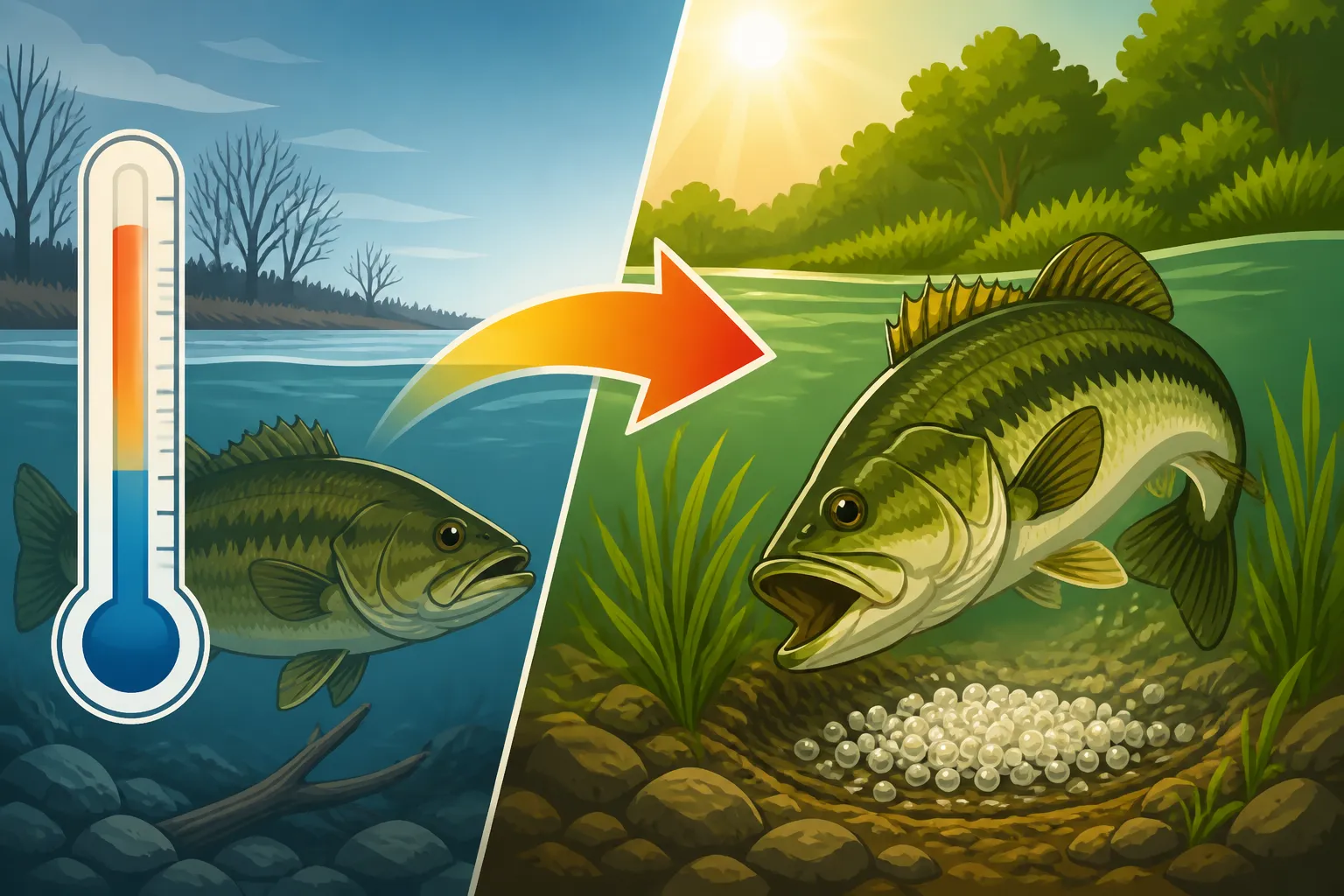
One of the most frustrating things for any angler, especially here in Illinois, is knowing the fish are there but not knowing why they won't bite. It often boils down to a fundamental disconnect with nature's oldest clock: water temperature. When that water starts to warm up, it's like a secret signal for fish, telling them it's time for one of the most critical events of their lives – the spawn. This guide is all about peeling back the layers on how rising water temperature acts as the ultimate trigger, dictating everything from where fish stage to how aggressively they'll protect their nests. Understanding this isn't just a fun fact; it's a game-changer for your fishing success, transforming those head-scratching days into productive trips.
The Basics of Water Temperature and Fish Metabolism
Imagine stepping outside in a t-shirt when it's freezing, or trying to run a marathon in a heavy winter coat during a heatwave. You wouldn't function well, right? Fish are exactly the same, but even more so because their body temperature is entirely dictated by the water around them. They don't have the luxury of internal temperature regulation like we do. This simple fact means that water temperature is, without a doubt, the single most influential factor in a fish's life, from how fast they grow to when they decide to reproduce.
Why Temperature Dictates Everything for Fish
Every single biological process within a fish—digestion, energy production, oxygen uptake, immune response, and yes, reproduction—is directly tied to the temperature of the water. When the water is too cold, their metabolism slows down dramatically. They become sluggish, requiring less food, and moving less. Think of it as a low-power mode. They conserve energy, often hunkering down in deeper, more stable water, waiting for conditions to improve. This is why winter fishing can be so challenging; fish aren't actively seeking food with the same fervor as in warmer months.
Conversely, when the water gets too warm, especially beyond their ideal range, fish can become stressed. Oxygen levels in the water decrease as temperature rises, making it harder for them to breathe. Their metabolism can become too fast, burning through energy inefficiently, or they may even struggle to survive if the water gets truly scorching. For most Illinois species, there's a "Goldilocks zone" – a range of temperatures where they are most comfortable, most active, and most inclined to feed. Knowing these ranges for different species is your first step to consistent success.
Comfort Zones and Stress Points
Different fish species have different thermal preferences, and these comfort zones are critical for understanding their behavior. For example, a northern pike, a cold-water species, will thrive in cooler waters that would make a largemouth bass sluggish. On the other hand, a bluegill or a catfish will be quite happy in water that would send a pike seeking deeper, cooler retreats.
When water temperatures are within a fish's ideal comfort zone, they're typically more active, digest food efficiently, and are generally more robust. Their immune systems are stronger, and they're better equipped to handle stress. However, stray too far outside this zone, and you enter a stress point. This could be water that's too cold, causing lethargy, or water that's too hot, leading to oxygen deprivation and a struggle for survival. Think of those hot summer days on shallow lakes in Illinois; fish will often seek out deeper, cooler thermoclines or areas with more shade and cover to escape the heat.
For anglers, this knowledge is power. If you have a good Water Temperature and Fish Activity Guide, you can predict where fish will be and how they'll behave. For instance, in early spring, when the water is still chilly, bass might be tucked into the warmest available pockets of water, often on north-facing banks that get more direct sunlight. Later in the season, when the shallow water becomes too warm, they'll often retreat to deeper structures or shady areas. Carrying a good quality fish thermometer, readily available on retailers like Amazon, can give you a significant advantage in pinpointing these crucial temperature zones.
The Biological Clock: How Rising Temperatures Trigger Spawning
The annual spawning ritual is arguably the most significant event in the life cycle of most fish. It's not just a casual decision; it's a deeply ingrained biological imperative, and rising water temperatures are the primary signal that kicks it all off. Think of it as a giant, underwater alarm clock that starts ringing when the water hits a specific degree.
Species-Specific Temperature Thresholds
It's a common misconception that all fish spawn at the same time. The truth is, every species has its own unique temperature window and duration for spawning, a finely tuned evolutionary adaptation to maximize the survival of their offspring.
Here's a look at some common Illinois fish and their general spawning temperature ranges:
| Fish Species | General Spawning Temperature Range (Fahrenheit) | Key Behaviors During Spawn |
|---|---|---|
| Largemouth Bass | 60-70°F | Males build nests, guard eggs/fry, aggressive |
| Smallmouth Bass | 55-65°F | Males fan out gravel nests, territorial |
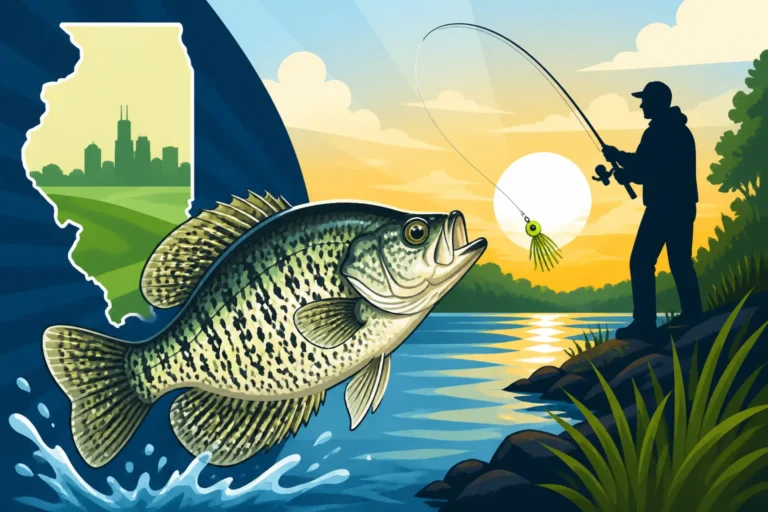
| White Crappie | 58-68°F | Females lay eggs in shallow cover, males guard |
| Black Crappie | 60-70°F | Similar to white crappie, slightly later/warmer |
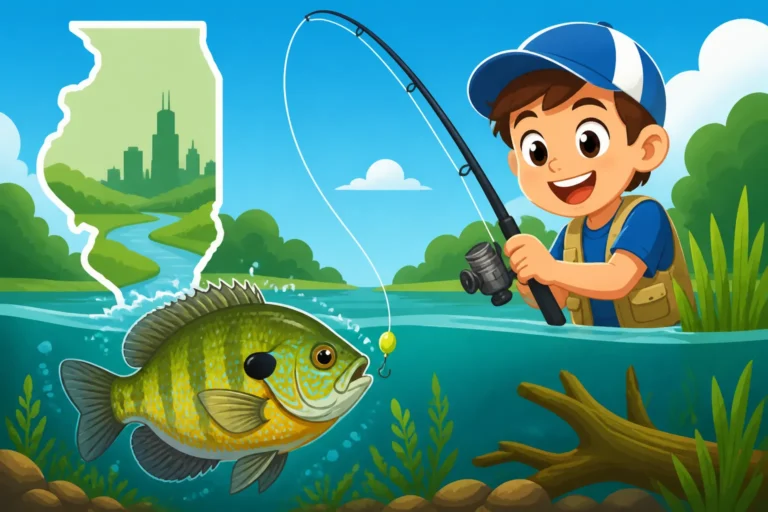
| Bluegill | 67-75°F | Colony spawners, males fan nests in shallow sand/gravel |
| Channel Catfish | 70-75°F | Females lay eggs in dark, secluded cavities, males guard |
| Walleye | 42-55°F | Broadcast spawners over rocky reefs/gravel, no parental care |
| Northern Pike | 40-52°F | Broadcast spawners in flooded vegetation, no parental care |
As you can see, walleye and northern pike are early spawners, kicking things off when the water is still quite chilly. They often spawn right after ice-out in the shallow, flooded areas of lakes and rivers. Then come the bass and crappie, typically in succession as the water continues to warm through spring, with bluegill often being one of the later panfish to get started. Understanding these specific thresholds, which you can often find in an Illinois Crappie Spawn Season Guide or Illinois Bass Spawn Timing Guide, is absolutely crucial for timing your trips.
Hormonal Changes and Nesting Behavior
When the water hits that magic temperature threshold for a particular species, it doesn't just happen by chance. It triggers a cascade of hormonal changes within the fish. These hormones prepare their bodies for reproduction, leading to the development of eggs in females and milt in males. This internal clock, synchronized by temperature, ensures that when the time comes, both sexes are ready.
Beyond the internal changes, you'll start to see significant behavioral shifts. Males, particularly of species like bass and sunfish, will begin to scout out and construct nests. They'll use their tails to fan out depressions in gravel, sand, or even hard bottom, clearing away debris to create a clean spot for eggs. This nesting behavior is a major giveaway that the spawn is imminent or already underway. You'll often see these circular depressions in shallow, protected coves or flats.
Once nests are built, the males become fiercely territorial. They'll guard their nests against any perceived threat, whether it's another fish trying to eat the eggs, or even a lure. This aggressive protective instinct is precisely what makes spawning fish, especially bass, vulnerable and exciting to target. This is a primary time when you'll find them holding tight to specific spots, not really roving for food, but fiercely defending their future generation.
The Angler's Advantage: Fishing During the Pre-Spawn and Spawn
Understanding the role of water temperature in spawning isn't just academic; it directly translates to more fish in your boat or on your stringer. The periods leading up to and during the spawn are some of the most exciting and productive times to be on the water. Knowing what the fish are thinking, or rather, what their bodies are telling them to do, allows you to anticipate their movements and capitalize on their predictable behavior.
Locating Fish in Pre-Spawn Staging Areas
Before fish move onto their actual spawning beds, they often gather in what are known as "staging areas." These are typically deeper areas adjacent to the shallower spawning flats or coves. Think of them as waiting rooms, where fish bulk up on food, get acclimated to the rising temperatures, and prepare for the energy demands of spawning. For bass, these might be points, humps, or channel swings leading into a protected cove. For crappie, it could be brush piles or submerged timber near shallow flats.
During the pre-spawn, fish are often at their heaviest, gorging themselves to build up energy reserves. They are actively feeding, making them highly susceptible to a wide range of lures. If you know the general Spring Fishing Calendar for Illinois Anglers, you can target these staging areas with confidence. Pay close attention to subtle changes in water temperature within a lake; a few degrees difference can concentrate fish in a specific area. Using a boat-mounted fish finder with temperature sensors, or even a simple handheld thermometer you can pick up on Amazon, will help you identify these warmer pockets. Looking for subtle temperature breaks near transitions from deep to shallow can be incredibly effective.
For example, on a large reservoir like Lake Shelbyville, pre-spawn bass might stack up on deep points adjacent to a sunny, shallow spawning pocket. A drop-off or submerged roadbed leading into a flat could be a prime staging zone. Crappie, on the other hand, might congregate in deeper brush piles in coves before moving to the shallower reeds or lily pads. These fish are usually very catchable because their primary focus is still feeding.
Tactics for Active Spawning Fish
Once the water temperature hits that sweet spot and the fish move onto their beds, their behavior changes dramatically. Their primary focus shifts from feeding to reproduction and guarding their offspring. This doesn't mean they won't bite; it just means you need to adjust your tactics.
For nest-guarding species like bass and sunfish, their aggression makes them vulnerable. They aren't biting out of hunger, but out of a defensive instinct. Presenting a lure directly on or very near a nest can often provoke a strike. Jigging soft plastics, Texas-rigged worms, or even small creature baits right on the bed can annoy the fish into striking. It's crucial, however, to be mindful of local regulations and ethical considerations when targeting spawning fish. Some anglers choose to avoid bed fishing altogether, or practice catch-and-release to protect the population during this vital time. If you’re targeting walleye, which are broadcast spawners and don’t guard nests, you’ll be looking for them on those rocky reefs and current seams right as the water hits their cooler spawning window, often using jigging or Walleye Trolling Techniques.
For crappie, once they're on their shallow beds, often identifiable by their dark backs against light bottoms in brushy areas, small jigs, minnows under bobbers, or tiny crankbaits can be incredibly effective. They're often so concentrated that you can catch several from one small area. Check out an Illinois Crappie Spawn Season Guide for specific regional timings.
Remember, fish on beds are often highly visible in clear water, and they're highly localized. A good pair of polarized sunglasses is an essential tool for spotting these fish and their nests. You can find excellent options on Amazon, and they make a world of difference in your ability to observe fish behavior and locate targets.
Post-Spawn Considerations and Lingering Effects
Just as rising water temperatures initiate the spawn, the aftermath of this strenuous activity, still influenced by temperature, dictates the next phase of fish behavior. It’s not just a quick flick of a switch; the transition from spawn to summer patterns is a gradual process with its own set of challenges and opportunities for anglers.
The Post-Spawn Funk
Immediately following the spawn, many fish species, particularly the males who have expended massive amounts of energy guarding nests, enter a period often referred to as the "post-spawn funk." They are exhausted, stressed, and often underweight. Their primary focus is no longer reproduction but recovery. During this time, fishing can become notoriously tough. Fish might not be actively feeding, or their feeding might be sporadic and timid. They may retreat to slightly deeper, cooler water, seeking refuge and a chance to recuperate.
For an angler, this means adjusting expectations and tactics. Forget the aggressive strikes you might have gotten during the spawn. You’ll often need to present baits more subtly, work slower, and target areas where fish can rest and find easy meals without expending too much energy. This might mean pitching a soft plastic to shaded cover, slowly dragging a jig along a drop-off, or using live bait. Understanding Illinois Bass Post-Spawn Fishing Patterns is key to navigating this tricky period. Don't be discouraged if the bite slows down; it's a natural part of the cycle.
Summer Patterns Emerge
As spring fully transitions into summer and water temperatures stabilize at higher levels, a new set of predictable patterns emerges. Fish, having recovered from the spawn, will begin to move into their full summer feeding territories. For many species, especially largemouth bass, this means relating to deeper cover, submerged vegetation, or shaded structures during the hottest parts of the day. They might move into shallower water to feed during low-light conditions, like dawn and dusk, when the water is slightly cooler.
Consistent warm temperatures mean a higher metabolism, and a higher metabolism means a greater need for food. This can lead to very active feeding periods, but often in specific locations and at specific times. Locating baitfish schools becomes paramount, as predatory fish will be close by. Offshore structure, deep weed lines, and creek channels become prime targets. For species like bluegill and crappie, they might hold tight to deeper brush piles or migrate to main lake points. For anglers, this means focusing on deeper presentations, using electronics to find offshore cover, and often fishing during those cooler parts of the day. It’s a completely different game than the shallow-water frenzy of the spawn, but equally rewarding once you crack the code.
Disclaimer
This article is for general informational purposes only and does not constitute professional advice. Laws, prices and regulations vary by location and change over time. Consult a qualified professional for guidance on your specific situation.