How to Catch Bass After a Cold Front
The sudden arrival of a cold front can feel like a punch to the gut for any angler. One day the bass are hitting everything you throw at them, and the next, it's like they've packed their bags and moved to another dimension. This abrupt shift in weather often leaves Illinois anglers scratching their heads, wondering why their once-reliable spots and techniques have stopped producing. This comprehensive guide will help you understand why bass react the way they do after a cold front and, more importantly, what specific adjustments you can make to successfully put fish in the boat, even when conditions are tough.
Understanding How Cold Fronts Impact Bass Behavior
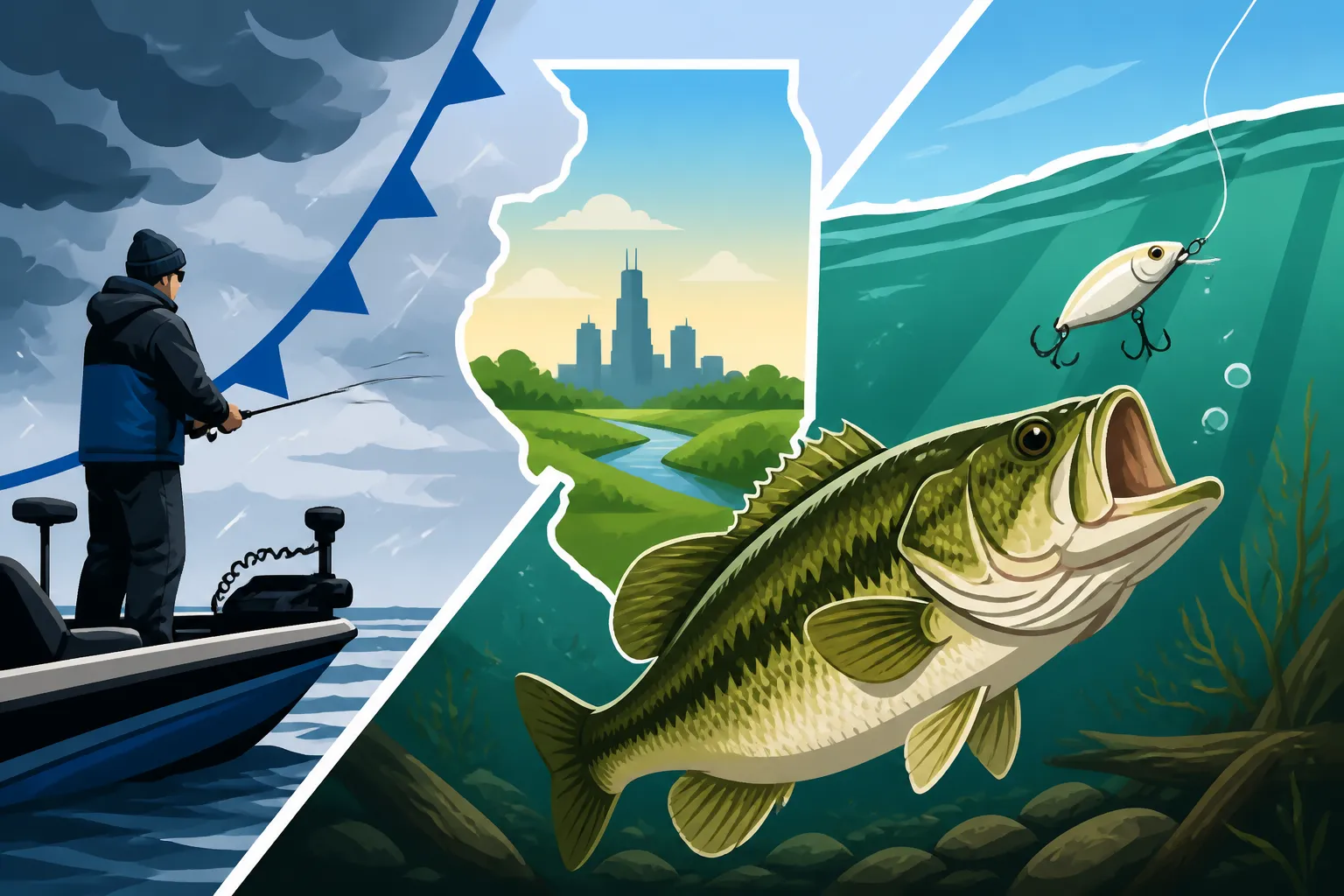
When a cold front rolls through Illinois, it's not just a drop in air temperature we're dealing with; it's a whole cascade of environmental changes that send bass into a defensive posture. These changes dramatically affect their metabolism, comfort levels, and ultimately, their willingness to bite.
The Pressure Drop and Its Aftermath
Before a cold front hits, barometric pressure often falls. This is when fishing can be incredible, as fish become more active. But once the front passes, the pressure skyrockets. Imagine going from a comfortable, low-pressure room to a high-pressure environment; it makes you feel sluggish, right? Bass experience something similar. This high, stable pressure clamps down on their swim bladders, making them less comfortable and less active. They'll often move deeper to equalize the pressure, or burrow into heavy cover where they feel more secure. This shift isn't just a minor inconvenience for them; it's a fundamental change that dictates their immediate survival strategy.
Beyond the pressure, the clearing skies that often follow a front mean brighter conditions. For a predator like a bass that relies on ambush, this increased visibility can make them feel exposed and vulnerable. They become wary, seeking out the darkest, most secluded cover they can find. This is why those open-water schooling bass that were so cooperative yesterday suddenly seem to have vanished. They haven't left the lake; they've simply become masters of hide-and-seek, retreating to places where they feel safe from predators and direct sunlight.
Water Temperature Fluctuations and Metabolism
While the air temperature drops, the water temperature doesn't instantly plummet, especially in larger Illinois bodies of water like Lake Shelbyville or Rend Lake. However, a prolonged cold front with clear nights and brisk winds will gradually cool the surface layers. Bass are cold-blooded creatures, meaning their metabolism is directly tied to water temperature. A significant drop signals to their bodies that it's time to conserve energy. They become lethargic, moving slower, digesting food slower, and therefore, needing to feed less frequently and less aggressively.
This metabolic slowdown is crucial to understanding why your usual fast-moving baits suddenly aren't working. A bass isn't going to expend precious energy chasing down a speedy spinnerbait if its body is telling it to conserve. Instead, they'll become opportunistic, waiting for an easy meal to come directly to them. This often means they'll position themselves tightly against structure, waiting for an unsuspecting baitfish or crawfish to drift by. Knowing this, we need to completely rethink our approach, shifting from an aggressive pursuit to a more patient, subtle presentation that caters to their reduced activity levels. For more on how temperature affects fish, check out our guide on the Water Temperature and Fish Activity Guide.
Adjusting Your Approach: Location, Lures, and Presentation
Successfully catching bass after a cold front requires a fundamental shift in strategy. You can't just keep throwing the same baits in the same places and expect results. It’s about adapting to the bass’s new preferred locations, offering them irresistible, easy meals, and presenting those meals in a way that doesn't spook them.
Finding Those Reluctant Bass
The first step is to locate where the bass have retreated. Forget about wide-open flats or shallow cover that was productive pre-front. Bass will move to areas offering stable conditions and readily accessible cover or depth. This often means deeper water adjacent to structure, such as channel swings, creek bends, or submerged humps. They might also pull into the thickest, densest cover they can find in shallower water – think heavy laydowns, brush piles, or matted vegetation. The key here is density. They want to be hidden and feel secure.
Focus your search on areas where abrupt depth changes occur or where significant cover provides shade and a feeling of safety. On many Illinois lakes, this could mean the deeper ends of points, rocky bluffs that drop quickly into deep water, or marina docks with thick pilings. If you're on a river system like the Illinois River, look for deeper scour holes or slack water areas behind current breaks that also offer plenty of submerged timber or rock piles. Often, bass will relate to the bottom or the densest part of the cover. They're not actively cruising; they're hunkered down, waiting.
Selecting the Right Lures for Cold Front Conditions
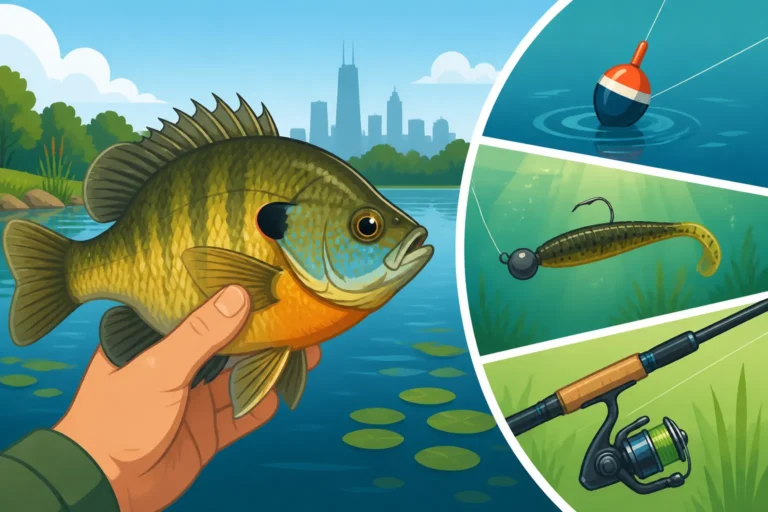
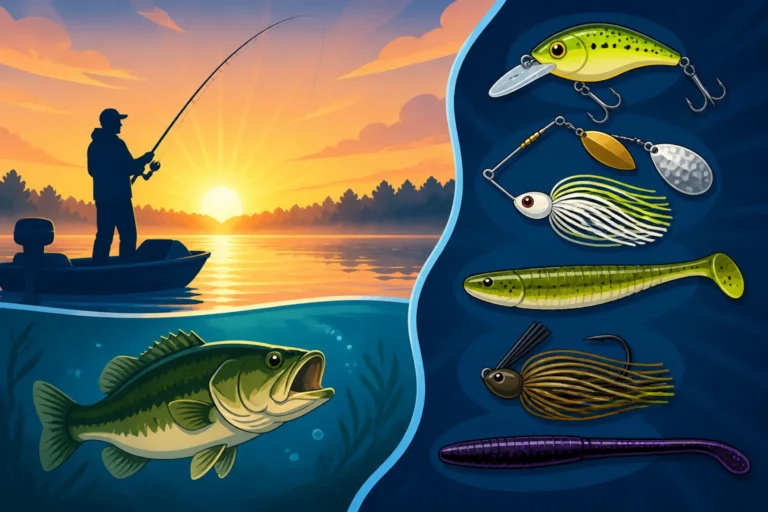
When bass are in a post-front funk, they become incredibly picky. Large, flashy, fast-moving baits are typically ignored because they require too much energy to chase. Instead, think finesse. Smaller, more subtle presentations are key. This means reaching for downsized soft plastics, finesse jigs, shaky heads, drop shots, and small crankbaits or jerkbaits. The goal is to imitate a struggling or easy meal that a lethargic bass won't pass up.
Consider the profile and action of your lure. A 1/4-ounce jig with a small craw trailer presents a compact, easy target. A wacky-rigged Senko or a small worm on a shaky head drifts tantalizingly slowly. Even a small, suspending jerkbait, which can be twitched and then paused for extended periods, can trigger a strike from an otherwise inactive fish. The color choice should also be subtle; natural shades like green pumpkin, black and blue, or translucent colors often work best in clearer post-front waters. You can find a wide array of these specialized baits on platforms like Amazon, ensuring you're stocked for these challenging conditions. For more on what baits work for different conditions, check out our Best Bass Lures for Clear Water and Best Bass Lures for Murky Water guides.
Mastering the Art of Slow Presentation
This is perhaps the most critical adjustment: slow down. And when you think you've slowed down enough, slow down even more. A post-front bass is not going to chase. You need to put the bait directly in front of its face and let it sit there, twitch it barely, and then let it sit again. This means longer pauses, minimal retrieves, and extremely deliberate movements.
For soft plastics, focus on dragging them, subtle shakes, and long periods of dead-sticking. When fishing a jig, let it fall slowly, tap the bottom a few times, and then let it rest. If you're using a suspending jerkbait, cast it out, retrieve it a bit, and then let it pause for 10, 20, even 30 seconds before your next twitch. This agonizingly slow presentation gives the sluggish bass ample time to approach, inspect, and eventually commit to the strike without having to exert much energy. Remember, the strike might not be the aggressive thump you're used to; it could be a subtle tick, a slight weight, or just your line moving sideways.
Practical Strategies for Post-Front Bass Fishing
Now that we understand the "why" behind their behavior, let's dive into the "how" with some actionable strategies you can implement on your next tough day on the water. These tactics will help you entice those reluctant bass into biting.
Finesse Tactics: Your Best Friend
Finesse fishing is absolutely paramount after a cold front. It's not about power; it's about precision and subtlety.
- Shaky Head: A small jig head paired with a straight-tail worm is incredibly effective. Cast it to cover, let it sink to the bottom, and then subtly shake your rod tip to make the worm quiver in place. This imitates a dying or injured baitfish or crawfish. Focus on pitching it into brush piles, around dock pilings, or along rocky edges. The key is to keep it in the strike zone for as long as possible.
- Drop Shot: This rig keeps your bait suspended off the bottom, making it perfect for targeting bass that are relating to structure but might be a foot or two up. Use small, realistic baits like minnow imitations or small worms. The drop shot is fantastic for vertical presentations over submerged timber or directly off steep banks. The beauty of it is that you can shake your rod tip, imparting action to the bait, while the weight stays put, keeping your offering in the bass's face.
- Wacky Rig/Neko Rig: A Senko-style worm, hooked through the middle (wacky rig) or with a nail weight inserted into one end (Neko rig), provides an incredibly slow, undulating fall that bass can't resist. Cast it near isolated cover, let it fall, and watch your line. Most bites will come on the fall, or just after it settles on the bottom. These rigs are particularly useful when bass are tucked into dense vegetation or under docks.
When stocking your tackle box, readily available on Amazon, make sure you have a variety of these finesse plastics and jig heads. They are indispensable tools for these challenging conditions. To learn more about specific rigging, check out our guide How to Rig a Jig for Bass Fishing.
Slow-Moving Baits for Deeper Water
While finesse is often shallow-water oriented, you'll also need options for deeper fish. Many bass will retreat to deeper humps, ledges, or channel breaks where conditions are more stable.
- Deep-Diving Crankbaits (Slow Retrieve): While "fast-moving" usually applies to crankbaits, a deep-diver can be effective if retrieved very slowly. Crawl it along the bottom, letting it deflect off structure. The key is to make contact with the bottom or cover, then pause. The deflection can trigger a reaction strike from a lethargic bass. Look for silent or very subtly rattling models.
- Football Jigs: These heavier jigs, often with a skirt and plastic trailer, are excellent for dragging along rocky bottoms or shell beds in deeper water. They mimic crawfish, a staple food source for bass. Slowly drag the jig, feeling for changes in the bottom, and let it pause frequently. A subtle shake of the rod tip can make the skirt pulsate enticingly.
- Blade Baits: Small metal blade baits can be effective when vertically jigged over deep structure. Let them fall to the bottom, then snap them up a foot or two before letting them flutter back down on a semi-slack line. The vibration and flash can trigger curious bass. This is a tactic that requires patience but can produce some surprising bites.
Timing Your Attack for Maximum Success
After a cold front, bass activity windows become much smaller and are often tied to specific times of day or environmental factors. Don't expect an all-day bite.
- Mid-day Warm-up: As the sun rises higher and warms the shallowest water, even by a degree or two, bass might briefly become more active. The warmest part of the day, usually between 11 AM and 3 PM, can be your best bet, especially if there's sustained sunshine. Bass might move slightly shallower to absorb some of that solar energy. This is a good time to target sun-drenched rock piles, seawalls, or dark-bottomed coves that retain heat.
- Low Light Conditions (Cloud Cover): While bright, clear skies are common after a cold front, if you happen to get a period of unexpected cloud cover, take advantage! The reduced light penetration can make bass feel more comfortable venturing out of their deepest or densest cover. This might open up a short window for slightly more aggressive presentations, though still keeping them on the slower side.
- Post-Front Recovery (Days Later): The truly best time to catch bass after a cold front is often a few days after the initial impact. Once the weather stabilizes, water temperatures slowly rebound, and the bass begin to recover from the shock, they'll start feeding more actively. This recovery period is when you can gradually reintroduce some of your pre-front tactics. Patience is key here.
Remember, after a cold front, bass are often schooling more tightly in their chosen hideouts. If you catch one, there are likely more around, so thoroughly work the area before moving on. Your perseverance will pay off, turning a frustrating day into a successful one.
Here's a quick comparison of tactics to help you visualize the shift:
| Factor | Pre-Cold Front Conditions | Post-Cold Front Conditions |
|---|---|---|
| Barometric Pressure | Falling or Stable (low) | Rising or Stable (high) |
| Bass Activity | Highly active, aggressive feeding | Lethargic, reluctant to feed |
| Preferred Depth | Shallow to mid-depth | Deeper water or dense cover |
| Lure Size | Larger, attention-grabbing | Smaller, subtle, finesse |
| Lure Action | Fast, erratic, noisy | Slow, natural, minimal movement |
| Presentation | Covering water, aggressive retrieves | Pinpoint accuracy, long pauses |
| Target Areas | Open flats, sparse cover | Deep structure, thick cover, shade |
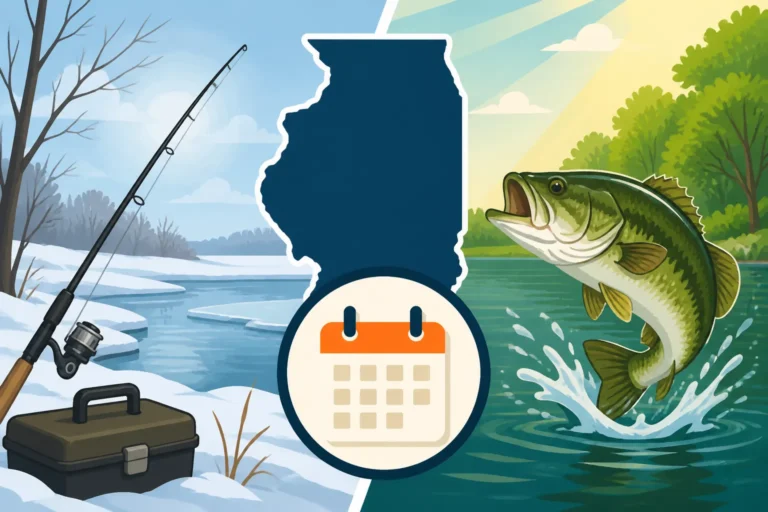
For a broader perspective on the entire fishing year, be sure to check out our Illinois Fishing Seasons Guide.
Disclaimer
The information provided in this guide is for general informational purposes only. Fishing regulations and conditions in Illinois can change, and it is the angler's responsibility to stay informed about current rules and local conditions. Always consult the latest Illinois Department of Natural Resources (IDNR) fishing guide and local advisories before heading out on the water.